Everyday Choices Add Up
Your spine supports your body, protects the nervous system, and helps you bend, turn, and move through daily life. Caring for it does not require perfect posture or a complicated routine. Small, repeatable choices can support comfort and mobility over time, though they cannot guarantee that pain or spinal conditions will be prevented.
This guide looks at practical habits: moving regularly, finding comfortable posture, adjusting work and sleep setups, and choosing foods that support general health. Guidance from MedlinePlus on good posture emphasizes that posture involves how you hold your body while both still and moving.
The right approach depends on your needs and circumstances. Southeast Family Chiropractic in Gastonia offers personalized, non-invasive care, including rehabilitative treatments, for people who want professional guidance. Persistent pain, numbness, or weakness deserves assessment by a qualified healthcare professional rather than relying on daily habits alone.
Build a Sustainable Daily Routine
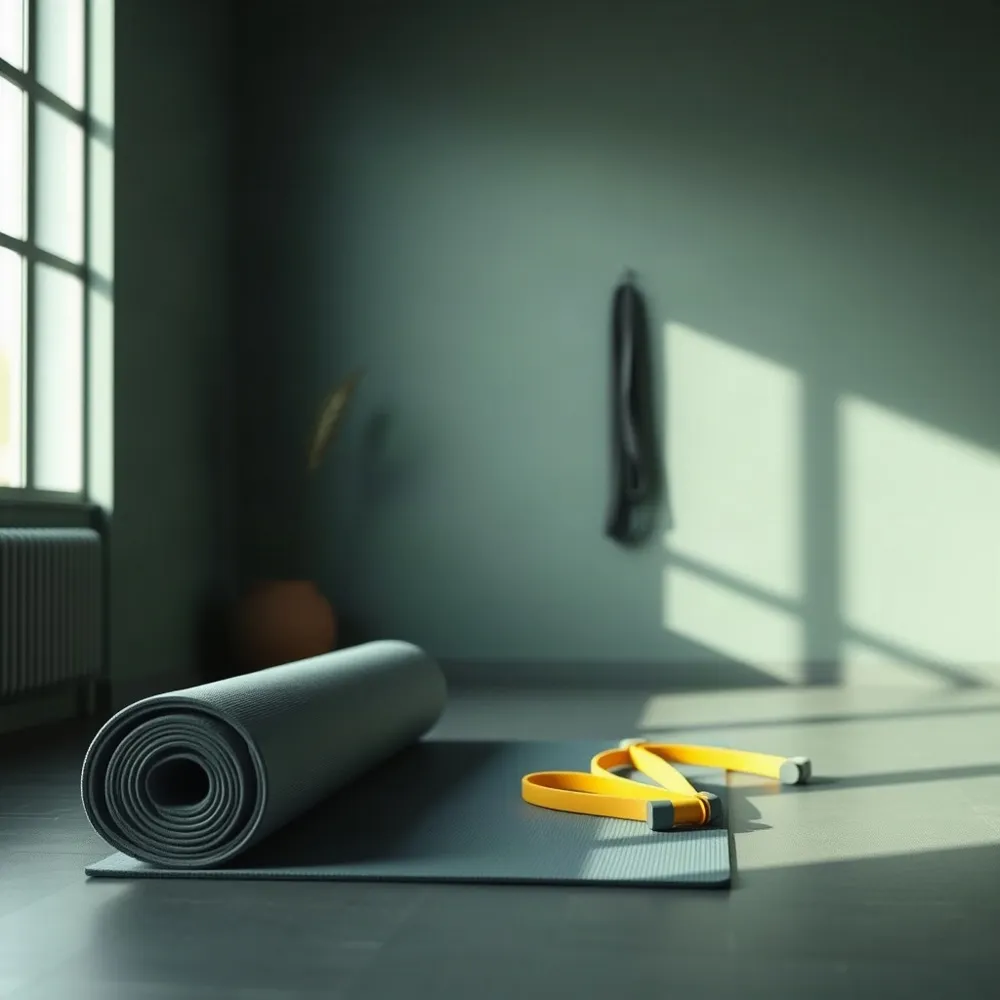 A routine that combines movement, recovery, and everyday tasks can support spinal mobility and strength without requiring an elaborate workout plan. Walking, swimming, and cycling are accessible ways to get moving; regular activity can also help maintain circulation and a healthy weight.
Aim to pair cardiovascular activity with gentle strengthening and flexibility work. Start at a comfortable level and increase gradually, choosing movements that suit your abilities. For people who want individualized guidance, Southeast Family Chiropractic offers rehabilitative treatments as part of its personalized, non-invasive care. General exercise instructions from Mayo Clinic also recommend building repetitions gradually and checking with a health professional before exercising for ongoing pain or after an injury.
Long stretches of sitting can leave the body stiff or tired, even when your workstation feels comfortable. Stand, take a short walk, or stretch gently from time to time, and change positions throughout the day. MedlinePlus posture guidance recommends changing positions and taking brief walks during prolonged sitting.
Hydration and quality sleep are also part of overall wellness. Water needs vary with health, activity, and climate, so follow your body's needs and any clinician's advice rather than treating one amount as universal. Choose manageable changes, such as a regular walk or a brief movement break, and build on them as they become routine. Consistency matters more than doing everything perfectly.
Practice Comfortable, Balanced Posture
Good posture is balanced alignment while sitting, standing, and moving, not holding your back rigidly straight. Keep your head over your shoulders and your shoulders over your hips, with the shoulders relaxed and the lower back in a comfortable, neutral position. The spine’s natural curves help it handle everyday movement, as described in the MedlinePlus guide to good posture.
Slouching, a head that juts forward, rounded shoulders, or an exaggerated or uneven arch in the lower back can signal that your position is unbalanced. You might also notice muscle tension, recurring neck, shoulder, or back discomfort, or reduced flexibility. These signs do not prove that posture is the cause, since pain can have many possible contributors.
Posture can often improve with regular practice, though the pace depends on its cause and whether structural changes are present. Short movement breaks, comfortable work surfaces, and attention to how you sit and stand can help. Guidance from Stanford’s postural-awareness resource also emphasizes preserving the back’s natural shape and changing position periodically.
Strengthening the core and back, staying active, and gently stretching tight areas may support more comfortable alignment. The patient-focused care at southeastchiro.com includes rehabilitative treatments and personalized chiropractic care, which can help patients discuss movement and posture concerns with a provider. Progress usually takes time and consistent practice, rather than a single posture correction.
Seek professional assessment if pain persists, stiffness is marked, or you notice a change in your spine. A clinician can help assess possible causes instead of assuming posture is responsible.
Move and Strengthen With Care
The muscles of the abdomen, back, hips, and buttocks help steady the trunk and support posture during everyday movement. Walking is a simple way to stay active, while gradual strengthening can help build the control needed for bending, lifting, and reaching. At Southeast Family Chiropractic in Gastonia, rehabilitative care is part of a non-invasive, personalized approach to spinal health.
Gentle options include bridges, pelvic tilts, bird-dogs, and abdominal strengthening. For flexibility, try a knee-to-chest stretch or a comfortable trunk rotation while lying down or seated. Mayo Clinic’s back exercise guidance describes these stretches and strengthening movements as general exercises, not a substitute for individual assessment.
Start with a comfortable number of repetitions and increase gradually as the movements become easier. Move slowly, stay within a comfortable range, and do not force a stretch. Stop if you feel sharp or worsening pain rather than trying to push through it.
If you have ongoing back pain, a recent injury, or a health condition that may affect safe movement, ask a qualified healthcare professional before starting an exercise program. The right movements can vary from person to person, so general wellness guidance should not be treated as a personalized treatment plan.
Set Up Work for Less Strain
Ergonomics means arranging work tasks and equipment to fit people’s abilities and reduce unnecessary strain. The CDC’s NIOSH ergonomics guidance explains how work demands and awkward positions can affect muscles, joints, and spinal discs.
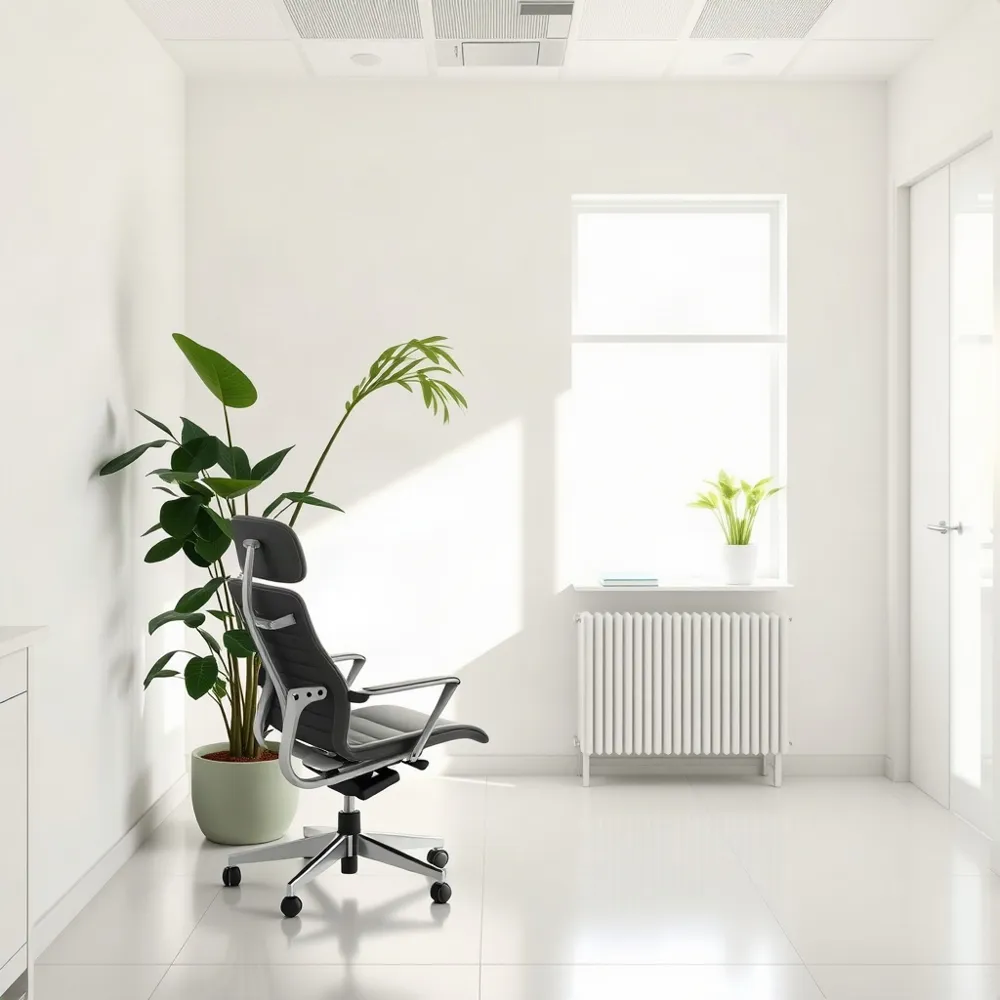
Choose a chair that supports your lower back, and adjust it so your feet rest on the floor or a footrest. Aim for a comfortable position with your hips and knees aligned. Keep the monitor near eye level, with the keyboard and mouse close enough to reach without leaning forward or stretching. These adjustments can help shoulders stay relaxed and reduce repeated reaching. For more workstation setup details, see Mayo Clinic’s office ergonomics guide.
Even a well-arranged workstation does not make it helpful to stay in one position for hours. Alternate sitting with standing, stretching, or taking a brief walk, and change position when you notice tension or fatigue. At Southeast Family Chiropractic in Gastonia, care includes rehabilitative treatments alongside chiropractic adjustments, so patients can discuss persistent concerns in a setting that offers non-invasive, personalized care.
Workstation changes may ease strain, but they do not explain every ache. Discuss pain that persists or worsens with a qualified healthcare professional.
Support Alignment During Sleep
 There is no single best sleeping position for everyone. Aim for a comfortable setup that keeps your head, shoulders, and hips aligned and avoids twisting your back. The ColumbiaDoctors guide to posture and sleep notes that pillow placement can help support this alignment.
If you sleep on your side, try placing a pillow between your knees. If you sleep on your back, a pillow under your knees may feel supportive. Mattress firmness and pillow preferences vary, so focus on what feels comfortable rather than assuming one setup suits everyone.
Sleeping on your stomach may strain the neck or lower back. If that is the position you prefer, a small pillow under your stomach and a flatter pillow for your head may help reduce strain. These adjustments are options, not a substitute for care when symptoms continue.
If back pain persists or disrupts sleep, a healthcare professional can help assess possible causes and discuss next steps. Southeast Family Chiropractic in Gastonia offers personalized, non-invasive chiropractic care, and its guidance on sleep position and neck posture discusses ways to support cervical alignment.
Nourish Bones and Supporting Tissues
Nutrition supplies materials the body uses to maintain bones and muscles. Calcium helps build and maintain bone structure, while vitamin D helps the body absorb calcium. Protein and other nutrients also contribute to bone and muscle health.
A varied diet can include dairy or fortified alternatives, leafy greens, beans, nuts, fish, fruits, and vegetables. Calcium, vitamin D, and omega-3s also appear in general spine-wellness dietary guidance, but no particular diet is a proven way to prevent or treat spinal disease. For more on everyday habits that support spinal health, see preventive strategies to protect your spine.
If you are concerned that your diet may not provide enough nutrients, ask a healthcare professional whether a supplement is appropriate. Supplements are not necessary for everyone, and safe amounts depend on individual needs and health circumstances. A clinician can help you decide whether to adjust your diet, consider supplementation, or seek further assessment.
Know When Back Pain Needs Care
 Lower-back pain linked to an L4–L5 disc problem can have different causes and levels of severity, so general home-care steps are not a diagnosis or a substitute for individual medical advice. A clinician can assess symptoms and help decide which activities and treatments are appropriate.
For mild symptoms, gentle movement as tolerated is usually preferable to prolonged bed rest. Temporarily reduce activities that aggravate the pain, and avoid heavy lifting, repeated bending, or twisting while symptoms settle. If pain is severe or follows an injury, seek clinical guidance rather than relying on self-care alone.
Ice during the first 48 to 72 hours, followed by heat, is sometimes suggested, but either may not suit every person or situation. Use over-the-counter pain relief only if it is safe for you and exactly as directed. A healthcare professional or pharmacist can help account for other conditions, medicines, and possible side effects.
As symptoms improve, gradually return to walking and gentle exercise, ideally with guidance from a clinician or physical therapist. Stop any movement that worsens symptoms, and do not try traction or spinal-decompression devices without professional supervision. The Mayo Clinic’s general back-exercise guidance also advises people with ongoing pain or a recent back injury to ask a healthcare professional which exercises are safe.
Arrange an assessment if pain is severe, worsening, recurring, or not improving, or if it travels down a leg with numbness, tingling, or weakness. At southeastchiro.com, care includes personalized chiropractic and rehabilitative treatments, which can be discussed as part of an individual assessment.
Seek emergency care for new loss of bowel or bladder control, numbness around the groin or saddle area, major or rapidly worsening leg weakness, fever with back pain, or symptoms after a significant injury. These warning signs need prompt medical evaluation, not a home exercise routine.
Consistency Over Perfection
No single posture, exercise, or sleep position guarantees a pain-free back. Everyday habits can support comfort and movement, but they should fit your needs and health circumstances.
Start with one or two manageable changes, such as taking regular movement breaks or adding a gentle walk. Adjust the plan if an activity causes discomfort, and ask a qualified healthcare professional for guidance if you have health concerns.
Persistent or worsening pain, numbness, or weakness deserves individualized assessment. A healthcare professional can help evaluate symptoms and discuss appropriate next steps.