Understanding the Nervous System and Its Vital Role in Health
Overview of the Nervous System
The nervous system is the body's master control network, managing vital functions such as movement, sensation, digestion, breathing, and immune responses. It transmits signals between the brain and every part of the body, ensuring coordination and balance.
Central and Peripheral Nervous Systems
This complex system is divided into two main parts: the Central Nervous System (CNS), which includes the brain and spinal cord, and the Peripheral Nervous System (PNS), consisting of nerves that branch out to muscles, organs, and tissues. The CNS processes information, while the PNS relays signals to and from the CNS.
Autonomic Nervous System Functions
A critical subdivision of the PNS is the autonomic nervous system, which controls involuntary functions. It comprises the sympathetic system, responsible for “fight or flight” responses, and the parasympathetic system, which governs “rest and digest” activities. These systems work together to maintain homeostasis and respond to stress.
Impact of Spinal Health on Nervous System Communication
The spine protects the spinal cord, a vital transmission pathway. Misalignments or subluxations in the spine can irritate nerves, disrupting communication between the brain and body. Such interference may cause symptoms including pain, reduced immune function, and impaired organ performance. Chiropractic care helps restore spinal alignment, improving nerve flow and promoting optimal nervous system function, which supports overall health and wellness.
What is Chiropractic Care and How Does It Promote Spinal and Nervous System Health?
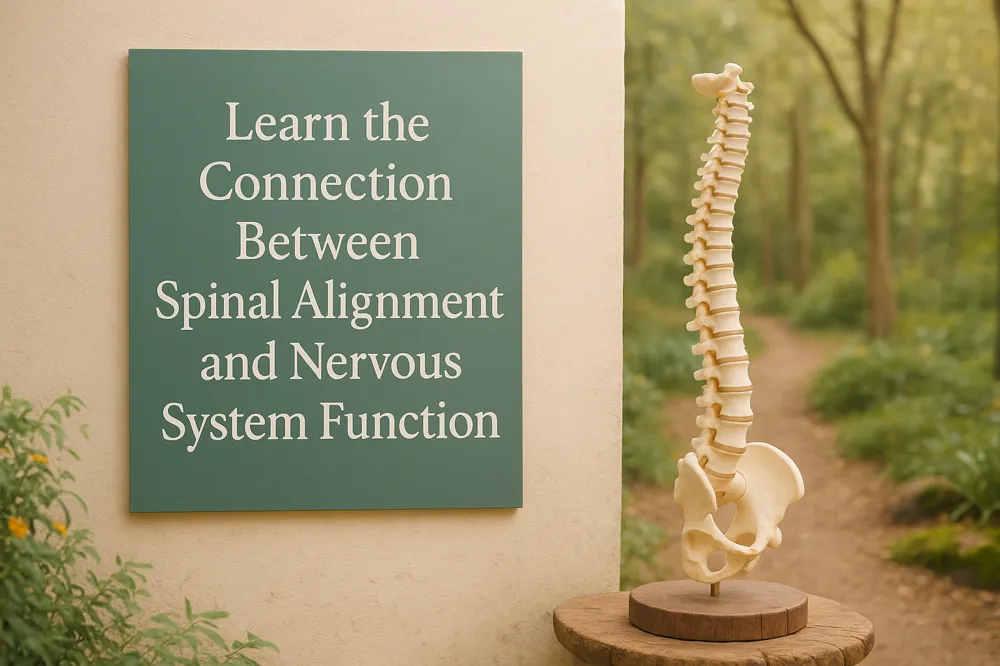
What is chiropractic care and how does it promote spinal health?
Chiropractic care is a natural, non-invasive healthcare approach that focuses primarily on diagnosing and treating musculoskeletal disorders, especially those involving the spine. Central to chiropractic care is spinal manipulative therapy (SMT), where licensed chiropractors apply controlled, gentle force to spinal joints. These precise adjustments aim to realign vertebrae, known as correcting spinal misalignments or subluxations.
How does spinal alignment relate to nervous system function?
The spine protects the spinal cord, a vital part of the central nervous system. Misalignments in the spine compress or irritate nerves, disrupting communication between the brain and the rest of the body. By restoring proper spinal alignment, chiropractic adjustments reduce nerve interference, improving nerve signal flow and enhancing overall nervous system function.
What effects does spinal manipulative therapy have?
Spinal adjustments improve joint mobility, decrease nerve irritation, and stimulate the body’s natural healing responses. They have been shown to reduce muscle tension, enhance proprioception, and even promote relaxation by balancing the autonomic nervous system.
What benefits does chiropractic care offer beyond pain relief?
While commonly sought for relief from back pain, headaches, or neck pain, chiropractic care also supports mental clarity by improving nerve function and blood flow to the brain. It can reduce nerve-related inflammation, help manage stress by lowering cortisol levels, and support immune function by optimizing nervous and immune system communication. Regular chiropractic care thus fosters whole-body wellness, aiding in better posture, increased energy, improved sleep, and enhanced resilience to physical and emotional stress.
Chiropractic care integrates well with healthy lifestyle habits like maintaining good posture, staying active, and managing stress, making it a holistic approach to sustaining spinal and nervous system health.
Chiropractic Treatments Offered in Family Practice and Their Impact on Nervous System Function

What types of treatments are commonly offered at a family chiropractic practice?
Family chiropractic practices provide a comprehensive range of treatments aimed at enhancing spinal health and optimizing nervous system function for all age groups—from infants to seniors.
Spinal adjustments are the cornerstone treatment, involving gentle, controlled manipulations that realign vertebrae to reduce nerve interference. These adjustments help restore proper nerve communication, which can improve movement, reduce pain, and enhance overall wellbeing (Benefits of Chiropractic Adjustments; Chiropractic Adjustment Care).
In addition to adjustments, soft tissue therapy techniques such as myofascial release relax tight muscles and improve circulation. Practices often include rehabilitative exercises tailored to individual needs that strengthen supportive muscles and improve flexibility, supporting long-term spinal health.
Family chiropractors prioritize safety and tailor their treatments for all ages, including prenatal and pediatric care, ensuring the specific developmental needs of young children and expectant mothers are addressed (Chiropractic care benefits nervous system health).
Holistic care extends beyond spinal manipulation, incorporating nutritional guidance, stress management, and lifestyle advice. Such adjunct therapies complement chiropractic adjustments by promoting healthier habits, reducing stress, and enhancing the nervous system’s natural ability to heal (nervous system and communication; Chiropractic Care and Nervous System Health).
Collectively, these treatment modalities support a balanced autonomic nervous system (Neurobiological basis of chiropractic and depression), reduce sympathetic overactivity, and encourage parasympathetic activation (Parasympathetic nervous system), leading to improved nervous system resilience and whole-body health.
Supporting Prenatal and Pediatric Patients Through Chiropractic Care

How does chiropractic care support prenatal and pediatric patients?
Chiropractic care offers targeted benefits for prenatal patients by focusing on spinal and pelvic alignment. Proper alignment during pregnancy can reduce back pain and nausea, contributing to a more comfortable pregnancy. Additionally, chiropractic adjustments may help shorten labor and delivery times by promoting an optimal pelvic position.
The Webster Technique, a specialized chiropractic method, is often used to address breech presentation by balancing the pelvis. This can potentially decrease the need for cesarean sections and aid in a smoother birth process.
Pregnancy involves hormonal and postural changes that can impact nervous system function. Chiropractic care helps manage these changes, supporting both the mother’s and baby’s health through improved nervous system regulation.
For pediatric patients, gentle chiropractic techniques are designed to promote healthy spinal development. This approach aims to reduce common childhood concerns such as ear infections and colic, alongside improving sleep quality and behavior.
Overall, chiropractic care provides a safe, non-invasive pathway to enhance well-being throughout pregnancy and childhood, supporting nervous system health and physical alignment for mother and child alike.
Laser Therapy and Advanced Techniques Enhancing Nervous System Healing
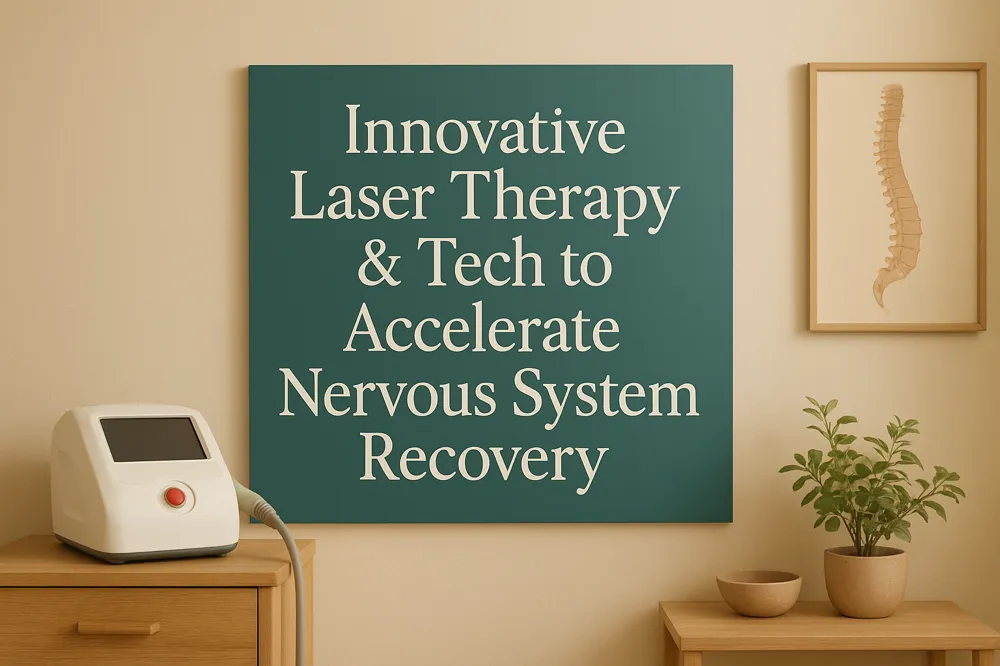
What role does laser therapy play in chiropractic treatments?
Laser therapy is a powerful, non-invasive tool used in chiropractic care for nervous system health to enhance healing and reduce pain. It involves applying targeted wavelengths of light to injured or inflamed tissues, which helps to decrease inflammation and stimulates the body’s natural cell repair processes.
How does laser therapy benefit inflammation reduction and tissue repair?
Laser light penetrates deep into tissues, increasing circulation and promoting anti-inflammatory responses. This leads to faster reduction of swelling and pain, as well as enhanced tissue regeneration. The therapy supports cellular metabolism, helping repair damaged nerves and muscles, which is crucial in nervous system functions health and recovery.
How does laser therapy accelerate recovery for injuries and chronic pain?
By promoting faster tissue healing and reducing pain signals, laser therapy speeds up recovery from sprains, strains, nerve injuries, and chronic pain conditions. It reduces reliance on medications and can improve quality of life for patients by enabling more rapid return to normal activity.
How is laser therapy integrated with spinal adjustments for enhanced healing?
Chiropractors often combine laser therapy with spinal adjustments. While adjustments restore proper spinal alignment and improve nervous system and communication, laser therapy enhances this effect by accelerating tissue healing and reducing inflammation. This combination provides a comprehensive approach to resolving musculoskeletal and nerve-related issues.
What neurological scanning and evaluation technologies support personalized chiropractic care?
Advanced technological tools such as Heart Rate Variability (HRV) and surface electromyography (sEMG) are employed to assess autonomic nervous system balance and muscle activity. These measurements help chiropractors tailor treatments by identifying nervous system dysfunctions and monitoring the patient’s response over time, optimizing outcomes. For more on these technologies, see Understanding Chiropractic Nervous System Scanning Methods.
| Technique | Purpose | Benefit |
|---|---|---|
| Laser Therapy | Inflammation reduction, tissue repair | Faster recovery, less pain |
| Spinal Adjustments | Corrects misalignments | Improved nerve function |
| HRV Scanning | Autonomic balance assessment | Personalized stress management |
| sEMG Scanning | Muscle activity evaluation | Targeted muscular treatment |
This integration of advanced therapies and technology elevates chiropractic care, fostering nervous system health and accelerating the body's healing.
The Nervous System’s Central Role in Chiropractic Care and Mental Health
How Does the Nervous System Function as the Body’s Master Control?
The nervous system, encompassing the brain, spinal cord, and nerves, acts as the body's master control center. It governs crucial functions such as movement, digestion, immune responses, heartbeat, and emotional regulation. The spine protects the spinal cord and serves as the main pathway for nerve signals traveling between the brain and the rest of the body. Any disruption in this pathway can affect overall health.
What Impact Do Spinal Misalignments Have on Nerve Communication?
Spinal misalignments, also known as vertebral subluxations, can compress or irritate nerves, disrupting communication between the brain and organs or muscles. This interference can cause symptoms like pain, muscle weakness, numbness, headaches, fatigue, and even mental health issues such as anxiety and depression. Misalignments may also trigger the release of stress-related chemicals which further impact nervous system function.
How Does Chiropractic Care Affect Autonomic Nervous System Balance?
Chiropractic adjustments help restore proper spinal alignment, which relieves nerve interference and improves communication along nerve pathways. This includes balancing the autonomic nervous system, specifically reducing overactivity of the sympathetic 'fight or flight' system and enhancing parasympathetic 'rest and digest' responses. For example, cervical spine manipulation can activate parasympathetic activity, improving regulatory functions such as heart rate variability and stress resilience.
What Is the Relationship Between This and Mental Health Conditions Like Depression and Anxiety?
Major depressive disorder and autonomic nervous system imbalance are linked to elevated sympathetic and reduced parasympathetic activity. Chiropractic care’s ability to normalize this balance may contribute to alleviating symptoms of depression and anxiety. By reducing nerve interference and lowering stress hormone levels like cortisol, chiropractic treatments can help the body manage emotional stress more effectively.
How Does Chiropractic Influence Neuroplasticity, Parasympathetic Activation, and Stress Reduction?
Chiropractic manipulative therapy has been shown to stimulate the release of neurotrophins, such as brain-derived neurotrophic factor (BDNF) and nerve growth factor (NGF), essential for neuron survival and plasticity. Additionally, vagal nerve stimulation—targeted through cervical chiropractic adjustments—promotes parasympathetic activation, enhancing neuroplasticity and fostering long-term improvements in mood regulation. This approach can reduce sympathetic dominance, lower cortisol, and support a shift toward a more relaxed, restorative state, benefitting mental clarity and emotional well-being.
Holistic Approach and Patient Engagement in Chiropractic Wellness
What is the importance of a holistic approach in chiropractic care?
A holistic approach in chiropractic care is vital as it addresses the whole person, including physical health, emotional well-being, and lifestyle factors, rather than just alleviating symptoms. Chiropractors focus on spinal alignment and nervous system health, using manual therapies like spinal adjustments to restore communication within the body. This approach often integrates complementary wellness practices such as nutrition, exercise, stress management, and mind-body techniques. Together, these efforts promote natural healing, reduce stress, enhance mobility, and help prevent future health problems. By recognizing the interconnectedness of body systems, holistic chiropractic care offers personalized, non-invasive treatments that empower the body’s innate capacity to heal.
How can patients engage with a chiropractic practice through its online platform?
Modern chiropractic practices enhance patient engagement through comprehensive online platforms. Patients can complete onboarding and consent forms digitally before appointments, making visits more efficient and ensuring privacy compliance. Online appointment booking and rescheduling provide convenient scheduling options, often assisted by AI technology. Direct communication via instant messaging helps patients get timely answers to questions or follow-up support. Additionally, educational materials, practice updates, and review systems allow patients to stay informed and connected. This digital accessibility fosters personalized care experiences and stronger relationships between patients and providers, improving overall satisfaction and wellness outcomes.
Maintaining Nervous System Health Through Chiropractic Care for Lifelong Wellness
Chiropractic Care and Nervous System Health
Chiropractic care fundamentally focuses on maintaining proper spinal alignment to support optimal nervous system function. Since the nervous system controls essential functions like movement, digestion, and immune responses, ensuring spinal health directly influences overall well-being.
Physical, Mental, and Emotional Benefits
By correcting spinal misalignments and reducing nerve interference, chiropractic adjustments can alleviate pain, improve posture, increase mobility, and enhance immune function. Improved nervous system regulation also supports mental clarity, reduces stress levels, and promotes emotional balance, contributing to a healthier, more resilient individual.
Ongoing Care and Lifestyle Integration
Regular chiropractic visits help prevent spinal subluxations and maintain nervous system efficiency. Coupled with healthy lifestyle habits—such as good posture, regular exercise, proper hydration, stress management, and restful sleep—chiropractic care forms a comprehensive approach to lifelong wellness.
Embracing Holistic Health
Patients are encouraged to consider chiropractic as an integral part of holistic health care. This natural and non-invasive approach supports the body's innate healing ability, promotes balance, and improves quality of life across physical, mental, and emotional domains.