A Practical First Look
A first Class IV laser therapy visit may include a health review, a discussion of treatment goals, and an explanation of what to expect before the laser is used. This guide follows that process from preparation through treatment and follow-up, while separating general expectations from results that cannot be promised.
Experiences and plans vary with a person’s condition, medical history, and response to care. A qualified provider should assess whether laser therapy fits the individual’s needs and explain the proposed approach. Research on Class IV laser treatment remains specific to the conditions studied, including a pilot study of pain after cardiac surgery, so its findings do not establish what every patient will experience (pilot study).
At Southeast Family Chiropractic in Gastonia, laser therapy is part of a patient-focused range of chiropractic and rehabilitative care. The visit should be a chance to ask questions, share relevant health information, and understand how the proposed treatment fits into a personalized plan.
What The Therapy Is For
 Class IV laser therapy is a noninvasive treatment that directs higher-powered light energy toward selected tissues. Compared with lower-power laser approaches, it is intended to reach deeper tissues. The goal is to support cellular processes involved in tissue repair and to help manage pain or inflammation, though response varies.
A chiropractor may consider it for some musculoskeletal concerns, including muscle strains, joint pain, tendon problems, and other painful soft-tissue conditions. These are possible uses, not guaranteed indications or promises of relief. A clinical assessment is needed to identify the cause of symptoms and decide whether laser therapy fits the patient’s needs.
Research findings should be interpreted in context. A pilot study of Class IV laser therapy examined acute pain after open-heart surgery, so its results do not establish effectiveness for routine chiropractic care or other conditions. The authors also called for larger controlled trials.
When appropriate, a chiropractor may include laser therapy within a broader plan, alongside rehabilitation exercises, adjustments, or other care. It is not a stand-alone cure or a substitute for diagnosis. At southeastchiro.com, laser therapy is presented alongside chiropractic adjustments and rehabilitative treatments, reflecting a care approach that considers more than one treatment method.
What Evidence Can Tell You
Class IV laser therapy may reduce pain for some people, but relief and improved function are not assured. Responses can differ with the condition, the person, and the treatment plan. A clinician can explain what the available research does and does not say about your situation.
One prospective observational pilot study examined acute pain after sternotomy for off-pump coronary artery bypass surgery. Participants received laser therapy in a hospital setting alongside usual pain management, not as a routine chiropractic treatment. The study reported lower pain scores after treatment, but those findings do not predict results for other conditions or care settings.
The authors described the findings as preliminary and called for larger randomized controlled trials to clarify the therapy’s role and appropriate dose, duration, and frequency. The study therefore offers a limited example, not proof of a universal effect or a standard treatment schedule.
A useful discussion at Southeast Family Chiropractic can place laser therapy within an individualized plan that may include other care. It should be considered a possible complement to clinical evaluation and standard treatment, not a substitute for them. Higher power alone also does not establish better results; the treatment approach should reflect the patient and the evidence.
Before Treatment And Safety
 Before treatment, the provider should review your medical history and current health, ask about your symptoms and goals, and consider whether laser therapy is appropriate for you. At Southeast Family Chiropractic, laser therapy is presented as part of personalized chiropractic care, so the treatment plan should reflect your individual needs rather than assume one approach fits everyone.
Tell the provider about your medications, pregnancy, light sensitivity, implanted medical devices, and any significant health concerns. Cancer or a cancerous lesion near the proposed treatment area, and medicines that increase sensitivity to light, warrant discussion with a qualified provider. These factors do not by themselves establish a universal rule about who can or cannot be treated. Share your full history so the clinician can assess risks and consider precautions or alternatives.
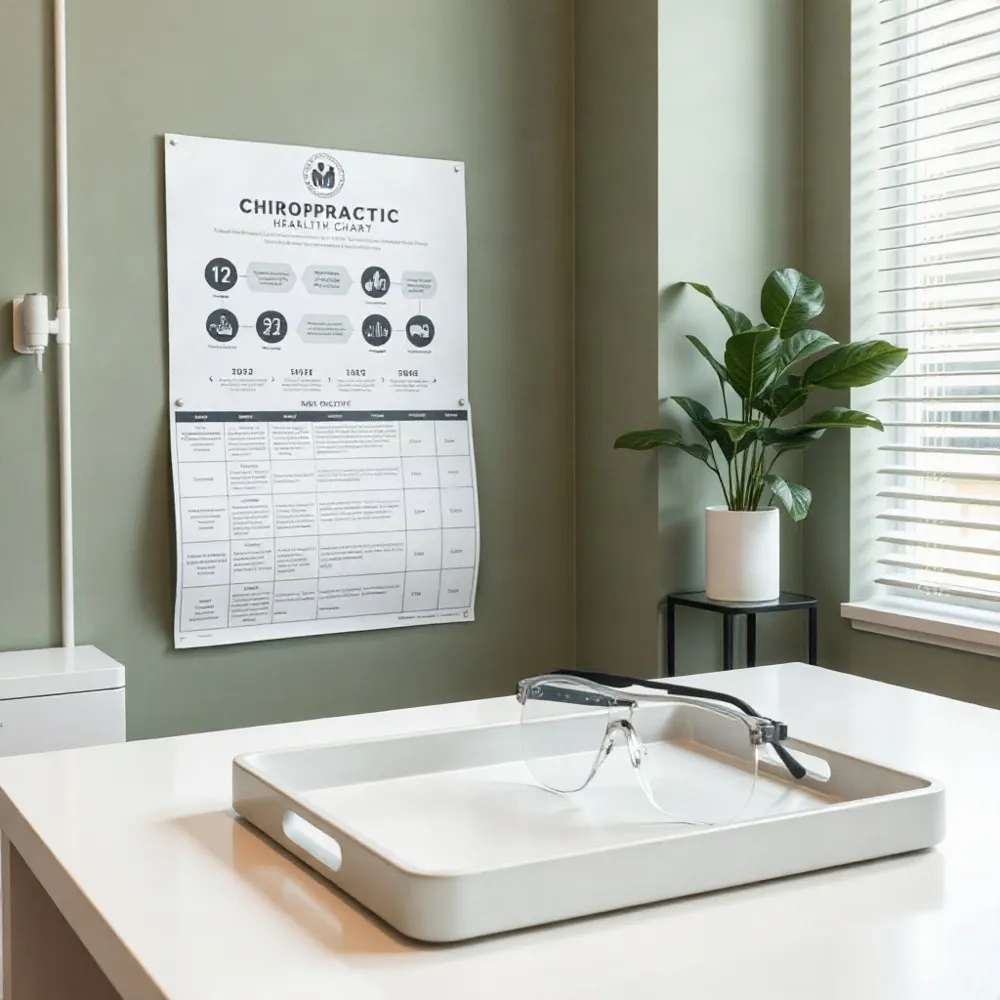
Is Class IV laser therapy safe, and what side effects or precautions should patients know about? No treatment is risk-free, and safety depends on the particular device and how it is used. Temporary warmth or mild redness may occur. Class 4 lasers can injure the eyes through direct exposure or reflections, so everyone in the controlled treatment area should wear eyewear selected for the device’s wavelength. Ordinary glasses are not a substitute. A medical laser safety review describes the need for suitable protective eyewear and procedures matched to the laser system and clinical use: medical laser safety guidance.
Who should avoid Class IV laser therapy or discuss it with a provider first? People who are pregnant, have cancer or a cancerous lesion near the treatment area, take photosensitizing medication, or have an implanted medical device should raise this before treatment. A provider can assess individual risks and discuss whether precautions or another approach may be appropriate. Treatment near the eyes calls for particular protection, and the beam must not be directed into the eyes.
The operator should be trained and follow safety procedures for the specific device and treatment. During the session, speak up if warmth becomes excessive or you feel discomfort, so the provider can pause or adjust treatment.
The Session From Start To Finish
 Wear comfortable clothing that lets the provider reach the area being treated, and follow any clinic-specific preparation instructions. The initial appointment may take longer than a treatment visit if it includes an assessment and discussion of your health history. At Southeast Family Chiropractic, laser therapy is part of a broader patient-focused approach that considers individual needs.
During treatment, a trained provider directs the laser over the targeted area. You may notice warmth, although the procedure is generally described as painless and sensations can vary. Appropriate protective eyewear matters because direct or reflected laser light can injure the eyes; a medical laser safety review explains why protection must match the device being used laser safety guidance.
There is no single session length. Published descriptions range from about 5 to 30 minutes, but treatment area, device, and the individual plan all affect timing. Ask the provider for an estimate, especially if your first visit includes an assessment. Afterward, many people can return to usual activities, but follow the clinic’s instructions and check before applying heat, ice, or other treatments.
Treatment schedules also differ. A provider may suggest multiple sessions and adjust their frequency based on your progress and response, rather than applying one schedule to everyone. The available clinical pilot research describes a hospital postsurgical protocol, not a standard chiropractic schedule, so it should not be used to predict your visit plan Class IV laser pilot study.
Afterward And Individual Responses
After treatment, the area may feel warm or look mildly red. Some people notice relief soon after a session, while others experience changes gradually over a course of care. Responses differ, so neither an immediate effect nor a particular outcome is assured.
Follow the instructions your provider gives you after treatment, and report symptoms that are unexpected, persist, or worsen. A provider can help determine whether a response needs attention or whether the plan should change.
There is no single schedule or course length that fits everyone. The provider may adjust visit frequency based on your condition, goals, and response. Any suggested starting schedule is an example for discussion, not a universal recommendation. At southeastchiro.com, laser therapy is presented within personalized chiropractic care, so questions about follow-up can be raised with the treating provider.
Questions To Raise At Your Visit
A useful visit is a chance to clarify whether laser therapy fits your symptoms, what evidence applies, and what costs to expect. At Southeast Family Chiropractic, patients can discuss laser therapy as part of a personalized approach to care, rather than assuming one treatment suits every condition.
Can Class IV laser therapy help with plantar fasciitis or neuropathy?
A clinician may consider laser therapy for plantar fasciitis, but the available information here does not establish a guaranteed benefit. Ask for an assessment of your heel pain and a discussion of appropriate care. Evidence for some neuropathic pain applications remains limited, and laser therapy should not be presented as reversing nerve damage or treating its underlying cause. Numbness, tingling, burning, or weakness warrants medical evaluation.
How does Class IV laser therapy differ from red light therapy?
Both approaches use light, but devices, power, and applications can differ. Class IV therapy uses a higher-powered laser than lower-power laser approaches, so ask how the specific device and treatment plan relate to your condition. Appropriate eye protection and trained application matter; medical laser safety guidance describes controls tailored to the laser system and its use (medical laser safety review).
How much does Class IV laser therapy cost, and is it covered by insurance?
There is no reliable price range or coverage information established here. Ask the clinic for its fee and proposed schedule, then contact your insurer to confirm coverage, referral requirements, and visit limits. Do not assume treatment is covered until your plan confirms it.
A Personalized Plan Comes First
A first Class IV laser session should begin with an assessment of your health, symptoms, and goals, followed by a clear explanation of safety measures and realistic expectations. At Southeast Family Chiropractic, laser therapy is one part of a broader, personalized approach to care, not a guaranteed fix.
Before deciding, ask which device will be used, what protective eyewear is required, and why the proposed schedule fits your condition. Discuss the evidence for your specific concern, the total cost, and alternatives, including whether laser therapy can complement other care. A thoughtful conversation helps you make an informed choice.