Introduction to the Essential Role of Pilates in Core Stability and Nervous System Function
Overview of Pilates as a holistic practice
Pilates is a low-impact exercise system designed to improve muscle strength, flexibility, posture, and balance. It emphasizes controlled, precise movements and mindful breathing, creating a mind-body connection that encourages body awareness and mental focus. Suitable for all fitness levels, Pilates adapts to both gentle rehabilitation and more strenuous athletic training.
Importance of core stability and nervous system health
Core stability involves strengthening deep muscles around the abdomen, pelvis, and lower back. These muscles support the spine and pelvis, helping to prevent injuries, improve posture, and maintain balance. Nervous system health relates closely to this stability, as proper muscle activation depends on effective neuromuscular communication and coordination.
How Pilates addresses both physical and neurological well-being
Pilates strengthens core muscles like the transversus abdominis and multifidus, enhancing spinal support and movement control. The practice’s repetition of precise movements stimulates neural rewiring, improving motor patterns and proprioception—awareness of body position in space. This neural adaptation contributes to better posture, reduced pain, and improved functional movement, linking physical strength with neurological benefits in a comprehensive approach to health.
Key Facts List on Pilates Benefits
- Pilates activates deep core muscles like transversus abdominis, crucial for spinal support and posture.
- Controlled movements and mindful breathing in Pilates engage stabilizing muscles, improving posture and reducing back pain.
- Regular Pilates enhances neuromuscular coordination, body awareness, and proprioception, leading to better balance and injury prevention.
- Breath control in Pilates stimulates the parasympathetic nervous system, fostering relaxation and stress reduction.
- Pilates is effective for nerve health, supporting injury recovery, and reducing nerve pressure, especially around the spine.
- The practice improves flexibility and joint mobility, enhancing overall movement quality and core function.
- Core engagement during Pilates enhances balance, proprioception, and reduces fall risk, especially in older adults.
- Pilates boosts circulatory and immune system functions through controlled movement and deep breathing, supporting detoxification.
- Mindfulness and focus in Pilates improve mental clarity, emotional regulation, and cognitive functions.
- Reformer Pilates utilizes resistance to strengthen core stabilizers, improve posture, and rewire neuromuscular pathways for better coordination.
1. Enhanced Core Muscle Activation for Spinal Support
How does Pilates benefit core strength and stability?
Pilates focuses on activating deep core muscles such as the transversus abdominis and multifidus, which are crucial for spinal support and stabilization. These muscles form the foundation for posture by helping maintain trunk stiffness and controlling movement coordination. Learn more about Pilates core strength benefits and Core stabilization in Pilates.
What are the Pilates techniques for activating stabilizing muscles?
Pilates uses controlled, precise movements combined with mindful breathing to engage these deep stabilizers. Techniques emphasize proper posture, slow and deliberate activation, and intra-abdominal pressure to support the lower back effectively. Explore Pilates breathing techniques and Activating deep core stabilizers.
How does improved core strength from Pilates affect posture and back pain?
Strengthening the core leads to improved spinal alignment and posture, reducing the strain that causes back pain. By stabilizing the spine and balancing muscle strength, Pilates helps alleviate discomfort and prevent injuries related to poor posture or weak core muscles. Discover more on Pilates for improved posture and Pilates for chronic low back pain relief.
Practicing Pilates regularly enhances endurance of these stabilizing muscles, supporting long-term spinal health and improving overall movement efficiency. Additional insights can be found at Repetition benefits in Pilates and Long-term effects of Pilates.
2. Improved Neuromuscular Coordination and Body Awareness
Pilates as a Tool for Enhancing Neuromuscular Communication
Pilates actively stimulates neural pathways by requiring precise and mindful movements that enhance the connection between the brain and muscles. This enhances neuromuscular communication in Pilates, allowing for better control and coordination of body movements.
Role of Repetition in Motor Learning and Neural Rewiring
Repetition of essential Pilates exercises conditions the nervous system, promoting neural plasticity. By practicing these movements consistently, individuals internalize proper motor patterns, resulting in smoother, more automatic, and healthier motion as seen in motor pattern formation in Pilates.
Increased Proprioception and Sensory Awareness
Pilates improves proprioception—the body's sense of its position and movement in space—by increasing sensory awareness through controlled balance and posture exercises. This heightened body awareness through Pilates helps detect and correct muscle imbalances and joint misalignments.
Benefits for Balance and Injury Prevention
Improved neuromuscular coordination and proprioception translate directly into better balance, reducing the risk of falls and injuries. Pilates strengthens deep core stabilizers which support posture and joint stability, making everyday movements safer and enhancing Pilates sports performance improvements.
How Does Pilates Support Nerve and Nervous System Health?
Pilates enhances nerve function by improving communication between muscles and the nervous system, promoting core stability and proprioceptive feedback. This can reduce nerve discomfort and support overall nervous system health, contributing to improved posture, movement efficiency, and reduced injury risk, as explained in Pilates in nervous system adaptation.
3. Breath Control and Nervous System Relaxation
What Are the Breathing Techniques in Pilates?
Pilates incorporates deep, controlled breathing that focuses on inhaling fully and exhaling with control. This breathing is synchronized with precise, slow movements to foster core muscle engagement and maintain proper posture. For more, see Pilates breathing techniques and Breathing Techniques in Pilates.
How Does Pilates Activate the Parasympathetic Nervous System?
The mindful breathwork in Pilates stimulates the parasympathetic nervous system, triggering the body's relaxation response. This activation helps reduce physiological stress markers and promotes a calmer mental state during and after exercise. Learn more about Pilates and nervous system adaptation and Pilates for stress reduction and relaxation.
Does Practicing Pilates Affect Cortisol Levels and Stress?
Yes. Pilates practice lowers cortisol levels—a stress hormone—through breath control and inward focus. This contributes to an overall reduction in stress, anxiety, and fatigue, improving emotional resilience and relaxation. Check out Pilates stress reduction and Mental Well-being and Stress Reduction with Pilates.
How Does Breath Control Enhance Core Stability?
Breathing techniques generate intra-abdominal pressure that supports the lower back and stabilizes the spine. This pressure engages deep core muscles such as the transversus abdominis and pelvic floor, enhancing core strength and endurance essential for injury prevention and better posture. Explore Core stabilization in Pilates, Activating deep core stabilizers, and Pilates core muscle strengthening.
4. Rehabilitation and Support for Nerve-Related Conditions
Is Pilates beneficial for individuals with nerve damage, such as sciatic nerve pain?
Yes, Pilates is particularly beneficial for people suffering from nerve-related issues like sciatic nerve pain. By emphasizing core strengthening, Pilates targets deep stabilizing muscles around the abdomen, back, and pelvis. This support helps reduce nerve compression and alleviate pressure on sensitive nerves.
How does core strengthening reduce nerve compression?
The core muscles, including the transversus abdominis and multifidus, stabilize the spine and pelvis, preventing excessive movement that can pinch or irritate nerves. Strengthening these muscles through controlled Pilates exercises improves spinal alignment, reduces strain on the nervous system, and promotes healthy movement patterns. See more on Activating deep core stabilizers and Core Strength in Pilates.
Can Pilates improve posture and spinal alignment to relieve nerve pressure?
Absolutely. Pilates encourages proper posture by elongating and strengthening spine-supporting muscles. Improved alignment decreases abnormal pressure on nerves such as the sciatic nerve, mitigating pain and enhancing overall nerve health, as discussed in Pilates for posture and alignment and Improving Posture with Pilates.
Why is guided, tailored Pilates important for nerve health?
Customized Pilates programs take into account individual needs and limitations, ensuring exercises are safe and effective. Professional guidance helps avoid movements that might exacerbate nerve symptoms and focuses on flexibility and controlled breathing to ease muscle tension contributing to nerve discomfort. This personalized approach maximizes rehabilitation outcomes for those with nerve conditions, as supported by Pilates rehabilitation method and Pilates exercise adaptations.
5. Increased Flexibility and Joint Mobility to Support Core Function
How does Pilates impact flexibility and range of motion?
Pilates involves controlled, dynamic movements that gently stretch and lengthen muscles. This practice enhances overall flexibility by improving the range of motion in joints, allowing muscles around the spine and pelvis to move more freely and efficiently. Increased flexibility supports better posture and reduces muscle tightness.
What role does mobility play in maintaining core stability and reducing injury risk?
Improved joint mobility from Pilates promotes balanced muscular development, which is essential for a stable core. A mobile and flexible body can adapt to various movements smoothly, reducing strain on specific muscles and joints. This adaptability helps prevent injuries linked to stiffness or imbalanced muscle use.
How do controlled, dynamic Pilates movements contribute to muscle and joint health?
The precise and mindful nature of Pilates exercises emphasizes elongating muscles through slow, fluid motions. These movements not only improve flexibility but also encourage joint lubrication and health. This combination supports long-term mobility, functional movement, and core stability.
Pilates improves flexibility and joint mobility, which are vital for core stability and injury prevention. Controlled, fluid movements lengthen muscles and help maintain healthy range of motion, supporting balanced muscular development around the spine and pelvis.
6. Balance and Coordination Enhancement through Core Engagement
How Pilates Strengthens Balance via Core Muscle Training
Pilates focuses on strengthening the deep core muscles, including the abdominals, pelvic floor, and back muscles. These muscles form a stabilizing system that supports the spine and pelvis, which are essential for maintaining balance during movement (Core Strength Pilates).
Improvement of Proprioception and Gait Stability
Practicing Pilates enhances proprioception, or the body's awareness of its position in space. Improved proprioception helps individuals respond better to stimuli, leading to smoother and more stable gait patterns (Neuromuscular communication in Pilates).
Role in Fall Prevention Especially for Aging Populations
For older adults, Pilates improves postural balance and coordination by activating deep musculature and encouraging body alignment. This reduces the risk of falls, a common concern as balance tends to decline with age (Pilates benefits for elderly adults).
Neuromuscular Control Improvements
Pilates trains neuromuscular communication through repetition and mindful movements, reinforcing healthy motor patterns. This improves joint control and muscle resilience, enabling better stability and injury prevention (Neuromuscular communication in Pilates.
Pilates thus offers a comprehensive approach to enhancing balance and coordination by combining core strength training, body awareness, and neuromuscular control (Benefits of Pilates).
| Aspect | Description | Benefit |
|---|---|---|
| Core Muscle Training | Targets deep stabilizers like transversus abdominis | Supports spine and balance (Core Strength in Pilates |
| Proprioception Enhancement | Improves body awareness and joint control | Increases gait stability (Neuromuscular communication in Pilates |
| Fall Prevention | Improves postural balance in elders | Reduces fall risk (Pilates and fall risk reduction |
| Neuromuscular Control | Reinforces correct motor patterns and coordination | Enhances injury prevention (Pilates injury prevention |
7. Boosting Circulation and Immune System Functioning
How Does Pilates Improve Circulation?
Pilates incorporates precise, controlled movements paired with focused breathing techniques that enhance blood flow throughout the body. This improved circulation ensures that oxygen and nutrients are efficiently delivered to tissues and organs.
How Do Movement and Breathing Support Detoxification?
Through gentle muscle contractions and deep rhythmic Pilates breathing techniques, Pilates stimulates both blood and lymphatic circulation. This process facilitates the movement of lymphatic fluid, which helps clear metabolic waste and toxins from the body, supporting natural detoxification.
What Are the Effects on Immune Health and Inflammation?
By promoting better circulation and lymphatic drainage, Pilates indirectly supports Pilates immune system boost. Improved circulation aids in transporting immune cells swiftly while reducing inflammation. Additionally, the stress-reducing benefits of Pilates contribute to lower cortisol levels, which can otherwise suppress immune response.
In summary, Pilates' combination of mindful movement and breathing techniques in Pilates creates a holistic impact on circulation and immune health benefits of Pilates, helping the body maintain vitality and resilience.
8. Mind-Body Connection and Cognitive Benefits
How does Pilates enhance mindfulness and mental focus?
Pilates exercises emphasize mindful attention and precise control, which strengthen the mind-body connection in Pilates and improve Pilates and mental focus. This focused mental engagement during Pilates sessions improves concentration and helps practitioners become more aware of their physical sensations and movement patterns.
What impact does Pilates have on cognitive functions?
Practicing Pilates regularly can boost cognitive functions including memory, learning, and executive functioning. The combination of movement, breath control, and mindfulness challenges the brain, encouraging Pilates and neural rewiring and better attention span.
How does Pilates support stress management and emotional regulation?
The controlled breathing and meditative aspects of Pilates activate the parasympathetic nervous system, which promotes relaxation and lowers cortisol levels. This helps reduce anxiety, ease emotional tension, and improve overall emotional resilience, supporting Pilates for stress reduction and relaxation and Pilates and Stress Relief.
Pilates uniquely blends physical motion with mental focus, making it effective not just for the body but also for enhancing mental clarity and emotional well-being, offering Benefits of Pilates for Mind and Body and Mental health benefits of Pilates.
9. Pilates as a Safe and Adaptable Exercise for Core and Nervous System Health
What makes Pilates suitable for all ages and fitness levels?
Pilates is renowned for its universal accessibility. Whether you are a beginner or an athlete, young or elderly, Pilates for all fitness levels offers scalable exercises that can be adjusted to suit individual needs. This adaptability makes it a favorable choice for people at varying fitness stages.
How does Pilates support injury prevention and rehabilitation?
One of Pilates’ strengths lies in its focus on controlled, low-impact movements that strengthen deep core muscles—such as the transversus abdominis and multifidus—that stabilize the spine and pelvis. This careful engagement balances muscle strength and flexibility, reducing the risk of injury and aiding recovery from existing conditions. Its gentle nature is especially beneficial for rehabilitation contexts, as highlighted in Pilates for injury prevention and rehabilitation.
Why is Pilates considered low-impact and safe for stimulating the nervous system?
Pilates employs slow, precise motions coupled with mindful Pilates breathing techniques. This combination stimulates neural pathways, enhancing neuromuscular communication and Pilates body awareness without causing strain. The repetitive, deliberate exercises promote neural rewiring and body awareness, improving control and resilience in the nervous system safely.
Pilates stands out as a comprehensive, safe exercise that strengthens the core and supports nervous system health. Its low-impact, customizable sessions facilitate rehabilitation, injury prevention, and improved physical and mental well-being across different populations.
| Aspect | Description | Benefit |
|---|---|---|
| Suitability | Adaptable for all ages and fitness levels | Inclusive and accessible |
| Rehabilitation | Focus on gentle, controlled movements | Promotes safe recovery |
| Nervous System Stimulation | Mindful repetition enhances neural plasticity | Improves movement control and awareness |
| Impact Level | Low-impact exercise | Reduces injury risk and strain |
10. Enhanced Core Stability Through Reformer Pilates Workouts
What are the benefits of Pilates reformer workouts?
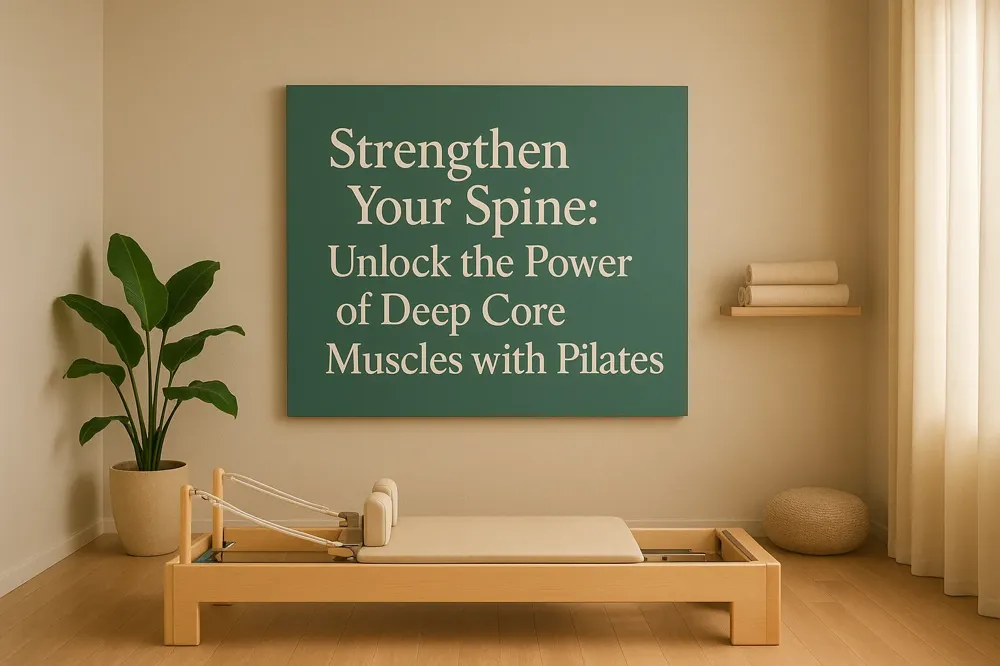
Pilates reformer workouts utilize a specialized piece of equipment that provides adjustable resistance to challenge the muscles safely and effectively. This resistance training strengthens the deep stabilizing muscles of the core—such as the transversus abdominis, multifidus, and pelvic floor—which are crucial for spinal stability and proper posture (Core stabilization in Pilates.
Doing Pilates on the reformer enhances posture and body alignment by encouraging precise movements and controlled muscle engagement. This helps correct imbalances and supports full-body alignment, which contributes to better movement efficiency and reduces the risk of injury (Pilates for injury prevention, Benefits of Pilates.
In addition to physical benefits, reformer Pilates stimulates the nervous system by promoting body awareness and enhancing proprioception. The repetition and mindful breathing required during reformer exercises gradually rewire neural pathways, improving neuromuscular communication and movement coordination (Pilates and neural rewiring, Pilates and mind-body connection).
Consistent practice with the reformer thus leads to improved core stability, increased flexibility, and a more resilient nervous system, supporting overall health and functional movement abilities (Pilates for muscle strength and endurance, Pilates flexibility and mobility).
Comprehensive Overview: What Are the Key Benefits of Pilates?
What are the key benefits of Pilates?
Pilates offers a broad range of physical and mental health Pilates core strength benefits. It primarily enhances Core Strength in Pilates such as the abdominals, lower back, hips, and buttocks. This Pilates for Posture and Spinal Stability supports spinal stability, improves posture, and reduces back and hip pain. Additionally, Pilates improves Pilates and balance improvement, aiding Pilates for injury prevention and rehabilitation.
How adaptable is Pilates and what does its holistic approach include?
Pilates is highly adaptable to all ages and Pilates for all fitness levels, from beginners to elite athletes, including pregnant women and seniors. Its exercises can be gentle for rehabilitation or intense for athletic training. The practice emphasizes Pilates breathing techniques, fostering a Pilates and mind-body connection that supports both physical and mental health.
How does Pilates improve mental and physical well-being?
Beyond physical Benefits of Pilates, Pilates promotes Pilates and Stress Relief through mindful breathing and focused movement. It enhances nervous system health by improving Neuromuscular communication in Pilates. Regular practice boosts circulation, supports immune function, increases energy, and enhances sleep quality, contributing to holistic well-being.
| Aspect | Benefits | Details |
|---|---|---|
| Core Strength | Supports spine and posture | Engages deep core muscles (Core Strength Pilates |
| Flexibility & Balance | Improves mobility and injury prevention | Enhances joint range and coordination (Improving Posture with Pilates) |
| Adaptability | Suitable for all ages and conditions | From gentle rehab to athletic training (Pilates exercise adaptations |
| Mind-Body Connection | Reduces stress and improves focus | Breathing and mindfulness (Mind-Body Coordination in Pilates) |
| Overall Health | Boosts circulation, immunity, mental health | Enhances energy and sleep (Pilates health benefits |
Conclusion: Embracing Pilates for Core and Nervous System Vitality
Pilates stands out as a holistic exercise method that strengthens the deep core muscles, enhancing spinal support, balance, and stability.
Its focus on mindful breathing and controlled movement also stimulates neural pathways, improving body awareness and motor control. This neuromuscular connection helps prevent injuries and supports recovery.
Incorporating Pilates regularly can lead to long-term benefits such as reduced back pain, improved posture, enhanced flexibility, and better mental well-being. Embracing Pilates is a powerful way to maintain core strength and optimize nervous system function throughout life.