Understanding Class 4 Laser Therapy for DDD
Class IV laser therapy is a non-invasive treatment that uses high-powered light to penetrate deep into tissues, reaching areas that low-level lasers cannot. For degenerative disc disease (DDD), this means the laser's energy can target the affected spinal discs and surrounding structures at the cellular level.
The therapy works through photobiomodulation, a process where specific wavelengths of light are absorbed by cells to stimulate repair and reduce inflammation. This article covers ten must-know facts about how Class IV laser therapy addresses DDD, from its mechanisms and benefits to how it fits into a comprehensive care plan.
Class IV Laser Therapy Key Facts
- Class IV laser therapy uses >500 mW power to penetrate deep tissues, stimulating mitochondria via photobiomodulation.
- FDA cleared Class IV lasers in 2003 for muscle and joint pain relief; they are now widely used for chronic musculoskeletal conditions.
- The therapy boosts ATP production, enhancing cellular repair and regeneration in damaged disc cells and surrounding soft tissue.
- Sessions last 2‑6 minutes per area, delivering therapeutic dose quickly without downtime or discomfort.
- Class IV laser reduces pro‑inflammatory cytokines and increases anti‑inflammatory molecules, alleviating inflammation in DDD.
- Enhanced local circulation supplies oxygen and nutrients, aiding disc hydration and waste removal.
- Typical cost per session ranges $75‑$150; premium devices (LightForce, K‑Laser) $100‑$200, with 4‑8 sessions for acute issues.
- Side effects are minimal—mild warmth, tingling, or slight redness that fade within minutes; protective eyewear is required.
- A 2015 NBCE survey reported ≈25% of U.S. chiropractors incorporate laser therapy, indicating growing adoption.
- Emerging biologic treatments (growth factor injections, stem cell therapy, PRP) may be combined with Class IV laser for synergistic DDD regeneration.
1. What Is Class 4 Laser Therapy?
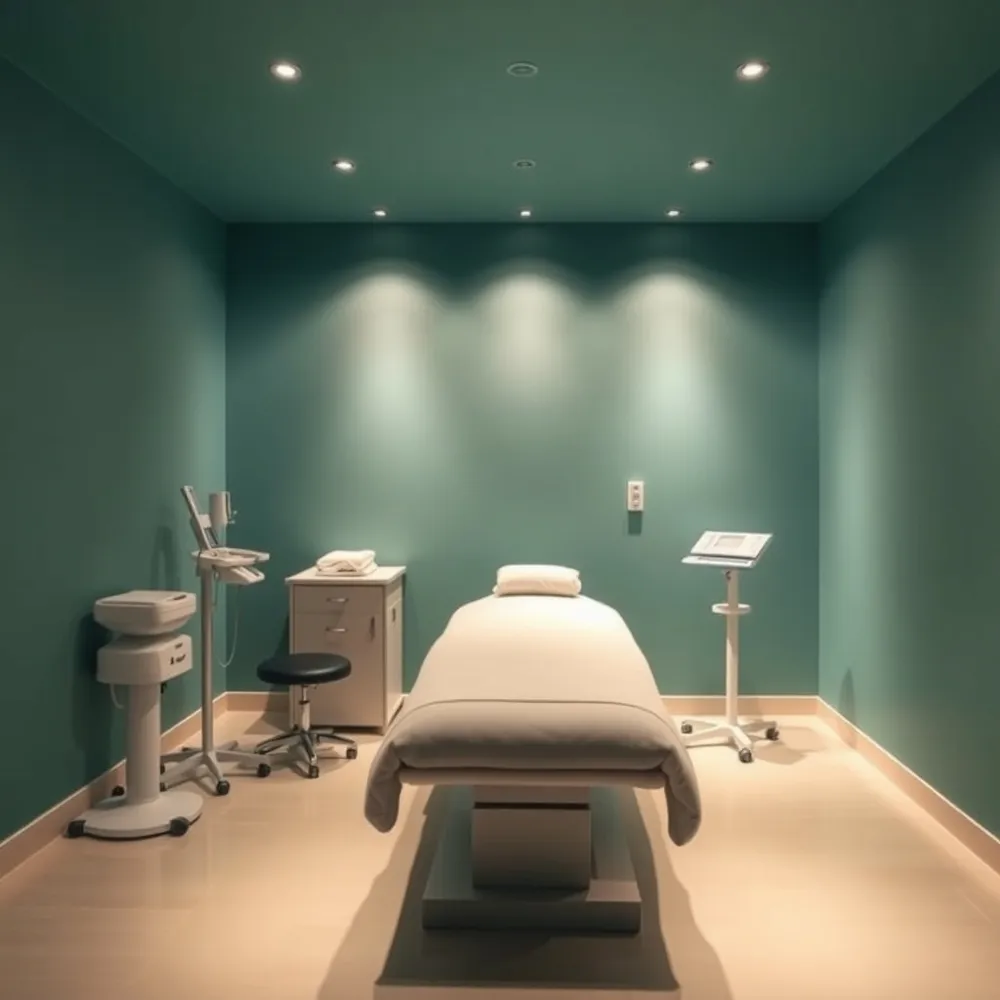 Class IV laser therapy is a non-invasive treatment that uses high-power light energy — typically above 500 milliwatts — to penetrate deep into muscles, joints, and connective tissue. The specific red and near-infrared wavelengths stimulate the mitochondria within cells through a process called photobiomodulation. This interaction boosts production of ATP (adenosine triphosphate), the molecule that fuels cellular repair and regeneration.
Compared to Class III (cold) lasers, which deliver less than 0.5 watts and work only on superficial tissues, a Class IV device can reach several inches beneath the skin. Sessions are short — typically 2 to 6 minutes per area — because the higher power delivers a therapeutic dose quickly. Patients often feel a gentle, soothing warmth during treatment with no discomfort or downtime.
The FDA cleared Class IV lasers for use in 2003 for relief of muscle and joint pain. Since then, they have become a trusted option for treating chronic and acute musculoskeletal conditions, including degenerative disc disease. At Southeast Chiropractic in Gastonia, NC, clinicians integrate this technology into individualized care plans to help patients reduce pain and improve mobility without medication or surgery.
2. How Does It Help Degenerative Disc Disease?
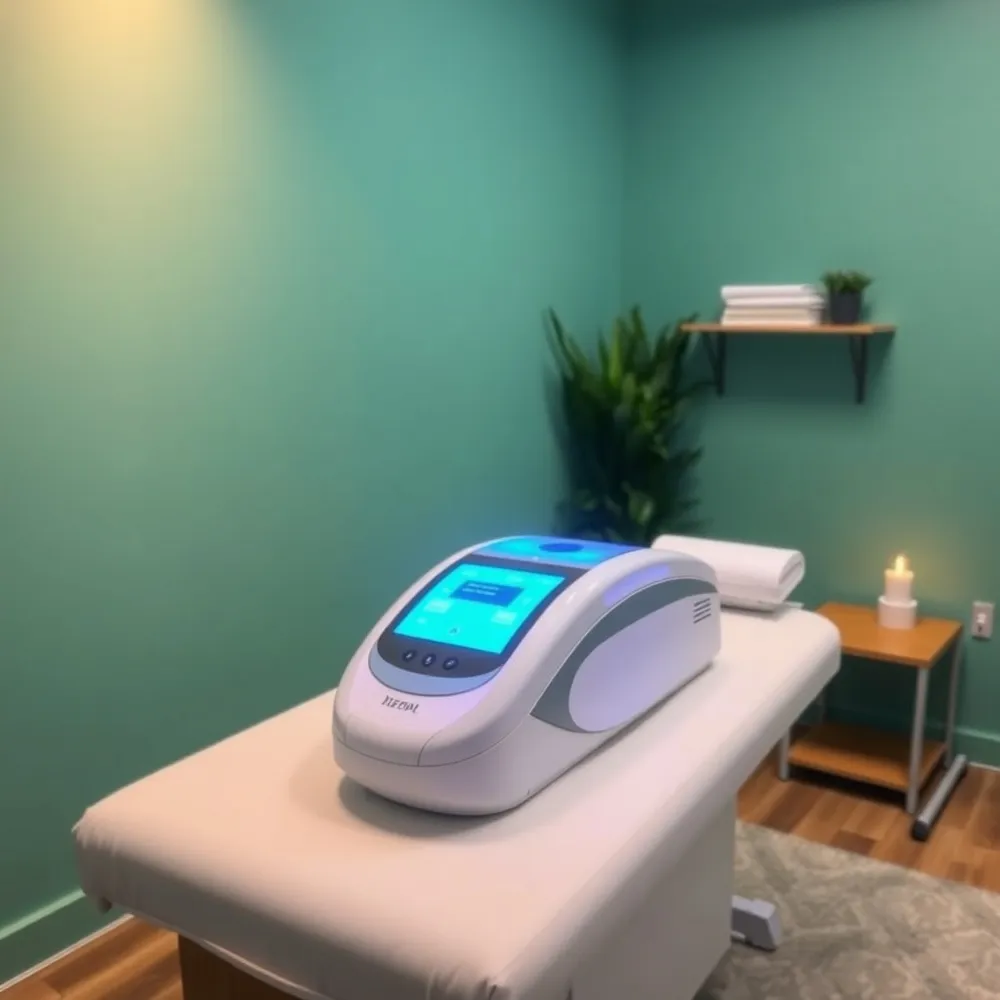 Degenerative disc disease (DDD) involves a gradual loss of hydration and height in the spinal discs. As these cushions dry out, they become less effective at absorbing shock, leading to inflammation, bone-on-bone friction, and potential nerve irritation. This process is a natural part of aging — most people over 40 show some signs of disc degeneration — but the pain and stiffness it causes can be managed.
Class IV laser therapy cannot reverse disc degeneration or cure DDD, but it directly targets the inflammation and poor cellular health that drive symptoms. The therapy works through photobiomodulation: specific wavelengths of light penetrate deep into tissues and are absorbed by mitochondria, increasing the production of adenosine triphosphate (ATP). This surge in cellular energy accelerates repair processes in damaged disc cells and surrounding soft tissues.
Enhanced blood flow is another critical mechanism. The laser stimulates local circulation, delivering oxygen and nutrients to degenerated discs while helping flush out metabolic waste and inflammatory byproducts. Improved circulation also supports the removal of scar tissue that can restrict motion. At Southeast Family Chiropractic, Class IV laser therapy is integrated into personalized care plans to reduce pain and improve mobility without relying on surgery or medications.
Managing Symptoms Without a Cure
Can degenerative disc disease be cured? No — DDD is a progressive age-related condition that cannot be reversed. But it is highly manageable. By reducing inflammation at the cellular level and stimulating tissue repair, laser therapy helps calm painful flare-ups and supports better spinal function. When combined with chiropractic adjustments and corrective exercises, many patients experience significant relief that allows them to stay active and maintain a good quality of life.
3. Key Benefits: Pain Relief, Mobility & More
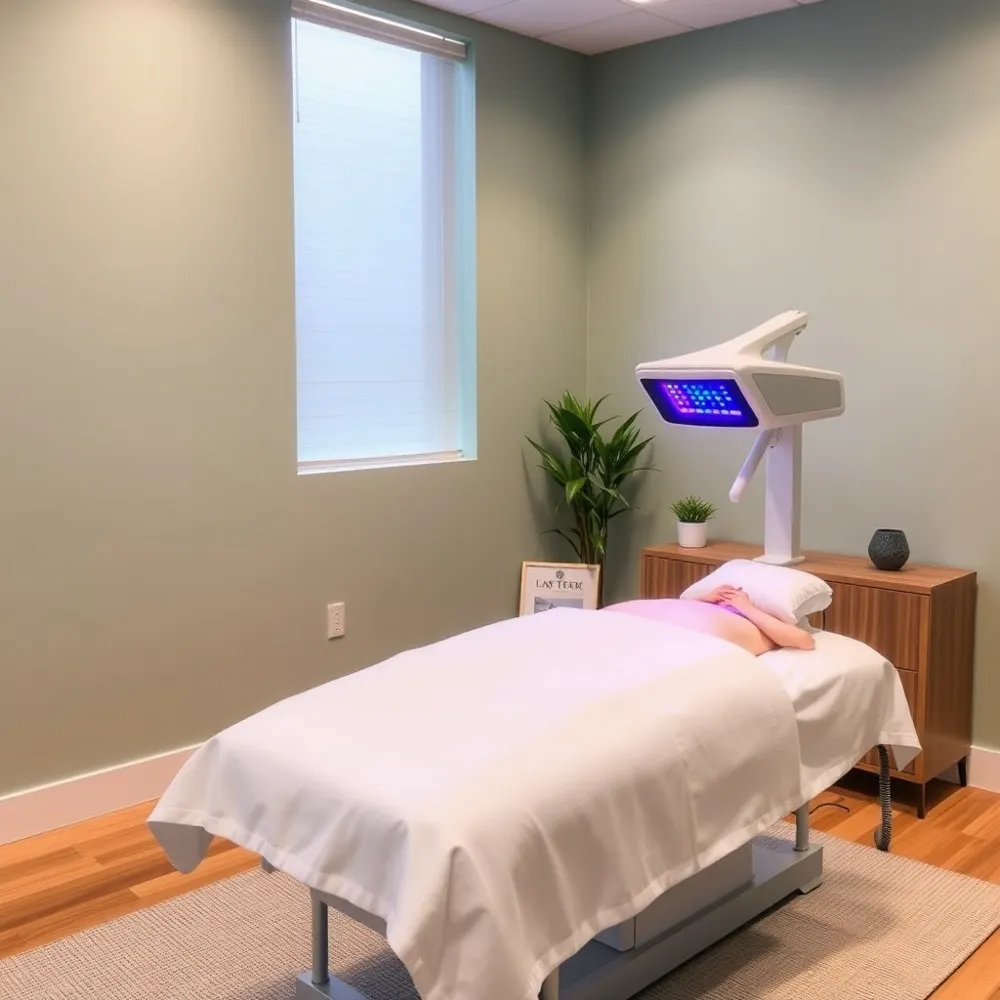 Class IV laser therapy offers a range of targeted benefits for degenerative disc disease (DDD), primarily by using photobiomodulation to stimulate cellular repair. Unlike pain medications that mask symptoms, this treatment addresses underlying issues like inflammation and poor circulation at the source.
Pain relief without medication. The high-powered light penetrates deep into tissues to calm pain signals and stimulate the release of endorphins, the body's natural painkillers. Many patients report feeling noticeable relief after the first session, with cumulative improvements over a full course of class IV laser therapy.
Reduced inflammation and swelling. Laser therapy decreases pro-inflammatory cytokines and promotes anti-inflammatory molecules at a cellular level. This helps settle the local inflammation often responsible for DDD-related pain and stiffness.
Improved range of motion. By reducing scar tissue formation and relaxing tight muscles, class IV laser therapy helps restore flexibility in the spine. Patients find it easier to bend, twist, and perform daily activities without the guarding or stiffness that DDD can cause.
Enhanced circulation and oxygenation. Specific wavelengths of infrared light stimulate blood flow to damaged areas, delivering oxygen and nutrients needed for tissue repair while flushing out inflammatory waste products. Better circulation supports faster healing and improved disc health overall.
Class IV laser therapy is non-invasive and requires no downtime — patients walk in for a session lasting just a few minutes and leave able to resume normal routines immediately. The treatment is painless; many describe only a gentle warming sensation during application.
Beyond physical relief, patients often report improved mood, mental clarity, and energy levels as chronic pain eases. At Southeast Family Chiropractic in Gastonia, NC, class IV laser therapy is integrated with chiropractic adjustments to address both the mechanical and inflammatory components of DDD. This combined approach helps patients regain mobility while avoiding reliance on medications or invasive procedures.
4. What Are the Stages of Degenerative Disc Disease?
Degenerative disc disease progresses through four distinct stages: dysfunction, dehydration, stabilization, and collapse. Understanding these stages helps patients and clinicians choose the most effective treatments at each point.
Stage 1: Dysfunction
In the dysfunction stage, subtle changes in spinal curvature begin to occur. This phase is often painless, but the discs are starting to lose their normal flexibility and shape.
Stage 2: Dehydration
During dehydration, the discs lose water content and height. Patients may experience mild discomfort as the shock-absorbing capacity of the spine diminishes.
Stage 3: Stabilization
The stabilization stage involves bulging or prolapse of the disc material, which can press on nearby nerves. Pain becomes more persistent, and mobility may be noticeably reduced. For those in this stage, Class IV laser therapy can help reduce inflammation and support tissue repair without surgery.
Stage 4: Collapse
In the collapse stage, discs herniate or rupture, leading to severe pain and neurological symptoms like numbness or weakness in the limbs. The spine attempts to self-repair by forming bone spurs (osteophytes), which can further restrict movement.
Why Stage Awareness Matters
Early intervention during dysfunction or dehydration may slow progression and preserve function. At Southeast Family Chiropractic in Gastonia, NC, providers assess each patient's stage before recommending a treatment plan that may combine Class IV laser therapy with chiropractic adjustments to manage symptoms while avoiding invasive procedures.
5. What to Avoid with Degenerative Disc Disease
Managing degenerative disc disease involves knowing what activities and habits make symptoms worse. High-impact sports, heavy lifting, sudden twisting movements, and prolonged sitting all place excessive strain on the spinal discs and can accelerate degeneration.
Poor posture — especially slouching or forward head position — increases pressure on the discs of the cervical and lumbar spine. The Cleveland Clinic advises avoiding smoking and alcohol as well, since these impair blood flow and disc hydration.
Dietary and Lifestyle Pitfalls
Inflammatory foods like refined sugars, trans fats, white carbohydrates, and processed meats can worsen pain by promoting systemic inflammation. Replacing them with an anti-inflammatory diet — rich in vegetables, healthy fats, and lean proteins — supports disc health and reduces flare-ups.
When Conservative Care Comes First
Relying solely on pain medication or moving straight to surgery often overlooks effective noninvasive options. This is where Class IV laser therapy offers a clear advantage: it reduces inflammation at the cellular level without drugs or incisions. At Southeast Chiropractic in Gastonia, laser therapy is used alongside gentle exercise guidance so patients avoid the activities that worsen DDD while building strength around the spine.
6. Combining Laser Therapy with Chiropractic Care
Chiropractors commonly integrate Class IV laser therapy with spinal adjustments, soft tissue mobilization, and corrective exercises to address degenerative disc disease from multiple angles. The laser's anti-inflammatory and pain-relieving effects prepare the tissues for manipulation, making adjustments more comfortable and often allowing for a greater range of motion during the session.
According to a 2015 survey by the National Board of Chiropractic Examiners, nearly a quarter of chiropractors in the United States incorporate laser treatment into their practices. Initial research suggests that combining low-level laser with chiropractic spinal manipulation may improve outcomes compared to either intervention alone.
Practices such as Southeast Family Chiropractic in Gastonia, NC, use Class IV laser therapy as part of an integrated plan that includes hands-on adjustments and rehabilitative exercises. This approach aims to reduce inflammation at the cellular level while also addressing mechanical alignment issues, potentially leading to faster recovery and more lasting relief for patients with degenerative disc disease.
7. How Much Does Class IV Laser Therapy Cost?
For a standard Class IV laser therapy session, the cost typically falls between $75 and $150. If your provider uses a premium device such as the LightForce or K-Laser, the price may range from $100 to $200 per session.
The total expense depends largely on how many sessions you need. Acute conditions often require 4 to 8 treatments, which could total $300 to $600. Chronic issues like degenerative disc disease generally call for more sessions, increasing the overall investment.
Most private insurance plans do not cover laser therapy for back pain and classify it as an elective treatment, so patients typically pay out of pocket. To help manage costs, many clinics offer package discounts for bulk sessions. At Southeast Family Chiropractic, we provide a free consultation to assess your condition and give you a personalized cost estimate before starting care.
8. Are There Side Effects?
Class IV laser therapy carries a strong safety record when administered by a trained professional. Patients rarely report anything beyond mild, temporary sensations such as gentle warmth, faint tingling, or slight redness at the treatment site. These effects typically fade within minutes after the session and reflect the body's normal healing response to photobiomodulation.
Serious complications are avoided through straightforward safety protocols. Clinicians and patients wear protective eyewear during treatment to shield the eyes from intense laser light. The procedure requires no incisions, needles, or medications, making it a low-risk option for individuals seeking pain relief without the side effects associated with drugs or surgery.
9. Can Laser Therapy Help with Neuropathy?
Neuropathy involves damage to peripheral nerves, often producing symptoms like tingling, burning sensations, numbness, and muscle weakness. These symptoms can stem from conditions such as diabetes, injury, or chronic compression of nerve roots — a common complication of advanced degenerative disc disease when bulging discs irritate nearby nerves.
Class IV laser therapy addresses neuropathic pain through multiple mechanisms. The infrared light stimulates the release of endorphins, the body's natural painkillers, while simultaneously reducing inflammation around affected nerves. This dual action helps calm sensitized pain pathways and provides a non-invasive alternative to medications for managing chronic nerve discomfort.
Beyond symptom relief, Class IV laser therapy promotes actual nerve regeneration by enhancing cellular energy (ATP) production within nerve cells and improving local blood circulation. Better oxygenation and nutrient delivery support the repair of damaged nerve fibers over time. Many patients at clinics like southeastchiro.com report significant reductions in tingling and weakness after completing a series of treatment sessions.
10. Newest Treatments for Degenerative Disc Disease
The treatment landscape for degenerative disc disease is shifting toward bioactive therapies that aim to regenerate disc tissue rather than only manage symptoms. Growth factor injections, stem cell therapy, and platelet-rich plasma (PRP) are among the emerging options being studied for their ability to stimulate the body's natural repair processes within damaged spinal discs.
Recent research on biologics focuses on restoring disc height and reducing inflammation at the source. These therapies work by delivering concentrated healing factors directly to the degenerated disc, potentially slowing or reversing some of the structural changes seen with aging. While still evolving, this area of regenerative medicine offers a promising direction for patients who want to avoid surgery.
Class IV laser therapy stands as a leading non-invasive option that works synergistically with these newer biologic approaches. By using photobiomodulation to increase ATP production and improve blood flow, laser therapy prepares the tissue environment for regenerative treatments to work more effectively. Studies show combining laser with rehabilitative care can lead to 20% to 30% improvements in pain and disability scores.
Conservative care continues to advance alongside these innovations. Practices like Southeast Chiropractic in Gastonia integrate Class IV laser therapy with chiropractic adjustments and corrective exercises, offering patients a comprehensive plan that supports spinal health without requiring incisions or downtime. For those diagnosed with DDD, these combined approaches provide realistic hope for improved function and quality of life.
Best Pain Relief for Degenerative Disc Disease
For many people, the first line of defense against degenerative disc disease (DDD) pain is over-the-counter medication. Nonsteroidal anti-inflammatory drugs (NSAIDs) such as ibuprofen and naproxen reduce inflammation around the affected discs, while acetaminophen blocks pain signals in the brain. Topical creams containing menthol or capsaicin, as well as heat wraps, can provide localized relief without the systemic effects of oral medication.
Pain relievers work best when paired with a prescribed exercise program and consistent self-care. Gentle stretching, low-impact aerobic activity like walking or swimming, and core-strengthening exercises help stabilize the spine and reduce strain on degenerated discs. The University of Michigan Health notes that physical therapy and targeted exercises are a standard part of non-surgical management for DDD.
Building a Multimodal Strategy
Because DDD is a progressive condition related to aging, no single treatment works for everyone. A comprehensive approach typically includes lifestyle modifications (maintaining a healthy weight, avoiding smoking), physical therapy, and non-invasive treatments such as Class IV laser therapy. At Southeast Chiropractic in Gastonia, NC, Class IV laser therapy is used alongside chiropractic adjustments to reduce inflammation and stimulate cellular repair in degenerated discs.
OTC Medications. Acetaminophen and NSAIDs address pain and inflammation at the source.
Prescribed Exercise. Physical therapy strengthens supporting muscles to take pressure off the spine.
Laser Therapy. Class IV laser penetrates deep tissues to reduce inflammation and promote healing.
Low-level laser therapy has been shown in randomized controlled studies to produce clinically significant improvements in back pain compared to sham treatment. While results vary by individual, a multimodal strategy that combines medication, exercise, self-care, and therapies like Class IV laser offers the most balanced and sustainable path to relief for degenerative disc disease.
Chiropractic Services in Gastonia, NC
Gastonia residents have access to a broad range of chiropractic services designed to address everything from back pain and headaches to sciatica and vertigo. Clinics offer both manual adjustments and instrument-assisted methods using tools like the Sigma ProAdjuster and the Activator Method. These techniques allow for precise, gentle corrections suited to each patient's needs.
Beyond adjustments, many Gastonia practices integrate therapies such as Class IV laser therapy, massage therapy (including prenatal, hot stone, sports, and Thai modalities), and spinal decompression therapy. Patients may also receive corrective exercises, electrical stimulation, custom foot orthotics, and thermal imaging for diagnostic insight. This breadth of options lets providers build non-invasive treatment plans for disc issues, auto injuries, work-related strains, extremity pain, and family or prenatal chiropractic care.
Southeast Chiropractic in Gastonia tailors these services into personalized care plans that target the root cause of each patient's symptoms. By combining instrument-assisted adjustments with therapeutic modalities such as laser therapy and corrective exercise, the clinic addresses chronic conditions like back pain, neck pain, headaches, sciatica, and vertigo without relying on surgery or medication. Each plan is built around a patient's specific history and movement patterns.
The emphasis throughout Gastonia's chiropractic offerings is on non-invasive care that supports the body's natural healing abilities. Whether a patient needs short-term relief from an acute injury or ongoing management of a degenerative condition like DDD, the available services provide structured pathways to improved mobility and quality of life.
Take the Next Step Toward Relief
Class IV laser therapy offers a safe, non-invasive path to managing degenerative disc disease by reducing inflammation, improving mobility, and supporting tissue repair at the cellular level.
Southeast Family Chiropractic combines this advanced treatment with tailored chiropractic care to address your specific needs. Schedule a consultation in Gastonia today and take the first step toward lasting comfort and a better quality of life.