Why Prompt Care Matters
Nerve pain after a car accident often manifests as tingling, burning, numbness, or shooting sensations caused by swelling, inflammation, or direct compression of spinal and peripheral nerves. Recognizing these signals early is crucial because untreated nerve irritation can progress to chronic neuropathy, muscle weakness, and functional loss. Prompt evaluation—ideally within the first 48‑72 hours—allows clinicians to rule out serious injuries, begin anti‑inflammatory measures such as ice, NSAIDs, and gentle positioning, and start targeted therapies like chiropractic adjustments or physical‑therapy nerve‑gliding exercises. Early intervention reduces swelling, restores proper alignment, improves blood flow, and prevents scar tissue from adhering to nerves, thereby shortening recovery time and lowering the risk of long‑term disability.
1. Reduce Inflammation with Ice and Heat
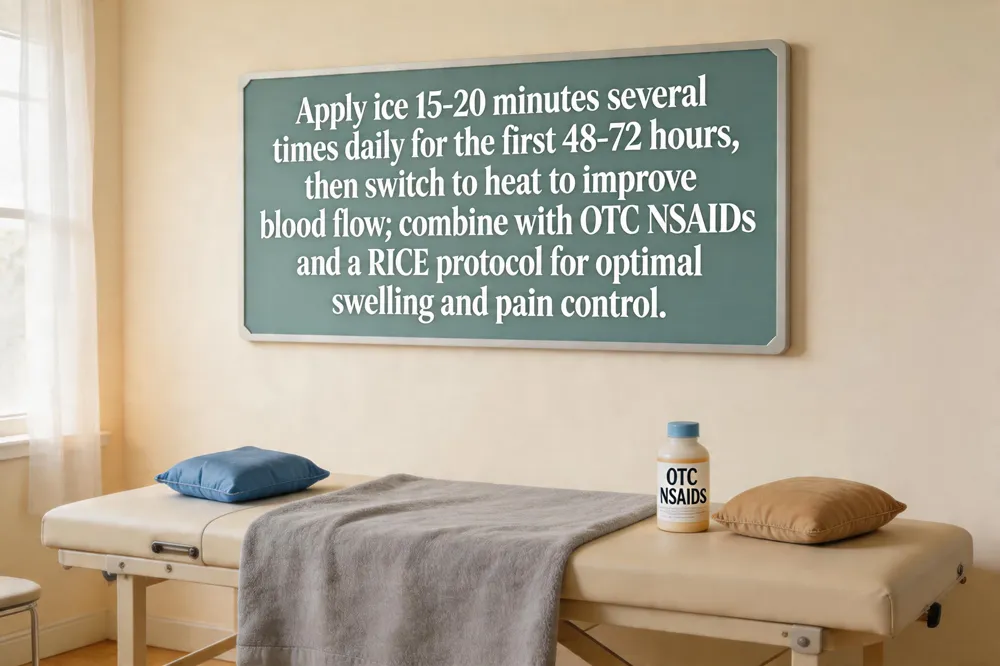 Cold therapy (ice packs for 15‑20 minutes, several times daily during the first 48‑72 hours) quickly curbs swelling and numbs acute nerve irritation. After 72 hours, switch to heat therapy—warm compresses or heating pads to increase blood flow, relax tight muscles, and ease lingering nerve discomfort. Over‑the‑counter anti‑inflammatory medications such as ibuprofen or naproxen can be taken as directed to further reduce inflammation and pain.
Delayed pain after accident – It is common for pain to appear days or weeks later as adrenaline fades and inflammation builds. This often signals micro‑injuries like whiplash or early disc irritation. Prompt chiropractic assessment can identify the source, apply gentle adjustments, and begin targeted therapies before chronic pain develops.
How to reduce body pain after an accident? – Begin with RICE (rest, ice, compression, elevation) for the first 48 hours, then alternate ice and heat (15‑20 minutes each) several times daily. Add OTC NSAIDs, gentle massage, therapeutic ultrasound, and a structured home‑exercise program. A qualified chiropractor can assess spinal alignment, perform adjustments, and incorporate laser or other modalities to further diminish pain and restore mobility.
2. Gentle Movement and Nerve‑Gliding Exercises
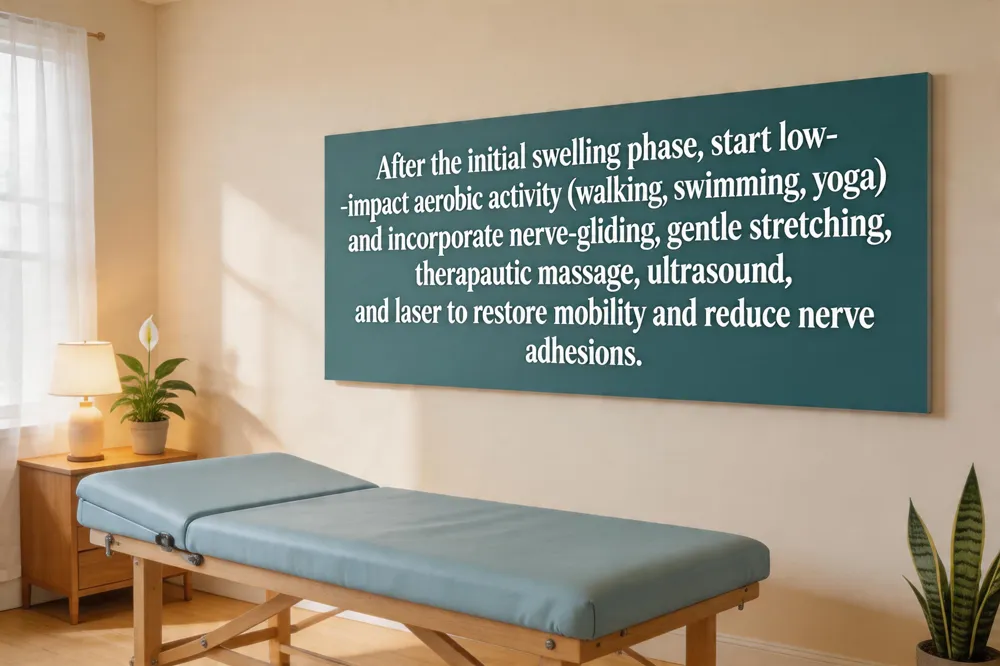 Gentle stretching and low‑impact aerobic activity (walking, swimming, yoga) restore circulation and prevent stiffness after the initial 48‑72‑hour swelling phase. Nerve‑gliding (neurodynamic) exercises safely mobilize irritated nerves, reducing adhesions and promoting normal glide. Physical‑therapy modalities such as manual therapy, therapeutic ultrasound, and laser therapy further decrease inflammation and improve blood flow to damaged tissues. A gradual return to daily activity—starting with short, controlled movements and progressing under professional supervision—helps rebuild strength while protecting healing nerves.
Muscle strain after accident A muscle strain from an auto accident occurs when sudden, forceful movements stretch or tear muscle fibers, causing pain, bruising, and limited motion. Initial care includes rest, ice, and OTC NSAIDs, followed by gentle stretching, therapeutic massage, ultrasound, or laser therapy to promote healing. Persistent or severe pain warrants a professional evaluation.
How to treat nerve damage from a car accident? Early evaluation for numbness, tingling, or weakness guides treatment. A multidisciplinary plan combines targeted physical therapy, soft‑tissue work, gentle chiropractic adjustments, nerve‑gliding exercises, heat/cold therapy, and, if needed, prescription medication. Referral for nerve conduction studies may be required for severe cases.
Delayed leg pain after car accident Delayed leg pain often stems from hidden soft‑tissue injury or sciatica due to disc irritation or spinal misalignment. Prompt assessment, imaging if needed, and a personalized rehab program—including adjustments, stretching, and strengthening—prevent chronic problems and support recovery.
3. Chiropractic Care for Alignment and Nerve Relief
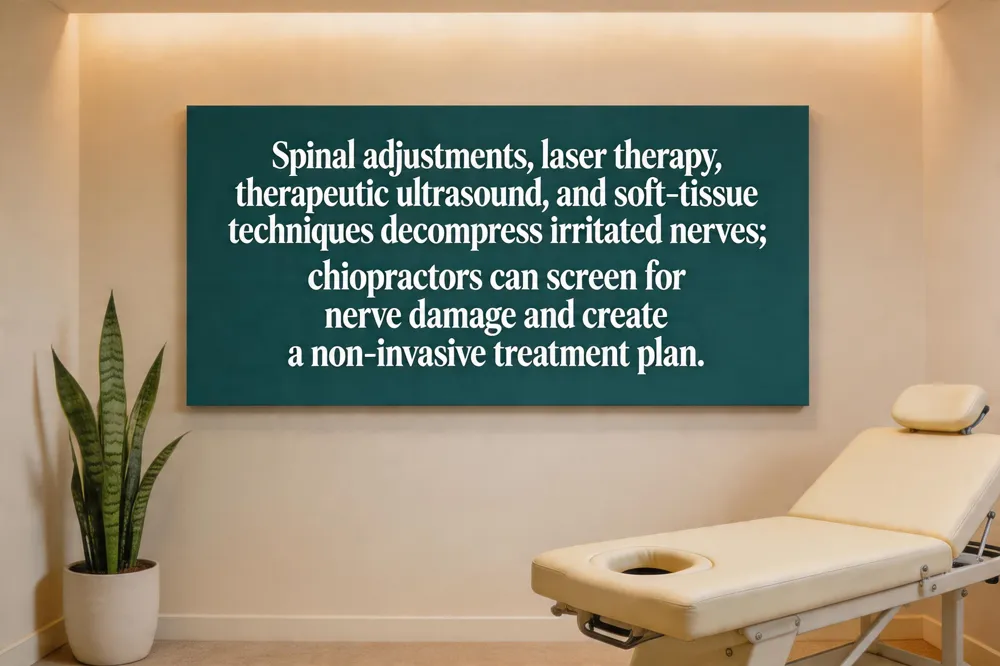 Chiropractors treat post‑collision nerve pain with spinal adjustments that restore alignment and gentle decompression to relieve pressure on irritated nerves. Laser therapy and therapeutic ultrasound improve blood flow, reduce inflammation, and accelerate tissue repair. Soft‑tissue techniques—massage, myofascial release, and targeted stretching—along with ergonomic advice (lumbar rolls, seat cushions, posture cues) help prevent re‑compression.
Q: Can a chiropractor diagnose nerve damage?
A: Yes. Through physical exams, reflex testing, and sensory checks they can screen for nerve irritation and refer for imaging or nerve studies when needed, integrating results into a non‑invasive plan.
Q: Can a chiropractor help with nerve pain from shingles?
A: Gentle adjustments, soft‑tissue work, and nerve‑gliding exercises can reduce inflammation and improve circulation in the affected dermatome, complementing antiviral medication.
Q: Foot chiropractor near me?
A: Southeast Family Chiropractic in Gastonia, NC specializes in peripheral neuropathy with adjustments, laser, and rehab.
Q: Can a chiropractor make a pinched nerve worse?
A: Properly performed care is low‑risk; untrained or forceful techniques can aggravate a pinched nerve, so a qualified practitioner must evaluate imaging and symptoms first.
4. Nutrition, Supplements, and Lifestyle
 A healing anti‑inflammatory diet—rich in omega‑3 fatty acids, berries, leafy greens, and other antioxidant‑dense foods—helps reduce systemic inflammation that can aggravate post‑collision nerve pain. Complement the diet with nerve‑supporting nutrients such as B‑vitamins (B1, B6, B12), magnesium, and alpha‑lipoic acid, all of which aid myelin repair and nerve conduction. Adequate hydration and maintaining a healthy weight lessen mechanical stress on the spine and peripheral nerves, while ergonomic supports (lumbar rolls, seat cushions, proper footwear) and mindful posture protect against further compression.
Neuropathy chiropractor near me: Looking for a neuropathy chiropractor near you? Our Gastonia, NC clinic at Southeast Family Chiropractic specializes in peripheral neuropathy, using spinal adjustments, laser therapy, and rehabilitative techniques to improve nerve function and reduce pain. Our doctors assess spinal alignment and subluxations that can affect peripheral nerves, creating a personalized, non‑invasive treatment plan. Schedule an appointment online or call us today to start your path toward relief.
Home remedies for body pain due to accident: Apply ice for the first 48‑72 hours to curb swelling, then transition to gentle heat and light stretching to promote circulation. Over‑the‑counter NSAIDs can manage mild inflammation, while natural options such as turmeric or omega‑3 supplements may be added after consulting your physician. Stay lightly active with low‑impact activities (walking, swimming, yoga) and practice deep, slow breathing to relax muscles. Support healing with a balanced, antioxidant‑rich diet, ample rest, and consistent sleep.
5. Managing Pain, Mind‑Body, and Legal Aspects
 Mind‑body techniques such as meditation, deep‑breathing, and gentle yoga help calm the nervous system, lower cortisol, and reduce perceived nerve pain after a crash. Pair these practices with sleep optimization—aim for 7‑9 hours, maintain a dark, cool bedroom, and avoid screens before bedtime—to enhance tissue repair and pain tolerance.
For personal‑injury claims, meticulous documentation is essential: keep emergency‑room reports, imaging studies, chiropractor notes, treatment logs, and receipts for all therapies. This record forms the backbone of a settlement and proves the link between the accident and nerve damage.
Settlement values depend on injury severity, medical costs, lost wages, and pain‑and‑suffering. Average payouts range from $10,000 for mild, short‑term nerve irritation to $100,000+ for permanent, debilitating damage. Chronic pain claims benefit from detailed chiropractic progress notes and expert testimony to quantify functional loss.
Emotional numbness post‑accident is a stress response; chiropractic adjustments combined with counseling can restore nervous‑system balance and mood. Consulting a qualified attorney ensures your medical evidence translates into fair compensation.
6. When to Seek Professional Help and What to Expect
 Red‑flag symptoms that demand urgent evaluation include new or worsening weakness, loss of bladder or bowel control, severe headache with vomiting, chest pain, breathing difficulty, or rapidly spreading numbness, especially in the saddle area. If you notice persistent tingling, burning, shooting pain, or unexplained muscle weakness that does not improve within a few days, seek care promptly. Imaging studies such as MRI or CT scans can reveal disc herniations, spinal fractures, or nerve compression, while nerve conduction studies and EMG track electrical activity and pinpoint damaged pathways. Referral pathways typically begin with a primary care physician or urgent‑care clinician who may order imaging and then direct you to specialists—neurologists, orthopedists, pain‑management physicians, or chiropractors—for targeted therapy.
Signs of nerve damage after a car accident often appear as lasting “pins‑and‑needles,” numbness, burning or electric‑like shooting pain, muscle weakness, or heightened sensitivity. Nerve pain can last weeks to months; mild irritation may resolve in 1‑3 months, moderate compression 3‑6 months, while severe tears may persist for years. Nerves heal at roughly 1 mm per month, so recovery time varies by injury severity and treatment speed. Chiropractors can aid foot neuropathy by correcting spinal and lower‑body alignment, reducing pressure on foot nerves, improving circulation, and supporting rehabilitation exercises, which together may lessen pain and improve function.
Your Path to Recovery
Recap the five essential tips: (1) seek prompt medical evaluation and imaging to rule out serious injury; (2) control inflammation early with ice, OTC NSAIDs, and rest; (3) restore motion using gentle stretching, low‑impact aerobic activity, and nerve‑gliding exercises; (4) address nerve compression with targeted chiropractic adjustments, soft‑tissue work, and ergonomic support; and (5) support overall nerve health through an anti‑inflammatory diet, adequate hydration, and stress‑reduction techniques. Commit to a holistic, personalized plan that blends these evidence‑based strategies, monitors progress with follow‑up visits, and adjusts modalities as needed. By integrating medical care, chiropractic care, physical therapy, nutrition, and mind‑body practices, you create a comprehensive roadmap that maximizes healing, reduces reliance on medication, and promotes long‑term functional wellness.