Introduction: Building a Foundation for Lifelong Spinal Health
Setting the Context for Spinal Health
Back pain is a pervasive issue, often cited as a leading reason for medical visits and a significant contributor to disability and healthcare costs. However, modern understanding frames it not as an inevitable part of life, but largely as a preventable condition.
Adopting a Holistic, Proactive Stance
Effective prevention moves beyond reactive treatments to embrace a holistic philosophy. This approach integrates physical, psychological, and lifestyle factors, addressing root causes like posture, movement habits, diet, and stress to build a resilient spine.
The Power of Compounded Choices
The journey to a pain-free back is built on momentum, not monumental changes. Small, consistent decisions—such as daily movement breaks, mindful posture adjustments, or regular stretching—accumulate over time to create durable spinal strength and stability.
Previewing Modern Prevention Strategies
The following sections will explore seven natural, evidence-supported pillars of a contemporary spinal health plan. These strategies are designed to empower you with practical, sustainable tools for proactive back care.
The Core Pillars of Natural Prevention
| Pillar Category | Key Focus Areas | Everyday Application |
|---|---|---|
| Movement & Activity | Targeted exercise, daily walking, functional fitness | Core strengthening routines, regular low-impact cardio |
| Posture & Ergonomics | Spinal alignment, workstation setup, body mechanics | Ergonomic chair use, screen positioning, mindful sitting |
| Mind-Body Practices | Stress reduction, nervous system regulation | Mindfulness meditation, yoga, tai chi, deep breathing |
| Diet & Nutrition | Anti-inflammatory eating, hydration, healthy weight | Incorporating omega-3s, reducing processed foods |
| Recovery & Therapy | Muscle relaxation, professional support | Heat/cold therapy, chiropractic care, massage |
| Lifestyle Habits | Activity pacing, smoking cessation, sleep hygiene | Taking regular breaks, maintaining healthy weight |
| Complementary Approaches | Non-invasive support | Acupuncture, herbal supplements, essential oils |
Key Facts on Back Pain Prevention, Management, and Emerging Trends
- Consistent exercise and regular movement are the cornerstone of back pain prevention and chronic pain management, more effective than long-term rest.
- For chronic pain, the most effective exercise programs are supervised and personalized, such as those from a physical therapist.
- Daily walking, even at a leisurely pace, significantly lowers the risk of chronic lower back pain and is recommended for at least 150 minutes weekly.
- Core strengthening exercises like planks and bridges stabilize the spine, while stretching targets like hamstrings improves flexibility and reduces strain.
- Modern posture strategy emphasizes changing positions regularly and movement breaks every 30-60 minutes over maintaining a static 'perfect' posture.
- An anti-inflammatory diet rich in omega-3s, antioxidants, and spices like turmeric, combined with hydration and weight management, supports spinal health.
- Mind-body practices like yoga, tai chi, and meditation manage pain by reducing stress, improving body awareness, and regulating the nervous system.
- Proactive lifestyle habits include optimizing sleep positions with pillows for alignment, wearing supportive footwear, and quitting smoking to improve disc health.
- A 2026 trend in chiropractic care involves personalized, data-driven plans using wearables, integrated with complementary therapies like massage and acupuncture.
- A new minimally invasive gel injection treatment (e.g., HYDRAFIL®) for degenerative disc disease aims to restore disc height and reduce pain as an alternative to surgery.
1. Master Dynamic Movement and Exercise
The Foundational Strategy
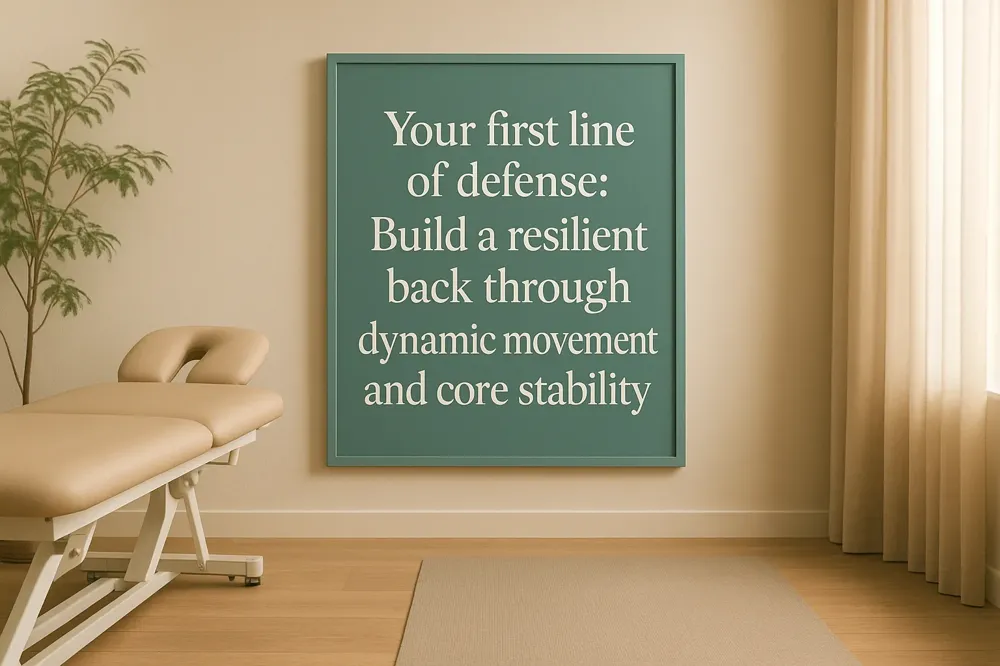
Establishing a consistent exercise routine is the cornerstone of back pain prevention and managing chronic pain. It should be the first-line treatment options for non-specific LBP strategy explored, offering a proactive approach to building a resilient back. Regular movement is more effective than long-term rest for managing existing pain and is crucial for preventive wellness and small consistent choices and prevent back pain from starting in the first place.
Personalized and Supervised Programs
For those with chronic back pain, the most effective exercise programs for back pain are those designed specifically for the individual. Supervision from a physical therapy for lower back pain professional can ensure exercises are performed safely and correctly. A professional can tailor a personalized treatment plans for back pain that respects your body's limits and pain tolerance while progressively building strength and flexibility.
Daily Aerobic Movement
Incorporating daily walking lowers back pain risk is vital. Studies show that even a leisurely pace walking prevents chronic back pain significantly lowers the risk of chronic lower back pain. Aim for at least 150 minutes of moderate aerobic exercise each week. This improves blood flow, promotes healing, and helps manage weight for back health, which reduces pressure on the spine.
Core Strengthening for Stability
Core exercises to stabilize the spine that support the spine is a primary prevention goal. Exercises that target the abdomen, lower back, hips, and pelvis create a natural corset. Recommended routines include:
- Planks for strengthening core muscles with planks and bridges.
- Bridges to strengthen the glutes and lower back.
- Bird-dog exercises to improve stability and coordination.
Stretching and Flexibility
Tight muscles can pull the spine out of alignment and contribute to pain. A daily stretching routine for back pain relief improves flexibility, reduces muscle tension, and promotes better posture. Key stretches to incorporate are:
- Cat-Cow Pose to gently mobilize the entire spine.
- Child's Pose to stretch the lower back and hips.
- Hamstring Stretches, as tight hamstrings are a known contributor to lower back strain.
The Modern Trend: Functional and Mindful Movement
Current trends emphasize functional movement, mobility, and body awareness for preventing back pain. This somatic approach focuses on listening to your body, improving movement intelligence, and regulating the nervous system. It supports sustainable activity that prioritizes spinal health and longevity.
Low-Impact Options for Accessibility
For individuals with limited mobility or high sensitivity, low-impact options provide a safe entry point. Swimming and water-based exercises reduce gravity's strain while building strength. Yoga for back pain and Tai Chi for chronic low back pain combine gentle stretching exercises for back pain relief, improving pain tolerance, function, and flexibility.
| Core Component | Key Activities | Primary Benefits |
|---|---|---|
| Daily Aerobic Activity | Walking, swimming, stationary cycling | Improves circulation, aids weight management, reduces pain risk. |
| Core Strengthening | Planks, bridges, pelvic tilts, bird-dogs | Stabilizes the spine, improves posture, prevents injury. |
| Stretching & Flexibility | Cat-cow, child's pose, hamstring stretches | Reduces muscle tension, improves range of motion, enhances posture. |
| Mind-Body Practices | Yoga, Tai Chi, somatic movement | Increases body awareness, manages stress, promotes functional mobility. |
| Professional Guidance | Physical therapy for back pain, supervised programs | Ensures safety, provides personalized routines, aids in nonsurgical management. |
2. Adopt Proactive Posture and Ergonomic Habits
Understanding Posture's Role
Poor posture is a primary culprit behind persistent back pain. Slouching or sitting incorrectly for prolonged periods places uneven stress on the spine's muscles, ligaments, and discs. Over time, this can lead to chronic discomfort, muscle strain, and misalignment. While perfect posture is a goal, recent workplace health guidance emphasizes movement variety over static perfection.
The Modern Movement Philosophy
The goal is not to hold a single 'perfect' posture all day. Instead, the key is to change positions regularly. Alternating between sitting and standing, shifting weight, and taking micro-breaks are more beneficial for spinal health than remaining rigidly aligned in one position. This dynamic approach prevents strain by distributing pressure more evenly across spinal structures.
Ergonomic Workspace Essentials
Creating a supportive work environment is a foundational step. An ergonomic chair with adjustable lumbar support is essential to maintain the spine's natural curve. Set your chair height so your feet rest flat on the floor and your knees are level with your hips. Your elbows should be at about a 90-degree angle while typing. Position your computer monitor at or just below eye level and about an arm's length away to prevent neck strain. Standing desks are valuable tools, allowing you to alternate between sitting and standing postures throughout the day.
Movement Breaks Are Non-Negotiable
Sitting puts significantly more pressure on the spine than standing. To counteract this, set a timer to take a movement break every 30 to 60 minutes. Stand up, walk around, and perform simple stretches like shoulder rolls or a gentle back arch. These breaks alleviate tension, promote blood circulation, and prevent the stiffness that contributes to pain. Regular movement is a simple yet powerful habit for long-term back health.
Proper Lifting Technique
Improper lifting is a common cause of acute back injury. The correct technique protects your spine. Always bend at your knees, not your waist. Keep your back straight and hold the object close to your body. Use your powerful leg muscles to lift, not your back. For heavy items, always ask for help. This method minimizes strain on spinal joints and supporting muscles.
Quick Reference: Essential Ergonomic Habits
| Activity | Key Action | Benefit | Common Mistake to Avoid |
|---|---|---|---|
| Sitting | Use lumbar support; feet flat; knees at hip height. | Maintains spinal curvature; reduces disc pressure. | Slouching forward; feet dangling. |
| Standing | Distribute weight evenly; ears aligned over shoulders. | Promotes even spinal alignment; reduces muscle fatigue. | Leaning on one leg; forward head posture. |
| Working | Place monitor at eye level; take breaks every 30-60 min. | Prevents neck and shoulder strain; prevents static posture. | Working for hours without standing up or stretching. |
| Lifting | Bend knees; keep back straight; lift with legs. | Engages strong leg muscles; protects spine from injury. | Bending at the waist with straight legs. |
3. Nourish Your Spine with an Anti-Inflammatory Diet

What anti-inflammatory foods can help with back pain?
The food you eat directly influences inflammation in your body, which can either worsen or relieve back pain. Diets high in trans fats, refined sugars, and processed foods promote inflammation, potentially contributing to chronic discomfort.
In contrast, incorporating specific anti-inflammatory foods for back pain can help reduce spinal inflammation and support overall back health. These foods work by supplying nutrients that combat oxidative stress and soothe irritated tissues.
| Category | Key Food Examples | Primary Anti-Inflammatory Compound |
|---|---|---|
| Fatty Fish | Salmon, mackerel, sardines | Omega-3 fatty acids |
| Spices & Herbs | Turmeric (curcumin), ginger, rosemary | Curcumin, gingerols |
| Fruits & Berries | Blueberries, cherries, oranges | Anthocyanins, Vitamin C |
| Leafy Greens | Spinach, kale, Swiss chard | Antioxidants, Magnesium |
| Healthy Fats | Extra virgin olive oil, walnuts, flaxseeds | Polyphenols, ALA omega-3s |
Hydration and weight management
Maintaining a healthy weight is a critical component of nutritional support for the spine. Excess body weight increases the mechanical load and pressure on spinal discs and joints, raising the risk of pain.
Alongside a balanced diet, proper hydration is essential for spinal health. Drinking sufficient water helps keep the intervertebral discs lubricated and pliable, preventing stiffness that can contribute to discomfort.
Practical dietary strategies
Start by integrating anti-inflammatory foods into your daily meals and snacks. Aim to fill half your plate with colorful vegetables and fruits, choose lean proteins like fish, and use herbs and spices for flavor instead of excess salt or sugar.
Limiting processed items, added sugars, and refined carbohydrates is equally important. These dietary shifts, combined with staying hydrated, form a powerful, natural strategy for managing chronic back pain.
Personalized treatment plans are becoming a key trend in holistic care. Consulting a healthcare professional or a registered dietitian can help tailor an anti-inflammatory diet for pain eating plan to your specific needs and lifestyle for optimal spinal health.
4. Integrate Mind-Body Practices for Stress and Pain Management
How are stress and back pain connected?
Chronic stress and burnout are established contributors to musculoskeletal tension and back pain. Prolonged stress creates a physical response, often leading to tightened back, shoulder, and neck muscles. This constant tension can strain spinal ligaments, alter posture, and contribute to chronic pain cycles. Managing stress is not just beneficial for mental well-being; it's a direct strategy for physical back health.
How do mindfulness and breathing techniques help?
Mindfulness and meditation for chronic pain, and controlled breathing are powerful tools for managing the psychological and physical aspects of back pain. These practices help reduce overall stress and muscle tension by activating the body's parasympathetic nervous system, promoting relaxation. Deep breathing, such as the 4-7-8 technique (inhale for 4, hold for 7, exhale for 8), can calm the nervous system and lessen the subjective perception of pain. Regular practice fosters greater body awareness, which helps individuals recognize and correct poor posture and tension before they lead to discomfort.
What roles do Yoga and Tai Chi play?
Yoga for back pain and Tai Chi for chronic low back pain are comprehensive mind-body practices that combine gentle movement and stretching, and mental focus. They are proven to reduce pain and improve physical function for chronic lower back pain. These disciplines enhance spinal flexibility and strengthen core stabilizing muscles, and improve overall posture. The deep breathing and relaxation components inherent in both practices directly target stress, a known pain amplifier, making them effective for holistic pain management and prevention.
What are somatic fitness and ‘neurowellness’ trends?
Modern wellness trends are shifting toward somatic fitness and ‘neurowellness,’ which prioritize nervous system regulation and intelligent movement over intense exercise. Somatic work uses mindfulness and specific movements to release physical tension stored in the body from stress. These approaches increase body awareness, improve movement sustainability, and focus on core strength and spinal health as foundations for a pain-free life. This trend underscores the importance of listening to the body and moving with intention for long-term back health.
How does time in nature support back health?
Activities like mindful ‘awe walks’ in natural settings (green or blue spaces) offer significant psychological and physiological benefits. Experiencing moments of awe and connection with nature promotes emotional regulation and a sense of grounding. This positive mental state can lower systemic stress levels, thereby reducing the muscle tension and systemic inflammation that often contribute to back pain. Incorporating regular, gentle walks outdoors is a simple yet effective component of a holistic back care strategy.
Why connect emotional and physical health?
A holistic prevention strategy acknowledges the inseparable link between emotional well-being and physical health. Chronic pain is influenced by a complex interplay of physical, emotional, and social factors. Practices that improve emotional regulation—such as meditation, fostering forgiveness, and engaging in community activities—can indirectly alleviate physical pain by reducing the stress and anxiety that exacerbate it. Viewing back care through this integrated lens empowers individuals to address root causes, not just symptoms.
| Practice Category | Primary Benefit | Examples of Activities | Key Mechanism for Back Pain Relief |
|---|---|---|---|
| Mindfulness & Meditation | Reduces stress and pain perception | Deep breathing, body scan meditation | Activates relaxation response, lowers muscle tension |
| Movement Disciplines | Improves flexibility and core strength | Yoga, Tai Chi for chronic low back pain, gentle Pilates | Enhances spinal support, corrects posture, relieves tension |
| Nature & Awareness | Promotes emotional grounding | Awe walks, mindful time outdoors | Lowers systemic stress, reduces inflammation |
| Somatic Practices | Increases body awareness | Breathwork, focused movement release | Regulates nervous system, releases stored physical tension |
5. Optimize Daily Habits for Spinal Support
The Compound Effect of Consistent Choices
Preventive wellness is about momentum, where small, consistent choices in movement, spinal alignment, and nervous system health compound into meaningful improvements over time. This holistic approach considers emotional, physical, and social well-being, empowering you to carry benefits into daily routines. The goal is to build sustainable habits that support the spine and reduce the risk of chronic back pain.
Supportive Sleep Positions and Surfaces
Your sleep posture significantly impacts spinal health. For side sleeping, place a pillow between your knees to keep hips aligned and reduce lower back strain. If you sleep on your back, placing a pillow under your knees helps maintain the natural curve of your spine. These positions relieve pressure and reduce back pain. A medium-firm mattress is recommended to properly support spinal curvature throughout the night.
Choosing the Right Footwear
Footwear plays a crucial role in posture and spinal health. Shoes with good arch support and cushioning help distribute body weight evenly, reducing strain on your back. Avoid high heels, which alter your posture and gait, and overly flat shoes that lack support. Properly fitting, supportive shoes can prevent back pain and associated discomfort from daily activities.
The Critical Need for Smoking Cessation
Smoking is a major risk factor for back problems. It restricts blood flow to spinal discs, accelerating degeneration and delaying healing. Smoking also reduces calcium absorption and bone growth, increasing the risk of osteoporosis and fractures. Quitting smoking improves circulation, supports disc health, and is a vital step for long-term spinal wellness.
The Art of Pacing and Listening to Your Body
Effective lifestyle modifications for back pain involve pacing yourself. Listen to your body's signals and take breaks during strenuous chores or prolonged activity. Avoid movements or activities that you know worsen back pain. This mindful approach prevents overexertion and muscle strain, allowing for sustainable activity without triggering or escalating back discomfort.
Staying Active for Preventive Momentum
Regular, gentle activity creates preventive momentum. Daily walking lowers back pain risk. Activities like swimming and yoga for back pain keep muscles strong and flexible, improve circulation, and maintain spinal support. Consistency is key; aim for activities you enjoy to integrate movement seamlessly into your life.
Digesting Daily Habit Optimization
| Habit Category | Specific Action | Primary Spinal Benefit |
|---|---|---|
| Sleep Hygiene | Side sleep with knee pillow / Back sleep with knee pillow | Maintains spinal alignment, reduces pressure |
| Footwear Choice | Wear shoes with arch support & cushioning | Promotes even weight distribution, reduces strain |
| Tobacco Use | Quit smoking entirely | Improves disc blood flow, reduces fracture risk |
| Activity Pacing | Take breaks, avoid pain-triggering moves | Prevents overexertion and muscle strain |
| Routine Movement | Regular walking, swimming, or yoga | Strengthens muscles, maintains flexibility & support |
| Holistic Mindset | Combine small, consistent daily choices | Creates compound wellness momentum over time |
6. Leverage Proactive Chiropractic and Holistic Therapies
What are the trends for chiropractic care in 2025?
Chiropractic care is evolving into a core component of holistic healthcare. In 2025, a key trend is the creation of personalized, data-driven treatment plans. These plans use information from smart wearables for back pain monitoring and patient history to tailor care. Chiropractic is increasingly integrated with other therapies in a team-based model. This holistic approach treats the whole person, not just symptoms, focusing on total wellness and prevention. It moves beyond reactive care to become a proactive strategy for long-term health.
How is chiropractic care proactive rather than just reactive?
Traditional chiropractic often addresses pain after it starts. Modern proactive care focuses on preventing issues before they occur. Regular chiropractic care is used to maintain optimal spinal alignment and nervous system function. This reduces nerve pressure and supports the body's natural healing ability. For office workers, this involves guidance on posture, ergonomic setups, and movement habits. The goal is to correct small issues early, preventing chronic back pain and supporting an active lifestyle.
What does a lifestyle-focused chiropractic approach include?
A lifestyle-focused approach extends care beyond the clinic. Chiropractors provide personalized guidance on daily habits. This includes advice on proper sitting posture, setting up an ergonomic workstation, and taking regular movement breaks. They recommend specific stretching and strengthening exercises, like pelvic tilts or bridges, to support spinal health. This holistic strategy helps patients carry the benefits of adjustments into their daily routines, minimizing back pain risk long-term.
What complementary therapies work with chiropractic for prevention?
Several therapies complement chiropractic care for a holistic prevention strategy. Therapeutic massage relieves muscle tension, improves circulation, and targets tightness that contributes to spinal misalignment. Acupuncture involves inserting fine needles to stimulate the nervous system, promoting relaxation and natural pain relief. These modalities address both physical tension and stress, which are key contributors to back pain. When combined with adjustments, they offer a comprehensive approach to maintaining spinal health.
How are accessibility and workplace wellness changing chiropractic care?
Access to chiropractic care is expanding through new models. Telehealth services allow for virtual consultations and follow-ups, making care more accessible. Direct-to-employer wellness programs are also growing. Companies partner with chiropractors for on-site preventive screenings, posture workshops, and ergonomic assessments. These programs aim to reduce work-related musculoskeletal disorders before they start. This shift makes proactive spinal health a practical part of workplace culture and individual wellness plans.
Key Components of Modern Proactive Chiropractic Care
| Component | Primary Function | Example Application | Trend Integration |
|---|---|---|---|
| Regular Adjustments | Maintain spinal alignment, reduce nerve pressure | Diversified technique for specific vertebrae | Foundation of preventative care plans |
| Lifestyle Guidance | Integrate wellness into daily habits | Ergonomic assessments, posture correction | Part of holistic, patient-centered plans |
| Complementary Therapies | Address muscle tension and stress | Therapeutic massage, acupuncture sessions | Integrated team-based care approach |
| Data-Driven Plans | Personalize treatment using real-time insights | Wearable tech for posture/activity monitoring | 2025 trend for customized care |
| Accessibility Programs | Expand reach and preventive focus | Employer wellness workshops, telehealth consults | Growing direct-to-employer and virtual care models |
7. Utilize Modern Tools and Technology for Prevention
Embrace Wearables for Real-Time Monitoring and Feedback
Modern technology offers powerful tools to support spinal health. AI-integrated wearables for posture tracking are a top trend for 2026. These smart gadgets can monitor posture, track movement, and analyze daily activity in real time. They provide instant feedback through gentle alerts, helping users correct slouching or remember to take breaks. This technology empowers individuals to actively manage chronic pain. The collected data is also invaluable for healthcare providers to tailor chiropractic care for back pain and physical therapy for back pain plans effectively.
Leverage Virtual Reality for Engagement and Education
Virtual Reality (VR) is emerging as a novel tool for pain management and rehabilitation. VR creates immersive experiences that can distract from pain and make therapeutic exercises more engaging. It can also be used for virtual reality for pain management and patient education, helping individuals visualize their spinal health and better understand their treatment journey. By increasing patient engagement, VR supports better adherence to exercise for chronic back pain routines and pain management protocols.
Access Ongoing Support Through Telehealth
Telehealth for back pain support services have significantly improved access to care. They allow for convenient virtual consultations with chiropractors, physical therapists, and other specialists. This is especially beneficial for follow-up appointments, exercise demonstrations, and progress tracking. Telehealth facilitates consistent, ongoing support, which is crucial for the long-term management of back health and the success of prevent back pain strategies.
Integrate Technology as a Supportive Component
While technology offers remarkable support, it is most effective when used alongside foundational lifestyle strategies. Wearables, apps, and virtual tools should complement daily walking, proper posture techniques to prevent back pain, and stress reduction techniques—not replace them. Technology is a catalyst for building better habits and maintaining accountability on the path to a pain-free back.
| Technology Category | Primary Function | Key Benefit for Prevention | Example Use Case |
|---|---|---|---|
| AI Wearables | Monitors posture & activity | Provides real-time feedback & data | Alerts user to correct slouching at desk |
| Virtual Reality (VR) | Creates immersive experiences | Increases engagement in rehab | Guides user through a therapeutic game |
| Telehealth Platforms | Enables remote consultations | Improves access to expert support | Virtual session for exercise for back pain form check |
What are effective natural remedies for back pain and inflammation?
Movement as the Foundation
A foundational natural remedy for back pain is consistent, gentle movement. Structured exercise programs for back pain, particularly those supervised by a physical therapist, are highly effective. Low-impact aerobic activities like walking or swimming improve blood flow, aid healing, and help maintain a healthy weight, which reduces pressure on the spine. Targeted core-strengthening exercises, such as planks and bridges, along with flexibility work like hamstring stretches, directly support spinal stability and reduce strain.
Mind-Body Practices for Relief
Mindfulness, meditation, yoga, and tai chi are proven strategies for managing the psychological aspects of chronic pain. These practices enhance conscious control over the nervous system's response to pain, reduce stress and anxiety, and improve body awareness, which can lead to better posture and tension release. Deep breathing exercises can help calm the mind and relax muscles.
Dietary and Nutritional Support
Diet plays a significant role in managing inflammation associated with back pain. An anti-inflammatory diet rich in omega-3 fatty acids (found in fatty fish, walnuts), antioxidants (from colorful fruits and vegetables), and spices like turmeric and ginger can help reduce systemic inflammation. Staying hydrated and limiting processed foods, trans fats, and added sugars are also crucial. Maintaining a healthy weight through diet and exercise directly lessens strain on the spine.
Immediate Somatic Relief Options
For immediate, localized relief, alternating heat and cold therapy is a common and effective approach. Cold therapy, applied with ice packs for 15-20 minutes, reduces inflammation and numbs sharp pain, particularly after an injury. Heat therapy, using a heating pad or warm compress, relaxes tight muscles, increases blood flow, and soothes chronic stiffness.
Ergonomic and Postural Adjustments
Proactive lifestyle habits are essential for prevention and management. Practicing proper posture—whether sitting, standing, or lifting—distributes weight evenly and reduces strain. Ergonomic workspace setups, including chairs with lumbar support and screens at eye level, are critical. Taking regular breaks to stand, stretch, and move every 30-60 minutes counteracts the effects of prolonged sitting. Supportive footwear also helps maintain spinal alignment.
Holistic and Complementary Approaches
A holistic approach integrates these strategies with complementary therapies. Chiropractic care, including spinal adjustments and mobilization, can correct misalignments and relieve nerve pressure. Acupuncture may stimulate endorphin release and reduce inflammation. Regular massage therapy targets muscle tension and promotes relaxation. These methods focus on addressing root causes and promoting the body's natural healing ability.
| Primary Approach | Key Actions | Specific Benefits |
|---|---|---|
| Active Movement | Daily walking, core strengthening, flexibility exercises | Improves circulation, builds spinal support, enhances mobility |
| Mind-Body Connection | Yoga, meditation, tai chi, deep breathing | Reduces stress, manages pain perception, improves body awareness |
| Nutritional Support | Anti-inflammatory diet, hydration, weight management | Lowers systemic inflammation, reduces pressure on spine |
| Immediate Relief | Cold therapy for acute injury, heat therapy for stiffness | Reduces swelling, relaxes muscles, numbs pain |
| Lifestyle & Environment | Posture correction, ergonomic furniture, supportive footwear | Prevents strain, promotes spinal alignment, reduces recurrence |
What are holistic and non-surgical treatments for chronic back pain?
Understanding a Holistic Treatment Approach
Holistic treatment for chronic back pain moves beyond just managing symptoms. It aims to address root causes by integrating body, mind, and lifestyle factors. This whole-person perspective empowers individuals to manage chronic pain and reduce reliance on invasive procedures. The goal is to support the body's natural healing, improve function, and enhance overall well-being.
A Foundation of Movement and Physical Therapy
Exercise is the cornerstone of effective, non-surgical treatment. A professional assessment from a physical therapist or similar specialist leads to a personalized plan. These tailored programs focus on core strengthening, stretching for flexibility, and posture retraining. The aim is to build a stable, strong spine and improve function.
Consistency is crucial. Establishing a daily home exercise routine maintains the progress made in therapy and provides long-term stability. Even a 15-minute daily program of specific stretches and strengthening exercises can be highly effective. Professional guidance ensures exercises are safe and target your specific needs.
Integrating Mind-Body Practices
Mind-body practices are powerful tools for managing the psychological and physical aspects of chronic pain. Yoga for back pain and tai chi for pain combine gentle movement with breath control and mindfulness, improving posture, flexibility, and pain tolerance. Meditation for chronic pain and focused breathing exercises help reduce stress, which can amplify pain perception.
These practices offer a conscious way to regulate the nervous system's response to activity and discomfort. They foster a sense of control and well-being, which is vital for long-term pain management and improving quality of life.
The Role of Nutrition and Weight Management
Dietary choices directly impact inflammation and spinal health. Diets high in trans fats, refined sugars, and processed foods can promote inflammation, contributing to back pain. An anti-inflammatory diet rich in leafy greens, fatty fish, nuts, and whole grains can help reduce this inflammatory response.
Maintaining a healthy weight is also essential. Excess weight increases pressure on the spine and its supporting structures, which can worsen pain. Healthy eating supports weight management and provides the nutrients necessary for tissue repair and overall musculoskeletal health.
Utilizing Complementary Therapies
Several complementary, non-invasive therapies can provide significant relief. Acupuncture involves inserting fine needles to stimulate points that release natural painkillers. Therapeutic massage therapy targets muscle tension, improves circulation, and promotes relaxation. Other options include laser therapy and electrical nerve stimulation techniques like TENS units.
The potential benefits of these therapies often outweigh the risks, making them valuable components of a comprehensive treatment plan. They are often used alongside physical therapy and exercise to enhance recovery.
The Purpose of Injection-Based Treatments
Injection-based treatments, such as epidural steroid injections or nerve blocks, play a specific role. They are not intended as long-term solutions. Instead, they are used to temporarily reduce severe inflammation or pain. This temporary relief can be a critical bridge, allowing a patient to participate more fully in active rehabilitation, like physical therapy, and break the cycle of pain and inactivity.
A Shift in Medical Strategy: Opioids and Surgery
Current medical guidelines strongly recommend against opioids as a first-line strategy for chronic back pain. Their use is reserved for severe, short-term acute pain due to risks of tolerance, dependence, and side effects. The focus is on maximizing non-opioid, active treatments.
Similarly, surgery is considered a last resort, typically only after extensive conservative treatments have failed. It is invasive, irreversible, and does not guarantee pain relief. The modern emphasis is on personalized, non-surgical plans that combine movement, manual therapies, stress management, and lifestyle modifications for sustainable pain management and improved function.
| Treatment Category | Primary Goal | Common Examples & Actions | Expected Benefit |
|---|---|---|---|
| Movement & Physical Therapy | Build strength, improve mobility | Guided exercise for back pain, core work, posture retraining | Increased spinal stability, pain reduction |
| Mind-Body Practices | Manage stress, improve pain perception | Yoga, tai chi, meditation, deep breathing | Reduced muscle tension, better pain coping |
| Nutrition & Lifestyle | Reduce inflammation, manage weight | Anti-inflammatory diet, hydration, weight loss | Less spinal pressure, improved tissue health |
| Complementary Therapies | Provide targeted, non-drug relief | Acupuncture, massage, laser, electrical nerve stimulation | Pain relief, muscle relaxation, improved circulation |
| Injection-Based Treatments | Facilitate active rehabilitation | Epidural steroid injections, nerve blocks | Short-term pain relief to enable exercise |
What is the gel injection treatment for degenerative disc disease?
A New Minimally Invasive Procedure
The gel injection treatment represents a modern, minimally invasive treatment for back pain as an outpatient procedure designed specifically for degenerative disc disease. An example is the HYDRAFIL® System, which is under clinical evaluation. This approach aims to address disc deterioration without the need for open surgery.
The Injection Process Explained
During the procedure, a physician uses a needle to inject a proprietary, permanent hydrogel directly into the nucleus of the damaged spinal disc. The gel is implanted in a liquid state and then cooled to body temperature, where it solidifies and integrates with the patient's existing disc tissue.
Primary Goals of the Treatment
The core objectives are to restore lost disc height and volume. By doing so, the treatment seeks to improve the spinal biomechanics—how the spine moves and bears load. It also aims to reduce local inflammation, which is a significant contributor to chronic back pain in degenerative disc disease.
Reviewing the Preliminary Outcomes
Early data from international clinical studies are promising. Researchers have reported significant and sustained reductions in patient pain and disability scores over a follow-up period of up to two years. These results indicate the procedure's potential for providing long-term relief.
A Potential Surgical Alternative
This treatment is positioned as a valuable alternative to surgery for a specific patient group. It is suited for individuals suffering from chronic low back pain due to disc degeneration who are not ideal candidates for, or who wish to avoid, more invasive spinal fusion or disc replacement surgeries.
Distinction from Natural Prevention
It is crucial to understand this as a specific medical intervention. Unlike the broad natural prevention strategies—such as exercise for back pain, posture retraining, and anti-inflammatory diet for back pain—this is a targeted, implant-based therapy performed by a specialist to treat an existing, diagnosed condition.
| Treatment Aspect | Procedure Detail | Intended Outcome |
|---|---|---|
| Type | Minimally invasive outpatient | Avoids major surgery |
| Method | Needle-based hydrogel injection | Restores disc structure |
| Mechanism | Gel integration & volume restoration | Improves spinal biomechanics |
| Evidence | Promising 2-year clinical data | Reduces pain & disability |
| Patient Fit | Alternative to invasive surgery | For those not opting for fusion |
What are the emerging trends in wellness for 2026?
Shift from high-tech performance tracking to holistic well-being and emotional repair.
The wellness landscape for 2026 marks a distinct pivot away from metrics-focused fitness trackers. The focus is broadening towards a more integrated view of health. This holistic approach is evident in pain management, where personalized treatment plans for back pain and team-based pain management—integrating chiropractors, physical therapists, and wellness experts—are becoming the standard. The goal is to address the full spectrum of emotional, physical, and lifestyle factors contributing to well-being.
Backlash against over-optimization: prioritizing pleasure and mental relief over stressful data.
A growing trend is a conscious move away from stressful optimization. People are seeking wellness practices that prioritize mental relief and enjoyment over rigid data. This aligns with the recommendation of mindfulness and meditation to manage chronic pain and stress. The aim is to foster a sense of calm and pleasure, rather than focusing solely on performance benchmarks.
"Festivalization" of wellness: emphasis on communal joy, connection, and social fitness (group walks, classes).
Wellness is becoming a more social, communal experience. The rise of group-based activities like social walks, hikes, and fitness classes combats loneliness and provides motivation. This trend supports back pain prevention by making regular, gentle activity like walking more enjoyable and sustainable through community engagement.
Neurowellness: regulating the nervous system through breathwork, somatic practices, and mindfulness as central to health.
Regulating the nervous system is now recognized as foundational to physical health. Neurowellness incorporates breathwork, meditation, and somatic practices—using mindful movement to release tension. For those with chronic pain, these techniques help manage stress, which can amplify pain signals, offering a direct link between mental state and physical relief.
Integration with nature: biophilic design, 'awe walks,' benefits of blue/green spaces.
Connection with nature is a core wellness component. Biophilic design brings natural elements into living spaces, while 'awe walks' in green or blue spaces are promoted for their psychological benefits. Studies link such exposure to reduced stress, which is a known contributor to muscle tension and systemic inflammation, supporting overall spinal and muscular health.
Practical preparedness as preventive wellness.
Preventive wellness is increasingly framed as building practical resilience. This involves consistent, small choices in movement, posture, and nervous system health that compound over time. For back health, this translates to daily habits like regular movement breaks, ergonomic adjustments, and core-strengthening exercises to build a foundation that prevents back pain before it starts.
Overall direction: embodied care, community, and feeling fully alive over chasing metrics.
The overarching theme for 2026 wellness is a move toward embodied care—listening to and nurturing the body—within a community context. It's about sustainable practices that enhance the joy of movement and connection, rather than fixating on numerical goals. This direction empowers individuals to achieve long-term health through integrated, pleasurable, and socially supported routines.
| Trend | Core Focus | Example in Practice |
|---|---|---|
| Holistic Well-being | Emotional & physical repair | Team-based pain management plans |
| Anti-Optimization | Mental relief & pleasure | Mindfulness over data tracking |
| Festivalization | Communal joy & connection | Social group walks or fitness classes |
| Neurowellness | Nervous system regulation | Breathwork and somatic practices |
| Nature Integration | Biophilic design & 'awe' | Awe walks in green/blue spaces |
| Practical Preparedness | Building daily resilience | Ergonomic setups & consistent movement |
| Embodied Care | Feeling fully alive | Sustainable, pleasurable movement habits |
Conclusion: Your Proactive Path to a Healthier Back
Reiterate that preventing back pain is an active, daily commitment, not a passive hope.
Building a resilient, pain-free back is not a matter of luck but of consistent, conscious effort. The information from our sources makes it clear: back health is forged through the small, daily choices we make. Whether it's choosing to take a walk, adjust your workstation, or practice a few minutes of stretching, prevention is an active and ongoing process. Shifting from a reactive mindset of treating pain to a proactive one of maintaining wellness is the fundamental first step toward lasting relief.
Summarize the power of combining the seven strategies: movement, posture, nutrition, mind-body care, daily habits, professional support, and modern tools.
A holistic approach that integrates multiple strategies yields the most powerful results. Movement, through regular walking and targeted exercises, builds spinal support. Proper posture and ergonomics at work and home distribute strain evenly. An anti-inflammatory diet rich in whole foods reduces systemic pressure on the spine. Mind-body practices like meditation and yoga manage stress and its physical manifestations. Daily habits, from smart lifting techniques to staying hydrated, form a protective foundation. Professional chiropractic care provides expert guidance and spinal alignment. Finally, modern tools like wearables and telehealth offer support and feedback. Together, these seven pillars create a comprehensive defense against back pain.
Emphasize that these strategies work synergistically for compounded benefits.
The true strength of this approach lies in synergy. For example, consistent exercise strengthens your core, which makes maintaining good posture easier. Good posture reduces strain, making movement more comfortable and sustainable. Mindfulness practices can reduce stress-related muscle tension, allowing you to engage more fully in your exercise routine. Professional chiropractic adjustments enhance your body's response to stretching and strengthening. Each strategy reinforces the others, creating a compounding effect where the whole becomes greater than the sum of its parts, leading to more significant and sustainable improvements in your back health.
Encourage readers to start small, be consistent, and view chiropractic care as a partner in proactive wellness.
Begin with one or two manageable changes. Perhaps commit to a five-minute morning stretch or set a reminder to stand up and move every hour. Consistency over time is far more valuable than intensity in short bursts. View your chiropractor not merely as someone to see when you're in pain, but as a coach and partner in your proactive wellness journey. They can help you refine your posture, tailor exercise programs, and provide adjustments that keep your nervous system functioning optimally, supporting all your other healthy habits.
End with an empowering call to action to embrace these strategies for a stronger, more resilient back in 2026 and beyond.
Your journey to a healthier back starts now. Embrace these integrated, natural strategies as your personal blueprint for strength and vitality. By committing to this proactive path, you are investing in a future of greater mobility, less discomfort, and enhanced overall well-being. Move forward with confidence, knowing you have the knowledge and tools to build a stronger, more resilient back for the years ahead.