Why Acupuncture Matters for Modern Pain Management
Over the past two decades, the evidence base for acupuncture in chronic pain has expanded dramatically. Systematic reviews, meta‑analyses, and individual‑patient‑data studies involving nearly 20,000 participants consistently show that acupuncture reduces pain intensity for low‑back pain, neck pain, osteoarthritis, and chronic headache, with effect sizes ranging from 0.2 to 0.6 standard deviations and benefits persisting for 12 months. Clinical guidelines from the American College of Physicians, the Joint Commission, and the CDC now list acupuncture as a first‑line, non‑pharmacologic option, especially for patients seeking to avoid opioid‑related risks. This aligns naturally with chiropractic’s holistic, multimodal approach, which emphasizes spinal health, musculoskeletal balance, and patient‑centered care. Both modalities share a focus on individualized treatment plans, functional outcomes, and minimal adverse events. By integrating acupuncture, chiropractors can offer a drug‑free, evidence‑based pathway that empowers patients, reduces medication burden, and supports long‑term pain relief and well‑being.
Evidence‑Based Foundations of Acupuncture
 Acupuncture research Paper
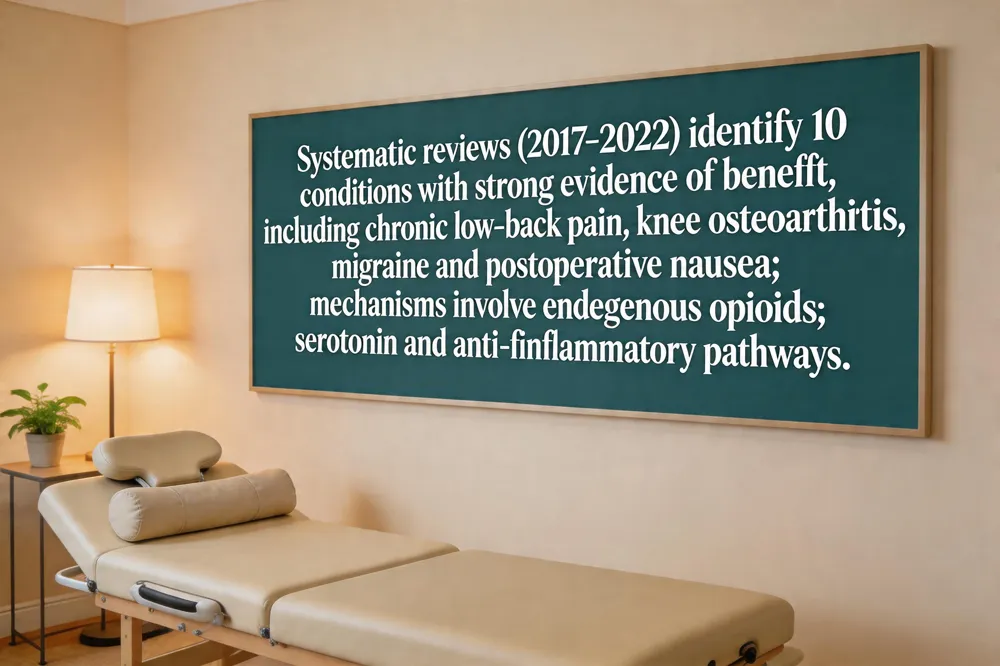
Systematic reviews and meta‑analyses (2017‑2022) covered 184 conditions. High‑quality evidence shows positive effects for chronic pain, low‑back pain, knee osteoarthritis, postoperative nausea, migraine, tension‑type headache, cancer‑related fatigue and more. Ten conditions meet “evidence of positive effect”; many others show potential benefit. Mechanistic studies report activation of endogenous opioids, serotonin pathways and anti‑inflammatory signaling, with some placebo contribution.
Evidence base for acupuncture
Large pooled analyses (~20,000 patients) report modest, consistent pain relief for chronic low‑back, neck and osteoarthritis pain, comparable to NSAIDs and superior to sham. Safety data show serious adverse events <1 per 10,000 treatments.
Acupuncture meta‑analysis
Individual‑patient‑data meta‑analyses show statistically significant pain‑score reductions (~0.97 VAS units) and benefits lasting up to 12 months, with minimal side effects.
Acupuncture for pain management
Ultra‑fine sterile needles stimulate endorphins and serotonin, reducing low‑back, neck, shoulder, knee pain, headaches, fibromyalgia and chemo‑induced nausea.
Top 10 benefits of acupuncture
Pain relief, lower opioid use, nausea control, migraine prevention, hormonal balance, mood improvement, better sleep, immune support, inflammation reduction, safe non‑pharmacologic option.
Mechanisms, Safety and Patient Selection
 Medical acupuncture works by inserting ultra‑thin, sterile needles into specific points that activate sensory receptors in nerves, muscles and connective tissue. This stimulation triggers central nervous system pathways that release endogenous opioids (β‑endorphin, enkephalins), adenosine, serotonin, norepinephrine and other neurochemicals, producing analgesia, anti‑inflammatory effects and improved blood flow. The immediate analgesic response can be seen within 30 minutes and often exceeds sham or analgesic injection effects.
Acupuncture has an extremely low adverse‑event profile. Common mild effects are transient soreness, bruising, dizziness or fatigue; serious complications such as infection, organ puncture or pneumothorax are rare (<1 in 10,000) and usually stem from non‑sterile technique or improper training. Contraindications include bleeding disorders, severe thrombocytopenia, active skin infection, implanted electronic devices, and certain pregnancy points that may induce labor.
Special populations require tailored care. Post‑lymph‑node‑removal patients can receive acupuncture, but needles should avoid the operative field and high‑risk limb to reduce lymphedema risk; distant or shallow points are preferred. Pregnant women may be treated safely when points that stimulate uterine contractions are avoided.
Acupuncture is generally well tolerated and does not cause long‑term side effects. The therapy is painless for most patients—only a brief pinprick is felt on needle insertion. Disadvantages include the need for multiple sessions, modest cost, variability in response, and the necessity of selecting a licensed, experienced practitioner. Daily acupuncture is not typical; weekly or twice‑weekly sessions are safe and effective for most conditions.
Practical Treatment Protocols and Scheduling
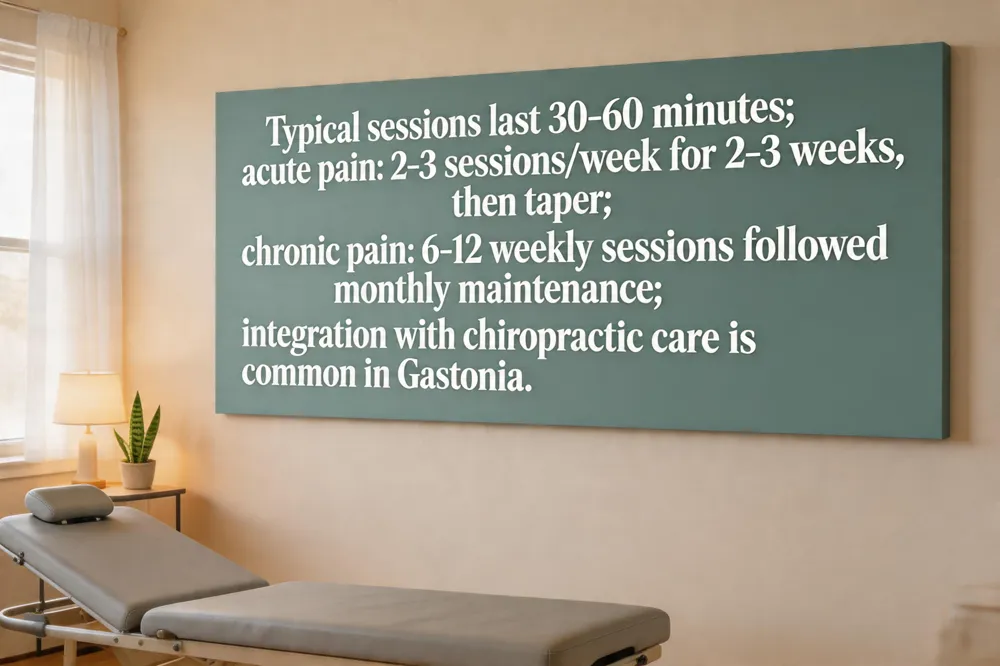 A typical acupuncture appointment lasts about 30‑60 minutes, depending on the number of points treated and the practitioner’s technique. For acute issues such as a sudden back spasm, patients often feel relief immediately or within a few days after a single session. Acute pain schedules usually involve 2‑3 sessions per week for the first 2‑3 weeks, then taper to 1‑2 times weekly as symptoms improve. Chronic pain conditions—low back pain, neck pain, osteoarthritis, migraines—generally require a course of 6‑12 weekly sessions (often 20‑30 minutes each) before noticeable improvement, followed by a maintenance phase of monthly or quarterly visits. Integration with chiropractic care is common: many clinics, such as Southeast Family Chiropractic in Gastonia, NC, coordinate acupuncture with spinal adjustments, therapeutic exercises, and other modalities, allowing patients to address muscle pain and joint dysfunction in a single location.
Acupuncture near me – Search “acupuncture near Gastonia NC” or consult the Southeast Family Chiropractic website, which partners with licensed acupuncturists using sterile single‑use needles and offers insurance‑friendly scheduling.
Acupuncture for muscle pain near me – Look for providers with musculoskeletal expertise; our clinic blends acupuncture with chiropractic adjustments to enhance blood flow and reduce tension.
Acupuncture for chronic pain near me – Certified practitioners in the Gastonia area specialize in chronic pain management and can coordinate care with chiropractic services for a holistic approach.
Acupuncture for chronic pain: individual patient data meta‑analysis – A pooled analysis of 29 high‑quality RCTs (17,922 patients) showed acupuncture significantly outperformed sham and no‑acupuncture controls (P < .001), with effect sizes of 0.23‑0.16‑0.15 SD versus sham and 0.55‑0.57‑0.42 SD versus no treatment, supporting its role as an effective non‑pharmacologic therapy.
Acupuncture for Specific Conditions and Points
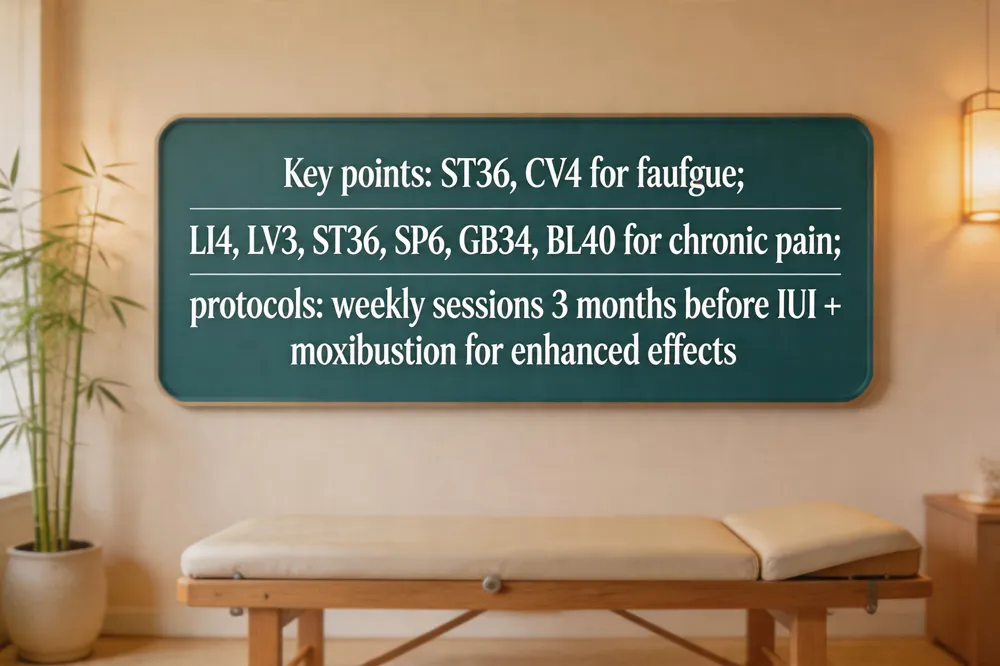 Acupuncture for chronic fatigue Random controlled trials show that needni reduces fatigue‑syndrome scores, improving heart‑rate variability and autonomic balance. Stimulating ST36 (Zusanli) activates parasympathetic tone, while CV4 (Guanyuan) modulates sympathetic activity; together they produce a robust energy boost. Adding moxibustion prolongs benefits, and the treatment is safe and minimally invasive, fitting well into a holistic chiropractic wellness plan.
How long before IUI should I do acupuncture? Evidence advises initiating acupuncture at least three months prior to the IUI cycle. Weekly (or twice‑weekly) sessions during this period allow hormonal balance, enhanced uterine blood flow, and stress reduction, factors linked to higher pregnancy rates. Frequency can shift to bi‑weekly in the final week, and continued treatment through the transfer supports uterine receptivity.
Acupuncture points for chronic pain Core points include LI4 (Large Intestine 4), LV3 (Liver 3), ST36 (Stomach 36), SP6 (Spleen 6), GB34 (Gallbladder 34), and BL40 (Bladder 40). These stimulate nervous‑system pathways, release endogenous opioids, and improve circulation, offering a non‑pharmacologic option for long‑term relief. Practitioners often combine them with modalities such as laser therapy or rehabilitative exercise for optimal outcomes.
Pain‑relief points The “Four Gates” (LI4 and LV3) address headache and facial pain, while ST36 and SP6 target musculoskeletal discomfort and inflammation. GB34 and BL40 are especially effective for knee, hip, and lower‑back pain, providing lasting analgesia without serious adverse events.
Acupuncture for chronic back pain Large NIH‑funded trials in adults over 65 and Kaiser Permanente studies demonstrate that weekly acupuncture (8–12 sessions) yields modest but meaningful pain reduction and functional improvement versus usual care. The therapy works by triggering endogenous opioids and modulating brain pain pathways, offering a safe, drug‑free alternative for patients seeking to lessen opioid reliance.
Integrating Acupuncture with Chiropractic Care in Gastonia
 At Southeast Family Chiropractic in Gastonia, North Carolina, a team‑based approach blends spinal adjustments with licensed acupuncture. Our doctors work side‑by‑side with certified acupuncturists, sharing patient records and treatment goals so that each visit addresses musculoskeletal, nervous‑system and energetic factors.
Patient pathway: First, a comprehensive assessment identifies the source of pain—back, neck, joint or headache—followed by a personalized plan that typically starts with 1‑2 acupuncture sessions per week for 6‑8 weeks, alongside chiropractic manipulation and prescribed exercises. Patients often notice relief within 30 minutes of treatment, and the schedule tapers to maintenance visits as symptoms improve.
Insurance, scheduling and follow‑up: Most major insurers, including Medicare for chronic low‑back pain, cover a series of sessions; we verify benefits at checkout. Appointments are booked easily via our online portal or by calling during business hours, and we coordinate referrals to trusted local acupuncturists when needed.
Acupuncture for pain management near me: A drug‑free, needle‑based therapy that stimulates endogenous opioids, offering rapid relief for back, neck, joint and headache pain.
Acupuncture for muscle pain near me: Thin needles increase blood flow and reduce tension in tight muscle fibers, especially effective when combined with chiropractic care.
Acupuncture for chronic pain near me: Proven non‑invasive option for longstanding back, neck, joint and arthritis discomfort, with personalized point selection and insurance‑friendly scheduling.
Acupuncture for pain management: Inserts ultra‑fine, sterile needles to trigger natural pain‑relieving chemicals; research shows modest but meaningful relief for low‑back, neck, knee, headache and fibromyalgia pain.
Acupuncture benefits: Safe, minimally invasive relief for a wide range of pain, nausea, menstrual cramps and stress‑related tension; promotes relaxation, better sleep and overall well‑being with only mild side effects.
Patient FAQs and Next Steps
 How do you know if acupuncture is working?
Patients notice a gradual decline in pain intensity, longer intervals between flare‑ups, and improved sleep or mood. Systematic reviews of 22 acute‑pain trials and large chronic‑pain meta‑analyses report measurable pain‑score reductions within 30 minutes of treatment and sustained benefits up to 12 months. A modest “healing crisis” (temporary increase in discomfort) can also signal therapeutic activity.
Scheduling, insurance, and follow‑up
Typical protocols start with 1–2 sessions per week for 6–12 weeks (≈20‑30 minutes each), then taper to monthly maintenance. Medicare now covers up to 12 sessions for chronic low‑back pain, and many private plans reimburse 40‑50 % of visits. Verify provider licensure (NCCAOM) and use FDA‑regulated sterile needles to ensure coverage.
Combining with other therapies
Acupuncture integrates well with chiropractic care, physical therapy, and exercise. Multimodal studies show combined treatment reduces opioid consumption (≈21‑29 % reduction post‑surgery) and improves functional outcomes. Patients often receive acupuncture alongside spinal adjustments, moxibustion, or behavioral counseling for a comprehensive pain‑management plan.
Next steps
Contact a licensed acupuncturist or your chiropractic clinic to schedule an initial evaluation, discuss insurance benefits, and design a personalized regimen that aligns with your health goals.
Putting Acupuncture to Work for You
Extensive systematic reviews, meta‑analyses, and individual‑patient data studies involving over 20,000 participants demonstrate that acupuncture reliably reduces chronic pain—back, neck, osteoarthritis, and headache—by 30‑50% compared with sham or no treatment, and the benefit persists for up to a year. Safety data from large surveys show serious adverse events occur in less than 1 in 10,000 insertions; most side effects are mild (bruising, transient soreness, dizziness). Because acupuncture is endorsed by the Agency for Healthcare Research and Quality, the American College of Physicians, and the Joint Commission, it can be offered alongside physical therapy, chiropractic care, and medication‑reduction strategies in an integrated pain‑management plan. If you are interested, contact our clinic’s integrative‑care coordinator at (555) 123‑4567 or email care@integrativepainclinic.org to schedule an initial consultation, discuss insurance coverage, and create a personalized treatment schedule.