Why Natural Management Matters
More than 32 million adults in the United States live with osteoarthritis, and about 58.5 million have doctor‑diagnosed arthritis, making joint disease a leading cause of disability. Non‑pharmacologic strategies—weight loss, low‑impact aerobic and strengthening exercises, anti‑inflammatory Mediterranean‑style nutrition, mind‑body practices such as tai chi and yoga, acupuncture, hydrotherapy, and chiropractic adjustments—have been shown to reduce joint load, lower inflammatory markers, improve range of motion, and enhance quality of life without the side‑effects of chronic medication use. Southeast Family Chiropractic embraces a holistic care model that combines spinal adjustments, therapeutic soft‑tissue work, personalized exercise programs, dietary guidance rich in omega‑3s, turmeric and vitamin D, and stress‑reduction techniques. This integrated, drug‑free approach empowers patients to manage pain, preserve mobility, and support overall musculoskeletal health.
Fast‑Acting Relief and Long‑Term Inflammation Control
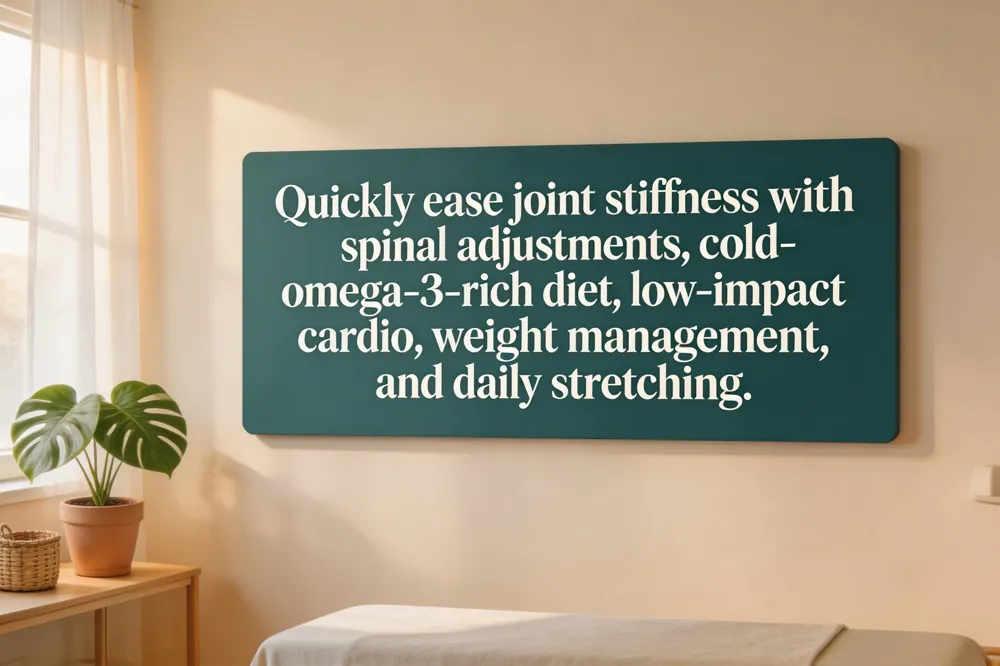 A gentle spinal adjustment paired with targeted joint mobilizations can quickly ease stiffness and pain by restoring alignment and improving circulation. For rapid inflammation control, apply a cold pack to the affected joint for 15‑20 minutes several times daily and take an anti‑inflammatory supplement such as turmeric (500‑1000 mg curcumin) or high‑quality fish‑oil (omega‑3). Adopt a Mediterranean‑style diet rich in omega‑3‑packed fish, walnuts, colorful fruits, vegetables, whole grains, and olive oil while limiting added sugars, refined carbs, and saturated fats. Low‑impact aerobic activity—walking, cycling, swimming, or hydrotherapy—keeps joints flexible and strengthens supporting muscles without overload. Maintaining a healthy weight (each pound lost reduces knee load by four pounds) and regular daily stretching with good posture further reduce joint stress. While arthritis cannot be cured, this integrated plan of chiropractic care, diet, exercise, weight management, and mind‑body practices can markedly lower inflammation and improve long‑term joint function.
Chiropractic Expertise in Gastonia, NC
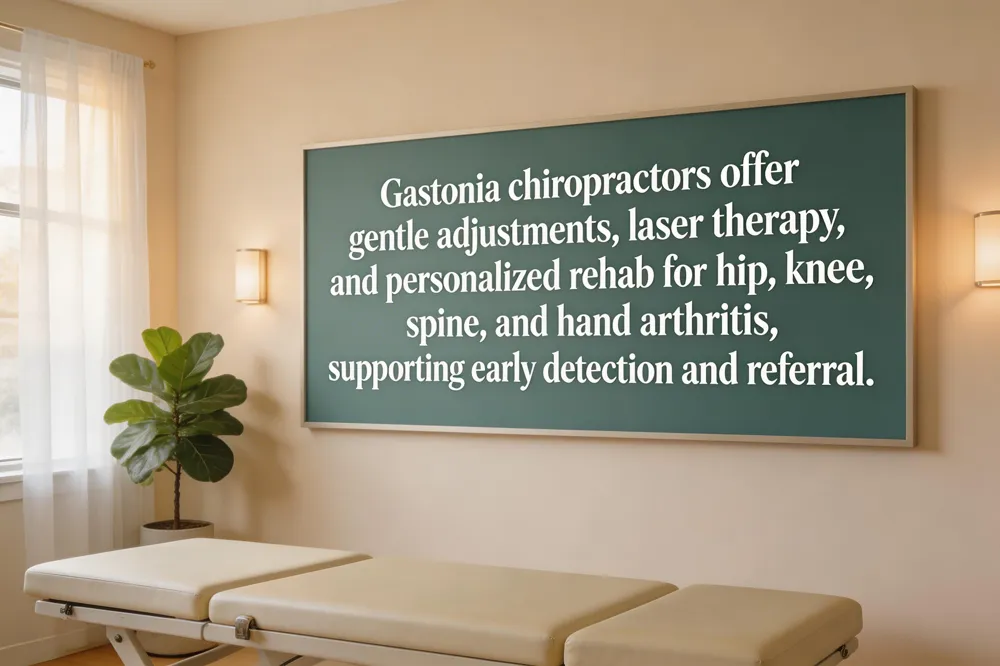 Gastonia offers several reputable chiropractic clinics that specialize in arthritis care. The Hay Clinic of Chiropractic (927 Cox Rd) provides spinal and joint adjustments, Sigma ProAdjuster, laser therapy, and personalized plans for hip, knee, and spinal arthritis. For knee pain, the Bannon Clinic of Chiropractic, P.A. (411 E Franklin Blvd) focuses on gentle adjustments, targeted rehab, and low‑level laser, offering same‑day appointments and an $80 initial consult with X‑rays. Chiropractors are trained to recognize arthritis signs during history‑taking and physical exams; they can identify early osteoarthritis, suggest imaging, and refer to specialists when needed, though they do not issue a formal medical diagnosis. Gentle, low‑force techniques are safe for rheumatoid arthritis, especially when coordinated with a rheumatologist. Chiropractic can also help cervical, hip, spinal, and hand arthritis through specific adjustments, soft‑tissue work, posture education, and therapeutic exercises, improving range of motion, reducing pain, and supporting overall joint health.
Natural and Herbal Remedies for Joint Health
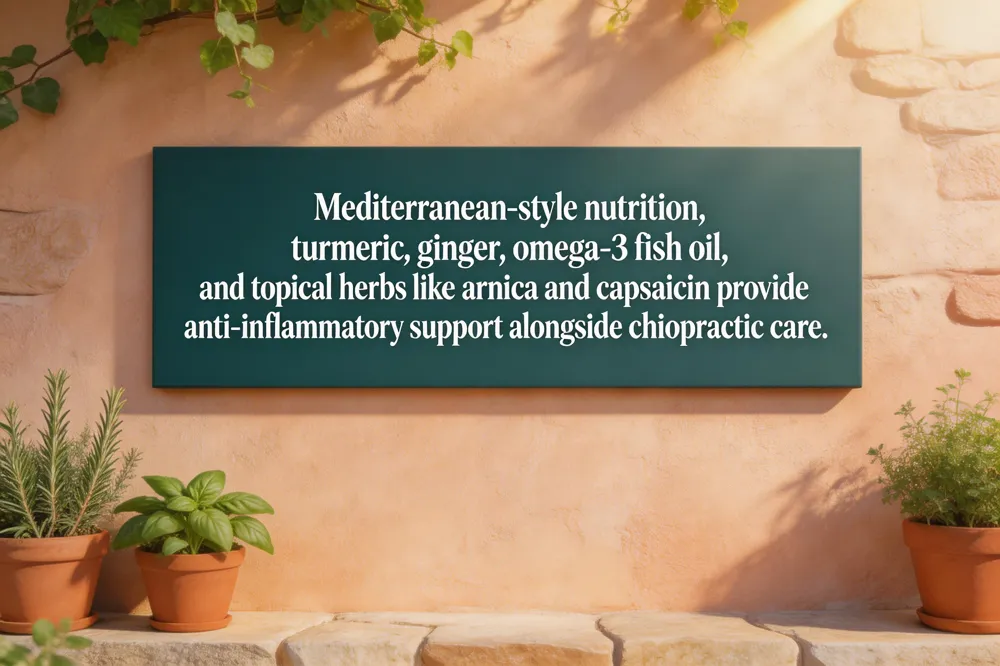 Natural remedies for arthritis in the knee? A Mediterranean diet rich in omega‑3s, turmeric, ginger, vitamin D and K foods lowers joint inflammation and slows knee‑OA progression. Weight loss is vital—each pound shed eases about four pounds of knee pressure. Low‑impact activities (walking, swimming, yoga, tai chi) improve strength, balance and range of motion without stressing the joint. Home therapies such as alternating ice‑heat packs, warm Epsom‑salt baths, and gentle stretching further reduce swelling.
Old‑time remedies for arthritis? Warm compresses, herbal teas (ginger, turmeric, green tea) and traditional herbs like stinging nettle, capsaicin‑rich chili peppers, and bee‑venom have been used for centuries to ease pain and swelling. Omega‑3‑rich fish, bromelain‑containing pineapple, and gentle joint movement complement modern chiropractic adjustments.
Topical herbs for arthritis? Arnica gel, capsaicin cream, menthol, ginger, aloe vera and turmeric (curcumin) preparations provide counter‑irritant or analgesic effects when applied to affected joints.
Natural supplements for arthritis? Omega‑3 fish‑oil, glucosamine‑chondroitin, vitamin D, curcumin (500‑1000 mg /day), ginger, willow bark, Boswellia serrata, and devil’s claw offer anti‑inflammatory benefits; use under professional guidance.
Natural remedies for joint pain and inflammation? Incorporate turmeric, ginger, Omega‑3 foods, limit added sugars and saturated fats, use topical arnica or menthol creams, and practice warm‑cold contrast baths. Pair these with regular chiropractic adjustments for comprehensive relief.
Supplements to reduce joint inflammation? Omega‑3 EPA/DHA (1‑2 g/day), curcumin with piperine (500‑1000 mg/day), bromelain (≈500 mg/day) and vitamin C (500‑1000 mg/day) have the strongest evidence; consult a healthcare provider before starting.
Non‑Surgical Knee Care Options
 Non‑surgical knee cartilage treatment? Management begins with weight loss (each pound shed removes ~4 lb of knee load) and low‑impact activity. Ice, compression, elevation and OTC NSAIDs control inflammation. A tailored PT program of gentle range‑of‑motion and quadriceps strengthening protects remaining cartilage, while low‑level laser or PRP injections supply growth factors and lubrication for tissue repair.
Knee arthritis treatment without surgery? Weight reduction and a Mediterranean‑style anti‑inflammatory diet lower systemic cytokines. Low‑impact aerobic exercise, chiropractic adjustments, and therapeutic laser improve alignment and muscle support. Topical analgesics, supportive braces, and occasional corticosteroid or hyaluronic‑acid injections address pain spikes. Supplements such as glucosamine sulfate and omega‑3s may modestly reduce symptoms.
Stage 4 arthritis knee treatment without surgery? Even advanced disease benefits from modest weight loss, aquatic therapy, and focused PT to strengthen quadriceps, hamstrings, and hip stabilizers. Chiropractic care, laser therapy and a medial unloader brace redistribute forces. Short‑term NSAIDs or steroid injections manage flare‑ups while a structured home‑exercise plan maintains function.
Non‑surgical knee relief seniors swear by? Gentle chiropractic adjustments, water‑based exercises, and balance‑training preserve mobility. PRP or hyaluronic‑acid injections reduce inflammation, and a knee brace plus weight‑management eases pressure.
New treatment for knee pain without surgery? Minimally invasive options such as genicular artery embolization or genicular nerve ablation provide pain relief within weeks, lasting up to a year. Combined with laser therapy, PRP, and chiropractic‑guided rehab, they offer a drug‑free alternative to replacement.
Knee arthritis treatment at home? Daily low‑impact activities, stretching, heat before movement, ice after, and an anti‑inflammatory diet rich in omega‑3s, fruits, and vegetables keep joints supple. Over‑the‑counter pain relievers and a supportive brace can be used for occasional flare‑ups.
Early Intervention and Long‑Term Knee Strategies
 Early knee arthritis treatment?
Early detection of knee osteoarthritis allows clinicians to intervene with gentle spinal and joint adjustments that improve alignment and reduce abnormal loading on the knee. A structured strengthening program—targeting the core, quadriceps, and hip stabilizers—enhances joint support and eases daily activities. Maintaining a healthy weight and following an anti‑inflammatory Mediterranean diet rich in omega‑3 fatty acids, fruits, and vegetables slows cartilage wear and curbs swelling. Low‑impact aerobic exercise such as walking, swimming, or stationary cycling preserves range of motion without over‑stress. Adjunctive modalities like therapeutic laser, TENS, and guided stretching further relieve discomfort and promote tissue healing.
Early knee arthritis treatment?
Early detection of knee osteoarthritis allows clinicians to intervene with gentle spinal and joint adjustments that improve alignment and reduce abnormal loading on the knee. A structured strengthening program—targeting the core, quadriceps, and hip stabilizers—enhances joint support and eases daily activities. Maintaining a healthy weight and following an anti‑inflammatory Mediterranean diet rich in omega‑3 fatty acids, fruits, and vegetables slows cartilage wear and curbs swelling. Low‑impact aerobic exercise such as walking, swimming, or stationary cycling preserves range of motion without over‑stress. Adjunctive modalities like therapeutic laser, TENS, and guided stretching further relieve discomfort and promote tissue healing.
What is the most effective treatment for knee arthritis? While total knee replacement offers permanent pain relief, it is reserved for cases where conservative care fails. Most patients achieve substantial improvement through a stepwise, minimally invasive approach: targeted physical therapy, weight‑loss strategies, anti‑inflammatory nutrition, and, when needed, NSAIDs or glucosamine supplements. If pain persists, intra‑articular corticosteroid or hyaluronic‑acid injections can reduce inflammation and improve lubrication. Chiropractic care can complement these measures by optimizing spinal alignment, enhancing biomechanics, and providing adjunctive therapies such as laser or TENS to support healing.
Foot and Ankle Arthritis – A Holistic Perspective
 How to cure arthritis in feet?
Foot arthritis cannot be completely cured, but its pain and stiffness can be dramatically reduced with a comprehensive, non‑invasive plan. Gentle foot‑specific chiropractic adjustments realign the ankle joint, relieve nerve irritation, and improve blood flow, while custom orthotic inserts redistribute pressure and support proper biomechanics.
Orthotic support Custom‑fit orthotics address arch collapse and uneven loading, reducing stress on the metatarsophalangeal and subtalar joints.
Exercise and weight control Low‑impact aerobic activities such as walking, swimming, or cycling strengthen the surrounding musculature and promote joint lubrication. A modest weight loss (5‑10 % of body weight) can cut knee‑equivalent load on the foot by up to four‑fold, easing inflammation.
Natural remedies An anti‑inflammatory Mediterranean‑style diet rich in omega‑3 fatty acids, turmeric/curcumin, ginger, and plenty of fruits and vegetables helps modulate cytokine activity. Acupuncture, when combined with chiropractic care, may further lower pain perception. Regular follow‑up with your chiropractor and physical therapist ensures the program stays effective and adapts to your progress.
Putting It All Together for a Pain‑Free Life
A truly pain‑free life starts with a coordinated plan that blends chiropractic care with proven natural therapies. At Southeast Family Chiropractic, gentle spinal adjustments restore alignment, while therapeutic exercises, massage, and low‑impact modalities such as hydrotherapy and tai chi keep joints mobile and reduce inflammation. Complementary strategies—weight‑loss programs, a Mediterranean‑style anti‑inflammatory diet rich in omega‑3s, turmeric, ginger, and plenty of fruits and vegetables—further lower joint stress and cytokine activity. Consistency is key: patients commit to daily stretching, regular low‑impact aerobic work (walking, swimming, cycling), adequate sleep, and stress‑reduction practices like mindfulness or yoga. By integrating these evidence‑based habits with chiropractic support, the body’s own healing mechanisms are maximized, leading to lasting relief and improved function. To start your personalized plan, call Southeast Family Chiropractic at (704) 555‑1234, visit www.southeastfamilychiro.com, or stop by their Gastonia office at 123 Main Street, NC 28052.