Introduction
Early chiropractic care is critical after a vehicle collision because soft‑tissue injuries, spinal misalignments, and inflammation often remain hidden until adrenaline subsides. Initiating treatment within the first 48‑72 hours helps control pain, limits scar‑tissue formation, and reduces the risk of chronic neck or back problems. A comprehensive recovery protocol begins with a detailed intake, physical exam, and, when indicated, imaging to document injury severity for both medical and legal purposes. Gentle adjustments, therapeutic modalities, and targeted rehabilitation are then introduced to restore joint motion, improve nervous‑system function, and rebuild strength. This step‑by‑step approach not only accelerates return to daily activities but also provides the documentation needed for personal‑injury claims.
Immediate Post‑Accident Care and Initial Chiropractic Evaluation
 After a collision, first ensure safety: move to a secure spot, call 911 if anyone is injured, and exchange contact and insurance information. Even if you feel fine, seek a medical assessment within the first hour because adrenaline can mask soft‑tissue injuries such as whiplash, spinal misalignments, and inflammation. At the chiropractic office the intake begins with a detailed interview about the accident, symptom timeline, and health history, followed by a focused physical exam that checks posture, range of motion, and neurological signs. When red‑flag symptoms are present, diagnostic imaging (X‑ray, MRI, CT) is ordered to document any hidden joint or disc damage, which also supports personal‑injury claims. The chiropractor then performs gentle, targeted spinal adjustments to restore alignment, reduce nerve irritation, and control inflammation. Soft‑tissue therapies—myofascial release, therapeutic massage, and electrical stimulation—address muscle spasm and improve circulation. Finally, a personalized rehabilitation plan of therapeutic exercises, posture training, and lifestyle guidance is prescribed to rebuild strength, maintain mobility, and prevent chronic pain.
Timing Is Critical: When to See a Chiropractor
 Auto‑collision injuries often hide behind adrenaline‑masked symptoms, so the optimal window for chiropractic care is as soon as possible—ideally within the first 24 to 72 hours or at least within the first few days after the crash. An early, comprehensive evaluation (history, physical exam, and imaging when red‑flags appear) can uncover soft‑tissue damage, spinal misalignments, or inflammation before they become chronic. Prompt treatment reduces pain, limits scar‑tissue formation, and supports faster return to daily activities.
Insurance implications of delay are significant. Many insurers require documentation that treatment is "reasonable and necessary" and will deny claims if care is initiated more than two months after the incident, arguing the injury is unrelated. Early appointment also creates a clear medical record that strengthens personal‑injury claims and satisfies no‑fault or PIP coverage requirements. In short, waiting longer than a few days jeopardizes both health outcomes and reimbursement eligibility.
Treatment Frequency and Expected Number of Visits
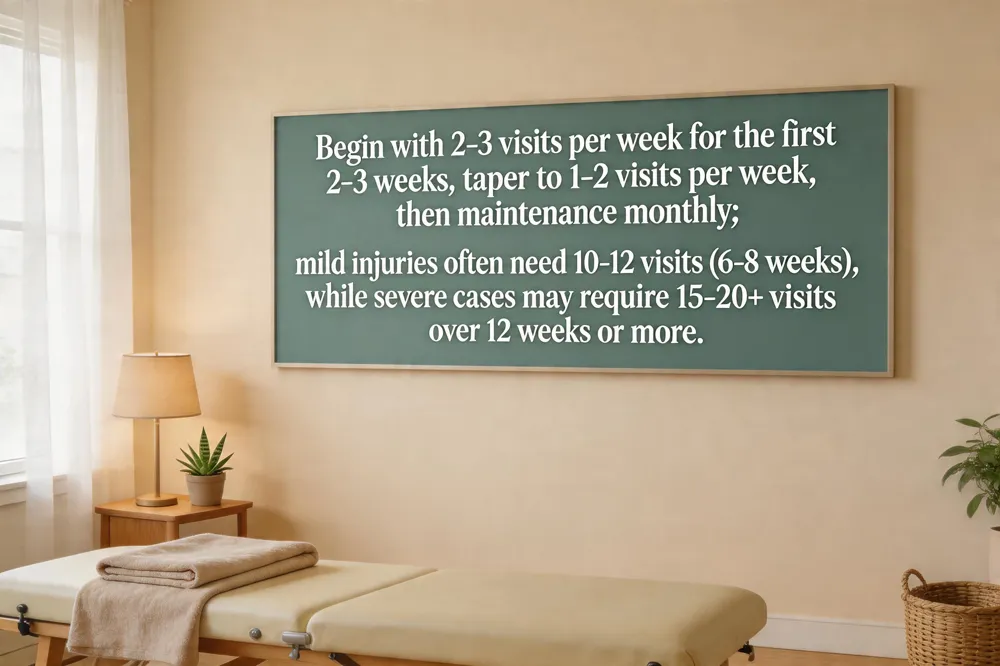 Most patients begin with a 2‑3 visits per week schedule for the first two to three weeks after the collision. This intensive phase controls inflammation, eases pain, and initiates gentle spinal realignment. As symptoms improve, the chiropractor tapers visits to once or twice a week and eventually to a maintenance frequency of once a month. The total number of appointments varies: milder soft‑tissue injuries often resolve within 6‑8 weeks (≈10‑12 visits), while more severe whiplash disc irritation, or multi‑segment misalignments may require 12 weeks or longer (≈15‑20 visits). Factors that influence visit count include injury severity, the presence of red‑flag symptoms, patient age, response to early treatment, and any co‑existing conditions such as concussions or chronic pain. Consistent attendance and adherence to home‑care instructions are essential for achieving full recovery.
Navigating Insurance and Personal‑Injury Claims
 When you’re injured in a car crash you do not have to wait for a claim to be settled before starting care. Most states, including North Carolina, consider chiropractic treatment a medically necessary service that can be billed under personal‑injury protection (PIP), MedPay, or the at‑fault driver’s liability coverage. Begin treatment promptly, keep an itemized record of each visit, and obtain a written diagnosis that links your symptoms to the accident.
While you receive care, file your auto‑insurance claim as soon as possible. Provide the insurer with a police report, photos of the scene, and a copy of your medical records. Submit detailed invoices and any diagnostic imaging reports to support the necessity of the chiropractic work.
Answer: Yes—you can seek chiropractic care while filing an auto‑insurance claim. Early treatment, thorough documentation, and timely invoice submission help ensure the claim is paid promptly and reduce the risk of denial.
Beyond Pain Relief: Stress Hormones and Lifestyle
 Chiropractic care does more than ease neck and back pain—it can also influence the body’s stress response. Several case reports and small studies have shown a measurable drop in salivary cortisol after a series of adjustments, suggesting that restoring proper spinal alignment helps calm the nervous system and lower the hormone released during stress. While larger trials are still needed, many patients report feeling more relaxed and experience mood improvements following regular care. To maximize these benefits, post‑adjustment habits are crucial. Staying well‑hydrated supports disc health and helps flush metabolic waste released during manipulation. A nutrient‑dense diet rich in anti‑inflammatory foods—such as omega‑3 fatty acids, leafy greens, and lean protein—further reduces systemic inflammation. Finally, quality sleep allows the nervous system to reset, consolidates the therapeutic gains of each session, and promotes overall recovery. Together, chiropractic adjustments, proper hydration, balanced nutrition, and restorative sleep create a holistic approach that not only relieves pain but also modulates cortisol and enhances overall well‑being.
Legal Savvy: Communicating With Insurers and Maximizing Settlements
 What should I avoid saying to my insurance company after an accident?
Never admit fault, apologize, or make speculative statements such as “I think…” or “I was fine.” Do not downplay injuries, give unrequested personal details, or sign recorded statements without a lawyer present.
How can I maximize the value of a personal‑injury settlement after a car accident?
- Gather evidence immediately – Obtain a police report (it serves as an objective record), take photos/video of the scene and exchange contact/insurance info.
- Document all medical care – keep every doctor’s note, imaging (X‑ray, MRI), therapy session, and receipt for out‑of‑pocket costs.
- Track daily impact – write a day‑by‑day journal of pain, symptoms, activity limits, and any missed work.
- Seek early, comprehensive evaluation – a thorough chiropractic or medical exam can uncover hidden soft‑tissue or spinal injuries that support higher claims.
- Hire a personal‑injury attorney – they will negotiate a strong reserve, reject low‑ball offers, and protect your rights while you remain under professional care.
Conclusion
The step‑by‑step protocol for auto‑accident injuries emphasizes early, comprehensive evaluation, targeted imaging when needed, gentle pain‑relief modalities, corrective spinal adjustments, and progressive rehabilitation exercises. This structured approach restores alignment, reduces inflammation, and re‑educates the nervous system, leading to faster pain relief and a lower risk of chronic problems. For patients ready to begin care, the next steps are: (1) schedule a prompt initial consultation with a qualified chiropractor, (2) bring all accident documentation and medical records, (3) discuss insurance or self‑pay options, and (4) follow the personalized treatment plan while staying hydrated, maintaining good posture, and performing prescribed home‑care exercises. Consistent follow‑up ensures steady progress toward full functional recovery.