A Common Pattern With Many Possible Causes
A dull ache that builds during desk work or a long drive, then eases after standing or walking, is a familiar pattern. Staying in one position and slouching may add stress to the back, though sitting does not affect everyone in the same way. UCLA Health’s sitting guidance explains how prolonged sitting and slouched posture can strain the back and spinal discs.
Posture is only one possible contributor. Back pain may also relate to an injury, disc changes, arthritis, or other conditions, so discomfort while sitting cannot identify its cause on its own. The Mayo Clinic’s overview of back pain causes likewise describes several possible explanations.
Small adjustments may help: use a chair that supports your back, change position regularly, and add short walks or stretches to the day. At Southeast Family Chiropractic in Gastonia, care includes individualized chiropractic assessment and rehabilitative treatments. If pain persists, worsens, or comes with numbness or weakness, seek professional guidance rather than assuming posture is the cause.
Why Sitting Can Aggravate Back Pain
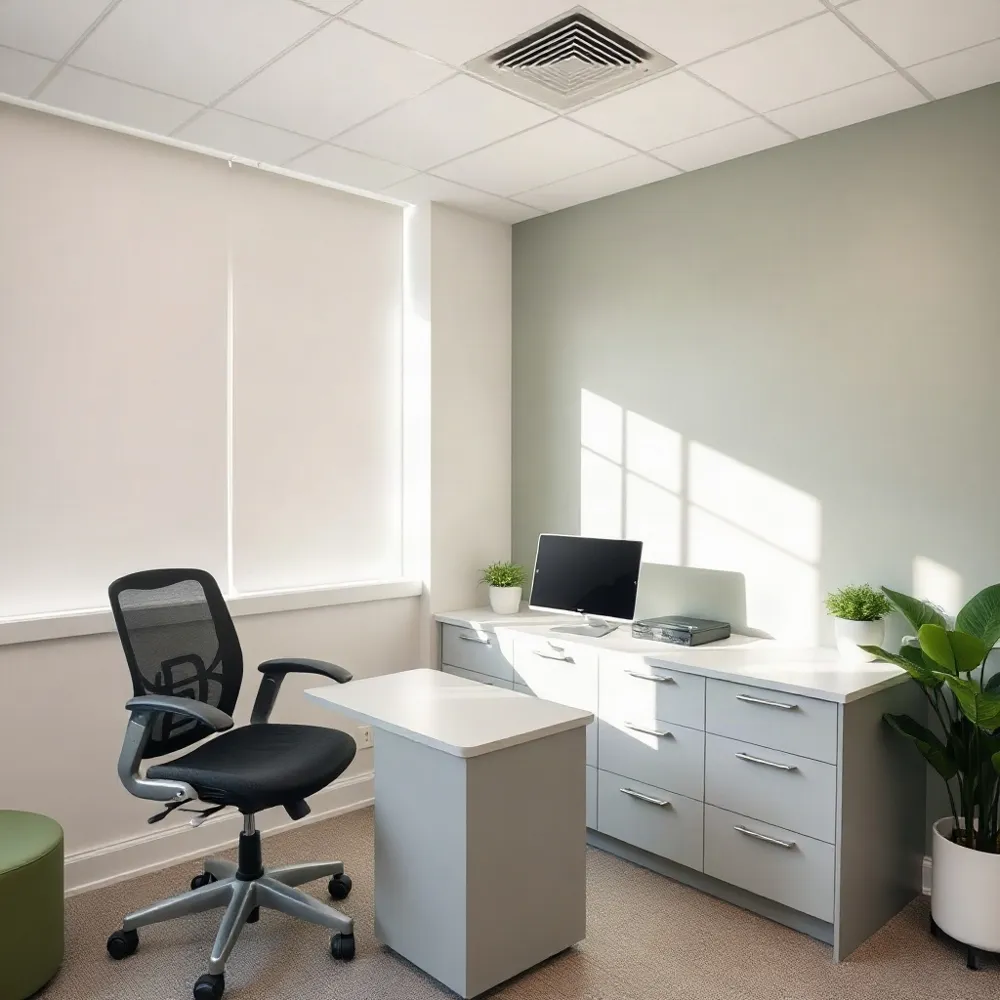 Sitting changes how weight is distributed through the lower back. It can place more load on the lumbar discs than standing, and slouching or leaning toward a phone or computer may add further pressure. UC Davis Health notes that poor sitting posture can increase the load on the discs in the lower spine.
Holding one position for a long time can also leave muscles tight and joints stiff. Standing or changing position shifts the load and may ease discomfort, though relief does not show what is causing the pain. Southeast Family Chiropractic in Gastonia takes a patient-focused approach to spinal health, with personalized chiropractic care among the services described by the practice.
Pain that increases while sitting and settles when standing can have several explanations. Disc irritation is one possibility; some people with nerve irritation also experience burning or shooting pain into a leg. Muscle tightness or spasms may become more noticeable after remaining seated. Hospital for Special Surgery explains that sitting, particularly while leaning forward, can increase pressure on the lowest lumbar discs.
These patterns are clues, not a diagnosis. A strain, injury, spinal condition, or other medical issue may contribute, and posture is not the only possible cause. The Mayo Clinic’s overview of back-pain causes describes several structural and mechanical explanations, underscoring why symptoms alone cannot identify the source.
How Posture May Play a Part
Slouching, rounded shoulders, or leaning toward a screen can keep the spine in an awkward position. Over time, this may add strain to spinal discs, ligaments, and nearby muscles. Unsupported posture can also leave muscles feeling tired, stiff, or achy. It may aggravate pain that started for another reason, too.
How can poor posture contribute to back pain, and how can I tell if it may be a factor?
Notice whether discomfort builds during long stretches of sitting or standing and eases after you move or change position. That pattern may offer a clue, but it cannot identify the cause. Mayo Clinic notes that poor posture is one of several possible contributors to back pain, alongside issues such as strains and structural problems.
Consider whether your workstation encourages you to hunch, whether you look down at your phone for long periods, or whether lifting leaves you twisted or bent awkwardly. The Southeast Family Chiropractic ergonomics guide discusses mindful seated posture and keeping the spine aligned. Southeast Family Chiropractic in Gastonia also describes its care as personalized, rather than assuming one posture change suits everyone.
Posture is only one possible factor, not proof of what is causing pain. Seek clinical advice if pain is severe or persistent, travels down a leg, or comes with weakness, numbness, or tingling.
Set Up a More Supported Seat
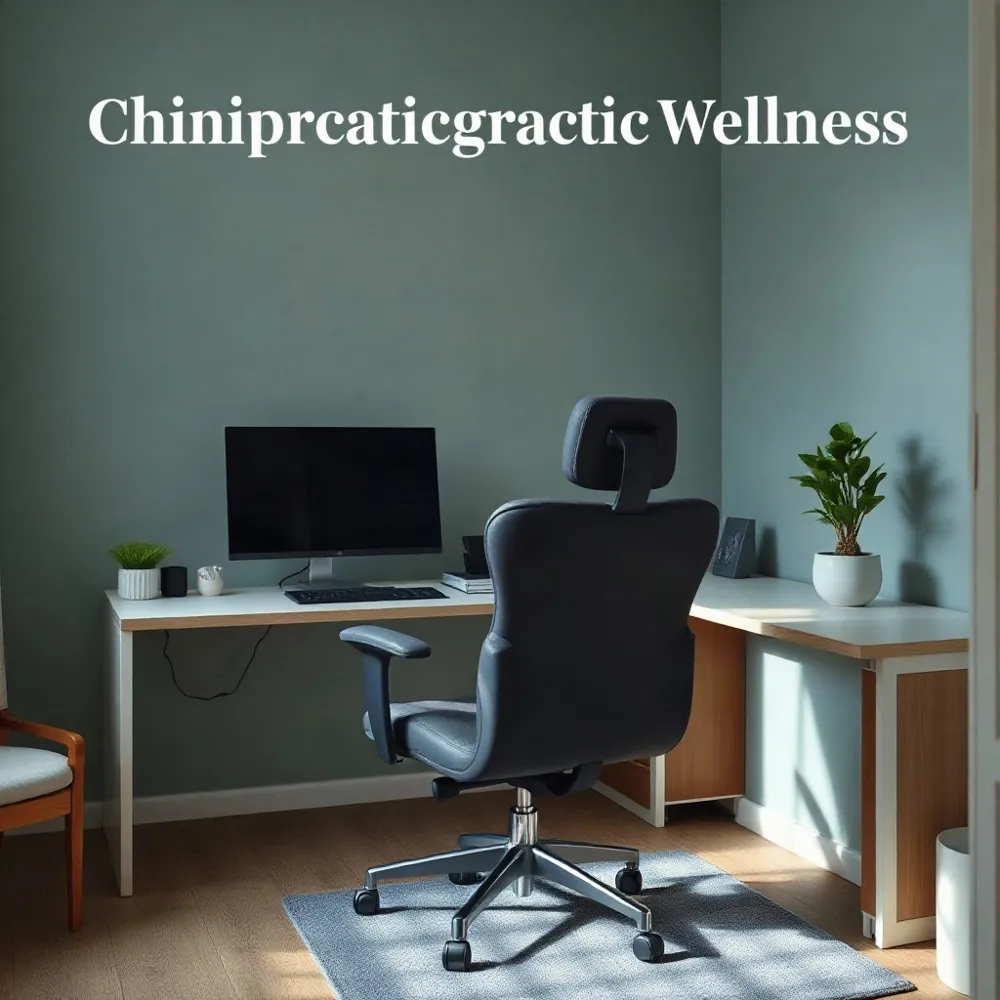 A supportive seat can make desk work more comfortable, but no single posture works for everyone. Sit with your buttocks and sit bones back in a chair that fits, so you can use the backrest and support the lower back’s natural curve. A small lumbar cushion or rolled towel may help if the chair leaves that area unsupported.
For desk work, keep your feet on the floor or a footrest, relax your shoulders, and bend your elbows comfortably as your arms rest near your sides. Place the screen directly in front of you at a height that lets you look ahead rather than lean toward it. These adjustments can reduce strain, though even a well-fitted chair does not make staying still for long periods beneficial. UCLA Health’s sitting ergonomics guidance recommends regular movement as well as workstation adjustments.
Change positions and take a brief standing, stretching, or walking break at least every half hour, or get up once or twice an hour if that better fits your routine. A standing or walking desk can help interrupt long stretches of sitting; walking during a meeting or phone call is another option.
If sitting brings on pain, stand and move gently if that feels comfortable, and avoid any activity that worsens symptoms or sends pain into your legs. Persistent or recurring pain that interferes with daily activities deserves an individual assessment. Seek urgent care for severe pain, new leg weakness or numbness, or loss of bladder or bowel control.
Use Gentle Movement to Break Up Sitting
Even a well-adjusted chair cannot replace movement. Standing and walking for a few minutes can interrupt a fixed posture and help ease stiffness; UCLA Health recommends brief movement breaks throughout the day.
If it feels comfortable, try a gentle standing back extension or an easy hamstring or glute stretch. Move slowly and stay within a comfortable range rather than pushing for a deeper stretch. Southeast Family Chiropractic emphasizes personalized care, so people unsure which movements suit their symptoms can seek an individual assessment.
Regular stretching and exercises that target the core and back may help support the spine. Everyday activities may not work these muscles enough, so targeted exercises can have a role; the right choices depend on a person’s condition and abilities. UC Davis Health’s guidance on back pain also describes walking as a safe form of exercise. Brisk walking can help maintain a healthy weight, which may reduce pressure on the back.
Stop if movement increases pain or causes symptoms to spread into a leg. Numbness, tingling, or weakness also calls for professional guidance, particularly if symptoms persist or worsen.
Choose Positions That Feel Supported
When sitting, use a chair back to support your spine and, if it feels comfortable, place a rolled towel at the curve of your lower back. Keep your feet supported and shoulders relaxed, and avoid slouching or staying in one position for too long. For general ergonomic guidance, UCLA Health’s sitting recommendations also emphasize back support and regular movement.
Advice can differ when pain is acute. Cleveland Clinic recommends sitting as little as possible during the first 10 to 20 days after acute low back pain begins, with sitting bouts limited to about 10 to 15 minutes. This is guidance for that specific situation, not a universal limit for everyone. It also favors a firm, high-backed chair over a soft couch, which may encourage the back to round.
The available guidance does not establish one best lying or sleeping position for everyone. Comfort and individual circumstances vary, so avoid forcing a position that feels uncomfortable. If a sitting or lying position worsens your symptoms, or pain spreads into your legs, stop and ask a clinician for advice.
Notice Symptoms That Need Assessment
 Soreness that begins after lifting, exercise, or an awkward movement may involve muscles and feel tight or tender in one area. Pain that changes with position or movement, travels into the buttock or leg, or comes with tingling, numbness, or weakness may involve other structures. These patterns overlap and cannot identify the cause on their own. Mayo Clinic’s overview of back pain causes describes several possible sources, including muscle strains and problems affecting the spine.
A healthcare professional can review your symptoms and history, assess how you move, and check for nerve-related signs. At Southeast Family Chiropractic in Gastonia, care is presented as personalized and includes chiropractic assessment and rehabilitative treatments; an examination can help determine whether further medical evaluation is needed.
Seek prompt medical attention for new or worsening weakness, numbness, or tingling, trouble walking, or pain after a significant injury. Fever, unexplained weight loss, severe pain at rest or at night, and pain that persists or interferes with daily life also warrant assessment. The Mayo Clinic’s guidance on back pain advises contacting a healthcare professional for symptoms such as leg weakness or pain that does not improve.
Loss of bladder or bowel control, or difficulty urinating alongside back pain, requires emergency care. For severe or rapidly progressing symptoms, go to an emergency department or call 911 rather than waiting for a routine appointment.
Make Small Changes and Seek Guidance
Sitting habits may contribute to back pain, but they are only one possible factor among many causes of back pain.
Try supported sitting and regular movement, then notice whether your symptoms change. These observations can help you describe your experience, but they cannot identify the cause.
Seek professional assessment if pain persists, worsens, or comes with concerning symptoms such as weakness or numbness. A clinician can assess your situation and guide you on suitable exercises or treatment.