Understanding Modern Laser Therapy and Healing
Modern laser therapy, clinically known as photobiomodulation, represents a significant advancement in non-invasive restorative care. By utilizing specific wavelengths of red and near-infrared light, this treatment interacts directly with cellular mitochondria. This process accelerates the production of adenosine triphosphate (ATP), the primary energy source for cells, which encourages faster tissue repair and effective inflammation control.
At southeastchiro.com, we integrate these light-based therapies as a cornerstone of our holistic wellness strategy. Unlike invasive procedures, this modality offers a painless, drug-free alternative for managing complex musculoskeletal conditions. The therapeutic energy acts to modulate local nerve conduction and reduce chemical inflammatory markers, providing a precise, gentle approach to healing.
Science increasingly supports the combination of laser therapy with traditional chiropractic spinal manipulation. This dual approach helps restore proper alignment while ensuring that surrounding tissues have the metabolic support required for recovery. By focusing on cellular function, these treatments work together with the body’s natural metabolic processes to improve mobility and long-term joint health.
The Biological Mechanism of Mitochondrial Stimulation
 At the heart of photobiomodulation lies a precise photochemical interaction. When specific wavelengths of red or near-infrared light penetrate biological tissue, they are absorbed by chromophores within the mitochondria. The primary target for this absorption is an enzyme known as cytochrome c oxidase. Once activated, this enzyme serves as a catalyst for a chain of cellular events that restore or improve overall mitochondrial function.
The most significant outcome of this activation is an increase in the production of adenosine triphosphate (ATP), the vital energy currency of the cell. By boosting ATP synthesis, tissues gain the necessary energy to accelerate their internal metabolism and repair damaged structures. This process is frequently utilized at southeastchiro.com to assist in natural recovery, offering patients a non-invasive way to stimulate health at the cellular level.
How does laser therapy actually work to treat pain and inflammation?
The mechanism relies on biochemical signaling rather than heat. Because the process is photochemical, light triggers changes similar to photosynthesis in plants, converting photonic energy into chemical responses. This cascade inhibits inflammatory mediators and reduces localized oxidative stress, which scientific research shows helps modulate cytokines and prostaglandin levels. By decreasing these markers, the body can better manage edema and discomfort.
Beyond simple inflammation control, the therapy actively promotes structural regeneration. Research published in PMC confirms that stimulating fibroblast activity leads to increased collagen deposition, which is essential for repairing musculoskeletal injuries. Whether addressing soft tissue strains or complex joint issues, southeastchiro.com leverages these biological pathways to help tissues heal more efficiently than they might through rest alone.
Clinical Applications and Treatment Protocols
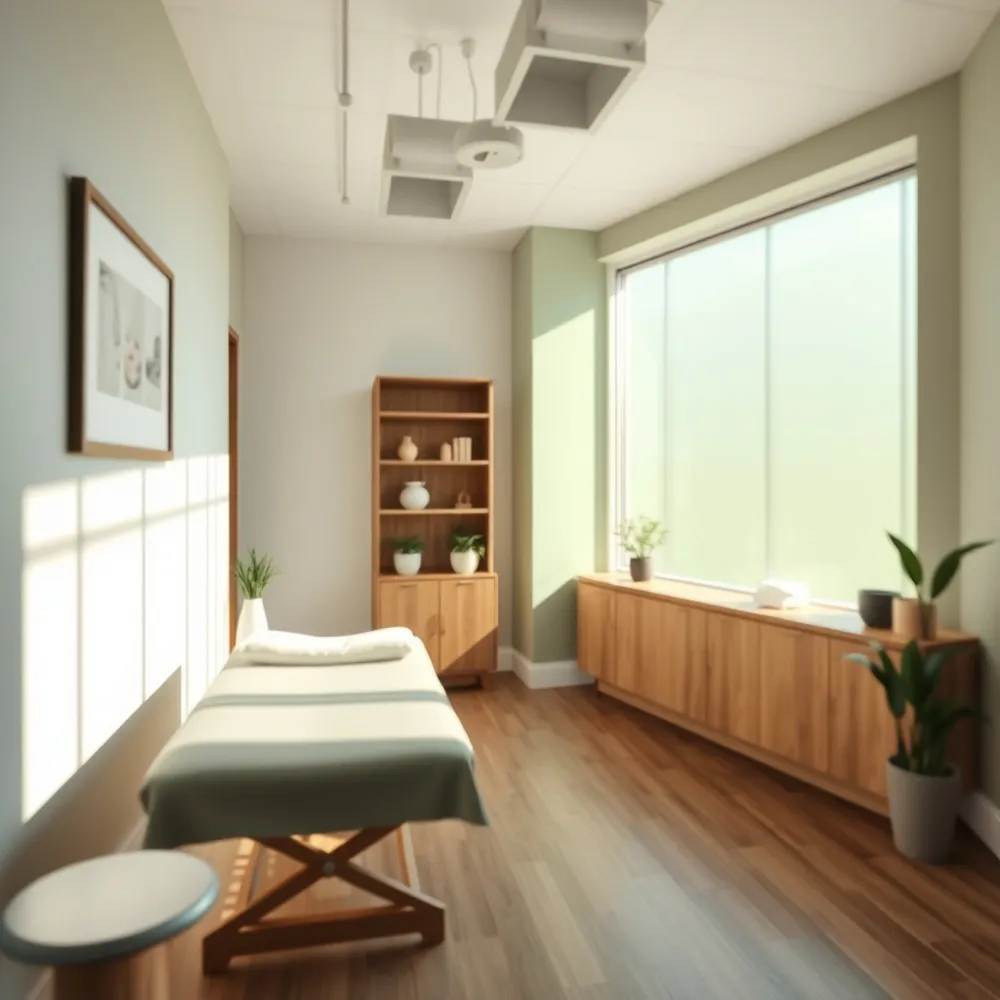 The versatility of photobiomodulation allows practitioners to address a wide array of musculoskeletal conditions, including osteoarthritis, tendonitis, and disc-related spinal discomfort. By choosing specific wavelengths and energy density parameters, clinicians can tailor protocols to reach deep tissues, ensuring that light energy effectively stimulates cellular repair. At southeastchiro.com, laser therapy serves as a core component of a holistic treatment plan, where it is frequently paired with spinal manipulation to accelerate healing and improve long-term outcomes for patients experiencing chronic pain.
How long does a typical laser therapy session take and how often should I receive treatment?
A typical laser therapy session lasts approximately 10 minutes, though this varies based on the size of the area being treated. For acute conditions, daily sessions may be recommended during the initial phase. Chronic issues generally respond best to a treatment schedule of two to three sessions per week. Because individual recovery paths differ, the specialists at southeastchiro.com perform a thorough assessment to build a personalized schedule that optimizes these non-invasive sessions for maximum pain relief and mobility restoration.
| Condition Type | Primary Benefit | Clinical Approach |
|---|---|---|
| Joint Inflammation | Pain reduction | Localized light exposure |
| Muscle Strains | Tissue healing | Stimulate fibroblasts |
| Spinal Pain | Increased mobility | Combined with adjustments |
Professional Clinical Care Versus At-Home Devices
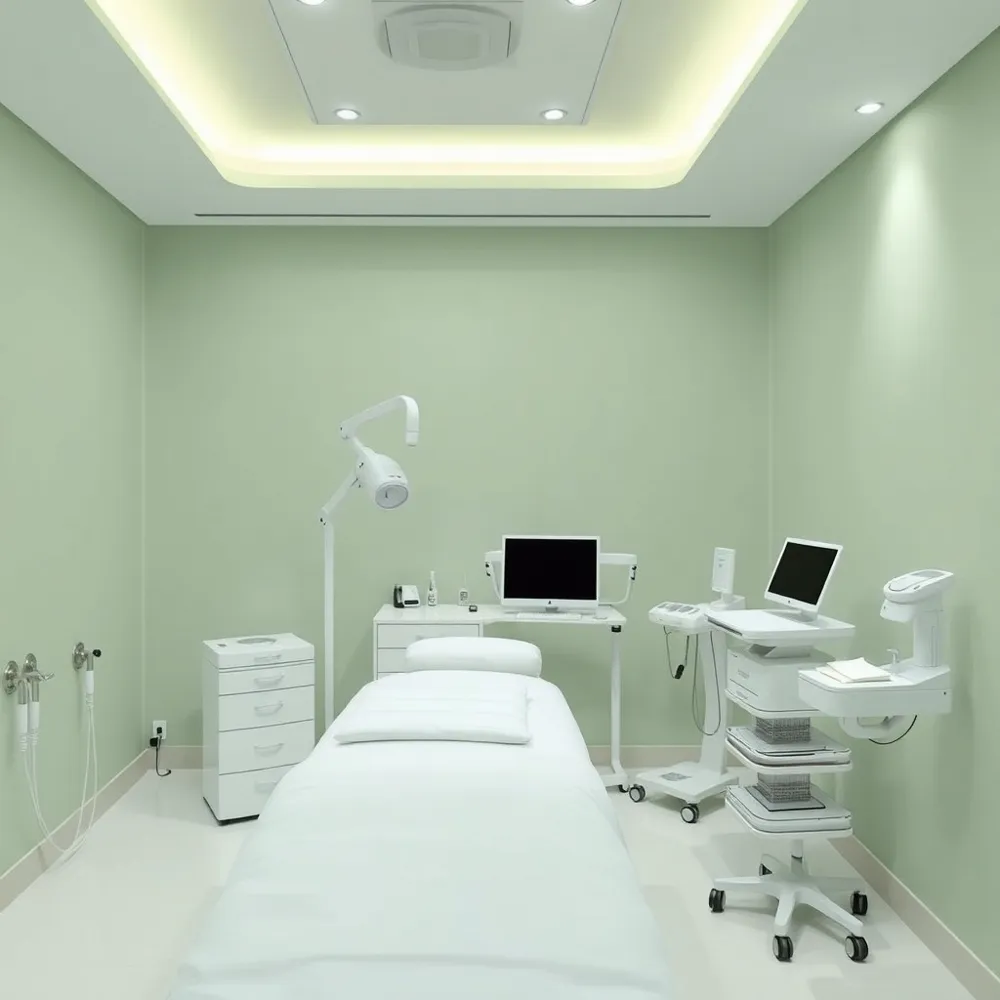 When comparing care options, patients often consider the accessibility of over-the-counter devices against the specialized equipment found in a professional setting. At southeastchiro.com, we utilize high-powered Class 4 medical lasers, which differ significantly from consumer-grade tools in both power density and therapeutic reach.
How does professional clinical laser therapy compare to at-home laser devices?
Professional clinical laser therapy utilizes Class 4 medical lasers, which generate significantly more wattage and deeper tissue penetration than FDA-cleared at-home devices. While home units are typically classified as low-level lasers with output below 500 milliwatts, clinical lasers can often reach several centimeters beneath the skin to address chronic pain and deep inflammatory markers. Professional care also provides personalized dosing protocols and specialized wavelength configurations that consumer devices cannot replicate.
The efficacy of this photobiomodulation depends heavily on precise application protocols, such as those maintained by clinical staff at southeastchiro.com. Because clinical machines use higher power, they can maximize the production of adenosine triphosphate to accelerate healing in a fraction of the time required by lower-intensity alternatives. Expert oversight ensures that treatment intensity and duration are adapted to your specific musculoskeletal needs, providing a safer and more predictable path to recovery than self-administered sessions.
Safety Profiles and Addressing Common Questions
What are the common side effects and contraindications of therapeutic laser treatment?
Therapeutic laser treatment is widely recognized as a safe, non-invasive procedure, with clinical literature noting that most patients report minimal to no negative side effects. While the process is well-tolerated, some individuals may notice transient sensations such as minor skin redness, itching, or brief muscle soreness following a session. These mild reactions are typically short-lived as the body adjusts to the cellular stimulation.
Safety protocols require specific medical precautions to maintain efficacy and patient well-being. Practitioners must avoid direct laser contact with the eyes, often using protective eyewear, and should not treat directly over a developing fetus during pregnancy. Additionally, treatment is contraindicated over the site of known primary or secondary cancerous tumors, except in specific palliative scenarios per Physiopedia guidelines. Certain patients may also require extra caution if they have light sensitivity or are undergoing specific medications that increase photosensitivity. At southeastchiro.com, we prioritize a thorough review of your medical history to ensure all treatment parameters remain appropriate for your unique health profile.
Is laser therapy an effective treatment for hair loss?
While photobiomodulation is studied for various uses, hair loss treatment involves specialized protocols and devices distinct from those used in musculoskeletal care. At southeastchiro.com, our focus remains strictly on enhancing tissue repair, reducing inflammatory mediators, and alleviating spinal or joint discomfort. Because we prioritize these specific clinical outcomes, we do not provide laser treatments for hair restoration. Patients interested in that field should consult a board-certified dermatologist for guidance on dermatological laser devices.
Moving Forward with Natural Healing
Adopting photobiomodulation provides a non-invasive, drug-free pathway to managing chronic pain and accelerating cellular repair. While over-the-counter tools exist, professional settings like southeastchiro.com ensure precise dosage for individual needs.
The team at southeastchiro.com combines this technology with chiropractic spinal manipulation to achieve comprehensive recovery results. Scheduling a consultation allows a specialist to determine if this therapy meets your specific health goals.