Understanding Craniosacral Therapy
Craniosacral therapy (CST) is a gentle, noninvasive, hands-on treatment that focuses on the craniosacral system — the membranes and cerebrospinal fluid that surround and protect the brain and spinal cord. Practitioners use a light touch, typically about the weight of a nickel, to release tension in the body's connective tissue network, known as the fascia.
The goal of CST is to clear restrictions in this system, supporting the body's natural ability for self-regulation, self-correction, and self-healing. During a session, clients remain fully clothed and lie on a massage table while the therapist applies gentle pressure to the head, neck, back, or areas of symptoms. The room is often quiet or has soft music to encourage relaxation.
CST is considered a complementary therapy and is typically used alongside other treatments, not as a replacement for medical care. Many patients find it helps manage conditions such as chronic pain, headaches, and stress-related tension. At Southeast Family Chiropractic, CST is offered as part of a holistic approach to wellness, often paired with chiropractic care for enhanced results.
What Exactly Is Craniosacral Therapy and How Does It Work?
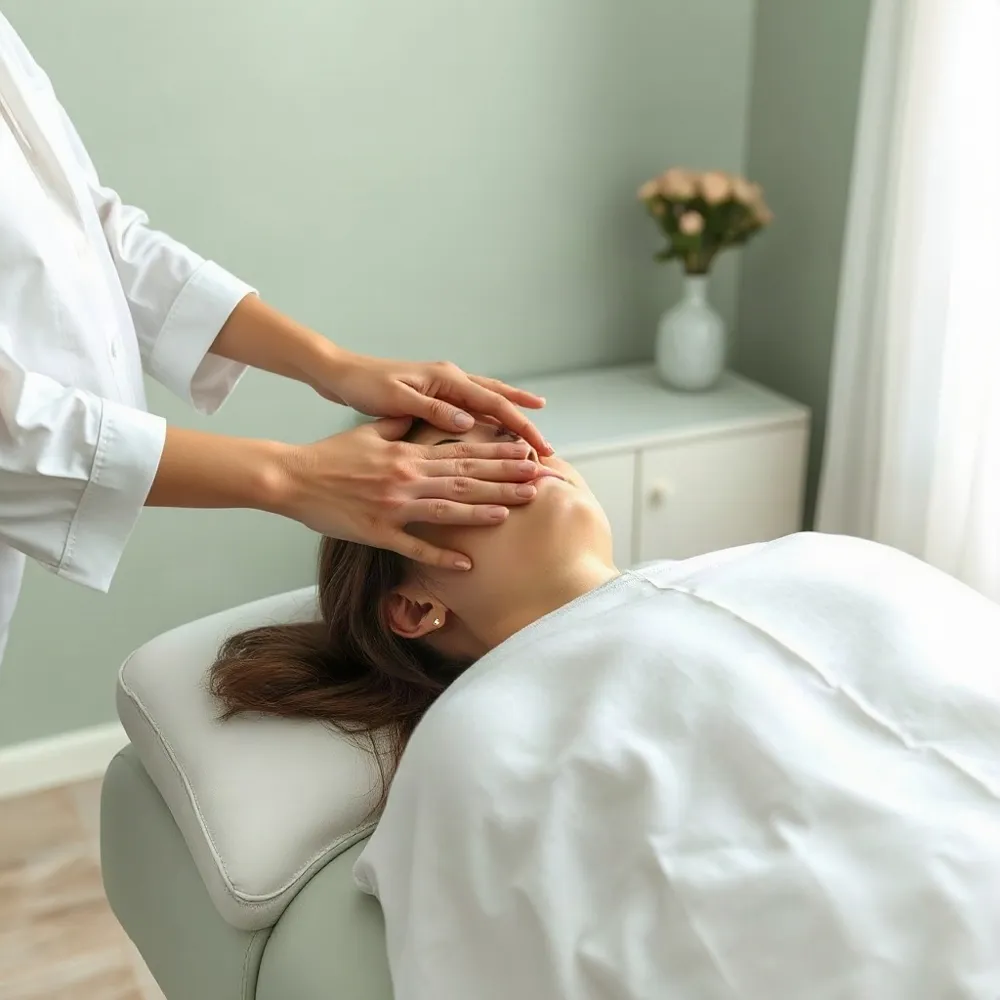 Craniosacral therapy (CST) is a gentle, hands-on technique that uses a light touch—often no more than the weight of a nickel (about 5 grams of pressure)—to release tension in the body's connective tissue network, known as the fascia. This system forms a continuous casing that holds the organs, nerves, muscles, blood vessels, brain, and spinal cord.
The therapy focuses specifically on the craniosacral system: the membranes and cerebrospinal fluid that surround and protect the brain and spinal cord. The goal is to improve the flow of this fluid and release fascial restrictions, which in turn supports the body's natural abilities for self-regulation, self-correction, and self-healing.
During a CST session, the patient remains fully clothed and lies on a massage table. The practitioner uses their hands to 'listen' for the craniosacral rhythm — a subtle pulse that moves through the body. When they find areas where the rhythm feels tangled or restricted, they apply gentle pressure to help the body unwind those holding patterns. This non-invasive approach is meant to complement other treatments, not replace medical care.
Many chiropractors, including those at Southeast Family Chiropractic, are trained in CST and often integrate it with spinal adjustments for a more comprehensive approach. The therapy is suitable for all ages, from infants to the elderly, because of its gentle nature and minimal risks.
Safety, Side Effects, and Contraindications
 Craniosacral therapy is considered very safe when performed by a trained professional, as it uses only about five grams of pressure — roughly the weight of a nickel. This gentle, non-invasive technique makes it suitable for people of all ages, including infants and the elderly. The Cleveland Clinic notes that CST has minimal risks and side effects.
Most people experience little to no side effects. When they do occur, reactions are typically mild and short-lived. You may feel dizzy, lightheaded, tired, or have mild discomfort after a session, but these sensations usually resolve within 24 to 48 hours. Taking your time when standing up after a session can help prevent falls.
When CST Is Not Appropriate
There are specific conditions where CST should be delayed or avoided unless you receive medical clearance. According to the Cleveland Clinic, these include recent blood clots, a concussion, brain swelling, a brain aneurysm, Chiari malformation, or any condition that affects cerebrospinal fluid pressure or flow. The therapy is also not appropriate for those with recent head or spinal surgery, acute stroke, or elevated intracranial pressure.
If you have a high-risk pregnancy or an active infection, consult your healthcare provider before scheduling a CST session. A systematic review from the NIH confirms that CST is generally very safe and appropriate for patients of all ages when contraindications are followed.
Before your first session, always discuss your full health history with your practitioner. The therapists at Southeast Family Chiropractic take this history seriously to ensure CST is a good fit for your individual needs. If CST is not right for you, they can recommend an alternative approach.
Conditions Treated and Expected Benefits
Craniosacral therapy may help manage a wide range of conditions. According to the Cleveland Clinic, these include chronic pain, complex regional pain syndrome, fibromyalgia, headaches like migraines, neuralgia, post-concussion syndrome, scoliosis, stroke, and temporomandibular joint (TMJ) syndrome. Many practitioners also find it beneficial for chronic fatigue syndrome, post-traumatic stress disorder (PTSD), and stress-related tension.
The therapy is best known for relieving pain and promoting deep relaxation. By releasing tension in the fascia, CST aims to support the body’s natural self-healing mechanisms. Patients often report improved emotional well-being and reduced stress. For many, a session produces a lasting sense of peace, making it a valuable tool for managing anxiety. The gentle touch helps shift the nervous system out of a “fight-or-flight” state, easing muscle tightness and shallow breathing.
Some evidence suggests CST may also help release stored trauma from the body. By restoring balance to the craniosacral system, the therapy can help the body resolve long-held tension patterns. It is important to note, however, that CST is a complementary approach and not a substitute for medical treatment or trauma-focused therapy. Healthcare providers typically recommend it alongside other forms of care.
What the Research Shows
Studies indicate that many people see relief of their symptoms after CST, though results vary and research is ongoing. A systematic review found that CST can reduce pain intensity and improve function, but acknowledged that more rigorous studies are needed. The Cleveland Clinic notes that some patients feel immediate relief, while others may need a couple of days or several sessions over weeks to months to see results. At Southeast Chiropractic, patients often find that CST integrates well with chiropractic adjustments and rehabilitative care to support a comprehensive treatment plan.
What to Expect During a Session and Aftercare
 A typical craniosacral therapy session begins with a brief consultation where the practitioner asks about your health history, current concerns, and goals for treatment. You remain fully clothed throughout and lie on a massage table in a room with soft music and low lighting to promote relaxation.
The practitioner uses gentle pressure, often no more than the weight of a nickel (about 5 grams), on the head, neck, back, sacrum, or feet. They listen for the subtle craniosacral rhythm and help release restrictions in the body's connective tissue network. Sessions generally last between 30 and 60 minutes, though some may extend up to two hours. Multiple sessions are typically recommended to allow the body to fully release held tension.
During treatment, it is common to experience deep relaxation, fall asleep, or notice gentle, spontaneous movements as the nervous system unwinds. Some people also encounter an emotional release tied to past physical or emotional injuries. This is considered a healthy part of the healing process and does not require verbal discussion.
After a session, take your time when standing up to prevent dizziness or lightheadedness. Avoid strenuous activity, heavy lifting, heavy meals, caffeine, and alcohol for at least 24 hours, as these can interfere with the body's integration of the treatment. Rest, stay hydrated, and give your body the time it needs to process the adjustments.
Frequency, Duration, and Realistic Expectations
The timeline for experiencing benefits from craniosacral therapy varies widely between individuals. Some people notice relief immediately after a single session, while others may need several sessions over weeks or months to see lasting results. According to the Cleveland Clinic, results depend on the condition being treated, its severity, and how your body responds.
How Many Sessions Are Typically Recommended?
For acute issues or mild stress, one to three sessions may be enough to produce noticeable improvement. For chronic conditions such as migraines, fibromyalgia, or chronic neck and back pain, practitioners commonly recommend a series of 4 to 6 sessions. A systematic review of CST research notes that multiple sessions are often needed to achieve meaningful reductions in pain intensity and improvements in function.
How Often Should You Go?
Initial treatment frequency often follows a tapering schedule. For chronic conditions, weekly sessions are commonly recommended at the start. As symptoms improve, the frequency can decrease to biweekly or monthly sessions for maintenance. For ongoing wellness and stress relief, a session once a month is typically sufficient. At Southeast Family Chiropractic, practitioners work with each patient to develop a personalized schedule based on their specific health goals and response to treatment.
Factors That Influence Results
Condition severity. Long-standing or deeply held patterns of tension may require a longer course of treatment to fully release.
Individual response. Some people feel deep relaxation and relief immediately; others may need a couple of days for their body to process the adjustment before noticing changes.
Health goals. If you are seeking relief from a specific chronic condition versus general relaxation, your treatment plan and session count will differ accordingly.
What to Expect Over Time
It is normal not to feel a dramatic shift after the first session. The body often needs time to unwind holding patterns. As the University of Minnesota's Taking Charge of Your Wellbeing resource explains, with more sessions the body moves from releasing recent tensions to releasing older and more deeply held patterns — a process that unfolds at its own pace. Maintenance sessions can help sustain the benefits of CST and support ongoing nervous system health.
Scientific Evidence, Controversy, and Insurance
The scientific evidence for craniosacral therapy is mixed. Some studies indicate CST can reduce pain intensity and improve function for conditions like migraines and fibromyalgia, as noted in a systematic review. However, critics point to a lack of high-quality, large-scale clinical trials. The very existence of the craniosacral rhythm that practitioners palpate remains debated in the literature, with attempts to measure it producing inconclusive results.
Because of this, CST is best understood as a complementary therapy rather than a standalone medical treatment. It is designed to be used alongside standard medical care, not to replace it. For patients in the Gastonia area looking to incorporate CST into a broader wellness plan, Southeast Chiropractic offers it as part of a holistic approach to health.
Insurance coverage for craniosacral therapy varies widely. Some plans will cover sessions if the therapy is performed by a licensed healthcare provider such as a chiropractor or physical therapist. Patients are advised to check directly with their insurer before starting treatment. If coverage is not available, Health Savings Account (HSA) or Flexible Spending Account (FSA) funds may be used.
When choosing a practitioner, checking references and finding someone who feels like a good fit is important. Online directories are available through organizations such as the Upledger Institute and the Craniosacral Therapy Association of North America.
Integrating CST Into Your Wellness Routine
Craniosacral therapy is a gentle, non-invasive option that can complement chiropractic care and broader wellness efforts. Working with a qualified practitioner who understands your health history is important — at southeastchiro.com, CST is offered as part of a holistic plan that also includes chiropractic adjustments and rehabilitative exercise.
Consider CST for pain relief, relaxation, and stress management, but keep realistic expectations: it is a supportive therapy, not a cure-all. Best results come when CST is one piece of a comprehensive approach to wellness.