Introduction to Craniopathy and Its Significance
Definition of Craniopathy
Craniopathy is a specialized chiropractic care technique focused on the 22 bones of the human skull, particularly at their sutures where these bones meet and interact. Unlike traditional chiropractic approaches that primarily address the spine, craniopathy emphasizes restoring proper cranial bone motion to optimize neurological and overall body function.
Development and Principles of Craniopathy
Developed over more than 60 years by Dr. Major Bertrand Dejarnette, a chiropractor, osteopath, and mechanical engineer, craniopathy is integrated within the Sacro Occipital Technique (SOT®). It is based on the understanding that subtle motion of the cranial bones continues well into adulthood, contrary to past beliefs that adult skull bones are fused. This micromotion facilitates the circulation of cerebrospinal fluid (CSF) and supports the brain's health.
Connection Between Cranial Bones, Cerebrospinal Fluid, and Nervous System
The skull bones’ movement regulates cerebrospinal fluid flow, which acts much like the lymphatic system for the central nervous system (CNS). Proper CSF circulation is essential for removing waste and delivering nutrients to the brain and spinal cord. The dura mater, connecting the skull and spinal canal, also plays a critical role by maintaining tension that supports nervous system integrity. Misalignments or restrictions in cranial bones can disrupt this flow, impairing neurological function and potentially contributing to a range of conditions from headaches to neurological disorders.
Relevance to Neurological Health and Chiropractic Care
With approximately 80% of the nervous system located beneath the cranial vault, craniopathy offers a powerful avenue for addressing neurological health issues. It complements traditional spinal chiropractic care by expanding treatment to include the cranium and its impact on the nervous system. Advanced training and certification in this field ensure practitioners apply precise, gentle techniques that support overall neurological balance and body function.
In chiropractic practice, craniopathy is recognized for its potential to alleviate conditions such as migraines, TMJ dysfunction, traumatic brain injury symptoms, learning disabilities, and more—highlighting its significance as a holistic, non-invasive treatment modality promoting optimal brain and nervous system health.
The Anatomy and Function of the Cranial System
Structure and Mobility of the 22 Cranial Bones
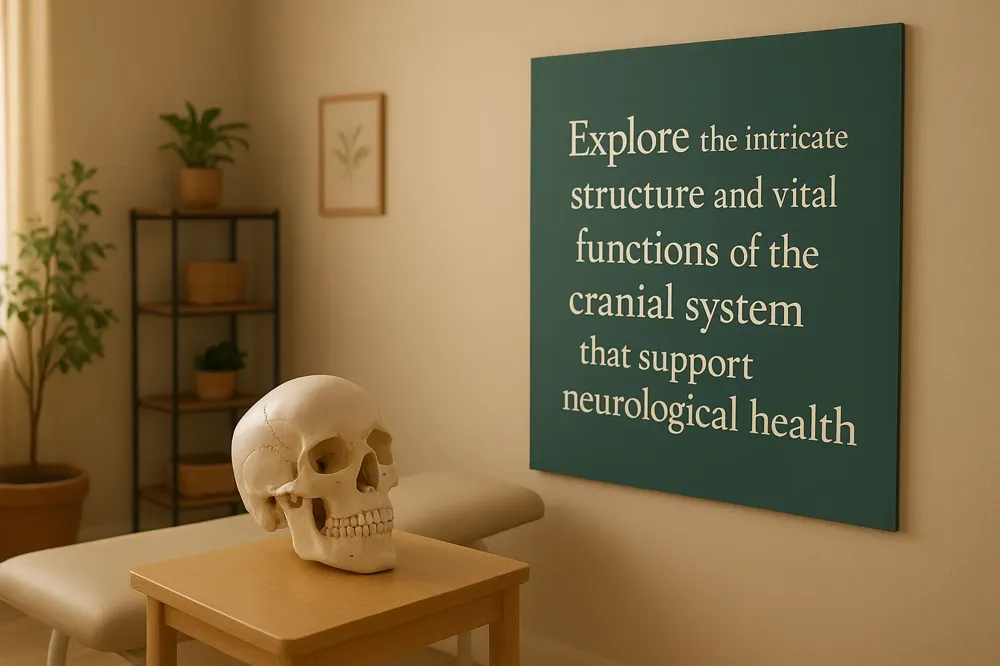
The human skull comprises 22 bones of the human skull distinct bones interconnected by fibrous sutures, which are essential for subtle movement known as cranial micromotion. Contrary to earlier beliefs that adult cranial bones were immobile, research and chiropractic perspectives have demonstrated that these bones exhibit slight mobility even into adulthood. This flexibility accommodates various physiological processes and plays a critical role in maintaining neurological health.
Role of Sutures in Cranial Micromotion
The sutures serve as flexible joints connecting the cranial bones, allowing them to move slightly relative to one another. This micromotion is vital for the skull's ability to expand and contract rhythmically in tandem with cerebrospinal fluid (CSF) mechanics movement. The integrity and function of these sutures are crucial for the optimal flow of cerebrospinal fluid (CSF) and for proper dural tension, which impacts the central nervous system support efficiency.
Cerebrospinal Fluid Circulation and the Dura Mater
Cerebrospinal fluid circulates within the brain's ventricular system and the subarachnoid space, surrounding the brain and spinal cord. This circulation is facilitated by the rhythmic expansion and contraction of the cranial bones, which effectively 'pump' CSF through the nervous system. The dura mater, a fibrous membrane connected to the cranial vault and sacrum, anchors the spinal cord and helps regulate CSF dynamics. Proper dura mater tension and cranial bone movement are essential to maintain cerebrospinal fluid flow management, which supports brain nourishment, waste removal, and nervous system protection.
Impact of Cranial Motion on Nervous System Health
Because approximately 80% of the nervous system beneath cranial bones resides within the cranial vault, the mobility of the skull bones directly influences neurological function. Restrictions in cranial bone mobility or misalignments can impede CSF circulation, increasing intracranial pressure and interfering with nerve signaling. This can manifest as headaches, cognitive impairments, balance issues, and various neurological disorders. Maintaining normal cranial biomechanics is therefore fundamental to sustaining overall nervous system health and function.
Craniopathy Techniques and Their Clinical Applications
Chiropractic Craniopathy and Sacro Occipital Technique (SOT®)
Chiropractic craniopathy is a specialized approach that focuses on the mobility and function of the 22 bones of the human skull and their connections to the nervous system beneath cranial bones and spine. It originated and developed through the Sacro Occipital Technique (SOT®) created by Dr. Major Bertrand Dejarnette, combining chiropractic, osteopathic, and mechanical engineering principles.
This technique emphasizes restoring proper cranial bone alignment and dura mater function, which supports the cerebrospinal fluid (CSF) mechanics critical for neurological health. Practitioners use gentle, precise adjustments to address cranial subluxations that affect the spine and nervous system.
Differences Between Craniopathy and Craniosacral Therapy (CST)
While craniopathy and craniosacral therapy (CST) both involve hands-on treatment of cranial structures, craniopathy is performed by chiropractors and osteopaths with extensive training, focusing on the precise alignment and functional correction of skull bones, sutures, and the dural system.
In contrast, craniosacral therapy emphasizes releasing fascial tension to enhance CSF flow and relaxation but is less regulated and can be taught in shorter courses. Craniopathy integrates with chiropractic neurology and biomechanics for a more systemic approach.
Training and Certification for Craniopathy Practitioners
Becoming a craniopathy practitioner requires rigorous training, typically five or more years with additional continuing education totaling at least 250 hours. Certification is provided by bodies such as the International Craniopathic Society.
This ensures practitioners are highly skilled in cranial anatomy, pathology, and manual techniques, and understand how cranial dysfunction interacts with systemic neurological health.
Common Conditions Treated
Craniopathy has shown efficacy in treating a broad range of conditions, including:
- Headaches and migraines
- Temporomandibular joint disorders (TMJ/TMD)
- Traumatic brain injuries and concussions
- Developmental disorders like plagiocephaly in infants
- Dizziness, vertigo, and tinnitus
- Neurological symptoms such as learning disabilities, ADHD, trigeminal neuralgia, and stroke symptoms
Interventions focus on improving cranial bone mobility and CSF mechanics, leading to improved nervous system communication and functional recovery.
How to Fix Cranial Misalignment?
Chiropractors perform gentle cranial adjustments using light manual force or specialized instruments targeting the small movable bones of the skull. These adjustments realign bones displaced by trauma, birth injuries, or chronic tension.
By restoring proper bone alignment and relieving dural tension, cranial adjustments improve cerebrospinal fluid flow and reduce pressure on neural structures. This promotes neurological function and symptom relief.
The treatment is painless, safe for patients of all ages, and often leads to immediate relaxation and improved well-being post-session.
Effects and Treatment of Cranial Nerve Damage
What are the effects of cranial nerve damage?
Cranial nerve damage can lead to a wide range of symptoms that affect sensory and motor functions in the head and neck. Common effects include blurred or double vision, abnormal eye movements, and drooping eyelids caused by palsies of nerves controlling ocular muscles. Facial weakness or paralysis often occurs, hindering facial expressions and potentially causing drooling and difficulties with speech.
Other symptoms involve challenges with swallowing and changes in taste or smell sensation. Hearing problems and tinnitus may result from nerve damage affecting auditory function. Impaired balance and coordination are frequently seen due to involvement of vestibular nerves. These impairments collectively can disrupt daily activities, reduce quality of life, and lead to additional neurological complications.
Causes and complexity of cranial neuropathies
Cranial neuropathies arise from diverse causes including infections (e.g., Lyme disease), vascular issues like microvascular ischemia commonly linked with diabetes or hypertension, trauma, tumors pressing on nerves, inflammatory or autoimmune conditions such as sarcoidosis and multiple sclerosis, and congenital defects. Sometimes multiple cranial nerves are affected simultaneously, complicating diagnosis and treatment.
Diagnostic imaging and clinical assessment tools
Diagnosis involves comprehensive neurological exams paired with laboratory tests to evaluate infections, inflammation, and systemic diseases. Electromyography and nerve conduction studies assess functional impairment. Imaging modalities such as magnetic resonance imaging (MRI), particularly with contrast-enhanced and advanced sequences like diffusion-weighted imaging and neurography, are essential to visualize nerve anatomy and detect lesions, tumors, or compressive processes.
Computed tomography (CT) helps identify bone abnormalities and fracture-related injuries affecting nerves. Integrating clinical history with imaging findings allows precise localization of nerve lesions to guide targeted therapy. For more information, see Evaluation of Cranial Nerve Disorders.
How can cranial nerve damage be treated?
Management depends on the underlying cause. Infections require appropriate antimicrobial therapy, whereas inflammatory conditions may necessitate corticosteroids or immunosuppressants. Pain control and symptom relief can involve analgesics, antiseizure medications, or antidepressants.
Surgical interventions become necessary when tumors compress nerves or when anatomical decompression is indicated. Supportive treatments such as physical and occupational therapies aid functional recovery.
Complementary approaches like specialized chiropractic care focusing on cranial and cervical adjustments have shown benefits in improving neurological function and symptom management. This holistic care addresses nerve irritation and enhances overall nervous system balance.
Careful risk factor control, such as managing diabetes and hypertension, is vital to prevent progression or recurrence. Prompt diagnosis and comprehensive treatment improve patient outcomes and quality of life.
Understanding Cranial Neuropathy and Patient Experience
What does cranial neuropathy feel like?
Cranial neuropathy often presents with a complex array of sensory and motor symptoms that significantly affect patients' daily lives. Individuals commonly experience pain, tingling, numbness, or unusual sensitivity in regions such as the face, eyes, forehead, and ears. This discomfort can be sharp or burning in nature, reflecting nerve dysfunction.
Motor involvement frequently manifests as muscle weakness or paralysis. Facial muscle weakness can cause visible drooping on one side of the face, difficulties in closing the eyelid, or trouble smiling and speaking clearly. Eye muscle involvement, due to affected cranial nerves controlling eye movements, often leads to visual disturbances such as double vision or an inability to control eyelid position, causing droopy eyelids and impaired vision.
These symptoms are more than mere physical inconveniences; they impact neurological health by disrupting nerve function and signal transmission. This can lead to impaired balance, coordination, speech difficulties, and visual problems, ultimately limiting routine activities and reducing quality of life.
Patients may also report associated sensations like facial numbness, abnormal tastes, tinnitus, or heightened sensitivity to touch, which complicate diagnosis and management. The multifaceted nature of cranial neuropathy underscores the importance of comprehensive neurological assessment and interdisciplinary care approaches, including possible chiropractic care for cranial neuropathy oriented towards cranial nerve support and rehabilitation.
Craniopathy's Role in Optimizing Nervous System Function
How does chiropractic affect the nervous system?
Chiropractic care primarily enhances nervous system function by restoring proper alignment and mobility of the spine and cranium, which reduces nerve interference. This improved alignment facilitates better communication within the nervous system, allowing it to regulate bodily functions more effectively (Chiropractic craniopathy, Craniopathy chiropractic care).
Enhancement of parasympathetic activity via spinal and cranial adjustments
Specialized techniques in chiropractic, including Craniopathy chiropractic care and spinal adjustments, stimulate the parasympathetic nervous system. This activation promotes a 'rest-and-digest' state, which counterbalances the often overactive sympathetic nervous system found in conditions like chronic pain and stress-related disorders (Neurophysiological Effects of Craniosacral Treatment, Neurobiological basis of chiropractic manipulative treatment).
Balance of the autonomic nervous system
Chiropractic interventions help regulate the autonomic nervous system (ANS) by decreasing excessive sympathetic tone and enhancing parasympathetic activity. This balance reduces physiological stress responses, lowers cortisol levels, and improves heart rate variability, which is indicative of better cardiovascular and neurological health (Neurophysiological Effects of Craniosacral Treatment).
Benefits on mood, pain, immune function, and neurological regulation
By modulating ANS function, chiropractic care contributes to improvements in mood and reductions in anxiety and depression symptoms. It also alleviates pain by reducing nerve irritation and inflammation. Enhanced parasympathetic tone supports immune system regulation and fosters better neurological outcomes, including greater neuroplasticity and cognitive function (Neurobiological basis of chiropractic manipulative treatment, Chiropractic craniopathy).
In summary, Craniopathy chiropractic care and related chiropractic techniques offer a holistic, non-invasive approach to optimizing nervous system health by improving spinal and cranial function, restoring autonomic balance, and promoting overall wellness (Chiropractic craniopathy, Neurophysiological Effects of Craniosacral Treatment.
Research Insights: Cranial Manipulation and Brain Health
What studies exist on cranial osteopathic and chiropractic techniques?
Research on manual cranial therapies, including Osteopathy in the Cranial Field and Craniopathy chiropractic care, has explored their potential to enhance neurological function. Notably, cOMM has been studied using a rodent blast injury model of traumatic brain injury (TBI), demonstrating improved cerebrospinal fluid (CSF) transport and fluid clearance shortly after treatment. This suggests enhanced brain detoxification and neurological recovery potential. Cranial chiropractic techniques, like the Sacro Occipital Technique (SOT), focus on restoring proper cranial bone motion and CSF mechanics, aiming to optimize central nervous system function. However, some physiological studies, such as those analyzing heart rate variability after cranial techniques like Physiological effects of CV4 cranial osteopathic technique, show minimal immediate autonomic effects in asymptomatic subjects, indicating the need for further research.
How do cranial manipulation techniques affect cerebrospinal fluid flow and the glymphatic system?
The skull’s subtle micromotions, facilitated by connective sutures, assist CSF circulation, which is vital for nutrient delivery and metabolic waste removal within the brain, a process managed by the glymphatic system. Cranial manipulation aims to restore or enhance these movements and normalize dura mater tension, supporting uninterrupted CSF flow. Dysfunction in CSF dynamics is linked to neurological disorders such as Alzheimer's and Parkinson's disease care. Improving cranial bone alignment through Chiropractic craniopathy and osteopathic manipulation may optimize glymphatic function, thereby promoting better brain detoxification and homeostasis.
What are the implications of cranial manipulation for traumatic brain injury recovery and cognitive function?
Early intervention with cranioplasty in TBI patients within three months is associated with improved postoperative neurological and cognitive outcomes and reduced physiological stress markers. Complementing such surgical treatments, Osteopathy in the Cranial Field techniques enhance CSF circulation and reduce neuroinflammation, evidenced by lowered microglial and astrocyte pathology markers in animal models. Behavioral improvements, including reduced anxiety-like symptoms post-injury, have also been observed. These findings support the therapeutic role of cranial manipulation in facilitating neuro-recovery and cognitive function restoration after brain trauma. For detailed clinical findings on the impact of early cranioplasty on neurological function, see the related studies.
How does craniopathy contribute to reducing inflammation and enhancing brain detoxification?
Craniopathy’s focus on correcting cranial distortions alleviates tension on cranial membranes and supports CSF flow, which is crucial in clearing metabolic waste from the central nervous system. Enhanced CSF circulation through cranial adjustments potentially reduces intracranial pressure and venous backpressure, limiting inflammatory mediators and neurotoxic accumulation. This may lead to decreased neurological symptoms, such as headaches and cognitive dysfunction, emphasizing the role of Craniopathy overview in reducing inflammation and supporting brain health through natural physiological processes.
Safety, Side Effects, and Considerations in Cranial Therapies
What are the side effects of cranial osteopathy?
Cranial osteopathy is generally considered safe when performed by licensed professionals such as doctors of osteopathic medicine or chiropractors. Some patients might experience mild side effects like soreness, headaches, or fatigue shortly after treatment. These effects usually resolve within a few days. Serious complications are rare but can occur, particularly if spinal manipulation accompanies the cranial therapy. For a detailed overview of Cranial osteopathy overview and related safety considerations, see the referenced resource.
Importance of qualified practitioners
It is essential that cranial therapies, including craniopathy and cranial osteopathy, be administered by highly trained and certified practitioners. In chiropractic craniopathy, practitioners typically complete at least five years of training plus additional continuing education to ensure competency. Adequate training reduces the risk of adverse effects and promotes effective treatment. More on craniopathy training requirements and certification can be found in the relevant literature.
Differences from less regulated craniosacral therapies
Unlike some craniosacral therapy practices which may be taught in short courses and are less regulated, chiropractic craniopathy is practiced by chiropractors and osteopaths with rigorous training focused on precise cranial bone alignment and neurological health. This distinction ensures a higher standard of care and patient safety in chiropractic cranial care.
Precautions for infants and patients with neurological conditions
Special caution is advised when performing cranial therapies on infants and patients with neurological issues. For infants, cranial bones are still developing and more vulnerable; thus, gentle, specialized techniques should be used. See more about pediatric craniopathy for infant care. Patients with serious neurological conditions should consult healthcare providers and receive thorough evaluation before therapy to avoid contraindications and ensure safety. For neurological and cranial nerve disorder evaluations, consult resources on Evaluation of Cranial Nerve Disorders and Neurosarcoidosis.
Overall, open communication between patient and practitioner about any discomfort or concerns, combined with treatment by qualified professionals, optimizes safety and outcomes in cranial therapies.
Integrating Craniopathy into Holistic Neurological Health Care
Importance of early assessment and treatment of cranial dysfunctions
Cranial misalignments and dysfunctions, often caused by birth trauma or early life physical stress, can impact neurological health by disrupting cerebrospinal fluid flow and nerve function. Early assessment is crucial, especially in infants, to prevent potential developmental delays and optimize central nervous system function. Techniques like chiropractic craniopathy employ gentle, non-invasive adjustments to restore skull mobility and nervous system balance, promoting more effective neurological communication and recovery.
Craniopathy's role in managing complex neurological and developmental conditions
Chiropractic craniopathy addresses dysfunctions in the 22 bones of the human skull and associated dura mater tensions that can contribute to conditions such as trigeminal neuralgia, post-concussion syndrome, TMJ disorders, migraines, and learning disabilities. By improving cranial bone alignment and cerebrospinal fluid (CSF) mechanics, craniopathy supports neurological regulation and can enhance functional outcomes in patients with these complex conditions.
Support for pediatric patients with cranial distortions and developmental delays
Pediatric craniopathy focuses on alleviating structural distortions in infants and children from gestational or birth-related trauma, including conditions like plagiocephaly and brachycephaly care. Chiropractic cranial care improves symptoms such as feeding difficulties, colic, irritability, and developmental delays by ensuring proper cranial bone motion and nervous system functioning. Early intervention can reduce the need for invasive therapies and promote healthier growth trajectories.
Enhancing overall patient quality of life through natural healing
Through restoring cranial motion and balancing the nervous system, craniopathy chiropractic care offers a holistic approach to supporting brain health and body function. Patients often report improvements in pain relief, sleep quality, cognitive function, and emotional well-being following care. This natural healing process aligns with broader chiropractic principles aimed at maximizing the body's innate capacity for neurological recovery and improved quality of life.
Can cranial deformation cause brain damage?
Available evidence indicates that cranial deformation alone does not cause brain damage or impair brain capacity. However, untreated craniosynostosis, a condition where one or more cranial sutures and body function fuse prematurely, can restrict brain growth and potentially cause neurological damage if not addressed early through appropriate therapies.
| Topic | Focus Area | Clinical Benefit |
|---|---|---|
| Early Assessment | Infants and children with cranial subluxations | Prevents neurological impairment, supports development |
| Neurological Conditions | Migraine, TMJ, neuralgias, concussion | Enhances cranial mechanics and nervous system function |
| Pediatric Support | Plagiocephaly, feeding problems, developmental delays | Reduces symptom severity, promotes healthy growth |
| Holistic Healing | Restores CNS function, supports natural recovery | Improves overall well-being and cognitive health |