Restoring Balance Through the Cranium
Craniopathy is a specialized field within chiropractic that focuses on the relationship between the skull (cranium), spine, and nervous system. While traditional chiropractic care primarily addresses spinal misalignments, craniopathy expands this approach by recognizing the skull's influence on overall body function.
The human skull is not a single fused bone but a dynamic structure composed of 22 bones connected by flexible fibrous joints called sutures. These sutures allow for subtle, normal motion that plays a crucial role in cerebrospinal fluid circulation, brain function, and neurological health.
When cranial motion becomes restricted due to trauma, stress, or misalignment, it can impair cerebrospinal fluid flow and place pressure on nerves. This disruption may contribute to headaches, brain fog, fatigue, TMJ dysfunction, dizziness, and postural imbalances. Craniopathy aims to restore normal motion and balance to the cranial sutures using gentle, precise adjustments.
What Is Cranial Misalignment?
 Cranial misalignment refers to the improper positioning of the thirteen separate bones that make up the skull. While many people think of the adult skull as a single fused helmet, these bones are held together by connective soft tissue and blood vessels, allowing for subtle, natural movement. When this movement is disrupted, the bones can shift out of their proper alignment.
Several factors can cause cranial misalignments. Physical trauma such as a fall or car accident is a common cause, but even everyday stresses like concussion, difficult childbirth, or in-utero pressures can disrupt the normal position and motion of the cranial bones. These forces place strain on the fibrous joints (sutures) that connect the bones, leading to fixation or restricted motion.
When cranial bones are misaligned, they can interfere with the central nervous system and blood supply to the brain. The resulting pressure may disrupt normal cerebrospinal fluid (CSF) flow, which is essential for nourishing and protecting the brain and spinal cord. Consequences often include chronic headaches or migraines, vision problems, jaw pain (TMJ dysfunction), sinus issues, cognitive difficulties such as brain fog or memory trouble, and, in children, developmental challenges like speech impairment or learning difficulties.
Chiropractors trained in craniopathy assess these misalignments through gentle palpation of the cranial sutures and evaluating overall head symmetry. Correction involves light-force adjustments delivered by hand or with specialized instruments to release trapped tension in the sutures. The goal is to relieve pressure on the brain and restore proper neurological function without forceful cracking or popping.
At Southeast Family Chiropractic in Gastonia, North Carolina, practitioners evaluate both cranial alignment and its connection to spinal health as part of a comprehensive care plan. By addressing imbalances in the cranium alongside traditional spinal adjustments, patients often experience faster relief from chronic pain and improved nervous system function than with spinal care alone.
The Cranial Adjustment Process
A cranial adjustment is a specialized chiropractic technique that focuses on the bones of the skull, particularly the sphenoid bone — a butterfly-shaped structure at the base of the skull. When this bone becomes rotated or misaligned, it can place pressure on nearby cranial nerves that exit the brain through small openings around it, potentially interfering with normal nerve function.
The procedure itself is remarkably gentle. The doctor typically applies light manual pressure inside the mouth on the upper palate to correct rotation and relieve nerve pressure. Other adjustments may be performed externally using fingertips or an adjusting instrument. Unlike traditional spinal manipulations, cranial adjustments use micro-forces often measured in just a few grams of pressure.
Conditions That Respond to Cranial Adjustments
Practitioners use this technique to address a wide range of issues. Common conditions include headaches and migraines, TMJ dysfunction, post-concussion syndrome, chronic sinus congestion, vertigo, and facial pain. In pediatric patients, cranial adjustments are used for torticollis, feeding difficulties in infants
Craniosacral Therapy Explained
 Craniosacral therapy (CST) is a gentle, hands-on technique that uses a light touch to release tension in the body's connective tissue network, called the fascia. This fascia forms a continuous casing that holds organs, glands, nerves, muscles, blood vessels, brain, and spinal cord. CST focuses specifically on the craniosacral system — the membranes and cerebrospinal fluid (CSF) that surround and protect the brain and spinal cord.
The primary goals of CST are tension relief (often described as fascial clearance) and promoting the body's natural abilities for self-regulation, self-correction, and self-healing. By easing restrictions in the craniosacral system, practitioners aim to improve central nervous system function and restore balance throughout the body.
Conditions That May Respond to Craniosacral Therapy
Craniosacral therapy may help manage symptoms of several chronic conditions. These include chronic pain syndromes such as fibromyalgia, headaches including migraines, neuralgia (nerve pain), post-concussion syndrome, temporomandibular joint (TMJ) dysfunction, scoliosis, stroke recovery, and complex regional pain syndrome. It is often used alongside other treatments as part of a comprehensive care plan.
What Happens During a Session
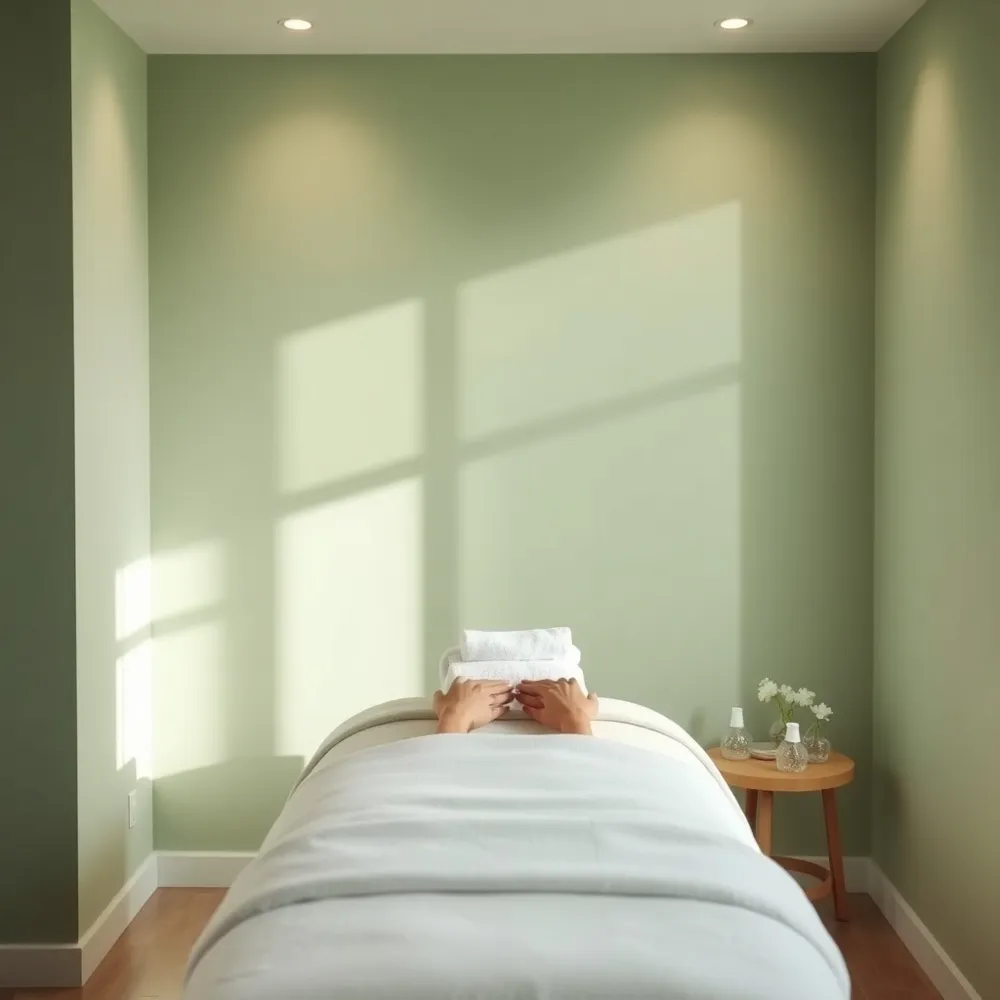
A typical CST session lasts 30 to 60 minutes. The patient remains fully clothed and lies on a massage table. The therapist applies gentle pressure — typically no more than five grams of force — to specific areas of the head, neck, back, or regions where symptoms are present. Using their hands to palpate subtle movements in the craniosacral rhythm, they identify areas of restriction or tension and work gently to release them.
Craniosacral therapy is performed by trained professionals including chiropractors (like those at Southeast Chiropractic), doctors of osteopathic medicine (DOs), physical therapists, occupational therapists, and licensed massage therapists. Multiple sessions are often recommended; some patients feel relief immediately while others notice improvements over several weeks or months.
Safety, Side Effects, and Contraindications
Craniosacral therapy (CST) is widely regarded as a low-risk treatment. Practitioners apply only a few grams of pressure—comparable to the weight of a nickel—making it a gentle approach suitable even for infants and sensitive patients.
Most people tolerate CST without any problems. When side effects do occur, they are typically mild and temporary. Some patients report feeling slightly sore, tired, lightheaded, or emotionally unsettled for a short period after a session as their body releases stored tension.
When to Avoid Craniosacral Therapy
CST is not appropriate for everyone. It should be avoided in cases of acute blood clots, brain swelling (cerebral edema), an aneurysm, or Chiari malformation—conditions where changes in intracranial pressure could be dangerous.
Anyone with a recent concussion or brain injury should only receive cranial work after being cleared by their primary healthcare provider. A thorough review of your medical history before treatment is essential to rule out these contraindications.
Working Within Your Healthcare Team
Southeastchiro.com offers craniopathy and chiropractic care as part of an integrated wellness plan. Cranial adjustments are not intended to replace medical treatment but to complement it. When combined with movement instruction and spinal alignment, as Southeast Family Chiropractic emphasizes in its holistic model, results are often more stable and complete.
Craniopathy Across the Lifespan

Cranial Care for Infants and Children
The human skull is not fully fused at birth. Cranial sutures remain open well into adulthood, allowing the brain to grow and the skull to adapt. This pliability makes craniopathy particularly suited for infants and children. In newborns, gentle cranial adjustments can help correct flattening spots (plagiocephaly), improve feeding and latch difficulties, reduce colic symptoms, and support drainage for ear infections. Because the bones are still malleable, small corrections early on can have lasting positive effects.
Addressing Pain and Neurological Issues in Adults
For older children and adults, cranial work targets conditions that often resist standard care. Headaches, migraines, TMJ dysfunction (jaw pain), vertigo or dizziness, post-concussion syndrome, sinus pressure, jaw clenching (bruxism), and even some learning or behavioral challenges may respond well to these techniques. Since approximately 80% of the central nervous system resides in the head, restoring normal cranial motion can influence nerve pathways throughout the body.
Why Cranial Issues Can Cause Symptoms Far From the Head
Craniopathy recognizes that problems in the skull can contribute to discomfort elsewhere — including low back pain or ankle issues — because the brain controls all bodily functions via the spinal cord and peripheral nerves. A restriction in cranial motion may alter signaling along this chain. By addressing imbalances at their source in the cranium, chiropractors trained in these methods can often resolve symptoms distant from the head without resorting to medication or surgery.
A Gentle Option for Sensitive Patients of Any Age
Chiropractic Cranial Adjusting (CCA) uses very light force — sometimes just a few grams of pressure — making it safe for everyone from fussy infants to frail elderly patients recovering from injury. Sessions are typically relaxing; many adults report immediate stress relief after treatment, and parents often note improved nursing or sleep in their children following a session.
What to Expect and Insurance Considerations
If you are considering craniopathy, knowing what a typical session involves — and what it might cost — can help you prepare. The process is gentle, the experience is often relaxing, and coverage options vary widely.
A Typical Session: Evaluation, Gentle Touch, and Relaxation
A cranial adjustment session begins with a detailed evaluation. Your chiropractor will take a thorough history and assess your cranial motion through gentle palpation of the skull, noting any asymmetries or areas of restriction. Facial symmetry, jaw function, and upper cervical alignment are also checked.
The adjustment itself uses extremely light force — often described as micro‑adjustments or just a few grams of pressure — applied to specific cranial bones to release tension in the sutures. These corrections aim to rebalance intracranial pressure, improve cerebrospinal fluid flow, and calm the nervous system. Many patients report an immediate feeling of relaxation during or after the procedure.
Insurance Coverage: Variable and Worth Verifying
Craniosacral therapy (CST) is often classified as an alternative treatment by insurers; many traditional plans do not cover it. However, some patients use Health Savings Accounts (HSAs) or Flexible Spending Accounts (FSAs) to pay out‑of‑pocket.
For chiropractic cranial adjustments performed by a licensed doctor of chiropractic, coverage may be available under standard chiropractic benefits if the service is deemed medically necessary — but this varies by plan. Checking directly with your insurance provider about out‑of‑network benefits and pre‑authorization requirements is essential before scheduling treatment.
Self‑Care Techniques as a Supplement
You can also support your care between sessions with simple self‑release techniques. These involve applying extremely light pressure — roughly the weight of a small coin — to points such as the forehead or ears while focusing on slow breathing and body awareness.
These gentle methods can encourage relaxation and help sustain results from professional adjustments. They are best used as a supplement to sessions with a trained practitioner who can assess deeper restrictions.
A Holistic Path to Healing
Craniopathy offers a non‑invasive, whole‑body approach that addresses health by restoring balance among the cranium, spine, and nervous system. Its gentle, precise techniques can alleviate chronic conditions such as headaches and TMJ dysfunction while enhancing neurological function and overall well‑being.
If you are experiencing symptoms that have not responded to other care, consulting a trained chiropractor at southeastchiro.com can help determine whether craniopathy could support your health goals.