Living with Sciatica: A Path to Relief
Sciatica is a widespread condition that affects the sciatic nerve — the longest nerve in the body, running from the lower back through the hips and down each leg. When this nerve becomes irritated or compressed, it can produce pain, tingling, numbness, or weakness that typically radiates from the buttock into one leg and sometimes the foot. While the discomfort can be sharp and intense, most cases of sciatica improve within a few weeks to a few months with the right self-care approach.
This article outlines practical, at-home methods to manage and reduce sciatica pain. Rather than relying on a single strategy, a holistic approach that combines gentle movement, temperature therapy, posture adjustments, and professional guidance offers the best path to relief. The goal is to give you actionable strategies you can use today to ease discomfort and support long-term spinal health.
Understanding Sciatica and Its Triggers
 Sciatica is not a disease itself but a symptom — pain caused by irritation or compression of the sciatic nerve, the body's longest nerve. This nerve runs from the lower back through the pelvis and buttock and down each leg to the foot. When something presses on it, the result is often a sharp, burning pain, tingling, numbness, or weakness along that pathway.
What Causes Sciatica?
A slipped disc is the most common cause, especially as people age. Other sources include spinal stenosis (narrowing of the spine), spondylolisthesis (a bone slipping out of place), a back injury, or muscle tightness in the buttock that traps the nerve (piriformis syndrome). Pregnancy can also produce sciatica-like symptoms as the growing uterus and hormonal changes increase pressure on the nerve.
There are two broad types. Mechanical sciatica happens when a structural issue — a herniated disc or bone spur — physically presses on the nerve. Inflammatory sciatica occurs when swelling from an injury, infection, or condition like pregnancy irritates the nerve without a hard structural pinch.
What Makes It Worse?
Prolonged sitting can increase pressure on spinal discs by up to 40%, compressing the sciatic nerve. Poor posture, slouching, heavy lifting, and twisting movements add strain. Even coughing or sneezing can aggravate pain by briefly raising pressure on the nerve. Weak core muscles and tight hip flexors further destabilize the spine and make symptoms harder to manage.
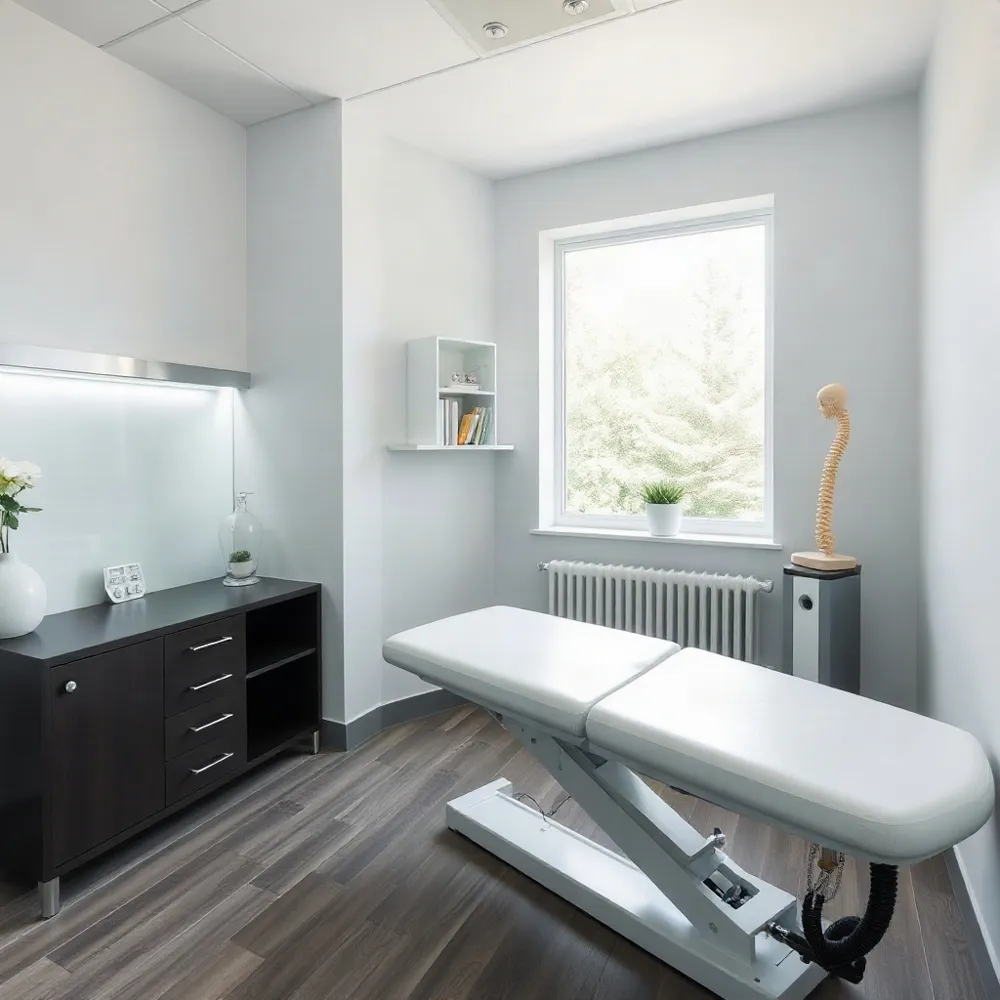
At Southeast Family Chiropractic in Gastonia, North Carolina, the approach begins with identifying the specific cause — whether structural, inflammatory, or muscle-related — through a thorough evaluation. From there, a personalized plan of gentle adjustments and rehabilitative exercises targets that root cause rather than just masking the pain.
Gentle Movement and Targeted Stretches
 Resting too much can actually make sciatica worse. The goal is to keep moving gently. Staying active helps reduce pressure on the sciatic nerve and improves flexibility, even if it feels uncomfortable at first.
Effective exercises include the glute bridge, knee-to-chest stretch, clamshell, bird-dog, cobra stretch, child's pose, cat-cow, piriformis stretch, standing hamstring stretch, seated glute stretch, and figure-four stretch. Each movement should be performed slowly and with control.
How to Perform Stretches Safely
Hold each stretch for 30 seconds and avoid jerking, bouncing, or twisting. Focus on breathing deeply throughout the movement. If any exercise increases your pain, stop immediately.
Incorporate these moves into a routine at least twice a week, or daily if they feel comfortable. For many people, gentle stretches can relieve symptoms within a few weeks. At Southeast Chiropractic, patients learn targeted exercises that complement professional spinal adjustments, helping build strength and prevent future flare-ups.
Temperature Therapy and Pain Relief Options
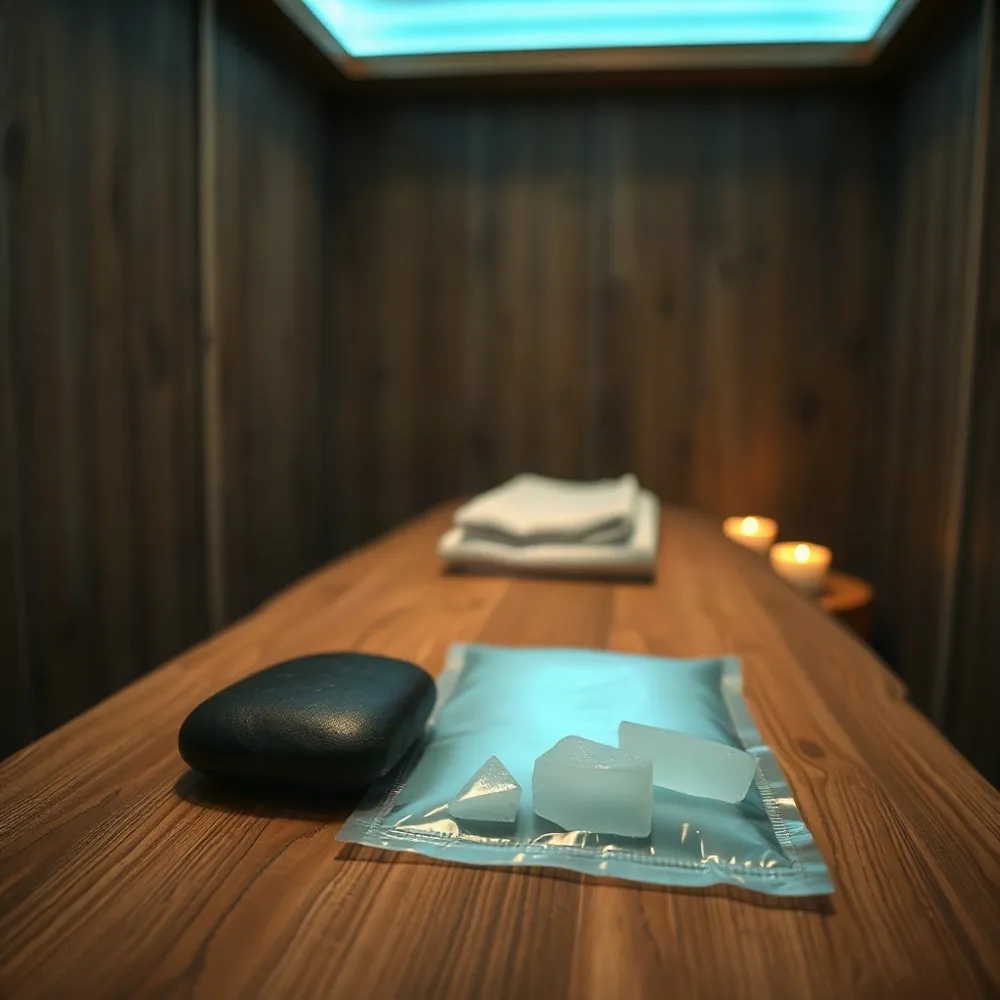 Managing sciatica pain at home often begins with temperature therapy. During the first 24 to 48 hours of a flare-up, applying cold packs to the painful area can help reduce inflammation. The NHS recommends using an ice pack or a bag of frozen peas wrapped in a cloth, applying it for 15 to 20 minutes at a time, several times a day.
After two to three days, switching to heat therapy can relax tight muscles and increase blood flow to the affected area. Use a heating pad on its lowest setting, a heat lamp, or a warm compress for 15 to 20 minutes per session. For ongoing discomfort, Harvard Health notes that alternating between cold and warm packs — one at a time — can provide continuing relief.
Over-the-counter nonsteroidal anti-inflammatory drugs (NSAIDs) such as ibuprofen (Advil, Motrin) or naproxen sodium (Aleve) can offer short-term relief for mild to moderate sciatica pain. The Mayo Clinic advises using these only as directed and notes that their effectiveness for sciatica specifically is not fully clear. For more persistent or severe pain, a healthcare provider may prescribe muscle relaxants, corticosteroids, antidepressants, or anti-seizure medications designed to calm nerve-related pain. In some cases, corticosteroid injections into the area around the affected nerve root can provide targeted, longer-lasting relief.
While medication can manage symptoms, addressing the underlying cause of sciatic nerve compression often produces more lasting results without relying solely on drugs. The Cleveland Clinic recommends seeing a chiropractor for sciatica-like shooting pain, noting that gentle spinal adjustments can relieve pressure on the nerve without requiring vigorous exercise. Chiropractors are trained to identify the root cause of symptoms and can facilitate referrals for imaging or physical therapy if needed. By combining professional chiropractic adjustments with at-home temperature therapy and targeted stretches, many people find durable relief without escalating to stronger medications or invasive procedures.
Posture, Ergonomics, and Lifestyle Adjustments
How you sit, stand, and move throughout the day has a direct impact on sciatic nerve irritation. Small adjustments to your daily habits can reduce pressure on the lower spine and help prevent flare-ups.
Proper Sitting and Standing Posture
Sitting with feet flat on the floor, shoulders back, and lower back supported reduces extra pressure on the spine. Slouching or leaning forward for long periods compresses the discs and can aggravate the sciatic nerve. When standing, keep your weight evenly distributed and avoid locking your knees.
Ergonomic Tools and Workstation Habits
A small lumbar pillow can help maintain the natural curve of your lower back while seated. Taking short stretch breaks every 30 to 60 minutes prevents muscles from stiffening. A sit-stand desk allows you to alternate between sitting and standing, reducing sustained pressure on the spine.
Safe Lifting and Core Strength
Lifting heavy objects with your back instead of your legs places dangerous stress on the spine. Always bend at the knees, keep the load close to your body, and avoid twisting while lifting. Building core strength through exercises like pelvic tilts and glute bridges provides long-term support for the lower back and reduces the risk of re-injury.
Key Lifestyle Changes
Stay active. Gentle, low-impact exercise such as walking or swimming is one of the most effective ways to manage sciatica. Prolonged bed rest makes symptoms worse.
Maintain a healthy weight. Excess body weight adds strain to the lower spine. Weight loss can significantly reduce the pressure on the sciatic nerve.
Avoid smoking. Smoking reduces blood flow to the spinal discs and increases the risk of disc degeneration, a common cause of sciatica.
Do’s and Don’ts for Managing Sciatica
Do stay active with gentle stretching and low-impact exercise like walking, maintain proper posture, and apply heat or cold packs for relief. Don’t sit for long periods, bend forward without support, or lift heavy objects improperly. If self-care does not improve your pain within a few weeks, consult a healthcare professional.
When to Seek Professional Care
Signs Your Sciatica Is Improving
Tracking progress can help you know whether your current care plan is working. A gradual reduction in pain intensity and frequency is the most common sign of improvement, along with increased mobility and range of motion. Another useful indicator is pain centralization, where discomfort that once radiated down the leg begins to retreat toward your lower back and buttocks. Episodes of tingling or shooting pain may also become less frequent. Keeping a daily pain log on a scale of 1 to 10 can help you spot a consistent downward trend and confirm you are on the right track.
When to See a GP or Chiropractor
While many cases of sciatica resolve with home care, some situations require professional attention. According to the NHS, you should see a GP if your pain has not improved after a few weeks of home treatment, is getting worse, or is interfering with your daily activities. Persistent pain that limits your ability to work, walk, or sleep is a clear sign that self-care alone is not enough. A chiropractor can provide a targeted, drug-free approach by addressing spinal misalignments that may be irritating the sciatic nerve, potentially speeding recovery without medication.
Emergency Red Flags: Cauda Equina Syndrome
Some symptoms signal a medical emergency that requires immediate hospital care. The Mayo Clinic warns that surgery is usually necessary when sciatica causes severe weakness, loss of bowel or bladder control, or pain that fails to improve with other treatments. According to the NHS, you should go to A&E or call 999 if you experience sciatica on both sides, severe or worsening numbness or weakness in both legs, numbness around the genitals or anus, or difficulty urinating. These are possible signs of cauda equina syndrome, a serious condition that can cause permanent damage if not treated promptly.
The Role of Chiropractic Care
Chiropractic care offers a drug-free, holistic approach that targets the root cause of sciatic nerve irritation rather than just masking symptoms. Through spinal adjustments, chiropractors can reduce pressure on the nerve, decrease inflammation, and restore mobility. The Cleveland Clinic notes that sciatica-like pain can usually be relieved within four visits or less, and that chiropractors teach basic exercises to prevent symptoms from returning. At Southeast Chiropractic in Gastonia, NC, patients receive personalized care plans that combine adjustments with lifestyle guidance to support lasting recovery.
Other Professional Treatments
Beyond chiropractic care, several professional therapies can help manage sciatica. Physical therapy uses targeted exercises to strengthen supporting muscles and improve flexibility, reducing the risk of recurrence. Massage therapy, as recommended by the Mayo Clinic, can loosen tight muscles in the back and hips that may be contributing to nerve irritation. Some patients also benefit from acupuncture or spinal decompression, a gentle treatment that creates space between vertebrae to relieve pressure on herniated or bulging discs. A healthcare provider can help determine which combination of treatments best fits your specific condition.
| Treatment | Approach | Best For |
|---|---|---|
| Chiropractic adjustments | Target spinal misalignments to reduce nerve pressure | Mild to moderate sciatica, recurring pain |
| Physical therapy | Strengthen core and improve flexibility | Long-term prevention and recovery |
| Massage therapy | Release tight muscles and trigger points | Muscle tension contributing to nerve irritation |
| Spinal decompression | Stretch spine to create disc space | Herniated or bulging discs |
| Acupuncture | Stimulate nerves to reduce pain perception | Complementary pain relief |
Achieving Lasting Relief: A Comprehensive Approach
The most effective path to long-term sciatica relief combines consistent home care with professional treatment that addresses the root cause. While stretches, temperature therapy, and posture adjustments provide valuable symptom control, they work best when paired with care that corrects underlying spinal issues.
Chiropractic care focuses on identifying and treating the source of sciatic nerve irritation rather than just masking pain. Through spinal adjustments and manual therapies, chiropractors restore proper alignment, reduce nerve compression, and improve mobility. According to the Mayo Clinic, spinal manipulation appears to work and to be as safe as standard treatments for low back pain.
At Southeast Family Chiropractic, each patient receives a personalized care plan that combines chiropractic adjustments with guided home strategies. This integrated approach helps correct misalignments while teaching exercises and lifestyle habits that prevent future flare-ups.
Preventing recurrence is a critical part of lasting relief. Simple daily habits such as regular exercise, core strengthening, maintaining good posture, and managing body weight significantly reduce the chance of sciatica returning. The NHS also advises that smoking increases the risk of developing sciatica, making cessation another important preventive step.
For the vast majority of people, conservative care provides full recovery without surgery. The Mayo Clinic notes that surgery is usually only needed when sciatica causes severe weakness, loss of bowel or bladder control, or pain that doesn't improve with other treatments. With a consistent, cause-based plan that includes both professional care and smart daily habits, lasting relief is an achievable goal.
Empower Your Recovery: Take the First Step
Managing sciatica at home through gentle movement, temperature therapy, improved posture, and lifestyle changes can provide meaningful relief. For many people, these daily habits are enough to reduce pain and support the body's natural healing process.
Yet lasting relief often requires addressing the root cause of sciatic nerve irritation. A healthcare professional, such as a chiropractor or physical therapist, can assess your specific triggers and design a personalized plan that targets the underlying issue rather than just the symptoms.
At Southeast Family Chiropractic, patients receive non-invasive, drug-free care focused on spinal alignment and natural healing. Their team evaluates each individual's condition and uses techniques such as spinal adjustments and soft tissue therapy to relieve nerve pressure and improve mobility.
With the right strategies, lasting relief is achievable. If home care alone isn't enough, taking the step to seek professional guidance can make all the difference in your recovery journey.