Introduction
Holistic pain management embraces a whole‑person approach that integrates mechanical, biochemical, and neurophysiological strategies to address musculoskeletal discomfort. Evidence‑based guidelines from the American College of Physicians and the National Institute for Health and Care Excellence endorse non‑pharmacologic options—such as spinal manipulation, low‑level laser therapy (LLLT), and acupuncture—as first‑line treatments for low back, neck, and joint pain. When these modalities are combined, they produce synergistic effects: manual therapy restores proper joint mechanics, laser therapy stimulates cellular repair and reduces inflammation, and acupuncture activates endogenous opioid pathways, together achieving greater pain reduction and faster functional recovery than any single therapy alone. A patient‑centered model tailors this multimodal plan to each individual’s history, preferences, and goals, emphasizing education, active self‑care, and non‑invasive interventions that minimize reliance on medications and support long‑term wellness.
Understanding Manual Therapy
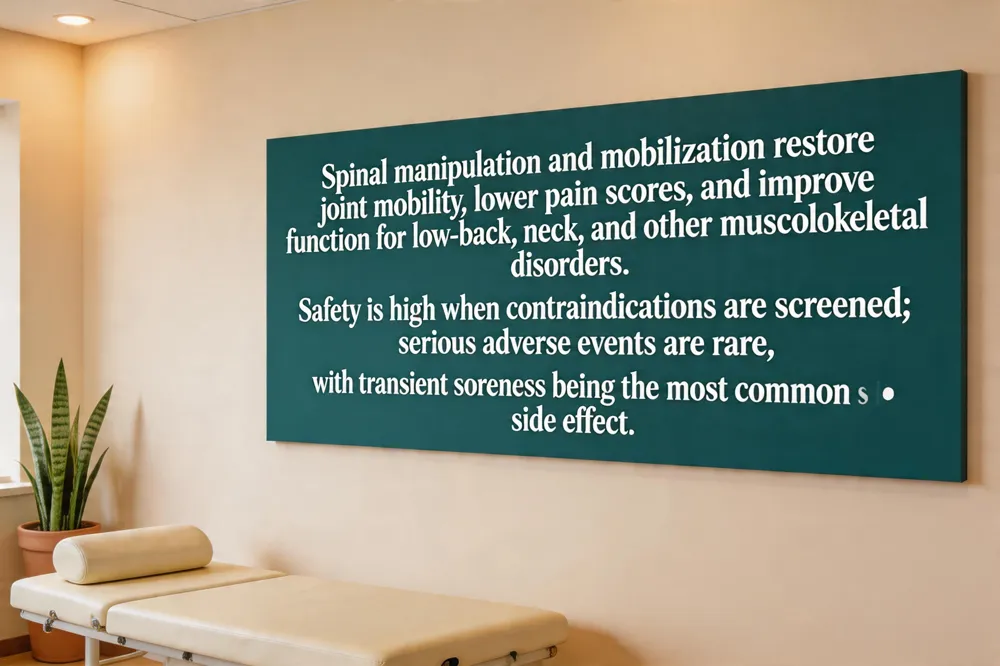 Spinal manipulation and mobilization are core manual‑therapy techniques used to restore joint mobility, reduce muscle tension, and diminish nociceptive input. Systematic reviews and randomized trials consistently show that these interventions lower pain scores and improve functional outcomes for low‑back, neck, and other musculoskeletal disorders (American College of Physicians, 2021; Miller et al., 2020). Safety is favorable when clinicians screen for contraindications; serious adverse events are rare, with transient soreness being the most common side effect.
Disadvantages of chiropractic – Temporary stiffness, the need for multiple follow‑up visits, limited benefit for non‑musculoskeletal conditions, and a rare risk of vertebral‑artery injury with high‑velocity neck adjustments. Costs can accumulate, and outcomes depend on practitioner expertise.
Is chiropractic pseudoscience? – While early concepts like "subluxation" lack scientific support, evidence‑based spinal manipulation delivered by licensed chiropractors yields modest, clinically meaningful relief for acute and chronic low‑back and neck pain. Thus, the profession contains both scientifically unsupported ideas and validated therapies.
Can a chiropractor adjust a rotator cuff? – Yes; chiropractors can employ joint‑mobilization and soft‑tissue techniques to improve shoulder mechanics and support rotator‑cuff healing without surgery.
Can a chiropractor help with cortisol levels? – By optimizing nervous‑system function and reducing stress‑related muscle tension, chiropractic care may aid in normalizing cortisol levels in stressed individuals.
Low‑Level Laser Therapy in Practice
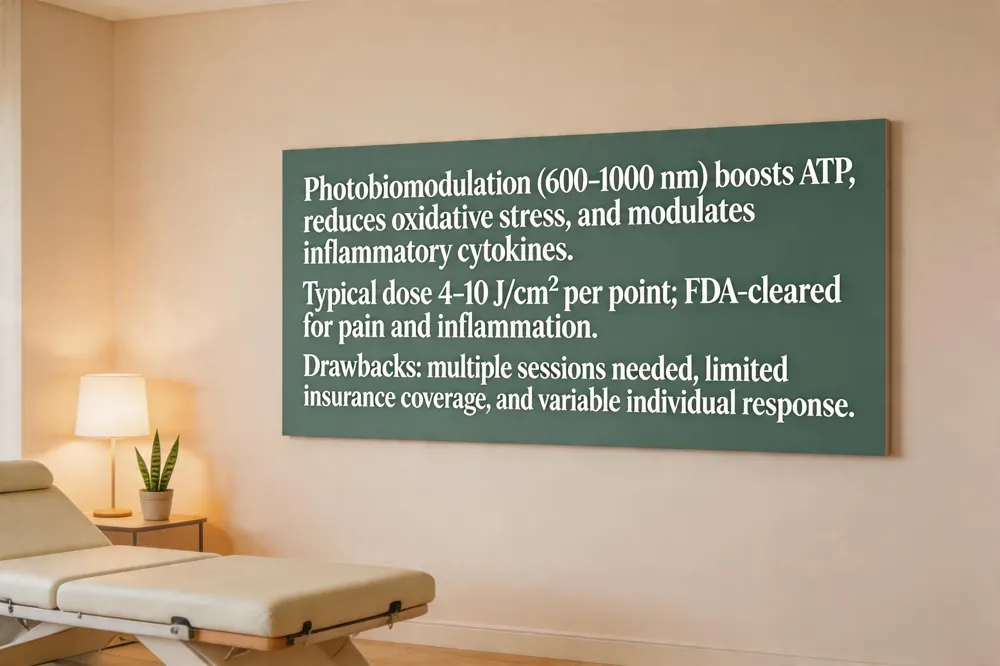 Photobiomodulation works by delivering red to near‑infrared light (600‑1000 nm) that is absorbed by mitochondrial chromophores, increasing ATP production, reducing oxidative stress, and modulating inflammatory mediators such as IL‑6 and TNF‑α. Typical therapeutic dosages range from 4‑10 J/cm² per point, with 808‑nm continuous and 905‑nm pulsed wavelengths (e.g., Mphi 75) providing anti‑inflammatory and analgesic effects. Low‑level lasers are FDA‑cleared for pain and inflammation, and serious adverse events are rare when applied by licensed clinicians; mild skin redness or a transient warm sensation may occur.
What are two drawbacks of laser therapy? requires several sessions to achieve noticeable improvement, increasing time and cost, and insurance coverage is limited, leaving patients to pay out‑of‑pocket. Outcomes can vary widely among individuals, and mild side effects such as temporary redness or tingling may be experienced.
Laser acupuncture vs needle acupuncture: Laser acupuncture stimulates acupoints with low‑level infrared light without skin penetration, offering a painless, infection‑free option ideal for needle‑phobic patients, children, or those with bleeding disorders. Needle acupuncture inserts ultra‑fine steel filaments, potentially causing bruising or infection. Clinical studies suggest comparable analgesic outcomes for conditions like osteoarthritis and low back pain, though laser treatment is quicker and non‑traumatic.
Is laser acupuncture effective? Evidence shows measurable pain relief and functional gains, especially for osteoarthritis and low back pain, with reductions in VAS and WOMAC scores versus placebo. Benefits are modest and often short‑term, lasting about eight weeks, and are enhanced by higher‑power (≥100 mW) and longer‑wavelength (≥1000 nm) devices. Proper technique and professional training are essential; when combined with manual therapy and other modalities, laser acupuncture contributes to a holistic pain management plan.
Acupuncture: Needle and Laser Approaches
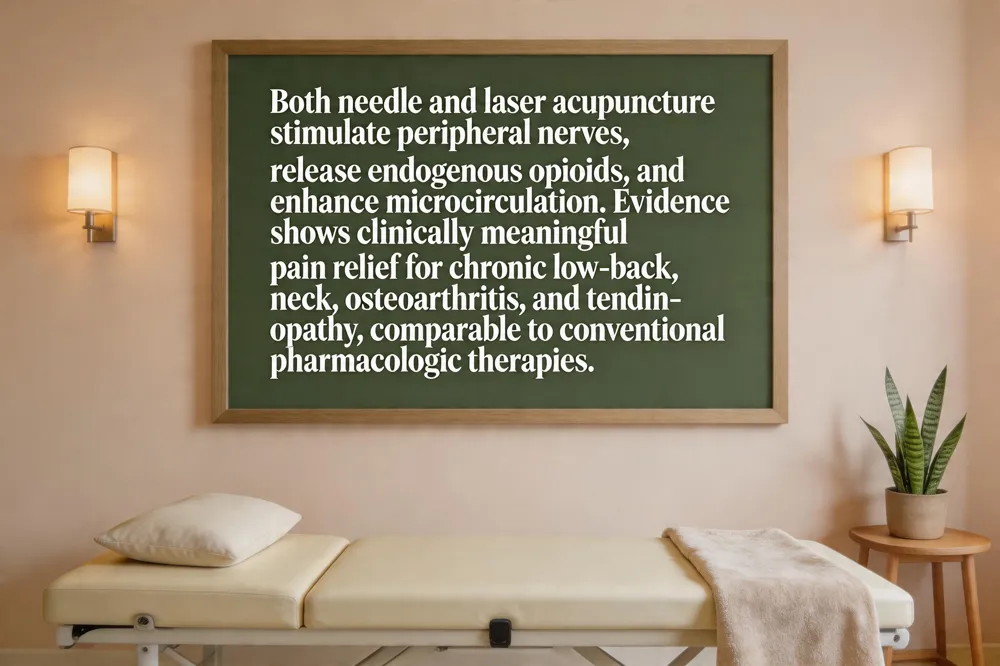 Neurophysiological mechanisms: Both needle acupuncture and laser acupuncture stimulate peripheral nerves, prompting the release of endogenous opioids (endorphins, enkephalins) and neurotransmitters such as serotonin and norepinephrine. This activation of descending inhibitory pathways reduces nociceptive input and modulates neuroinflammation, while laser‑derived photobiomodulation boosts ATP production and microcirculation at the same points, enhancing tissue repair.
Evidence for chronic pain relief: Systematic reviews and randomized controlled trials repeatedly show that acupuncture—whether needle‑based or laser‑based—produces clinically meaningful reductions in chronic low‑back pain, neck pain, osteoarthritis, and tendinopathy. Meta‑analyses report effect sizes comparable to conventional pharmacologic therapies, and combined manual therapy with laser therapy or needle acupuncture yields greater pain relief and functional gains than any single modality alone.
Application after surgery: Post‑operative protocols can incorporate laser acupuncture as a painless, infection‑free adjunct to accelerate healing, decrease inflammation, and lessen opioid reliance. Needle acupuncture may be introduced once incisions have healed, targeting points that improve circulation and reduce scar tissue. Chiropractors can integrate these modalities with gentle spinal adjustments and rehabilitative exercises to support a safe, multimodal recovery.
Pain management techniques after surgery
After surgery, managing pain safely involves a multimodal plan that combines medication, physical therapies, and self‑care techniques. Over‑the‑counter analgesics such as acetaminophen or ibuprofen can be used under your surgeon’s guidance, while targeted ice or heat applications reduce inflammation and muscle tension. Gentle range‑of‑motion exercises, deep‑breathing, and guided relaxation help maintain circulation and lower stress‑related pain. Your chiropractor can design a personalized program of low‑impact stretches, soft‑tissue work, and optional laser therapy or acupuncture therapy to support healing. Always discuss your pain‑control strategy with your surgical team and contact them if pain becomes severe or persistent.
Non pharmacological treatment for pain examples
Non‑pharmacologic pain management includes a wide range of therapies that work without medication. Physical and occupational therapy, regular exercise (aerobic, aquatic, or resistance), and spinal manipulation are foundational tools for reducing musculoskeletal pain. Mind‑body practices such as yoga, tai chi, qigong, mindfulness meditation, and cognitive‑behavioral therapy help patients re‑focus attention and lower stress‑related pain amplification. Complementary modalities like acupuncture, massage, transcutaneous electrical nerve stimulation (TENS), heat or cold application, and biofeedback provide additional relief for chronic or acute discomfort. Together, these approaches enable patients to improve function and quality of life while minimizing reliance on drugs.
Integrating Modalities for Optimal Outcomes
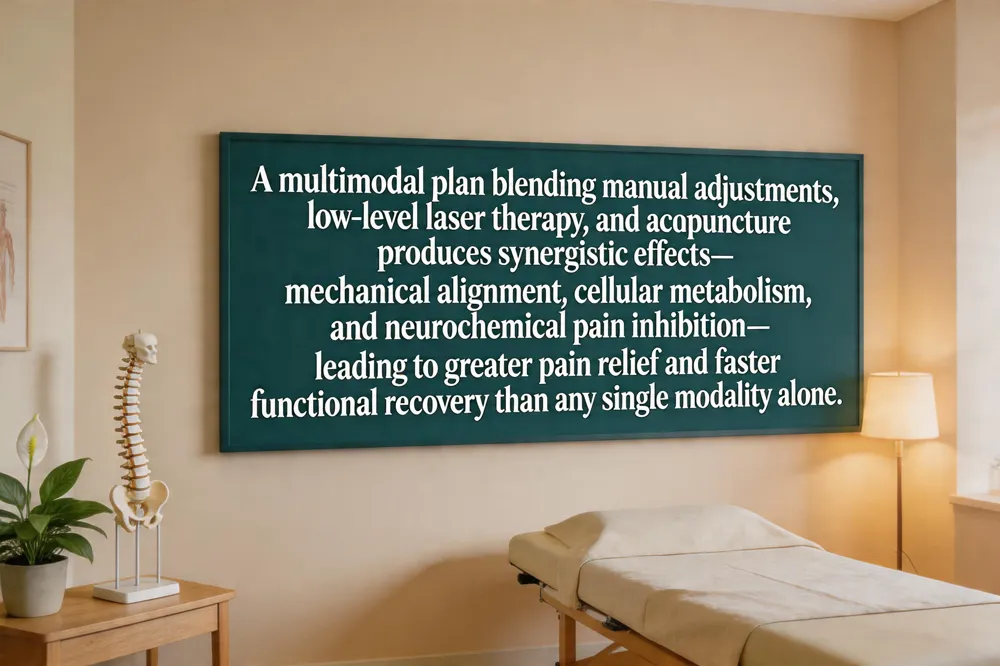 A multimodal, patient‑focused plan that blends manual therapy, low‑level laser therapy (LLLT), and acupuncture delivers synergistic pain relief. Manual adjustments restore biomechanical alignment, reducing nociceptive input; laser therapy activates cellular metabolism, increasing ATP production and microcirculation; acupuncture stimulates peripheral nerves, triggering endogenous opioids and neurotransmitter release. When combined, these mechanisms amplify each other, producing greater reductions in pain scores and faster functional recovery than any single modality alone, as documented in systematic reviews and meta‑analysis (American College of Physicians, 2021; Miller et al., 2020).
Patient‑focused treatment planning begins with a thorough history, physical exam, and imaging when needed, then tailors the sequence and dosage of each modality to the individual’s condition, pain chronicity, and preferences. Southeast Family Chiropractic in Gastonia, NC offers this integrated approach in‑house, allowing seamless transition between adjustments, laser runs, and acupuncture while providing education on posture, exercise, and lifestyle.
Evidence‑based guidelines from the American College of Physicians, NICE, and the American Chiropractic Association endorse non‑pharmacologic, multimodal care as first‑line for low back, neck, and musculoskeletal pain. Plans that follow these guidelines have shown higher patient satisfaction, lower opioid use, and sustained functional improvement.
Frequently Asked Questions
- Chiropractic treatment price: New‑patient exam and same‑day adjustment start at $75 (cash‑check discount $5). Follow‑up visits are $55 for 30 minutes or $75 for 45 minutes with cranial sacral massage. Individual adjustments cost $30‑$50; multi‑visit packages and insurance reimbursements reduce out‑of‑pocket costs.
- Do you feel pain after a chiropractic adjustment? Mild, temporary soreness similar to post‑workout discomfort is common and usually resolves within 24 hours. Severe or prolonged pain should be reported promptly.
- What toxins are released after chiropractic adjustment? The adjustment may release a small burst of gases (nitrogen, oxygen) and help mobilize metabolic waste such as lactic acid, carbon dioxide, and inflammatory cytokines, which are then cleared by the body’s natural detoxification systems.
Frequently Asked Questions About Safety and Efficacy
Safety profiles of manual therapy, laser, and acupuncture
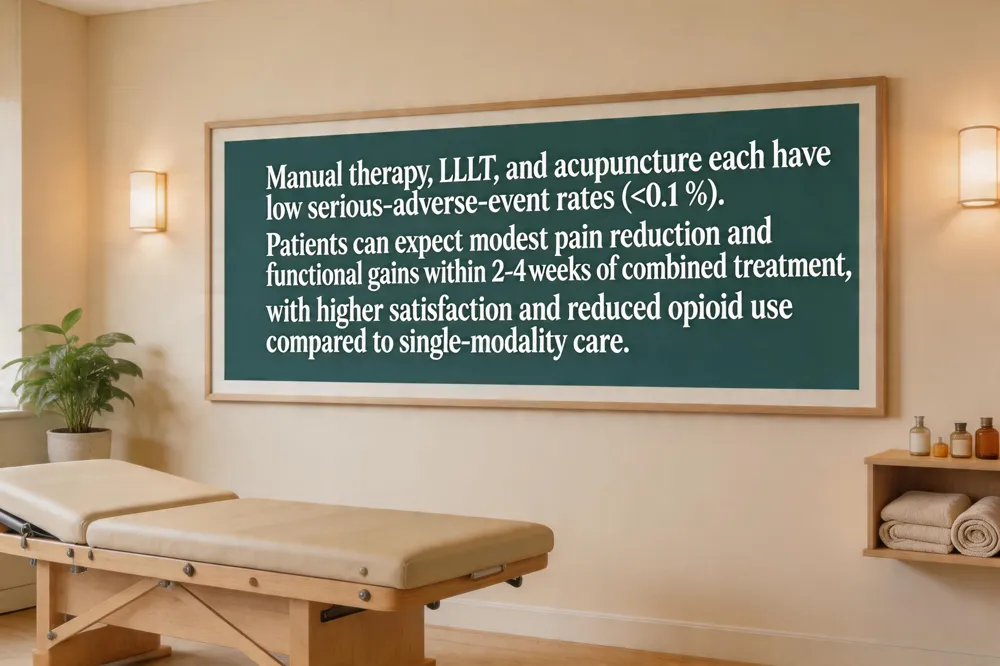
Manual therapy (spinal manipulation, mobilization, soft‑tissue techniques) has a strong safety record when performed by licensed chiropractors; serious adverse events are exceedingly rare (<1 in 10 million adjustments), while mild soreness or transient bruising are common. Low‑level laser therapy (LLLT) is non‑thermal, painless, and FDA‑cleared; side effects are limited to mild skin redness when dosage exceeds therapeutic ranges. Acupuncture, whether needle‑based or laser‑based also carries a low risk profile, with serious complications occurring in less than 0.1 % of treated patients when proper sterile technique is used.
Patient expectations and outcomes
Patients can expect modest but clinically meaningful pain reduction and functional gains within 2–4 weeks of combined treatment, especially for low back, neck, and joint disorders. Multimodal care—manual therapy plus laser and acupuncture often yields faster symptom relief and higher satisfaction than any single modality alone. Improvements are typically measured by VAS, Oswestry Disability Index, or WOMAC scores, and many individuals report reduced reliance on opioid medications.
Evidence synthesis
Systematic reviews and meta‑analyses consistently show that spinal manipulation, LLLT, and acupuncture each provide statistically significant pain relief for musculoskeletal conditions. When integrated, they produce synergistic effects addressing biomechanical dysfunction, cellular inflammation, and neurochemical pain pathways simultaneously. This evidence‑based, patient‑centered approach aligns with guidelines from the American College of Physicians and the American Chiropractic Association.
Frequently asked questions
Is chiropractic pseudoscience? Chiropractic’s origins in the concept of “subluxation” and innate‑energy healing are not supported by modern science, leading many critics to label the profession as pseudoscientific. However, systematic reviews show that spinal manipulation performed by a licensed, evidence‑based chiropractor can provide modest, clinically meaningful relief for acute and chronic low‑back and neck pain. These benefits are most reliable when the care is focused on musculoskeletal conditions rather than broad claims of curing unrelated diseases. While serious adverse events are rare, mild side effects such as soreness are common, and practitioners should screen patients carefully. In short, the practice contains both scientifically unsupported ideas and evidence‑backed therapies, so its classification depends on the specific techniques and claims being evaluated.
Disadvantages of chiropractic Potential disadvantages include temporary soreness or stiffness after adjustments and the possibility that relief may be short‑lived, requiring several follow‑up visits to maintain benefits. Evidence suggests chiropractic is most effective for musculoskeletal complaints, so it may offer limited or no benefit for non‑musculoskeletal conditions. Repeated high‑velocity spinal manipulations, especially in the neck, carry a rare but serious risk of vertebral‑artery dissection and stroke. Treatment costs can add up quickly when multiple sessions are recommended, and some patients feel pressured into long‑term maintenance plans. Finally, outcomes depend heavily on the practitioner’s qualifications, so receiving care from an unlicensed or inexperienced chiropractor increases the likelihood of complications.
Is laser acupuncture effective? Laser acupuncture can provide measurable pain relief and functional improvement, especially for conditions like osteoarthritis, where studies show significant reductions in VAS and WOMAC scores compared with placebo. The benefits tend to be short‑term, often diminishing after about eight weeks, and are most pronounced when higher‑power (≥100 mW) and longer‑wavelength (≥1,000 nm) lasers are used. CO₂ and solid‑state lasers have demonstrated greater efficacy than other types. While generally safe, the treatment’s success depends on proper technique and professional training. Overall, laser acupuncture is a modestly effective adjunct for pain management, but it should be combined with other therapeutic strategies for lasting results.
Conclusion
The convergence of manual therapy, low‑level laser therapy, and acupuncture creates a synergistic, multimodal framework that addresses pain from three complementary angles: biomechanical correction, cellular inflammation resolution, and neurochemical modulation. Clinical evidence consistently shows that patients receiving this integrated approach experience greater pain reduction, faster functional recovery, and higher satisfaction than those treated with any single modality alone. Because each individual’s anatomy, health history, and lifestyle differ, the most effective plan is one that is tailored to the patient’s unique needs, goals, and preferences. At Southeast Family Chiropractic, practitioners assess spinal mechanics, tissue health, and nervous‑system signaling before selecting the optimal combination and dosage of adjustments, laser pulses, and acupuncture points. This personalized, evidence‑based strategy not only minimizes reliance on medications but also empowers patients to actively participate in their own healing journey. If you are struggling with chronic musculoskeletal pain, consider a comprehensive, multimodal evaluation to discover the non‑invasive, drug‑free options that best support your long‑term wellness.