Understanding Pressure And Pain
When a spinal nerve is compressed or irritated, symptoms may include pain, tingling, numbness, or weakness. Causes can include a herniated disc, injury, or age-related changes, but similar symptoms can have different sources. An assessment helps identify what may be driving the problem and which care options fit.
Spinal decompression is a broad term for treatments intended to reduce pressure on spinal nerves or other structures. It can refer to nonsurgical approaches, such as traction, or to surgery that removes bone or disc material. These are distinct treatments, not different names for the same procedure. Cleveland Clinic’s overview of spinal decompression explains that the appropriate approach depends on a person’s condition and health history.
This article focuses on nonsurgical traction therapy, which gently stretches the spine with equipment. It is not suitable for every cause of nerve pain, and relief is not guaranteed. At Southeast Family Chiropractic in Gastonia, care includes chiropractic adjustments and rehabilitative treatments; a clinician can discuss which options may suit an individual’s symptoms.
How Nonsurgical Decompression Works
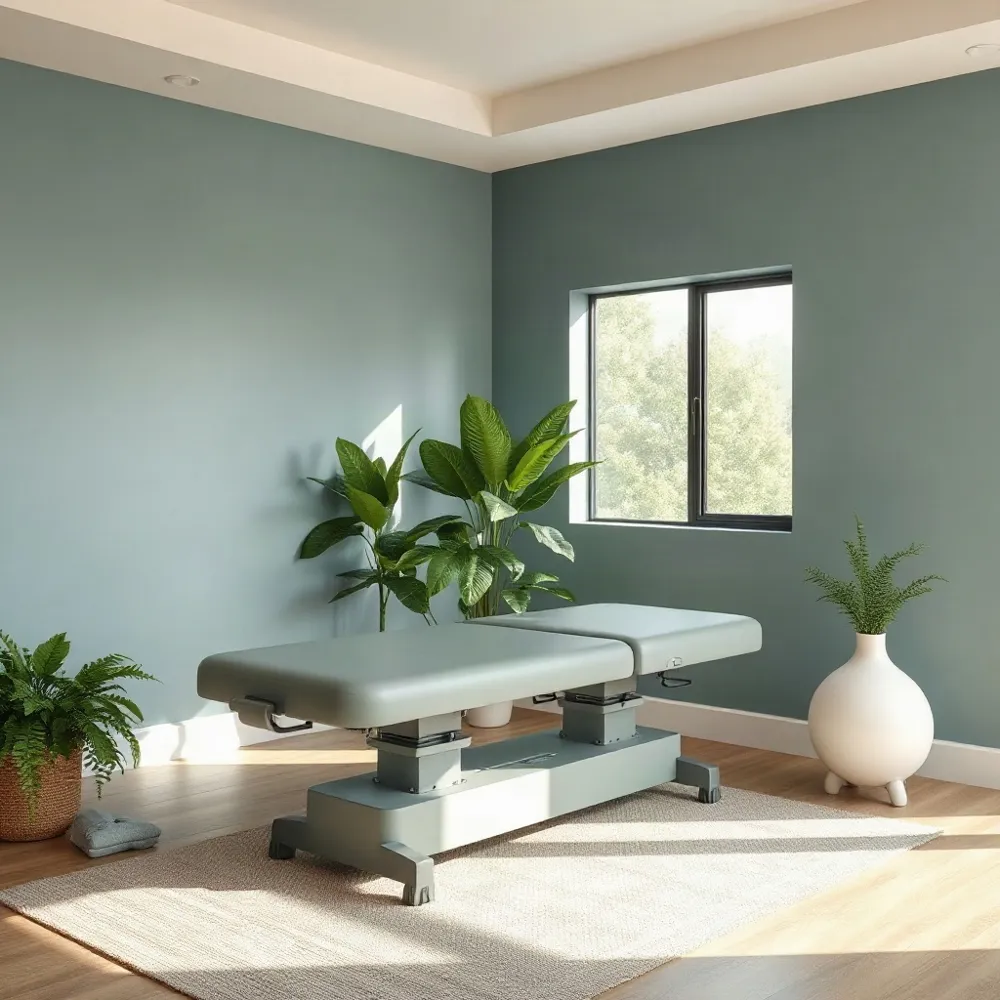 Nonsurgical spinal decompression is a form of motorized traction intended to reduce pressure around spinal discs and nearby nerves. A person lies on a treatment table with harnesses attached, while the table applies controlled periods of stretching and relaxation. The exact setup can vary by device and provider. University of Utah Health describes a similar approach using a hip harness and motorized table.
The treatment’s proposed mechanism is that intermittent stretching changes pressure around a disc and may reduce pressure on nearby nerve roots. That explanation does not establish that disc material will move or that nerve pain will resolve. A small 2022 trial reported some improvements among participants with subacute lumbar disc herniations, but its results do not show that decompression works for every cause of nerve pain or for every person. The study also noted that symptoms may improve naturally.
This traction-based treatment is not the same as surgical decompression. Surgery relieves pressure by removing bone or disc material, while nonsurgical treatment applies traction without removing tissue. The distinction matters when discussing treatment options and expected outcomes. Cleveland Clinic’s overview describes decompression as a broad term that includes both nonsurgical approaches and surgery.
Pressure on a spinal nerve can cause pain, tingling, numbness, or reduced sensation. Pain may travel from the neck into an arm or from the back into a leg, and weakness can also occur. The pattern depends on the cause and location of the pressure, so symptoms alone do not establish whether traction is suitable.
At Southeast Family Chiropractic in Gastonia, care includes personalized, non-invasive chiropractic and rehabilitative services. Anyone considering decompression should ask a qualified healthcare provider whether it fits their condition, especially if symptoms persist or current treatment is not helping.
Who Might Be Considered
 A clinician may consider nonsurgical decompression for some people with persistent back or neck pain, sciatica, or symptoms linked to a disc problem. These conditions can have different causes, so a diagnosis by itself does not show that traction-based treatment is appropriate. Cleveland Clinic’s overview of spinal decompression describes several possible causes of spinal nerve pressure and stresses that treatment depends on the person.
An assessment typically starts with a review of symptoms and medical history, followed by an examination. A healthcare professional may also request X-rays, CT, or MRI to investigate what is causing the pain and how severe the problem is. Imaging findings are considered alongside symptoms and overall health, rather than used alone to select treatment.
Medical history matters when weighing this option. Pregnancy, previous spinal surgery, implanted hardware, fractures, osteoporosis, or other conditions affecting spinal stability may change whether traction is suitable. Tell the clinician about past procedures, current health conditions, and any worsening or unusual symptoms before treatment is considered.
Ask a qualified healthcare professional to explain the possible benefits, risks, and alternatives for your situation. The University of Utah Health guide to decompression therapy distinguishes nonsurgical traction from surgery and recommends individualized evaluation. The available information does not establish that Southeast Family Chiropractic offers this treatment or follow a particular decompression protocol.
Potential Relief And Its Limits
Nonsurgical spinal decompression aims to reduce pressure on spinal structures. For some people, this may ease pain or support better movement and daily function, but improvement is not assured and results depend on the cause of symptoms.
Research offers some encouraging findings, but they are limited. A small 2022 randomized study involving people with subacute lumbar disc herniations found differences between decompression and a sham treatment in lower-leg pain at one follow-up, disability scores, and MRI measurements of disc herniation. It did not find consistent differences in lower-back pain, and the authors called for better-designed studies. The results do not show that decompression reliably relieves every type of nerve pain.
A 2007 debate article assessed research available through 2006 and judged the evidence limited and insufficient to support routine use. It was a historical assessment, not a current clinical guideline, and its conclusions should be read in that context.
Even when symptoms improve, relief may not last. A treatment may lessen pain without correcting the underlying disc or age-related changes, and symptoms can return. A clinician may recommend a broader care plan based on the cause of the problem, which could include other conservative approaches. Exercise or rehabilitation may support function, but neither should be treated as a guarantee of lasting relief.
At Southeast Family Chiropractic in Gastonia, care includes personalized chiropractic and rehabilitative treatment options. Ask a qualified healthcare professional how the evidence, alternatives, potential risks, and likely costs apply to your situation before deciding whether decompression is appropriate.
Risks And Treatment Safety
Safety depends on the person’s health and the cause of their symptoms. Nonsurgical decompression is one of several treatment options, and like other alternative therapies, it may not help. It should not be described as risk-free.
Some reports describe temporary soreness, muscle spasms, or increased pain during traction. A published case report described severe worsening of symptoms during treatment, but a single case cannot show how often serious problems occur. The report is a reason for caution, not a measure of typical risk. The case and evidence review also notes limits in the research available at the time.
Before starting, discuss your health history, symptoms, and possible alternatives with a qualified clinician. At Southeast Family Chiropractic, care is presented as personalized and non-invasive, but treatment suitability still depends on an individual assessment. If pain worsens or new symptoms develop during traction, stop and seek clinical review rather than continuing without guidance.
For a broader overview of how treatment risks vary across spinal decompression options, see the Cleveland Clinic’s guidance.
Other Care For A Pinched Nerve
Treatment depends on what is irritating or compressing the nerve and how severe the symptoms are. Many sudden episodes of back pain improve with time. Rest, pain relievers or muscle relaxants, and hot or cold packs may help during recovery, as Cleveland Clinic’s treatment guidance explains.
When pain persists, clinicians commonly start with less invasive options. Depending on the cause and a person’s health history, these may include physical therapy, chiropractic care, acupuncture, traction, or transcutaneous electrical nerve stimulation (TENS). Physical therapy can include exercises and guidance on movement; traction uses equipment to stretch the spine. No single option suits everyone, and treatment results can vary.
At southeastchiro.com, care includes chiropractic adjustments and rehabilitative treatments, which may form part of a broader conservative plan. A clinician can assess symptoms and discuss whether a particular approach fits the suspected source of nerve irritation.
Surgery may be discussed when conservative care has not helped, but it is not an inevitable next step. The procedure depends on the location and cause of compression. For example, a surgeon may remove disc material or bone that is pressing on a nerve. These are medical procedures, distinct from nonsurgical chiropractic care or traction.
Seek medical advice if pain does not improve with rest, medication, or heat or cold, or if the current treatment is not helping. A healthcare provider can reassess the cause and discuss appropriate next steps.
Gentle Movement At Home
Gentle movement and a supportive sleep position may help some people feel more comfortable, but they are not proven ways to decompress the spine or a substitute for assessment. What feels helpful varies, so keep movements easy and stop if pain worsens or symptoms spread.
A gentle overhead reach may feel comfortable for some people. When lying on your back, try placing a pillow beneath your knees; if you sleep on your side, a pillow between your knees may help you settle into a more comfortable position. These are simple comfort measures, not treatments that work for everyone.
Avoid forceful stretching, bar hanging, or inversion devices unless a clinician recommends them. Inversion and traction methods are not suitable for everyone, and home attempts can aggravate symptoms. Ask a healthcare professional before trying home decompression if you are pregnant or have a diagnosed spinal condition or a history of spinal problems.
If pain does not improve, is getting worse, or a current approach is not helping, seek advice from a healthcare provider. Treatment choices depend on the cause of the symptoms and your health history, as Cleveland Clinic’s guidance on spinal decompression explains.
Costs And Practical Questions
 How much does nonsurgical spinal decompression therapy typically cost? The supplied U.S. estimate is about $50 to $250 per session, but this is a rough range, not a standard fee. The available clinical sources do not establish a universal price.
Your total expense may depend on location, provider, equipment, and the number of visits recommended after an evaluation. Because a course of care can involve multiple sessions, the overall cost may be substantially higher than the price of one visit. Insurance coverage may be limited, so check your plan before beginning.
Ask the clinic for an itemized fee, the proposed treatment schedule, whether package pricing is available, and what payment options it accepts. Confirm any insurance benefits directly with your insurer, and ask how the plan will be reviewed if symptoms do not improve. A clinical evaluation should guide the recommendation, rather than a preset package determining care.
Make The Choice With Guidance
Nonsurgical decompression is one possible approach, not a guaranteed cure for nerve pain. Because similar symptoms can have different causes, an assessment can help guide suitable care. Cleveland Clinic’s overview of spinal decompression also emphasizes that treatment depends on a person’s condition and health history.
Before deciding, ask a qualified healthcare professional about the evidence for your situation, potential risks, alternatives, and likely costs. Southeast Family Chiropractic offers chiropractic care and rehabilitative treatments in Gastonia; discuss which services, if any, fit your needs.