Understanding Knee Pain and the Importance of Natural Management
Prevalence and Impact of Knee Pain in Adults
Knee pain affects approximately 25% of adults in the United States, significantly impacting mobility, daily function, and overall quality of life. Over the past two decades, the prevalence of knee pain has increased by 65%, leading to millions of outpatient visits annually. This widespread issue often limits physical activity and independence, especially in older adults.
Common Causes of Knee Pain
Knee pain results from various factors. Osteoarthritis, a degenerative joint disease, is the most common cause, contributing to stiffness, pain, and decreased joint function. Injuries such as sprains, strains, meniscus tears, and overuse also frequently lead to knee discomfort. Excess body weight further stresses the knee joints, accelerating arthritis progression and pain.
Importance of Early, Natural Intervention
Early management using natural remedies can relieve symptoms and improve life quality. Low-impact exercises like walking, swimming, tai chi, and cycling strengthen muscles supporting the knee, preserving mobility. Weight management reduces joint stress, with each lost pound easing knee load by about four pounds. Home treatments such as the RICE method, heat and cold therapy, and posture adjustments can decrease pain and swelling. Combining these natural approaches fosters long-term joint health and delays the need for invasive procedures.
Home-Based Natural Remedies for Knee Pain Relief

What are effective home remedies for managing mild to moderate knee pain?
Home-based treatments play a vital role in managing mild to moderate knee pain effectively, especially when caused by injuries or arthritis. The RICE method for knee injuries — Rest, Ice, Compression, and Elevation — is widely recommended for acute knee injuries such as sprains and strains. This approach helps reduce inflammation and speeds up the healing process by limiting swelling and protecting the joint.
How do heat and cold therapy help reduce inflammation and stiffness?
Heat and cold therapy for knee pain provide complementary benefits for knee pain management. Cold therapy is most effective within the first 24 hours after injury, as it helps reduce swelling and inflammation. On the other hand, heat therapy relaxes muscles, alleviates joint stiffness, and improves blood flow, which can ease pain and improve mobility in chronic conditions like arthritis.
Why are low-impact exercises like swimming, cycling, and tai chi important?
Engaging in daily low-impact exercises for knee pain such as swimming, cycling, and tai chi for osteoarthritis of the knee supports knee health by strengthening muscles around the joint without causing additional stress. These activities improve balance, flexibility, and joint mobility, which are essential for managing conditions such as osteoarthritis and preventing further injury.
How does weight management affect knee joint stress?
Weight management and knee joint pressure is crucial for reducing knee pain since extra body weight substantially increases pressure on knee joints. For example, each additional 10 pounds of body weight can add 15 to 50 pounds of pressure on the knees. Losing even a small amount of weight can significantly alleviate joint stress and slow the progression of osteoarthritis.
What role do supportive footwear and posture play in preventing knee strain?
Wearing supportive footwear can help distribute body weight evenly across the knees, thereby reducing joint strain. Avoiding flat shoes and flip-flops in favor of shoes with appropriate cushioning and arch support helps protect the knees during movement. Moreover, the importance of good posture for knee health and avoiding prolonged sitting help minimize undue pressure on knee joints, preventing pain and injury.
Exercise and Physical Therapy: Foundations of Knee Pain Management
Why Is Exercise-Based Therapy the First-Line Treatment for Knee Osteoarthritis?
Exercise-based therapy is widely recommended as the initial approach to managing knee osteoarthritis. This treatment helps maintain joint mobility, reduces pain, and improves overall knee function without the risks associated with medication or surgery. Regular activity strengthens the muscles that support the knee, which alleviates pressure on the joint and slows disease progression. See more on Exercise Therapy for Knee Osteoarthritis.
How Does Strengthening Quadriceps and Other Muscles Help?
Strengthening the muscles around the knee, especially the quadriceps located in the front and sides of the thighs, stabilizes the joint. Strong muscles absorb impact when walking or exercising, reducing strain on the knee structures. Improved muscle strength enhances balance and mobility, which is vital for both preventing injury and managing chronic knee conditions. Learn about Quadriceps strengthening exercises and Strength training exercises for knee support.
What Benefits Does Physical Therapy Offer Beyond Muscle Strengthening?
Physical therapy provides a comprehensive approach that goes beyond simple strengthening. It includes stretching and rehabilitative treatments designed to restore flexibility, enhance joint function, and relieve pain. Techniques may include manual therapy, ultrasound, and electrical stimulation. Personalized therapy plans not only address existing symptoms but also correct biomechanical issues that could cause future problems. Explore Physical Therapy for Knee Pain and Home Exercise Programs for Knee Pain.
What Role Do Low-Impact Activities Like Yoga, Tai Chi, and Swimming Play?
Low-impact activities such as yoga, tai chi, and swimming are highly effective for knee pain management. These exercises improve flexibility, balance, and strength while minimizing joint stress. Tai chi, in particular, has demonstrated benefits in reducing pain and improving function for osteoarthritis sufferers. Swimming allows muscle strengthening with buoyancy reducing load on the knees, making it an ideal choice for painful or arthritic knees. Additional insights are available under Yoga for knee pain.
Can Physical Therapy Replace Surgery in Some Knee Injuries?
In certain cases such as degenerative meniscal or ligament tears without mechanical symptoms, physical therapy may be as effective as surgery. Therapy can restore strength and function, reduce pain, and improve mobility, providing a non-invasive alternative to surgery. This approach emphasizes gradual rehabilitation and activity modification tailored to patient needs. Read more about Physical Therapy vs Surgery for Meniscal Injuries and Non-Surgical Knee Arthritis Treatment Options.
What Rehabilitative Treatments Are Important in Chiropractic Care and Knee Pain Management?
Rehabilitative care focuses on targeted exercises and stretches that restore strength, flexibility, and joint function. Strengthening the quadriceps and other supporting muscles is central to improving joint stability. These non-invasive treatments enhance natural healing and prevent future injuries, making them critical components of knee pain management strategies. Chiropractic care often incorporates Manual therapy for knee movement combined with stress management and other complementary therapies.
Diet, Supplements, and Alternative Therapies to Support Knee Health

What natural supplements and alternative therapies help relieve knee pain?
Maintaining an anti-inflammatory diet for knee joint health is a natural way to support joint health and ease knee pain. Including foods rich in omega-3 fatty acids such as fatty fish, alongside leafy greens, berries, and turmeric, can help reduce inflammation that contributes to joint discomfort.
Several supplements are popular for knee health. Glucosamine and chondroitin sulfate supplements, Omega-3 fatty acids for joint support, and boswellia are frequently used to improve joint function and reduce inflammation. However, their effectiveness varies, and some clinical guidelines recommend using them cautiously due to limited evidence and potential side effects.
Herbal remedies for knee pain like ginger, cinnamon, mastic, and sesame oil have shown some pain-relieving properties similar to over-the-counter arthritis creams. Ginger extract for arthritis pain and cinnamon, in particular, possess anti-inflammatory effects that may complement conventional therapy for knee pain.
Alternative therapies can offer additional relief. Acupuncture for knee pain reduction and massage therapy improve blood circulation and help relax surrounding muscles, which may reduce pain. TENS therapy for knee pain relief delivers electrical impulses to block pain signals temporarily and can be applied at home for short-term relief.
It’s important to note that while these natural options are promising, safety considerations exist. Supplements and treatments not recommended for knee pain may interact with medications, cause allergic reactions, or have side effects, so consulting a healthcare provider before starting any new therapy is advisable to ensure safety and appropriateness.
Innovative Non-Surgical Medical Treatments for Knee Pain
What nonsurgical medical options exist for knee pain management?
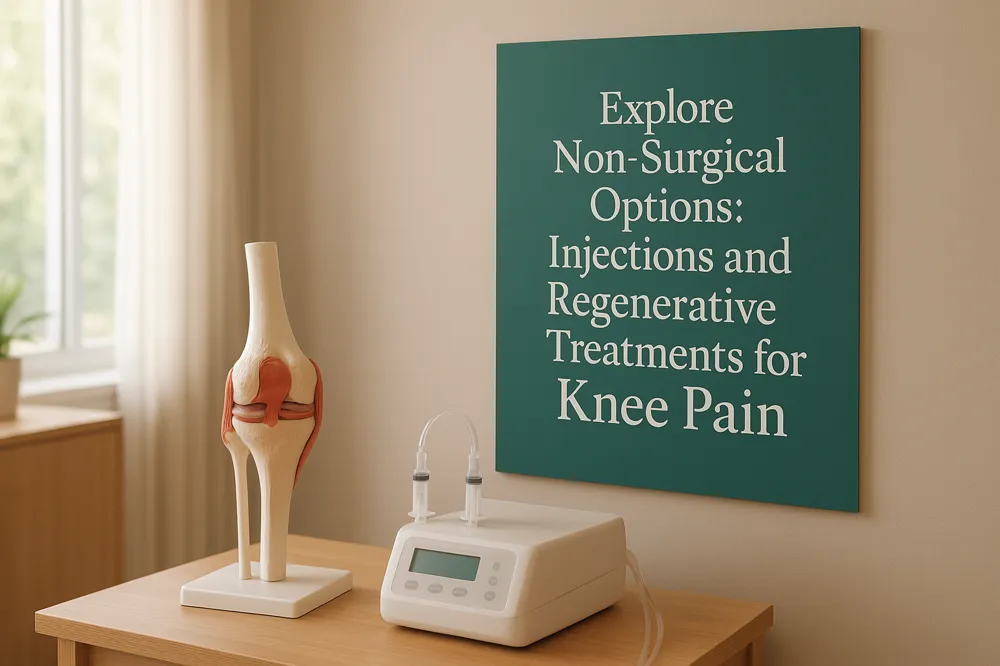
Nonsurgical Management of Knee Pain] offer effective alternatives that can reduce inflammation, relieve pain, and improve joint function without the need for surgery. Two common injectable options include corticosteroid and hyaluronic acid injections. Corticosteroid injections can diminish swelling and provide pain relief lasting from several weeks up to a few months, making them useful for managing flare-ups of arthritis. Hyaluronic acid injections serve to lubricate the joint, which may enhance mobility and stimulate natural healing processes.
Besides injections, advanced nonsurgical procedures like [Non-surgical arthritis knee pain treatment] have emerged. This minimally invasive intervention targets abnormal blood flow feeding inflamed areas of the knee. Patients often experience a significant drop in pain levels within days, with many enjoying lasting relief over months. GAE is notable for a quick onset of benefits and a low risk of major complications.
Additional emerging treatments include [Radiofrequency ablation for knee pain], which uses targeted heat to disrupt pain signals from nerves around the knee. It offers temporary pain control, ideal for patients who have not responded to other therapies. Furthermore, cartilage regeneration techniques such as Autologous chondrocyte implantation] provide promising options for younger patients with localized cartilage damage, aiming to restore the joint surface and delay more invasive interventions like joint replacement.
NSAIDs for Knee Pain Relief] remain a mainstay for managing knee pain symptoms. Oral NSAIDs help reduce inflammation and pain in the short term, though they require careful use due to potential gastrointestinal or cardiovascular side effects. Topical NSAID formulations provide localized relief with fewer systemic effects, suitable for patients sensitive to oral medications.
When knee pain persists, worsens, or significantly limits daily activities despite conservative care, patients should seek medical evaluation. Healthcare providers can tailor treatment plans, incorporating physical therapy, medications, injections, or minimally invasive procedures as appropriate. Advanced interventions may improve quality of life and delay or reduce the need for surgical approaches.
The Role of Chiropractic and Lifestyle Approaches in Comprehensive Knee Pain Management
What chiropractic care options are available and how do they benefit knee pain management?
Chiropractic care plays an important role in managing knee pain by focusing on spinal and musculoskeletal alignment to alleviate discomfort and improve movement. Manual adjustments correct joint misalignments, reducing stress on the knee and surrounding structures. Laser therapy is used in some clinics to reduce inflammation and promote tissue healing, offering a non-invasive pain relief option. For more natural treatment options, including chiropractic adjustments, you can refer to Natural Treatment Options for Knee Pain You Should Know About.
Rehabilitative chiropractic treatments incorporate exercises designed to strengthen muscles supporting the knee, thereby enhancing joint stability and function. This active approach complements passive adjustments, increasing the overall effectiveness of care. For details on Targeted exercises for knee pain, Swimming for knee strength, and Chiropractic adjustments for knee pain, see this resource.
How does patient-focused, family-oriented chiropractic care benefit knee pain management?
Family chiropractic care extends benefits across all ages by emphasizing prevention and wellness, not just symptomatic relief. This personalized care approach encourages long-term musculoskeletal health. You may explore the benefits of Managing Knee Pain with Yoga and Tai Chi and Maintaining a Healthy Weight as complementary strategies.
Prenatal chiropractic care supports spinal alignment during pregnancy, which indirectly benefits overall body mechanics and can reduce strain that might contribute to knee discomfort. This care fosters comfort and mobility during a critical phase of life. For more about Physical therapy and lifestyle changes for knee pain, see related information here.
How do lifestyle changes integrate with chiropractic treatments to support knee health?
Lifestyle changes are vital complements to chiropractic care. Stress management techniques such as yoga, meditation, and deep breathing help relax muscles around the knee and reduce pain. You can find useful information on Yoga for knee pain, Meditation and deep breathing for relaxation, and Stress management for pain relief.
Improving posture distributes weight evenly across the knees, reducing undue pressure that worsens pain. Engaging in regular low-impact physical activity, like swimming and walking, supports muscle strength and joint flexibility, all crucial for effective knee pain management. Refer to resources on Low-impact exercises for knee health, Swimming, cycling, and walking for knee pain, and Maintaining healthy weight for knees.
Combined, these chiropractic and lifestyle strategies offer a holistic, patient-centered approach that fosters natural healing and improved quality of life for individuals managing knee pain. For more on Natural Remedies for Knee Pain Relief and Exercise to Improve Knee Function, consult this resource.
Empowering Patients with Natural and Effective Knee Pain Strategies
Natural Remedies and Lifestyle Adjustments for Knee Pain
Managing knee pain naturally involves a combination of home remedies, exercise, diet, and therapies that support joint health and reduce discomfort. Common strategies include:
- Exercise: Engage in low-impact activities such as swimming, cycling, walking, tai chi, and yoga to strengthen muscles around the knee, improve flexibility, and reduce pain.
- Diet: Incorporate anti-inflammatory foods like fatty fish, leafy greens, berries, turmeric, and omega-3 supplements to support joint health.
- Weight Management: Maintaining a healthy weight significantly reduces pressure on the knee joints, alleviating pain and slowing arthritis progression.
- Home Treatments: Use heat to relax muscles and cold therapy to reduce inflammation, alongside RICE (rest, ice, compression, elevation) for acute injuries.
- Alternative Therapies: Consider acupuncture, massage therapy, and physical therapies such as manual therapy and electrical stimulation to enhance recovery and decrease pain.
Taking an Active Role in Self-Care
Proactive self-care through these natural remedies and lifestyle changes empowers patients to manage their knee pain effectively. Preventative measures like wearing supportive footwear, avoiding prolonged sitting, and maintaining good posture are also crucial. Regular movement and strengthening exercises help maintain joint function and reduce stiffness.
When to Seek Professional Guidance
Timely medical evaluation is important if knee pain persists, worsens, or is accompanied by swelling, deformity, or loss of mobility. Professional guidance can ensure appropriate diagnosis and treatment, including physical therapy or intervention if necessary. Collaboratively working with healthcare providers fosters better outcomes and improves quality of life.