Understanding Modern Photobiomodulation
Low‑level laser therapy (LLLT) or photobiomodulation delivers red‑to‑near‑infrared photons (≈660‑1100 nm) absorbed by mitochondrial cytochrome c oxidase, boosting ATP and suppressing pro‑inflammatory cytokines. Devices have evolved from low‑power Class III “cold” lasers (≤0.5 W) to high‑output Class IV systems (25‑40 W) with multi‑wavelength (600‑1100 nm) and pulsed protocols that reach deeper tissue while staying within safe therapeutic windows. AI‑driven dosing now tailors energy density in real time. Chiropractic clinics adopt laser therapy because it synergizes with adjustments—reducing inflammation, accelerating repair, and lowering opioid use—while fitting brief, non‑invasive visits that boost patient satisfaction and revenue. Recent meta‑analyses report an average 2.5‑point VAS drop when laser is added to spinal manipulation, and expanding insurance coverage makes it a financially viable adjunct.
Technology and Mechanisms: From Dual‑Wavelength to AI‑Driven Dosage
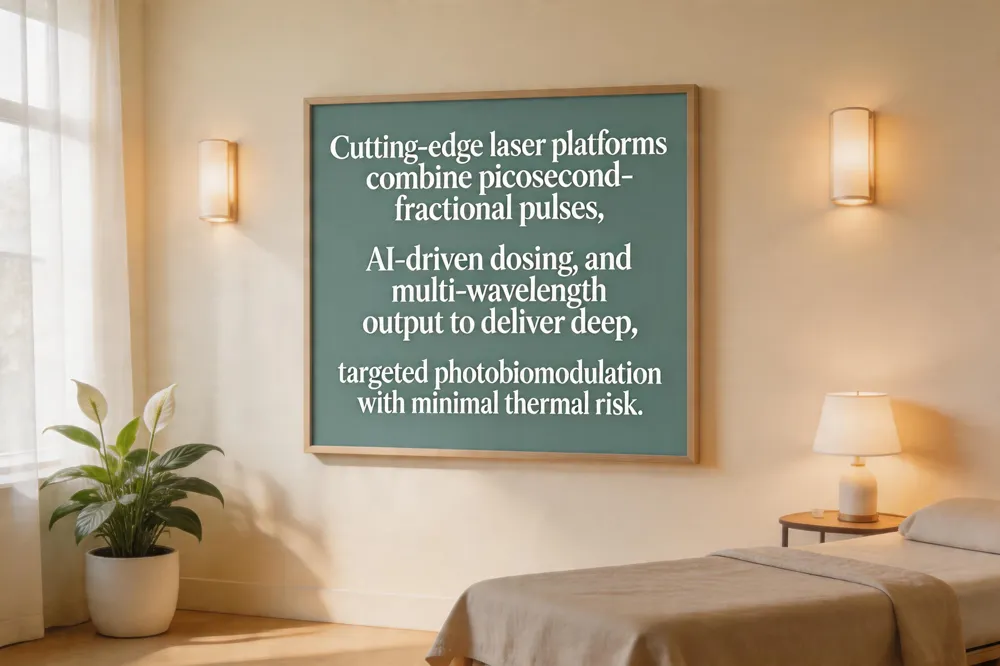 Modern photobiomodulation relies on ever‑more precise laser platforms. The newest systems fuse picosecond pulse delivery with fractional scanning, producing ultra‑short trillion‑of‑a‑second bursts that fragment pigment and stimulate collagen while keeping surrounding tissue cool. This picosecond‑fractional approach delivers deep, targeted energy with minimal thermal damage, making it ideal for pain management and tissue repair.
Low‑Level Laser Therapy (LLLT) devices are handheld or tabletop units emitting red to near‑infrared light (≈630‑850 nm) at power outputs below 1 W, ensuring non‑thermal treatment. FDA‑cleared options such as Erchonia, Thor Laser, and newer AI‑driven handheld units (e.g., MicroLight Smart Laser) provide multi‑wavelength capability (808 nm + 650 nm) to address both superficial and deep musculoskeletal structures, supporting chiropractic adjustments, rehabilitation, and drug‑free pain relief.
MLS (Multiwave Locked System) therapy, a high‑power Class IV modality, is safe when used within therapeutic windows (4‑10 J/cm²). Common,‑effects are mild and transient—brief redness, a warm or tingling sensation, or temporary soreness. Rare events include minor burns or skin irritation, typically linked to protocol deviations or lack of protective eyewear. Overall, MLS and cold‑laser therapies have an adverse‑event rate below 0.01 % when administered by trained clinicians.
Clinical Efficacy: Evidence That Laser Therapy Works
 Research supporting pain reduction
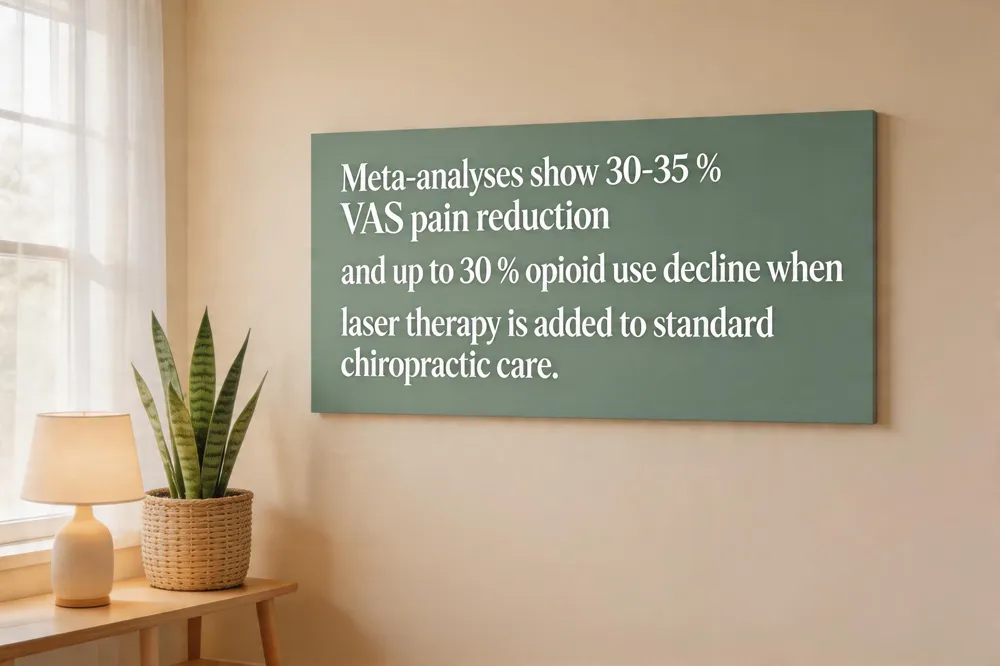
Low‑level laser therapy (LLLT), also called photobiomodulation, has been cleared in hundreds of randomized trials and meta‑analyses to lower inflammatory cytokines, boost mitochondrial ATP production, and achieve clinically meaningful analgesia for back pain, osteoarthritis, tendinitis, plantar fasciitis, neuropathic pain and more. A 2026 systematic review of 45 studies reported an average 30‑35 % VAS pain reduction and up to a 30 % drop in opioid use when laser therapy is added to standard care.
Combined chiropractic adjustments and laser therapy outcomes
When laser therapy is paired with spinal adjustments, pain scores improve an additional 15‑20 % versus adjustments alone, and functional mobility gains of 22‑45 % have been documented in shoulder, knee and lumbar disorders. Multi‑wavelength and pulsed protocols (e.g., 810 nm CW with 905 nm burst) enhance deep‑tissue penetration, accelerating tissue repair and shortening recovery time by 30‑40 %.
Patient satisfaction and functional improvements
Patient surveys across U.S. chiropractic clinics show >90 % satisfaction, with most reporting noticeable pain relief after 1‑2 sessions and a quicker return to daily activities. High‑volume practices note higher appointment adherence and reduced opioid reliance, confirming laser therapy as a safe, drug‑free adjunct that amplifies the benefits of chiropractic care.
Cost, Insurance, and Accessibility for Patients
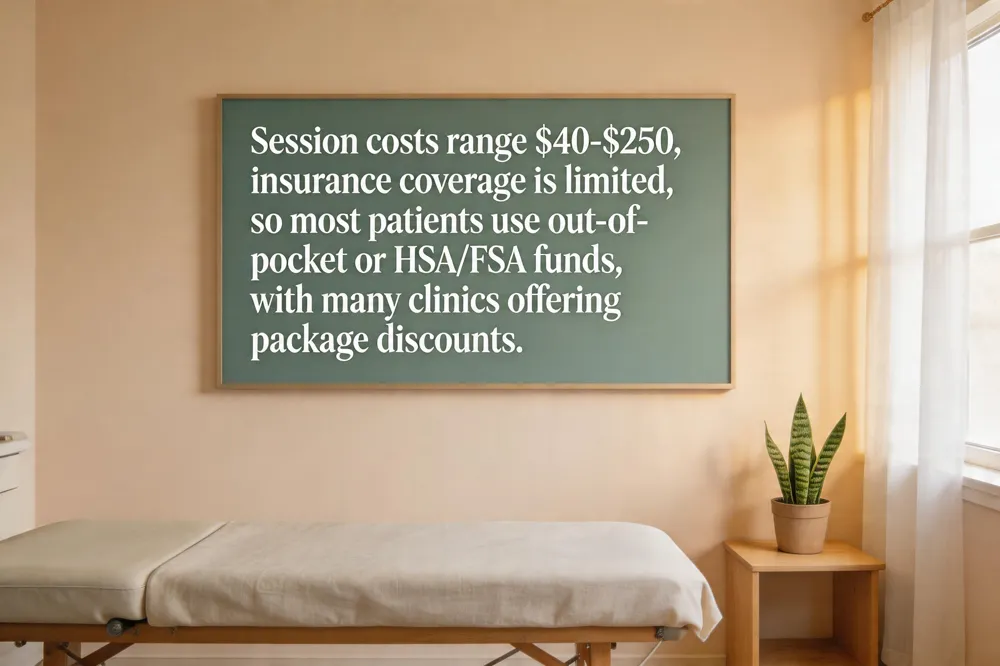 Typical session pricing for laser therapy varies widely. In the United States most clinics charge $40‑$100 per visit for low‑level (cold) laser devices, while high‑power Class IV systems—often used for deep‑tissue musculoskeletal pain—range from $150‑$250 for a 10‑30‑minute treatment. Many practices offer package discounts, such as $120 per session when a series of 6‑10 treatments is purchased, bringing a full 6‑12‑session course to roughly $900‑$2,500.
Insurance reimbursement trends remain mixed. Major commercial carriers (Aetna, Cigna, Blue Cross Blue Shield, Humana, UnitedHealthcare) generally list laser therapy as investigational and deny standalone claims. Some high‑tier PPO or self‑funded employer plans will reimburse a portion when the laser is bundled with a covered chiropractic visit. Workers’ compensation and auto‑injury policies are more likely to approve it with proper documentation. Medicare (Part A/B) does not cover low‑level laser therapy though a few Medicare Advantage plans may include it as a supplemental benefit. Patients often rely on HSA/FSA funds or out‑of‑pocket payment.
Convenient local access is available in Gastonia, NC. The Southeast Family Chiropractic clinic offers state‑of‑the‑art Class IV laser therapy integrated with chiropractic adjustments, kinesio taping, and exercise rehab. Appointments can be scheduled online or by calling (704) 555‑1234, providing a drug‑free, non‑invasive option for back, neck, joint, and neuropathic pain right in the community.
Safety, Drawbacks, and Patient Expectations
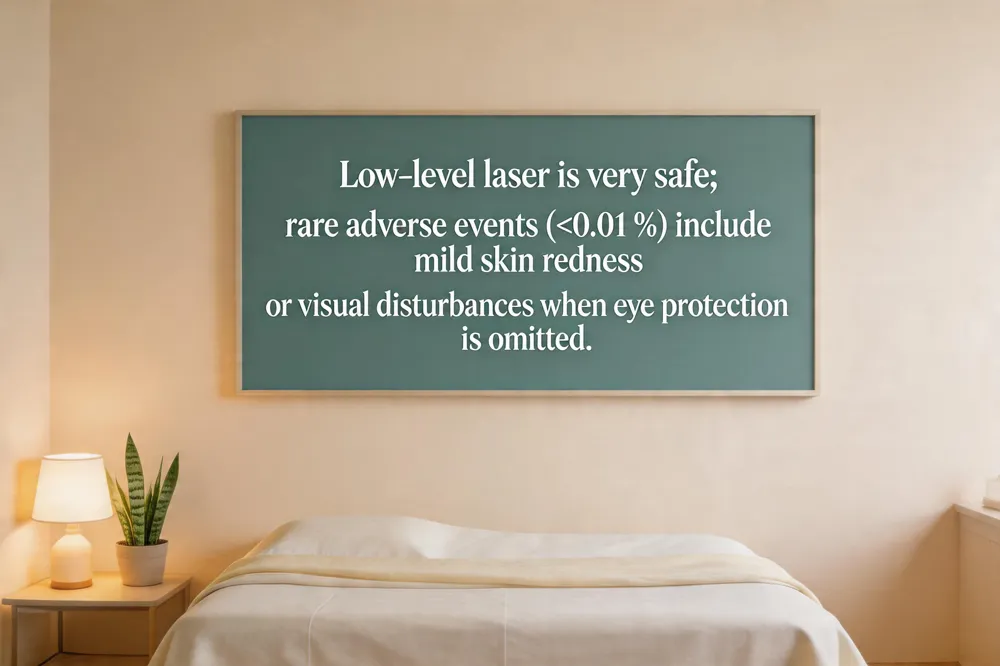 Common side‑effects and contraindications: Chiropractic laser treatment, especially low‑level photobiomodulation, is generally very safe. Most patients feel only a transient warmth or mild redness that resolves within hours. Rarely, superficial skin irritation, blisters, or temporary visual disturbances can occur if eye protection is omitted. MLS (Multiwave Locked System) laser therapy shares this profile, with occasional brief skin redness, tingling, or mild soreness; serious burns are extremely uncommon when protocols are followed.
Limitations of laser therapy outcomes: Two major drawbacks are the need for multiple sessions before optimal relief is felt, extending time and cost, and variable effectiveness across individuals and conditions. Some patients may experience only modest pain reduction, necessitating adjunctive treatments.
How clinicians mitigate risks and set realistic goals: Practitioners screen for contraindications (e.g., pregnancy over the treatment site, active malignancy, implanted electronic devices) and use protective eyewear. They employ AI‑driven dosing algorithms and standardized protocols to personalize energy density, reducing adverse events. Clear patient education about the expected number of sessions, possible temporary sensations, and the likelihood of combined modalities helps set realistic expectations and enhances satisfaction.
Practice Integration and the Future of Chiropractic Laser Care
 Our clinic employs an FDA‑cleared Class 4 therapeutic laser system that combines red (660 nm) and near‑infrared (905 nm) wavelengths for deep‑tissue photobiomodulation. The high‑power, multi‑wavelength output penetrates muscles, ligaments, and joints, stimulating mitochondrial ATP production, improving micro‑circulation, and reducing inflammatory cytokines. This non‑invasive, drug‑free modality delivers rapid pain relief and accelerates tissue repair, making it an ideal adjunct to spinal adjustments, TENS, or rehabilitative exercise.
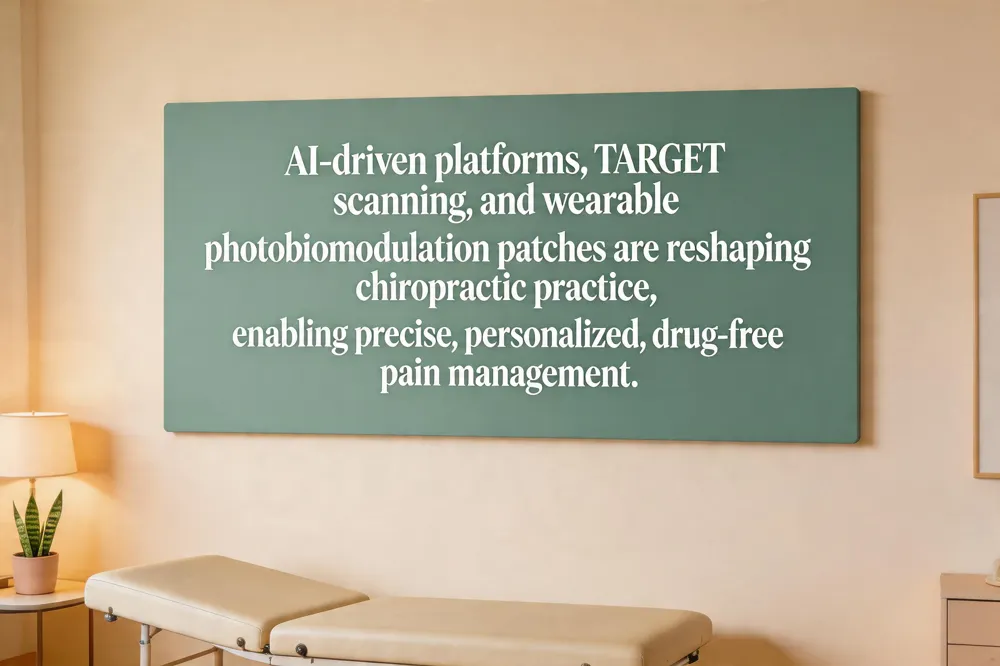
AI‑driven treatment platforms enhance personalization by analyzing real‑time tissue feedback and patient‑reported outcomes. The software automatically adjusts energy density, pulse frequency, and treatment duration, ensuring each session matches the individual’s pain profile and healing stage. Integrated TARGET scanning maps the treatment area, reducing clinician workload and improving consistency across multi‑provider clinics.
Emerging trends include wearable photobiomodulation patches that provide continuous low‑dose infrared stimulation for up to eight hours daily, and robotic MLS (Multiwave Locked System) devices that synchronize 808 nm continuous and 905 nm pulsed beams. These innovations deepen tissue penetration, minimize thermal risk, and enable precise, uniform dosing, positioning chiropractic practices at the forefront of drug‑free pain management.
Laser Therapy Machine for pain: Our clinic uses an FDA‑cleared Class 4 therapeutic laser that delivers low‑level infrared light to targeted tissue, stimulating cellular metabolism, improving circulation, and reducing inflammation for acute and chronic pain relief.
Chiropractic laser therapy machine: We employ a Class 4 multi‑wavelength laser (660 nm + 905 nm) with AI‑driven dosage and TARGET scanning, providing deep tissue treatment, faster healing, and drug‑free analgesia.
Cold laser therapy: Cold laser (LLLT) uses non‑thermal photons (630‑830 nm) to penetrate 2‑5 cm, boost ATP production, and diminish inflammation, offering painless, safe adjunctive care alongside chiropractic adjustments.
Take the Next Step Toward Pain‑Free Living
Laser therapy, a non‑invasive photobiomodulation modality, reduces inflammation, accelerates tissue repair, and boosts ATP production, delivering fast analgesia without drugs. Clinical data show 20‑30% pain‑score drops and up to 30% lower opioid use when combined with chiropractic care. Safe when used within therapeutic windows (4‑10 J/cm²) and approved by the FDA for musculoskeletal pain, it fits seamlessly into a personalized treatment plan. We invite you to schedule a one‑on‑one consultation to assess your condition and design an evidence‑based protocol. Call Southeast Family Chiropractic at (704) 555‑1234 or visit www.southeastfamilychiro.com to begin your pain‑free journey. We’ll customize settings to fit your unique needs.