Unlocking the Body’s Healing Potential with Light
Laser therapy, also known as cold laser therapy or low-level laser therapy (LLLT), uses specific wavelengths of light to stimulate biological healing without generating heat or damaging tissue. This non-invasive, pain-free treatment is FDA-cleared for use in chiropractic settings to accelerate recovery from soft tissue injuries. This article explores evidence-based protocols, dosing guidelines, clinical efficacy, safety, cost considerations, and how professional laser therapy differs from home-use devices.
How Laser Therapy Works in a Chiropractic Setting
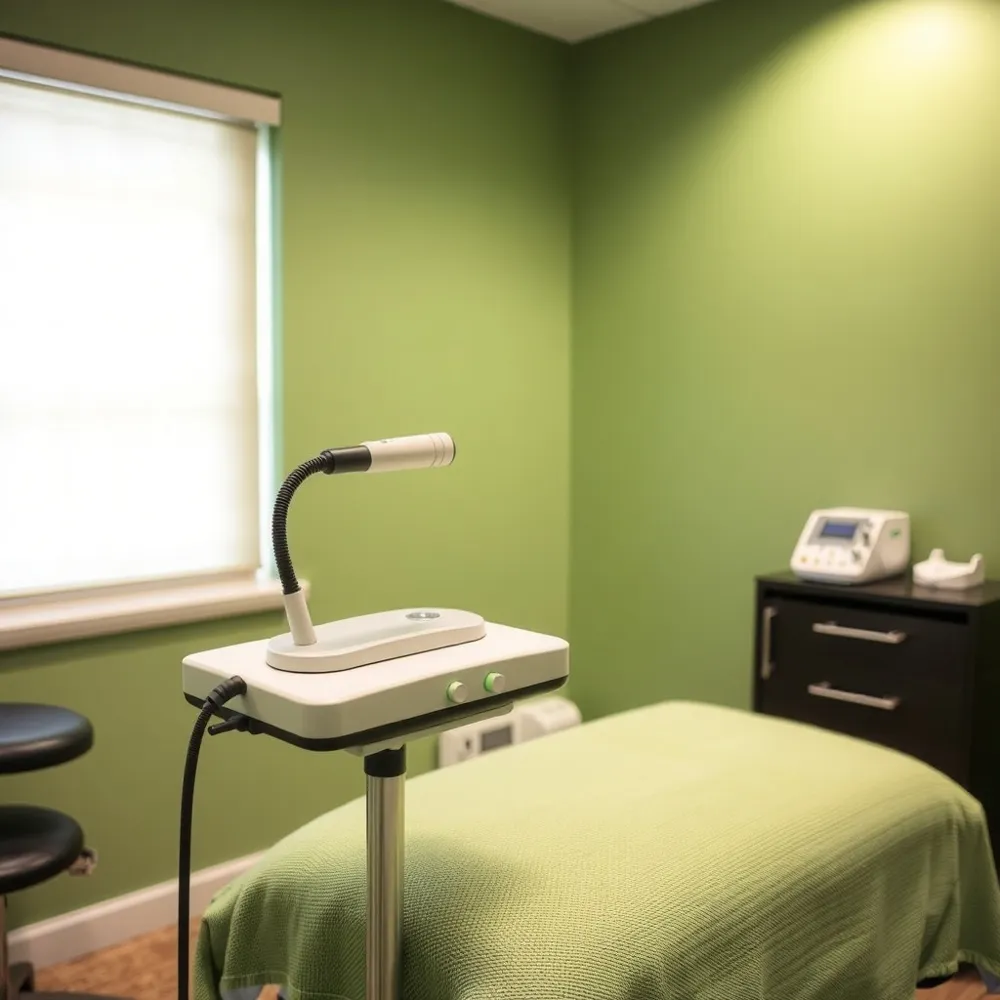 Low-level laser therapy (LLLT), also called cold laser therapy or photobiomodulation, uses specific wavelengths of light to stimulate cellular repair without generating heat or damaging tissue. Unlike surgical lasers, it is non-thermal and non-invasive, making it a safe adjunct to chiropractic care.
At the cellular level, photons are absorbed by mitochondria, triggering increased production of adenosine triphosphate (ATP). This energy boost accelerates collagen synthesis, improves blood circulation, and reduces inflammation and pain. Research on muscle tissue shows that LLLT can reduce oxidative stress and stimulate stem cells, aiding tissue repair.
In a chiropractic setting, the laser is applied directly to precise treatment areas such as the spine, joints, or nerve pathways. Sessions typically last 5–30 minutes and are painless, with no downtime. Chiropractors often combine laser therapy with manual adjustments to enhance outcomes for back pain, neck pain, and nerve-related conditions. The therapy is suitable for patients of all ages, including children with medical approval, and addresses both chronic and acute injuries.
Southeast Family Chiropractic integrates laser therapy as part of a comprehensive approach to healing, helping patients recover faster and reduce reliance on medications.
Laser Therapy for Pain Relief: What the Evidence Shows
 The clinical evidence behind laser therapy for pain relief is substantial. Over 2,500 studies have examined its effects, and the therapy is FDA-cleared for treating chronic pain conditions. The mechanism is well understood: light energy at specific wavelengths is absorbed by mitochondria, boosting ATP production, accelerating tissue repair, and improving local circulation. These cellular changes translate into measurable clinical outcomes.
A key advantage of laser therapy is its ability to reduce inflammation without the side effects associated with medication. Patients experience no downtime after treatment, and relief can be long-lasting. For conditions such as back pain, arthritis, muscle strains, and fibromyalgia, laser therapy offers a non-invasive alternative to surgery or long-term drug use.
Preclinical research has also demonstrated the therapy's effect on muscle tissue. In one rat model, low-level laser therapy at 655 nm and doses of 1.0 to 2.5 J/cm² reduced creatine kinase levels, a marker of muscle injury, while also lessening muscle fatigue at lower doses. These findings support the therapy's use for soft tissue recovery in a clinical setting.
At Southeast Chiro. .nas beta..com, personalized laser therapy protocols are designed to target the specific pain source and healing stage of each patient. By combining this evidence-based treatment with chiropractic adjustments, patients often see faster and more complete relief than from rest or medication alone.
Accelerating Wound Healing with Low-Level Laser
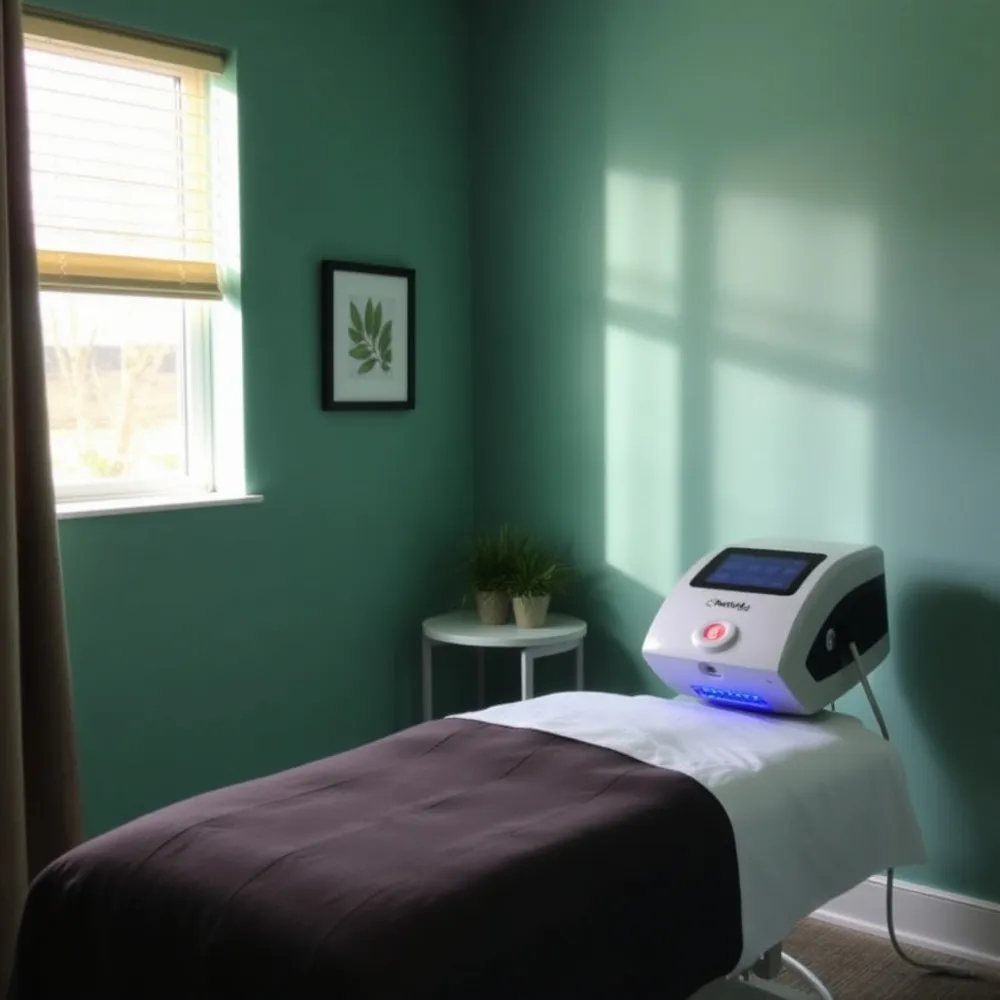 Low-level laser therapy (LLLT) accelerates wound healing by applying non-thermogenic light to stimulate cellular activity, reduce inflammation, enhance collagen production, and increase local blood circulation. This non-invasive approach supports the body's natural repair processes for both acute and chronic wounds.
Clinical research confirms significant improvements. A review of published studies reports up to a 40% reduction in wound healing time and a 153% greater wound area reduction by day 6 when using an 820 nm diode laser at 8 J/cm². Pain scores on the visual analogue scale also decrease consistently.
In a case study using a high-power laser (10 W, 980 nm, unfocused at 3.18 J/cm²) applied weekly for 12 sessions, complete wound healing occurred in 64 days with flat, organized scar formation. The therapy reduced exudate, edema, and analgesic need. Mechanistically, LLLT upregulates anti-inflammatory IL-10 and promotes angiogenesis via VEGF in mesenchymal stem cells, driving these outcomes.
Clinical Protocols: Dosage and Treatment Guidelines
Effective laser therapy depends on proper dosage and treatment scheduling. Protocols vary based on the type of laser, condition severity, and tissue depth. The World Association for Laser Therapy (WALT) provides evidence-based guidelines for low-level laser therapy (LLLT), while Class IV lasers like the K-Laser have their own recommended parameters.
WALT Recommendations for Low-Level Lasers
For class 3B GaAlAs lasers (780–860 nm, 5–500 mW), WALT recommends irradiation times of 20–300 seconds. Energy doses vary by condition: tendinopathies such as carpal tunnel require 8 J per treatment area, while arthritis of the cervical or lumbar spine may need up to 16 J, with a minimum of 4 J per point. The standard protocol is daily treatment for 2 weeks or every other day for 3–4 weeks, reducing the dose by 30% once inflammation subsides. These values serve as a starting point, with therapeutic windows of ±50%.
Class IV Laser Protocols
Class IV lasers, such as the K-Laser, deliver 2–10 J/cm². Superficial pain (e.g., tendonitis) uses 2–4 J/cm², while deep pain (e.g., hip arthritis) requires 4–10 J/cm². Pulse rates modulate effects: 2–50 Hz targets pain, 500–700 Hz promotes biostimulation, and >2,500 Hz reduces inflammation. For acute conditions, lower doses with more frequent sessions (even daily) are preferred; chronic conditions benefit from higher doses at 1–2 sessions per week. Always consult a trained practitioner to tailor the protocol.
Safety Profile and Contraindications
Low-level laser therapy (LLLT) and Class IV laser therapy are considered very safe when administered by a trained professional. Mild, temporary side effects such as slight redness, warmth at the treatment site, temporary soreness, or mild fatigue may occur. Serious risks are extremely rare; however, direct eye exposure can cause permanent retinal damage, so protective eyewear is mandatory for both patient and practitioner. According to a review in the Journal of Chiropractic Medicine, adverse effects from LLLT are extremely rare, and the therapy is regarded as a safe adjunct to chiropractic care (PMC). LLLT is also FDA-cleared when delivered by trained professionals.
Contraindications include treatment directly over cancerous lesions, over the thyroid gland, or over the developing fetus during pregnancy. Caution is also required in patients with photosensitive epilepsy, as low-frequency pulsed light below 30 Hz may trigger seizures. For pediatric and adolescent patients, treatment over growth plates calls for careful dose selection, although current evidence indicates no damage with appropriate parameters.
Clinical vs. Home-Use Laser Devices
Clinical laser therapy and home-use devices differ significantly in power, wavelength options, and depth of effect. Most home units operate at lower power and emit a single wavelength, allowing them to target either inflammation or pain, but not both simultaneously.
In contrast, clinical-grade lasers, such as those used at Southeast Chiropractic, employ multiple synchronized wavelengths to reduce swelling and interrupt pain signals at the same time. Trained professionals adjust settings for optimal tissue penetration and dosage, ensuring the treatment reaches deeper tissues that home devices cannot effectively address.
For chronic or severe conditions, professional laser therapy is far more reliable. A typical clinic session lasts 5–15 minutes with much higher irradiance, whereas home units require longer use with limited results. If you have persistent pain or inflammation, visiting a chiropractor who offers advanced laser therapy can make a substantial difference.
Cost of Chiropractic Laser Therapy
Chiropractic laser therapy is more affordable than many patients expect. Typical costs range from $50 to $150 per session, with the national average for Class IV deep tissue laser therapy falling between $75 and $125 per visit.
The price varies based on the type of laser used. Class IV systems cost clinics significantly more to purchase and maintain, but their deeper penetration often means patients need fewer total sessions compared to lower-power alternatives. Geographic location and session packages also affect the final cost.
When compared to other treatment options, laser therapy offers substantial savings. Surgery costs $20,000 to $50,000, pain medication runs $200 to $400 per month, and physical therapy averages $100 to $150 per session. Laser therapy, at $75 to $150 per session, sits at a competitive price point — especially given that most patients need only 6 to 12 sessions for lasting relief.
Insurance coverage further improves affordability. Most plans cover 50 to 80% of chiropractic care, and laser therapy coverage is expanding each year. By choosing laser therapy over surgery or long-term medication, patients can save an estimated $2,000 to $5,000 annually. At Southeast Family Chiropractic in Gastonia, treatment plans are tailored to each patient's condition, with session packages available to make care even more accessible.
Finding Laser Therapy in Gastonia, NC
To find chiropractic laser therapy in Gastonia, NC, begin with a local clinic like Hay Clinic of Chiropractic at 927 Cox Road. They offer advanced noninvasive laser therapy to reduce inflammation and accelerate healing for back pain, arthritis, and soft tissue injuries. Call (704) 824-4463 to schedule a consultation. You can also search online for "chiropractic laser therapy Gastonia" to explore other clinics in the area.
Always choose a provider that conducts a thorough evaluation to customize treatment. Southeast Family Chiropractic integrates laser therapy with physical therapy, mobility training, and wellness support for a holistic approach. Professional oversight ensures protocols follow WALT recommendations, and combining chiropractic adjustments with laser therapy can speed recovery and improve outcomes. Many patients notice significant improvement after just a few sessions.
Partnering with Your Chiropractor for Optimal Recovery
Laser therapy (LLLT/PBMT) is a safe, non-invasive, FDA-cleared treatment that accelerates soft tissue healing, reduces pain, and improves function without downtime. It directly stimulates healing, unlike medications or surgery.
For fastest recovery after soft tissue damage, consult a qualified chiropractor who can combine laser therapy with adjustments, exercise, and lifestyle support to create a personalized treatment plan.