Understanding Degenerative Disc Disease: A Manageable Condition, Not a Life Sentence
What Degenerative Disc Disease Really Is
Degenerative disc disease is better described as a condition rather than a true disease. It results from the natural breakdown of intervertebral discs that cushion the spine, leading to stiffness, inflammation, and nerve irritation. Discs lose hydration and elasticity over time, becoming thinner and less effective as shock absorbers. This process can cause back or neck pain, reduced flexibility, and, in some cases, radiating pain or numbness. However, many people with disc degeneration experience no symptoms at all.
How Common It Is
Nearly 27% of Americans show signs of disc degeneration on imaging, and the prevalence rises with age—over 80% of people over 50 have some degree of disc deterioration. Despite this, most individuals can live normally with proper care. Degenerative disc disease is one of the most common reasons adults seek spine-specialist care, but it is highly manageable.
A Natural, Non-Invasive Approach
Southeast Family Chiropractic promotes early intervention through natural, non-surgical methods. Chiropractic care focuses on improving joint mechanics, increasing spinal mobility, and reducing inflammation. Techniques such as spinal manipulation, flexion-distraction therapy, massage, and decompression therapy help maintain or restore disc function when degeneration is not too advanced.
| Aspect | What It Means | Why It Matters |
|---|---|---|
| Early intervention | Addresses disc changes before severe damage occurs | Slows progression and preserves mobility |
| Natural non-invasive care | No drugs or surgery | Lower risk, shorter recovery |
| Holistic approach | Combines adjustments, exercise, and lifestyle guidance | Improves overall spinal health and quality of life |
Chiropractic Care: A Safe, Effective Foundation for Managing DDD
 Chiropractic care offers a safe, effective, and non-invasive foundation for managing degenerative disc disease (DDD) in both the neck and back. It focuses on improving joint motion and reducing inflammation without the need for surgery or medication.
Can Chiropractic Care Help with DDD in the Neck or Back?
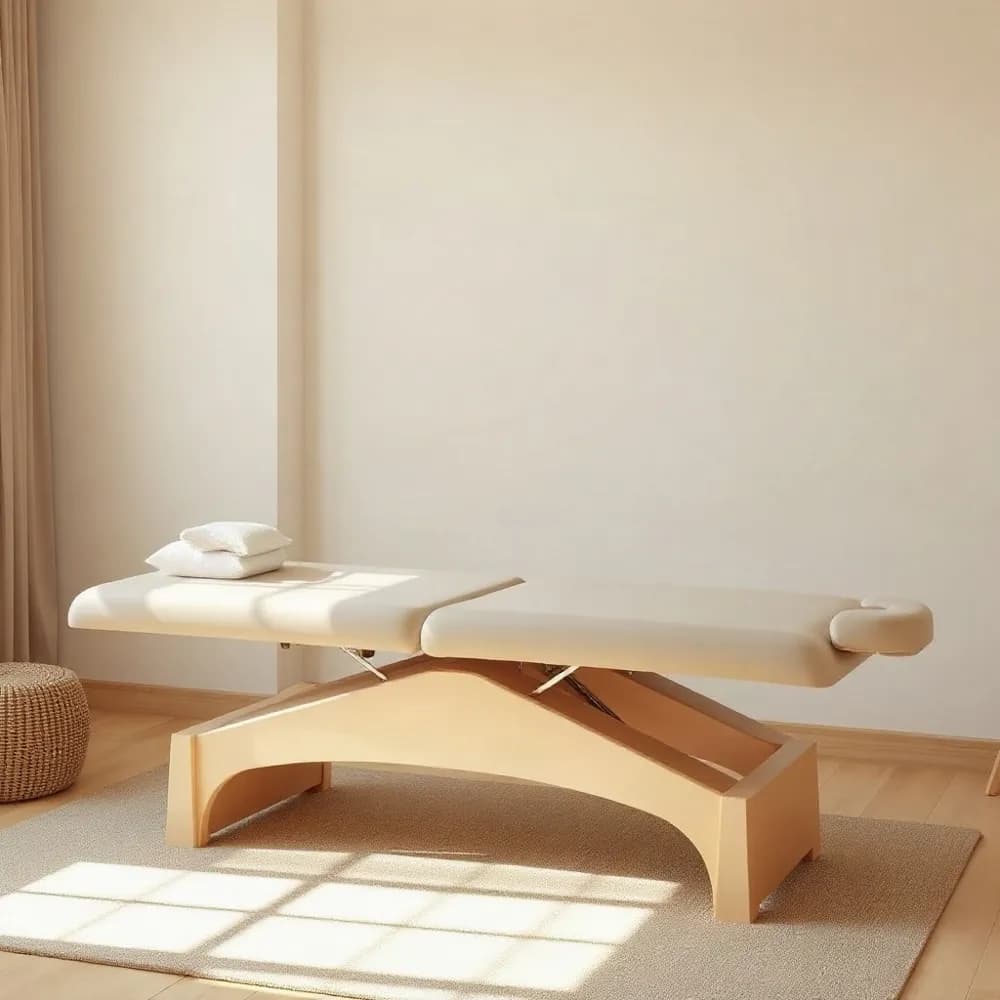
Yes, chiropractic care is well-suited for managing DDD. Chiropractors use specific techniques tailored to the patient's condition. Spinal manipulation applies a gentle thrust to restricted joints, restoring motion and relieving nerve pressure. For herniated discs or spinal stenosis, flexion-distraction uses a specialized table to gently stretch the spine, creating space between vertebrae. Instrument-assisted manipulation provides a precise, gentle force, offering an alternative to manual thrusts. These methods aim to improve joint mechanics, reduce inflammation, and alleviate pain. To further ease muscle tension and discomfort, chiropractors may use trigger point therapy and therapeutic massage.
Is Chiropractic Safe for DDD?
Chiropractic is generally safe for early to moderate DDD. Skilled practitioners use gentle, tailored approaches to avoid aggravating the condition. However, patients with advanced degeneration or signs of major nerve damage may require other medical care. A thorough evaluation, including imaging, helps create a personalized and safe treatment plan. Chiropractic does not worsen DDD; instead, it aims to improve spinal function and slow symptom progression.
Chiropractic vs. Physical Therapy
While both are non-invasive, their primary focus differs. Chiropractic care emphasizes correcting spinal alignment and relieving nerve pressure through adjustments, often providing rapid pain relief. Physical therapy focuses on building long-term spinal stability through targeted exercises that strengthen core and back muscles. The two approaches complement each other; a chiropractor may refer a patient for physical therapy to address muscle weakness, creating a comprehensive care plan.
| Approach | Primary Focus | Key Techniques | Goal |
|---|---|---|---|
| Chiropractic Care | Joint alignment & nerve function | Spinal manipulation, flexion-distraction, instrument-assisted adjustments | Improve joint motion, reduce inflammation, relieve acute pain and nerve irritation |
| Physical Therapy | Muscle strength & stability | Core strengthening, stretching, therapeutic exercise, posture training | Build long-term spinal support, enhance flexibility, and prevent recurrence |
Lifestyle and Exercise: Simple Tools to Support Spinal Health

Is walking good for degenerative disc disease, and what other exercises help?
Walking is an excellent low-impact exercise for degenerative disc disease (DDD) as it strengthens spinal and core muscles without straining the discs. Swimming and yoga are also highly beneficial, improving flexibility and stability while supporting spinal alignment. Gentle stretching and controlled movements help relieve stiffness and reduce pressure on the spine, especially during flare-ups. It's important to start slowly—even five to ten minutes daily—and gradually increase activity as tolerated. Avoid high-impact exercises like running or heavy lifting, and focus on building core strength to further protect the discs.
What things should I avoid with degenerative disc disease?
To manage DDD, avoid high-impact activities, heavy lifting without proper form, and sudden twisting or bending movements, as these can strain the discs. Prolonged sitting and slouching also reduce blood flow to the spine and increase pain, so use good posture and take breaks to move. Smoking is detrimental because it restricts blood flow to the discs, impairing healing and accelerating degeneration. Additionally, steer clear of inflammatory foods such as fried foods, soda, and red meat. Instead, focus on maintaining a healthy weight and incorporate anti-inflammatory foods like whole grains and leafy greens.
| Activity Type | Beneficial for DDD | What to Avoid | How to Start |
|---|---|---|---|
| Walking | Yes | High-impact running | 5–10 minutes daily |
| Swimming & Yoga | Yes | Sudden twists | Increase gradually |
| Core Strengthening | Yes | Heavy lifting, poor posture | Gentle stretching first |
| Lifestyle Habits | Healthy weight, good posture | Smoking, prolonged sitting | Take hourly breaks |
| Diet | Whole grains, leafy greens | Fried foods, soda, red meat | Stay hydrated |
Nutrition and Pain Relief: Natural Strategies That Work
 Dietary choices directly influence spinal health and can support the natural healing of degenerated discs. Anti-inflammatory foods help control the inflammation that fuels disc pain, while specific nutrients supply the raw materials for disc structure and repair. Combined with targeted pain management, these strategies form a powerful non-invasive foundation for managing degenerative disc disease.
What foods or supplements support disc regeneration and healing?
Foods rich in omega-3 fatty acids—such as salmon, mackerel, sardines, walnuts, and chia seeds—reduce systemic inflammation and support disc repair. Lean proteins like chicken, eggs, and lentils provide amino acids to rebuild collagen in spinal discs. Antioxidant-packed berries (blueberries, strawberries) and leafy greens (spinach, kale) help protect disc cells and boost collagen production through vitamin C. Calcium-rich foods like dairy, eggs, and leafy greens strengthen the vertebrae supporting the discs. For supplements, glucosamine and vitamin D may aid spinal health. Staying well-hydrated is also essential, as water keeps discs plump and flexible.
What is the best pain relief for degenerative disc disease?
The best pain relief varies by individual, but non-invasive treatments are typically preferred first. Over-the-counter nonsteroidal anti-inflammatory drugs (NSAIDs) like ibuprofen or naproxen can reduce inflammation and pain. Prescription medications such as muscle relaxants or corticosteroid medications may help with severe symptoms but are recommended for short-term use. Physical therapy and weight loss are key for managing discomfort and preventing further degeneration. A structured exercise program that incorporates stretching, strengthening, and aerobic activity can reduce pain and promote disc healing. These approaches are explored before considering injections or surgery and often provide effective, long-term pain management.
Cutting-Edge Advances: New Hope for Disc Repair Without Surgery
What Are Cutting-Edge or New Treatments for Degenerative Disc Disease?
Emerging therapies are shifting the focus from symptom management to true biological repair, offering new hope for patients seeking alternatives to spinal fusion or disc replacement.
Injectable Hydrogel Implants represent a minimally invasive option. HYDRAFIL®, a proprietary hydrogel, is injected as a liquid into the degenerated disc and solidifies to mimic the natural nucleus pulposus. This procedure aims to restore disc height, cushioning, and spinal function. Clinical studies have shown significant improvements in pain and disability, with benefits maintained through at least 12 months. HYDRAFIL® is currently under investigation in a U.S. clinical trial (HYDRAFIL-D) and has received CE Mark in Europe.
Stem cell therapy uses a patient's own cells, harvested from bone marrow or adipose tissue, which are processed and injected into the damaged disc. These cells work by reducing inflammation and promoting tissue regeneration. Early clinical research reports reduced pain, improved mobility, and in some cases, stabilization of disc height. However, long-term outcomes are still being studied, and the therapy is most effective in mild to moderate degeneration.
Advanced laser therapies offer another less invasive option, using targeted energy to decompress disc tissue or modulate pain.
Unlike traditional fusion, these cutting-edge treatments aim to preserve motion and promote natural healing, often with shorter recovery periods. While promising, more long-term data is needed to fully establish their role in disc repair.
| Treatment | Mechanism | Key Advantage | Current Status |
|---|---|---|---|
| Injectable Hydrogels (HYDRAFIL®) | Injected liquid solidifies to mimic disc nucleus | Restores disc height & function; minimally invasive | U.S. clinical trial; CE Mark in Europe |
| Stem Cell Therapy | Patient's own cells reduce inflammation & regenerate tissue | Targets root cause; preserves motion | Promising early results; long-term data needed |
| Advanced Laser Therapies | Targeted energy to decompress tissue | Less invasive than surgery | Used as an adjunct or standalone option |
Beyond Pain: What You Need to Know About DDD and Your Overall Health
Understanding the Impact of DDD on Your Lifespan
Degenerative disc disease (DDD) is not a life-threatening condition and does not shorten life expectancy for the vast majority of individuals. It is a natural, age-related process of spinal disc wear and tear that typically causes manageable pain, stiffness, and reduced mobility. With proper symptom management, including chiropractic care, lifestyle adjustments, and good nutrition, most people can live a full, active, and healthy lifespan without any impact on their mortality.
Rare Cases Where Intervention Is Critical
In rare instances, severe degeneration can lead to degenerative cervical myelopathy, a condition where spinal cord compression occurs. Research indicates that if left untreated, this serious complication can reduce life expectancy. However, timely medical intervention, including surgery, can restore normal life expectancy. For the overwhelming majority of people with DDD, such advanced outcomes are not a concern.
The Role of Spinal Decompression
Proper management of DDD includes strategies to support disc health. Gentle hanging, such as performing a dead hang from a pull-up bar, can decompress the spine. This creates space between the vertebrae, allowing the intervertebral discs to rehydrate and expand, which may reduce pressure caused by prolonged sitting or heavy lifting. This simple technique can be a helpful part of a conservative care plan. Combined with chiropractic adjustments, targeted exercise, and anti-inflammatory nutrition, patients can effectively manage symptoms and maintain an active lifestyle. A heat/cold therapy table summarizing related natural care approaches is provided below.
| Therapy | Purpose | Key Benefit |
|---|---|---|
| Heat Therapy | Relax muscles, increase blood flow | Reduces stiffness and muscle spasm |
| Cold Therapy | Numb area, reduce inflammation | Alleviates acute pain and swelling |
| Gentle Hanging | Spinal decompression, disc rehydration | Relieves pressure on discs |
| Chiropractic Care | Improve spinal alignment and motion | Reduces pain and enhances function |
Living Well with DDD: A Whole-Person Approach
Degenerative disc disease (DDD) is not a curable condition, but it is highly manageable through a combination of non-invasive strategies. A whole-person approach integrates chiropractic care, targeted exercise, proper nutrition, and emerging treatments to restore function and improve quality of life.
A Foundation in Natural Care
Southeast Family Chiropractic is dedicated to natural, non-invasive care. The goal is not simply to mask symptoms but to address underlying spinal mechanics and support the body's innate healing capacity. Evidence-based chiropractic techniques are used to improve joint motion, reduce inflammation, and preserve disc function where degeneration is not advanced. These adjustments can help correct vertebral misalignments caused by flattened discs and support overall spinal health.
Therapeutic massage and soft-tissue therapies are used alongside adjustments to relieve muscle tension that often accompanies DDD. This combination can help chiropractic adjustments last longer and allows more healing time. Non-thrusting techniques like flexion-distraction, which gently stretches the spine on a specialized table, can also reduce pressure on discs and improve spinal flexibility.
Active Lifestyle and Supportive Habits
Regular, low-impact exercise is a cornerstone of managing DDD. Activities such as walking, swimming, or yoga increase blood flow to spinal structures, delivering oxygen and nutrients that support disc health. Strengthening core and back muscles reduces pressure on the discs and helps slow degenerative changes. Patients are encouraged to start slowly—even five to ten minutes daily—and gradually increase activity as tolerated.
Maintaining a healthy body weight is another critical element. Excess weight, particularly around the abdomen, places additional mechanical load on the lumbar spine and accelerates disc wear. Even modest weight loss can produce noticeable pain relief. Good posture throughout daily activities—keeping shoulders relaxed, feet flat, and using ergonomic support—prevents excessive disc compression and further strain.
Nutrition and Inflammation Control
Diet plays a direct role in spinal health. A diet rich in omega-3 fatty acids, found in salmon, flaxseed, and walnuts, helps lower systemic inflammation. Adequate vitamin D and calcium support bone health and disc integrity. Lean proteins aid in tissue repair, while antioxidant-rich fruits and vegetables combat cellular damage in spinal tissues. Staying well-hydrated keeps discs pliable and reduces stiffness. Limiting processed foods, sugar, and trans fats is also recommended to control inflammation.
Emerging Regenerative Options
For patients with early to moderate DDD, emerging regenerative treatments offer additional possibilities. Intradiscal injections of platelet-rich plasma (PRP) or mesenchymal stem cells (MSCs) aim to stimulate tissue repair and reduce pain. PRP uses the patient's own concentrated platelets to release growth factors that may help repair disc tissue and lower inflammation. Early clinical studies on MSC injections have reported pain relief and improved function, with some patients showing disc height stabilization on MRI. These treatments are minimally invasive and align with a natural, biologic-based philosophy. However, patients should discuss candidacy and evidence with a specialist, as outcomes vary and long-term data are still emerging.
Move Forward Naturally
DDD does not have to define your life. By combining chiropractic adjustments, active self-care, nutritional support, and when appropriate, regenerative therapies, many patients find lasting relief without surgery. Patients are encouraged to schedule a consultation to explore a personalized, holistic plan tailored to their specific needs and goals.
| Strategy | Examples | Key Benefit |
|---|---|---|
| Chiropractic Care | Spinal adjustments, flexion-distraction, massage | Improves joint mechanics, reduces inflammation |
| Exercise | Walking, swimming, yoga, core strengthening | Reduces disc pressure, improves flexibility |
| Nutrition & Lifestyle | Anti-inflammatory diet, weight management, proper posture | Supports tissue repair, slows degeneration |
| Regenerative Medicine | PRP or stem cell injections (for select patients) | Stimulates disc repair, reduces pain |
| Stress Management | Deep breathing, mindfulness, gentle stretching | Lowers muscle tension and inflammatory response |