Understanding the Foundation of Long Term Chiropractic Wellness
True long-term wellness often requires moving beyond reactive care, where individuals seek treatment only during acute pain flare-ups. Instead, proactive health strategies focus on maintaining health before issues become severe. At Southeast Family Chiropractic, this involves transitioning from initial symptom management to a sustainable rhythm that supports ongoing physical function.
This philosophy embraces a whole-health approach, viewing the body as an interconnected system. Rather than addressing pain in isolation, practitioners consider how daily lifestyle habits, including diet, exercise, and ergonomic posture, influence overall vitality. By correcting spinal misalignments, chiropractic adjustments work to optimize nervous system function.
A properly aligned spine ensures more efficient signaling between the brain and body, which can improve physical coordination and recovery times. Patients frequently report that consistent, personalized chiropractic care helps them manage systemic musculoskeletal health more effectively. This structured, non-invasive method serves as a foundation for preventing future injury while fostering a greater sense of long-term well-being.
Scientific Validation and Clinical Effectiveness
 Extensive clinical research now positions spinal manipulative therapy as a corner-stone intervention for managing musculoskeletal health. International clinical practice guidelines almost universally endorse these non-invasive techniques as a primary option for addressing chronic neck and lower back pain. When compared to standard medical care, evidence suggests that chiropractic approaches are at least as effective, often providing superior outcomes for patients seeking to restore function without the necessity of surgery or pharmaceutical reliance.
At southeastchiro.com, the approach to clinical care mirrors these evidence-based standards by focusing on specific, measurable outcomes like improved range of motion and pain reduction. While some patients might consider alternative providers, research indicates that initiating treatment with a chiropractor can result in 20% to 40% lower overall healthcare costs compared to beginning with medical-doctor-initiated care per 2010 research.
Is chiropractic care scientifically valid and effective?
Yes, chiropractic care is considered a scientifically valid and effective approach for managing various musculoskeletal conditions. Clinical evidence continues to support the use of spinal adjustment in the treatment of spine-related pain, including lower back and neck discomfort. Research from leading medical journals highlights that these adjustments can be highly successful, often providing significant relief that rivals or outperforms traditional conservative treatments. Beyond symptom management, studies have explored the neurophysiological impact of manipulation, confirming its role in improving spinal function and quality of life. By focusing on evidence-based, non-invasive techniques, this discipline serves as a trusted and reliable component of modern healthcare.
| Clinical Focus | Primary Modality | Outcome Benefit |
|---|---|---|
| Back/Neck pain | SMT | Function restoration |
| Postural health | Correction | Reduced strain |
| Injury recovery | Integrated care | Faster return |
The Cumulative Benefits of Long Term Care
 Consistency in chiropractic care provides cumulative benefits similar to other health habits, fostering long-term stability rather than reactive, short-term relief. For patients who respond well to initial treatment, maintenance care acts as a strategic approach to tertiary prevention. By scheduling routine visits, patients can prevent the recurrence of debilitating spinal pain and maintain the functional gains achieved during their initial recovery phases.
Clinical research highlights that this proactive management significantly impacts day-to-day quality of life. Patients participating in maintenance care report experiencing 12.8 fewer total days of bothersome pain over a 52-week period compared to those who rely solely on symptom-guided adjustments. At southeastchiro.com, we emphasize this preventive model to help patients avoid the decline often associated with chronic spinal conditions, such as reduced mobility and dependency on long-term medication.
What are the common benefits of long-term chiropractic care?
Consistent, long-term chiropractic care moves beyond short-term pain relief to proactively maintain proper spinal alignment and nervous system function. By addressing minor imbalances before they escalate, regular adjustments help prevent recurring issues and support your body’s ability to manage daily physical stress. Patients often experience significant improvements in joint mobility and flexibility, which reduces the risk of repetitive strain injuries and encourages healthy movement as you age. Furthermore, by restoring optimal nerve communication, consistent care can lead to enhanced mental focus, sustained energy levels, and more restorative sleep. Ultimately, this approach helps your body function at its peak, fostering long-term wellness and independence.
The economic impact of this strategy is substantial. Data indicates that initiating care with a chiropractor as a primary point of contact can result in 20% to 40% lower healthcare costs compared to medical-doctor-initiated treatment. By focusing on root causes through spinal adjustments and personalized lifestyle guidance at southeastchiro.com, patients reduce their need for high-cost interventions like surgery or long-term medication, effectively investing in a more sustainable and vibrant future.
The Patient Experience During an Adjustment
A typical chiropractic visit begins with a comprehensive health history intake and a targeted physical exam. This foundational step allows doctors to identify specific areas of restriction and evaluate overall spinal function, often utilizing diagnostic imaging when necessary to ensure the highest standard of safety. By establishing this clear clinical baseline, patients can engage in a more personalized care journey rather than the one-size-fits-all approach sometimes seen in basic pain-management clinics.
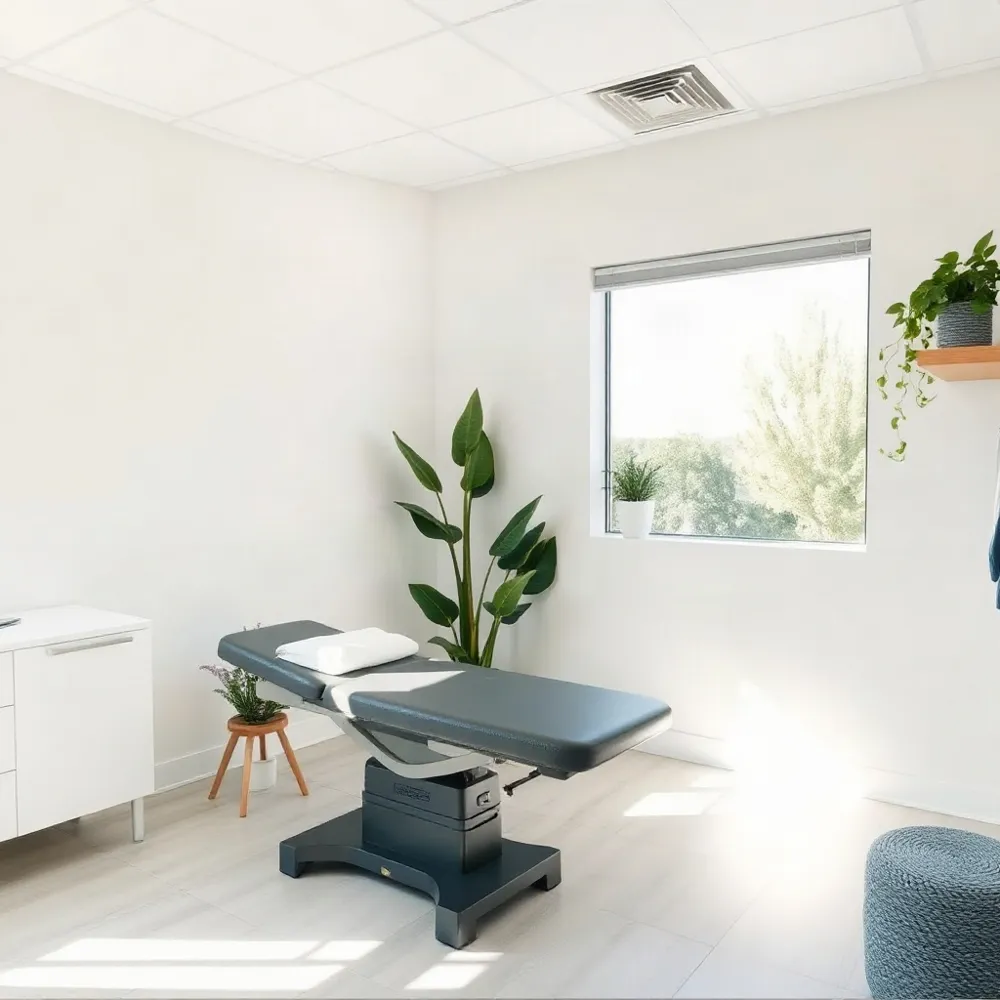
During an adjustment, you are positioned on a specialized table that facilitates both comfort and precise delivery of force. Using manual techniques or specialized instruments, the practitioner applies controlled pressure to specific spinal joints. This process is designed to realign the spine and release trapped gases like nitrogen and oxygen from the joint cavities, which creates the common popping or cracking sound many people associate with these sessions. These sounds are a normal, non-painful aspect of releasing joint pressure.
Patients often report a sense of immediate relief, though some may experience minor, temporary soreness or fatigue. This mild reaction is common, especially following an initial adjustment, as the body adapts to corrected alignment. At southeastchiro.com, practitioners emphasize that this sensation typically resolves within 24 hours. Because the goal is to optimize nervous system function and improve mobility, these adjustments are consistently tailored to your specific musculoskeletal needs, ensuring that each visit builds upon the progress of the last.
Ensuring Safety Through Professional Clinical Assessment
 Chiropractic care is recognized as a non-invasive, drug-free alternative to manage musculoskeletal discomfort, often presenting a lower-risk profile than surgery or long-term pharmaceutical intervention. At southeastchiro.com, practitioners prioritize patient safety by completing a rigorous initial health history review and physical exam before providing care. This screening is essential for identifying rare cases where spinal manipulation may not be appropriate, such as for individuals with severe osteoporosis, specific spinal cancers, or nerve-related conditions involving loss of strength.
Are there common side effects or risks associated with chiropractic adjustments?
Most patients report chiropractic adjustments as highly effective, though minor, temporary reactions can occur. It is normal to experience localized soreness, stiffness, or light fatigue immediately following a session. These reactions are typically mild and resolve on their own within 24 hours as the musculoskeletal system adjusts to improved mobility. These temporary sensations are distinct from clinical injury, and professional providers monitor for progress to ensure each session remains adapted to the patient’s specific needs.
When compared to systemic risks associated with chronic opioid use, which many chiropractic patients successfully avoid, the safety of manual therapy is well-supported in clinical literature. By focusing on root-cause alignment and natural healing, the clinical approach at southeastchiro.com aims to support long-term wellness while mitigating the risks inherently associated with more invasive medical procedures.
Targeted Care for Spinal Issues and Disc Health
Chiropractic care offers a non-invasive, structured approach for managing the intense pain and physical limitations associated with a bulging or herniated disc. By utilizing targeted spinal adjustments, practitioners work to restore proper joint alignment and increase mobility, which helps relieve pressure on the compressed spinal nerves. The professional team at southeastchiro.com focuses on these mechanical improvements to address the root source of nerve irritation rather than simply masking symptoms. This focus on joint restoration serves as a primary driver for functional recovery.
Can chiropractic care help with specific conditions like a bulging disc?
Yes, chiropractic care is a highly effective, non-invasive approach for managing the pain and discomfort associated with a bulging or herniated disc. By utilizing targeted spinal adjustments, chiropractors work to restore proper joint alignment and improve mobility, which can significantly reduce pressure on the affected spinal nerves. In addition to manual adjustments, practitioners may incorporate techniques like spinal decompression, therapeutic exercises, and soft tissue work to alleviate inflammation and support the natural healing process. This comprehensive approach aims to relieve symptoms such as radiating pain, numbness, and tingling without the immediate need for surgery or medication. At southeastchiro.com, we develop personalized treatment plans designed to address the root cause of your disc issues and help you return to your daily activities with improved comfort and function.
Modern management of disc-related issues often requires more than a single technique. The combination of spinal decompression and rehabilitative exercise instruction allows patients to maintain space within the disc while strengthening the surrounding musculature. While some clinics rely solely on passive adjustments, southeastchiro.com integrates these movement-based therapies to ensure that structural alignment is supported by long-term muscle coordination and reduced biomechanical strain.
Personalizing Your Treatment Frequency and Goals
How do I determine the appropriate frequency for my chiropractic visits?
Determining the appropriate frequency for your chiropractic care is a collaborative process based on your individual needs and the specific phase of your treatment. At southeastchiro.com, the care plan is structured to evolve alongside your healing journey. Most patients begin with relief care, which focuses on addressing acute pain through more frequent visits. As symptoms subside, you may transition to corrective care to address the root cause of your discomfort, gradually reducing the frequency of appointments as function improves.
Once your spinal health stabilizes, many patients move into a maintenance phase. This stage involves periodic visits designed to prevent recurrence and support long-term well-being, as shifting to a maintenance care strategy is often more effective than waiting for pain to return. Rather than a one-size-fits-all schedule, doctors monitor your progress using objective metrics like range-of-motion measurements and digital analysis to ensure your care remains effective. Frequent, flexible adjustments allow for better management of chronic spinal pain while ensuring the plan adapts to your personal health trajectory.
What are the '3 T's' in chiropractic wellness?
The 3 T's—traumas, toxins, and thoughts—represent external stressors that disrupt the nervous system's ability to maintain balance. Traumas include physical stressors ranging from major injuries to daily repetitive motions that impact spinal health. Toxins encompass environmental pollutants and dietary factors, while thoughts refer to mental and emotional stress patterns. By addressing these factors through holistic health practices, you can remove neurological interference and support the body's natural resilience. Integrating these insights allows for a more personalized approach that prioritizes long-term vitality over short-term symptom management.
Collaborative Healthcare and Professional Integration
Historically, friction between medical and chiropractic fields was common, yet perceptions have shifted significantly as spinal manipulative therapy became a mainstream, accepted intervention for musculoskeletal health. Today, many medical doctors view chiropractic as an essential, evidence-based partner in patient care. This integration is particularly valuable as an opioid-sparing strategy, allowing patients suffering from chronic back pain to access non-invasive relief while reducing the necessity of pharmaceutical intervention.
What do other medical professionals think of chiropractic care?
Modern clinicians increasingly recognize the clinical utility of manual care, with professional associations now viewing collaboration as an ethical way to improve patient outcomes. At southeastchiro.com, this multi-disciplinary approach is standard practice, as our team regularly works to ensure spinal health complements broader medical treatment goals. While historical skepticism once existed, recent guidelines from groups such as the American College of Physicians highlight that spinal adjustment is a frontline non-pharmacologic intervention. By integrating these services, practitioners offer patients a comprehensive management plan that addresses both immediate pain and long-term functional stability.
Your Path to Long Term Vitality
Consistency serves as the engine for lasting health. By treating wellness as a proactive habit rather than a reactive fix, you leverage spinal manipulative therapy to maintain function and prevent the recurrence of discomfort. Southeast Family Chiropractic replaces short-term patches with personalized care plans that target root causes, ensuring your body functions optimally through every stage of life.
Your engagement remains the most important factor in sustaining these results. Consistent visits allow for the early identification of mobility or postural shifts, enabling corrections before they escalate into persistent issues. Southeast Family Chiropractic provides the evidence-based guidance you need to bridge the gap between temporary relief and long-term vitality. Reach out to schedule a consultation and begin building your foundation for a healthier future today.