A Natural Approach to Lasting Knee Relief
A Growing Problem with Daily Impact
Knee pain is a common and growing challenge, currently affecting approximately one in four adults. Over the past two decades, its prevalence has increased significantly, underscoring how it can severely limit mobility, hinder everyday activities, and diminish overall quality of life.
Conventional Paths vs. Root-Cause Solutions
The conventional response to persistent knee pain often leads toward medication for temporary symptom relief or surgery as a definitive intervention. While these have their place, they may not address the underlying biomechanical issues contributing to the discomfort. This is where a natural, root-cause approach, like that offered at Southeast Family Chiropractic, offers a foundational alternative. Our practice is built on a holistic, patient-focused mission to improve quality of life through non-invasive, personalized care, emphasizing the body's natural healing potential.
The Chiropractic Philosophy for Knee Health
Chiropractic care represents a shift from simply managing symptoms to actively restoring function. It operates on the principle that the body's musculoskeletal structure, particularly spinal alignment, directly impacts nervous system function and overall well-being. The knee is not an isolated joint; it is a critical part of an interconnected kinetic chain that includes the spine, pelvis, hips, and ankles. Misalignments or imbalances anywhere in this chain can place uneven stress on the knees, leading to pain and dysfunction. Our care seeks to correct these root causes.
A Glimpse into Holistic Benefits
This natural pathway offers a multi-faceted solution aimed at achieving lasting results. The core benefits include significant pain relief by reducing inflammation and pressure on joints and nerves, improved joint function and mobility through restored alignment and strength, and promotion of long-term wellness by correcting imbalances and empowering patients with self-care strategies, all without a primary reliance on medication or invasive procedures. This integrated approach aims not just for symptom relief but for enhanced overall function and well-being.
Understanding the Common Culprits of Knee Pain
Knee discomfort can stem from a wide variety of sources, which chiropractors are trained to assess and address. Major categories include:
- Overuse and Repetitive Strain: Conditions like patellofemoral pain syndrome (runner's knee), patellar tendinitis, and iliotibial band syndrome (ITBS) are common in active individuals.
- Arthritis and Degeneration: This includes osteoarthritis from cartilage wear, as well as autoimmune forms like rheumatoid or psoriatic arthritis, which cause inflammation and stiffness.
- Acute Injuries: Trauma from sports, falls, or accidents can result in ligament sprains, meniscus tears, or bursitis.
- Referred Pain: Often overlooked, knee pain can actually originate from problems in the lower back, hips, or sciatic nerve due to nerve compression or gait alterations.
Recognizing When to Seek Professional Natural Care
While some minor aches may resolve with rest, certain signs indicate it's time to consult a professional for a natural solution:
| Symptom Indicator | What It May Suggest | Potential Chiropractic Focus |
|---|---|---|
| Pain lasting > few weeks | Chronic issue, not acute strain | Full-body alignment assessment |
| Swelling, warmth, redness | Ongoing inflammation | Soft tissue therapy, lifestyle advice |
| Popping, clicking, instability | Joint dysfunction or weakness | Joint adjustment, stabilizing exercises |
| Radiating pain from back/hip | Nerve involvement or referred pain | Spinal assessment and decompression |
| Difficulty with stairs/standing | Functional biomechanical problem | Gait analysis, posture correction |
What to Expect in Your First Consultation
A chiropractic visit for knee pain begins with a comprehensive evaluation to build a personalized care plan. This typically involves a detailed review of your health history and current symptoms, a physical exam including assessment of your posture, gait, and joint mobility, and possibly orthopedic or neurological tests. X-rays or other imaging review may be used to understand the joint structure and rule out certain conditions. This thorough process ensures your treatment targets all factors contributing to your knee pain.
Core Chiropractic Techniques for Knee Relief
Treatment is tailored to your specific diagnosis and may integrate several evidence-based, non-invasive methods:
- Chiropractic Adjustments: Controlled, gentle force is applied to restore proper alignment and mobility not only in the knee but often in the spine, pelvis, or ankles to correct the source of imbalance.
- Soft Tissue Therapies: Techniques like Active Release Technique (ART), massage, or instrument-assisted mobilization break down scar tissue, relieve muscle tension, and improve circulation around the knee.
- Therapeutic & Corrective Exercises: Personalized exercises strengthen key muscles (quadriceps, hamstrings, glutes) and improve flexibility to stabilize the knee joint and prevent future issues.
- Adjunctive Modalities: Therapies like low-level laser therapy (cold laser) or ultrasound may be used to reduce inflammation, accelerate tissue healing, and provide pain relief.
- Lifestyle and Nutritional Guidance: Advice on weight management, anti-inflammatory nutrition, proper footwear, and activity modification supports joint health and enhances treatment outcomes.
The Root Cause Approach: How Chiropractic Care Targets Knee Pain
Can a chiropractor help with knee pain?
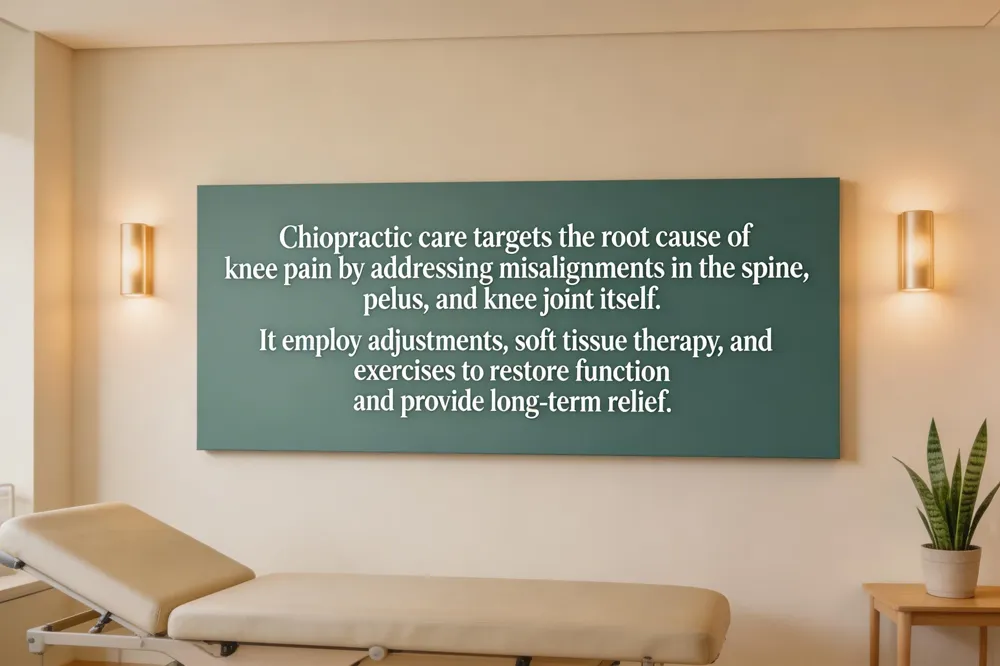
Yes, a chiropractor can be a highly effective resource for treating knee pain. They address not just the symptoms but the root cause of knee pain, which often involves misalignments in the knee joint itself or imbalances originating from the hips, pelvis, or spine. Using gentle chiropractic adjustments for knee pain, soft tissue therapy for knee pain, and targeted exercises, chiropractic care for knee pain can reduce pain, improve mobility, and promote healing from conditions like arthritis, injuries, and overuse. This holistic knee pain management approach helps restore proper joint function and strengthens the surrounding structures for long-term relief. For residents in Gastonia, NC, seeking a natural path to knee health, chiropractic care offers a trusted solution.
The Knee as Part of an Interconnected System
Chiropractors do not view the knee in isolation. It is a critical component of your body's kinetic chain. This means that problems elsewhere, particularly in the spine, hips, or feet, can directly lead to knee pain. For example, a misalignment in the pelvis can cause one leg to bear more weight than the other. This uneven pressure distorts your gait and places excessive, uneven stress on your knee joints. Similarly, issues in the lower back can irritate nerves that communicate with your leg muscles, leading to weakness or altered movement patterns that strain the knee.
The Comprehensive Chiropractic Evaluation
Your journey to relief begins with a thorough assessment. The goal is to identify every factor contributing to your discomfort. This process is far more than a quick look at your knee. Your chiropractor will start with a detailed discussion of your health history and current symptoms. They will then perform a physical examination, analyzing your posture and the way you walk (your gait). This helps spot imbalances and compensatory movements. Depending on your specific situation, digital X-rays or a review of existing medical imaging may be used. These tools provide a clear picture of your joint alignment and help rule out certain conditions. This comprehensive evaluation ensures your personalized chiropractic treatment plan is precisely tailored to you.
Correcting Misalignments to Restore Function
The core of the chiropractic approach is correcting misalignments, known as subluxations, throughout the body. When the bones of your spine, pelvis, or knee are not in their proper position, it can disrupt nerve function, alter your body mechanics, and increase strain. Gentle, controlled chiropractic adjustments for knee pain are applied to these areas to restore normal alignment and joint mobility. By realigning the hips and spine, pressure is taken off the knees. Direct, careful adjustments to the knee joint itself can improve its range of motion and decrease stiffness. This restoration of proper structure allows for optimal nerve communication, improves biomechanics, and promotes the body's natural healing for knee pain. The result is reduced inflammation, less pain, and better overall function.
Conditions Addressed by Chiropractic Care
This root-cause approach is versatile and can help manage a wide array of knee issues. Chiropractors commonly treat pain stemming from degenerative conditions, injuries, and systemic imbalances. The list includes osteoarthritis knee pain management and rheumatoid arthritis, meniscal injuries and patellar tendonitis, IT band syndrome and bursitis. Crucially, chiropractic care is also effective for referred pain, where discomfort in the knee is actually caused by a problem in the lower back or hip. By addressing the primary source of the problem, whether it's in the joint itself or referred from elsewhere, treatment aims for more complete and lasting relief.
A Personalized, Multi-Technique Treatment Plan
Effective care rarely relies on a single method. Your chiropractor will develop a personalized plan that combines several therapeutic techniques. This integrated strategy targets the problem from multiple angles for comprehensive recovery. Your plan may include specific spinal and extremity adjustments alongside soft tissue therapies like massage or Instrument-Assisted Soft Tissue Mobilization to release muscle tension. Therapeutic exercises are almost always a component, designed to strengthen the muscles supporting your knee and improve flexibility. This combination of passive care (adjustments, therapy) and active care (exercises) helps ensure long-lasting results. It empowers you with the tools to maintain knee health and prevent future issues, moving you toward a life with less pain and more mobility.
| Chiropractic Evaluation Components | Common Knee Conditions Treated | Key Treatment Techniques |
|---|---|---|
| Detailed health history & symptom review | Osteoarthritis & Rheumatoid Arthritis | Spinal & Pelvic Adjustments |
| Posture & gait analysis | Meniscal Injuries & Tendonitis | Knee Joint Manipulation |
| Orthopedic & neurological tests | IT Band Syndrome & Bursitis | Soft Tissue Therapy (e.g., Active Release Technique, massage) |
| Possible imaging (X-rays) | Referred Pain from Back/Hip | Therapeutic & Strengthening Exercises |
Core Chiropractic Techniques for Knee Rehabilitation
Core Chiropractic Techniques for Knee Rehabilitation
Chiropractic care offers a natural, non-invasive pathway for addressing chronic knee pain. By targeting the underlying biomechanical causes rather than just masking symptoms, a chiropractor aims to restore function and promote the body's innate healing processes. The approach is holistic, recognizing that the knee operates within an interconnected kinetic chain. Problems in the spine, pelvis, hips, or ankles can directly alter gait and place uneven, damaging stress on the knee joints.
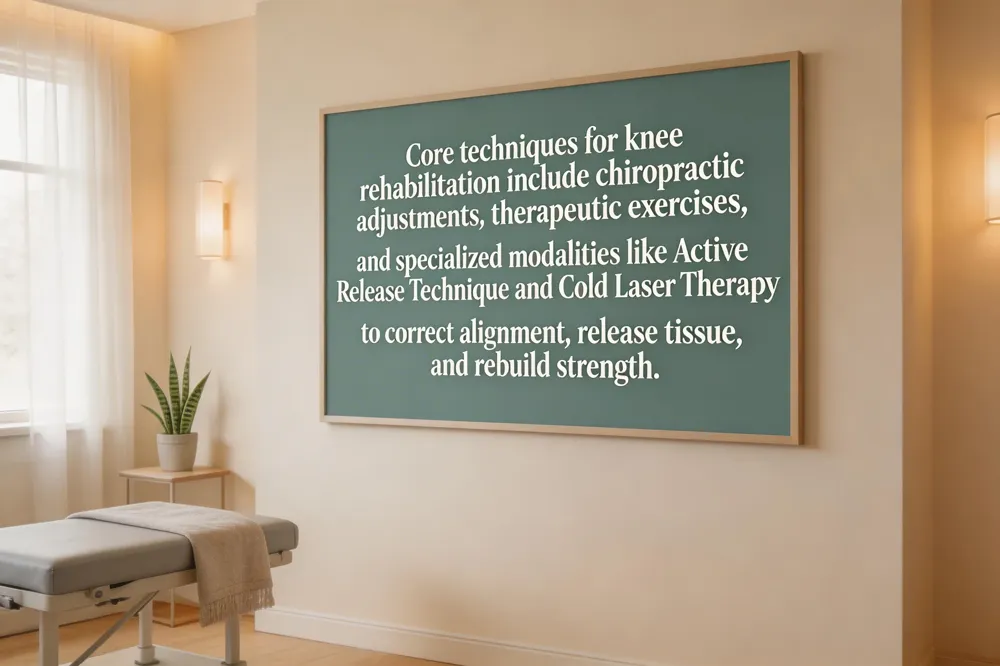
Treatment begins with a comprehensive evaluation. This typically includes a detailed health history, postural and gait analysis, and orthopedic testing to pinpoint the root causes of knee pain. From this assessment, a personalized treatment plan is developed. This plan often integrates several specialized techniques designed to correct alignment, release soft tissue restrictions, and rebuild strength for lasting stability and pain relief.
What are chiropractic knee adjustments and exercises for knee pain?
Chiropractic adjustments form a cornerstone of treatment. These involve the application of controlled, gentle force to restore proper alignment and mobility not just in the knee, but in related structures like the spine, hips, and ankles. Correcting these misalignments, known as subluxations, improves overall body mechanics. This reduces abnormal strain on the knees, decreases nerve irritation, and can provide immediate pain relief. Adjustments are often complemented by instrument-assisted techniques for sensitive joints, delivering precise corrections with minimal discomfort.
These manual corrections are powerfully supported by therapeutic exercises. A chiropractor will prescribe a personalized regimen targeting key stabilizing muscles. Strengthening the quadriceps, hamstrings, and gluteal muscles is crucial for offloading the knee joint. Exercises like straight leg raises, wall squats, and clamshells build this essential support. Concurrently, flexibility work through stretches for the calves, hamstrings, and hip flexors helps restore normal range of motion. This combined strategy addresses both joint dysfunction and the muscular imbalances that perpetuate pain.
Can misalignment or poor posture cause knee pain?
Absolutely. The body functions as an integrated unit. Chronic misalignments in the spine or pelvis, often stemming from poor posture, create a domino effect. A rotated pelvis or a leg length discrepancy forces the knees to bear weight unevenly. This abnormal stress distribution accelerates wear and tear on cartilage and ligaments. Similarly, tight muscles in the hips or weak glutes force the knees to compensate during movement, leading to overuse injuries like patellofemoral pain syndrome. Correcting these foundational postural and alignment issues is therefore essential for resolving many types of knee pain.
Specialized Therapeutic Modalities
Beyond adjustments and exercises, chiropractors utilize advanced modalities to enhance healing.
Soft Tissue Therapies address restrictions in muscles, tendons, and ligaments. The Active Release Technique (ART) is a precise, movement-based method where practitioners apply tension while patients move specific body parts. This breaks down adhesions and scar tissue that limit mobility and cause pain. Instrument-Assisted Soft Tissue Mobilization (IASTM) uses specialized tools to detect and treat these restrictions. The tools create controlled microtrauma, stimulating the body’s healing cascade to break down abnormal tissue and encourage properly aligned tissue regeneration.
McKenzie Method is a systematic, patient-centered approach. After a thorough assessment to classify the pain, specific directional exercises are prescribed. The goal is to "centralize" pain, meaning to move discomfort from the periphery (like the knee) back toward the spine’s midline. This is often a sign of healing and is particularly effective for knee pain referred from disc issues in the lower back. The method empowers patients with self-management techniques for long-term wellness.
Low-Level Laser (Cold Laser) Therapy is a non-invasive knee pain treatment that uses specific wavelengths of light to penetrate tissue. This stimulation increases cellular energy production, enhances circulation, and reduces inflammation. It accelerates the repair of damaged tissues in the knee and can stimulate endorphin release for natural pain relief. This therapy is especially beneficial for chronic conditions like osteoarthritis, often showing improvement after just a few sessions.
Overview of Chiropractic Knee Rehabilitation Techniques
| Technique | Primary Action | Common Applications |
|---|---|---|
| Spinal & Knee Adjustments | Restores joint alignment and mobility | Corrects gait imbalances, reduces nerve irritation |
| Therapeutic Exercises | Strengthens muscles, improves balance | Builds stability in quads, hamstrings, and glutes |
| Active Release (ART) | Breaks down scar tissue and adhesions | Treats chronic soft tissue restrictions, athlete injuries |
| McKenzie Method | Centralizes pain via specific exercises | Addresses knee pain referred from spinal issues |
| Cold Laser Therapy | Stimulates cellular repair, reduces inflammation | Manages osteoarthritis, accelerates tissue healing |
| Instrument-Assisted (IASTM) | Improves soft tissue quality and function | Releases fascial restrictions, enhances mobility |
Integrating Natural Remedies and Lifestyle for Holistic Healing
Integrating Natural Remedies and Lifestyle for Holistic Healing
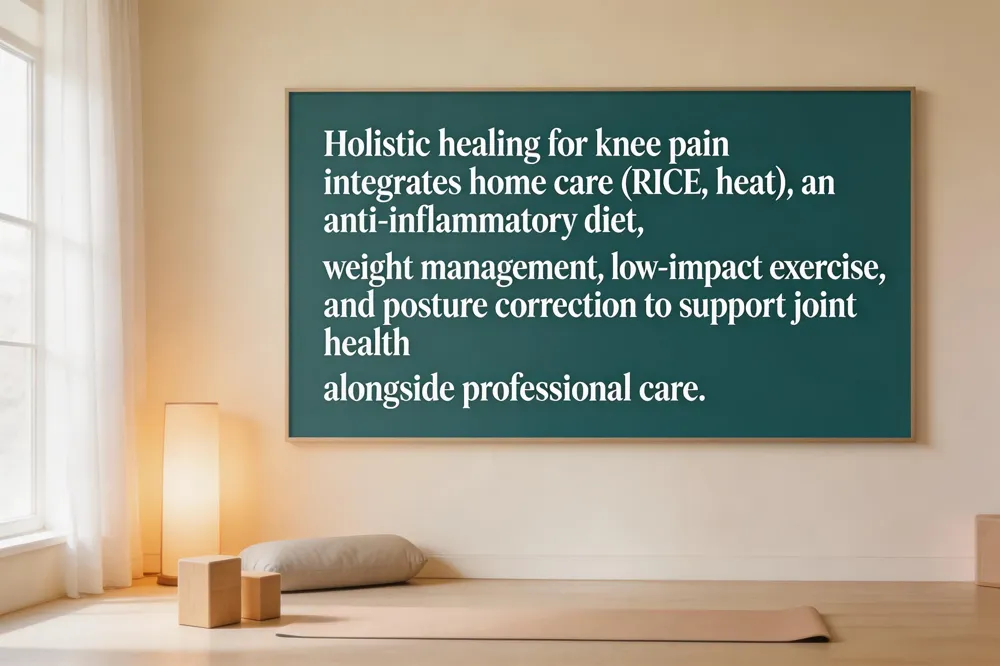
Effective management of knee pain extends beyond the treatment room. A holistic strategy that combines immediate home care, mindful nutrition, and sustainable lifestyle modifications can significantly reduce discomfort, enhance joint function, and support long-term healing. This integrated approach works in tandem with professional chiropractic care to address the root causes of pain.
What are effective non-surgical knee pain treatments and natural remedies for knee pain?
A multi-faceted plan provides the best results. Core strategies include professional-guided physical therapy for knee pain relief to correct muscle imbalances and improve stability, alongside at-home natural remedies aimed at reducing inflammation and promoting tissue health. The synergy between structured rehabilitation and daily self-care practices forms a powerful foundation for knee pain relief without surgery.
What is the fastest way to relieve knee pain at home?
For sudden or acute knee pain, the RICE method for acute knee injuries offers the quickest path to relief. Rest the joint to prevent further irritation. Apply an Ice pack wrapped in a cloth for 15-20 minutes to reduce swelling and numb pain. Use gentle Compression with an elastic bandage or sleeve to minimize fluid buildup. Elevate the leg above heart level to help drain excess fluid. This method is most effective for injuries or post-activity flare-ups.
Home Care & Immediate Relief
Contrasting approaches are needed for different types of pain. While ice is ideal for acute swelling, chronic stiffness often responds better to heat therapy for chronic knee pain. A warm compress or heating pad applied for 20 minutes can loosen tight muscles, improve circulation, and soothe aching joints. Alternating heat and cold may also be beneficial for some individuals.
Gentle self-massage of the thigh, calf, and around the knee can improve blood flow and reduce muscle tension. Using anti-inflammatory essential oils like lavender may enhance the effect. Soaking in a warm Epsom salt baths for knee stiffness leverages magnesium's natural properties to ease muscle spasms and joint stiffness, providing a relaxing form of pain relief.
Diet & Supplementation
Nutrition directly influences joint inflammation. An anti-inflammatory diet focuses on whole, nutrient-dense foods. Fatty fish like salmon and sardines provide omega-3 fatty acids and inflammation. Leafy greens and berries are rich in antioxidants. Incorporating spices like turmeric and ginger for knee inflammation can naturally dampen inflammatory pathways.
Dietary supplements can fill nutritional gaps to support cartilage and bone health. Common recommendations include glucosamine and chondroitin supplements for cartilage structure, MSM (methylsulfonylmethane) for sulfur support, omega-3 supplements for concentrated anti-inflammatory benefits, and vitamin D for bone integrity. Always consult a healthcare provider before starting any new supplement regimen.
Weight Management
Body weight has a profound mechanical and biochemical impact on the knees. For every pound of weight lost, the knee experiences a reduction of four pounds of pressure during walking. This dramatically decreases wear and tear on joint surfaces.
Beyond mechanics, excess adipose tissue produces inflammatory chemicals that can worsen joint pain. Sustainable weight loss to reduce knee pain through a balanced diet and regular activity is not just about load reduction; it's a direct strategy to lower systemic inflammation and promote a healthier joint environment.
Activity Modification
Switching to low-impact exercises for knee pain is crucial for staying active without aggravating knee pain. Activities like swimming, walking, cycling, using an elliptical trainer, and walking on soft surfaces maintain cardiovascular health and muscle strength while minimizing joint stress.
The notion that complete rest is best is a myth. Prolonged inactivity leads to muscle weakness and increased stiffness. Movement is medicine—it stimulates nutrient-rich synovial fluid flow around the joint. The key is to avoid high-impact activities like running and jumping that place excessive strain on the knees.
Posture & Body Mechanics
Daily habits contribute significantly to knee strain. Proper footwear with good arch support and cushioning is essential; avoid consistently wearing flat shoes or flip-flops. Be mindful of avoiding prolonged sitting; take frequent breaks to stand, stretch, and walk to prevent joint stiffness.
Correcting standing and walking posture ensures balanced weight distribution. A chiropractor can assess your gait for issues like overpronation or pelvic tilt that place uneven stress on the knees. Simple awareness of keeping weight centered and movements smooth can prevent compensatory patterns that lead to pain.
Digesting the Topics: A Holistic Overview
| Self-Care Focus | Primary Actions & Tools | Expected Benefit for Knees |
|---|---|---|
| Immediate Pain Relief | RICE method, heat packs, Epsom salt baths. | Reduces acute swelling, soothes chronic stiffness, promotes relaxation. |
| Nutritional Support | Anti-inflammatory diet, key supplements (e.g., glucosamine, omega-3s). | Lowers systemic inflammation, provides building blocks for joint repair. |
| Load Management | Sustainable weight loss, low-impact exercise selection. | Decreases mechanical pressure on joints, reduces inflammatory markers. |
| Movement & Activity | Swimming, cycling, avoiding high-impact sports. | Maintains strength and mobility without exacerbating pain or injury. |
| Daily Mechanics | Supportive footwear, posture correction, breaking up sedentary time. | Prevents uneven strain, improves alignment, and reduces compensatory stress. |
Managing Severe Knee Pain: A Viable Non-Surgical Path
Managing Severe Knee Pain: A Viable Non-Surgical Path
Severe knee pain, often driven by conditions like osteoarthritis, can be a major obstacle to daily life. A common misconception is that surgery is the only or best solution. However, a substantial body of evidence and clinical practice shows that most knee pain, including cases that may be considered for joint replacement, can be successfully managed through structured, non-surgical means.
Research supports the effectiveness of a conservative care-first approach. A significant study published in The BMJ (Skou et al., 2015) found that for many patients with knee osteoarthritis, a regimen of non-surgical treatment—including physical therapy, weight loss, and pain medication—produced patient-reported outcomes similar to those seen after knee replacement surgery. This highlights a critical point: comprehensive conservative care is a powerful and often underutilized first line of defense.
Can you heal knee pain without surgery, even for severe conditions like bone-on-bone arthritis?
Yes, it is often possible to manage and find significant relief from knee pain without surgery, even for severe conditions like bone-on-bone arthritis. A comprehensive, non-surgical approach typically includes guided physical therapy to strengthen supporting muscles, lifestyle modifications like weight loss to reduce joint stress, and specialized bracing to improve stability. Therapeutic injections, such as corticosteroids for inflammation or hyaluronic acid for joint lubrication, can provide substantial, lasting pain relief. Additionally, targeted chiropractic care can help improve joint function, alignment, and mobility while reducing inflammation naturally. While these methods may not reverse all structural damage, they can effectively manage pain, improve quality of life, and delay or even eliminate the need for surgical intervention.
A successful non-surgical plan is rarely a single treatment. It is a multi-modal strategy that addresses pain from several angles simultaneously. This integrated approach is designed to reduce discomfort, restore function, and enhance overall well-being.
Core Components of a Conservative Care Plan
An effective conservative strategy typically weaves together several evidence-based therapies:
- Chiropractic Care: This serves as a foundational element, focusing on the body's alignment and biomechanics. Chiropractic adjustments to the spine, pelvis, and knee itself can correct misalignments that place uneven stress on the knee joint. Complementary therapies like low-level laser (cold laser) therapy are used to reduce inflammation and stimulate cellular healing in the knee tissues without medication.
- Physical Therapy and Rehabilitative Exercises: A tailored exercise program is crucial. Therapists and chiropractors design routines to strengthen the quadriceps, hamstrings, and gluteal muscles, which provide critical support to the knee. Exercises also improve flexibility, balance, and proprioception—the body's sense of its position in space—leading to better movement patterns and stability.
- Weight Management: This is a powerful modifiable factor. Excess body weight dramatically increases pressure on the knees; every pound lost reduces approximately four pounds of force on the joint during walking. Weight loss also helps lower systemic inflammation, which can contribute to pain.
- Strategic Use of Bracing and Orthotics: Supportive devices are used tactically, not permanently. A knee brace can provide stability during acute flare-ups or high-impact activities. Custom orthotics correct foot mechanics and gait abnormalities, ensuring proper force distribution from the ground up, which can alleviate abnormal knee strain.
Coordinating with Other Medical Interventions
Chiropractic care functions well within a broader healthcare framework. Other non-surgical medical interventions that patients may explore include corticosteroid injections for rapid inflammation reduction, hyaluronic acid (viscosupplementation) injections to improve joint lubrication, and platelet-rich plasma (PRP) injections to promote tissue repair. A chiropractor can help coordinate care with other providers, ensuring these interventions are part of a cohesive plan. Chiropractic adjustments and therapies aim to optimize the biomechanical environment so these other treatments can be more effective and lasting.
The ultimate goal of this comprehensive, non-surgical path is not merely to mask symptoms. It aims to reduce pain significantly, improve joint function and mobility, and enhance the patient's quality of life. By addressing root causes like muscular weakness, poor alignment, and inflammation, this strategy can help individuals stay active, manage chronic conditions, and potentially delay or avoid surgery altogether.
| Therapy Category | Primary Goal | Common Techniques & Modalities | Expected Outcome |
|---|---|---|---|
| Chiropractic Care | Restore alignment & function | Spinal/pelvic adjustments, knee adjustments, cold laser therapy, soft tissue therapy | Improved joint mechanics, reduced nerve irritation, decreased inflammation |
| Rehabilitative Exercise | Build strength & stability | Quad/hamstring strengthening, balance training, flexibility stretches | Enhanced muscle support, better movement patterns, increased proprioception |
| Lifestyle & Adjuncts | Reduce external stress on joint | Weight management, anti-inflammatory nutrition, strategic bracing, custom orthotics | Lowered joint pressure, reduced systemic inflammation, improved gait |
| Medical Coordination | Address inflammation & lubrication | Corticosteroid injections, hyaluronic acid injections, PRP therapy | Rapid pain relief, improved joint lubrication, stimulated tissue healing |
Understanding the Spectrum of Care: From Natural Management to Surgery
Addressing the Reality of Common Surgical Trends
Over 600,000 knee replacement surgeries are performed annually in the United States, a significant figure that underscores the prevalence of severe knee pain. Yet, research suggests that comprehensive conservative care for knee issues, including chiropractic care for knee pain, physical therapy for knee pain, and lifestyle modifications, is often not fully explored as a first step. For many patients, this pathway of natural management strategies for knee pain can deliver outcomes comparable to surgery for conditions like osteoarthritis, helping to avoid the immediate risks and recovery demands of an invasive procedure.
Common Patient Concerns Regarding Surgical Intervention
When surgery is recommended, patients frequently express several understandable concerns about the process and long-term results.
- Recovery Time and Pain: The post-operative period involves significant discomfort, reliance on crutches or walkers, and a structured rehabilitation process that can last several months. This impacts daily independence and work.
- Longevity of Implants: Modern artificial knee joints are durable but not permanent. They typically last 15 to 20 years, after which revision surgery may become necessary. This is a particular concern for younger, active patients who wish to avoid multiple major operations in their lifetime.
| Concern Category | Specific Issues | Important Consideration |
|---|---|---|
| Immediate Recovery | Post-op pain, mobility aids, help needed at home | Standard for all patients, manageable with support |
| Long-Term Function | Implant lifespan, activity restrictions, revision risk | Over 80% remain functional after 15 years with proper care |
| Overall Outcome | Return to active life, pain relief, improved quality | Surgery generally supports these goals when indicated |
Positioning Chiropractic as a Proactive First Line of Defense
Chiropractic care for knee pain and its associated natural therapies for arthritis pain are not merely alternatives; they are a proactive first line of defense. This approach aims to address the root cause of knee pain—such as spinal misalignments, muscle imbalances, and poor biomechanics—rather than just masking symptoms. By restoring proper alignment and function throughout the kinetic chain (spine, pelvis, legs), chiropractic care for knee pain can reduce undue stress on the knees, alleviate pain, and improve mobility. For many individuals, this comprehensive conservative strategy can successfully postpone or even eliminate the need for surgical intervention.
The Collaborative Role in a Coordinated Care Plan
Chiropractors frequently work in collaboration with orthopedic surgeons and other healthcare specialists. This integrated approach ensures patients receive well-coordinated care tailored to their specific stage of need.
- Complementary Care: Chiropractors can provide non-invasive knee pain treatments that support a patient's overall joint health while under an orthopedic specialist's supervision.
- Post-Surgery Rehabilitation: Following a knee replacement, chiropractic care for knee pain can be invaluable. It aids in recovery through supportive therapies, guidance on safe movement, and therapeutic exercises for knee stability to restore strength and proprioception, helping patients achieve the best possible outcome from their surgery.
The Core Goal: Patient Empowerment and Quality of Life
The ultimate objective of natural management for knee pain through chiropractic is to empower patients. Rather than fostering dependency on medications or procedures, this model equips individuals with self-care strategies, therapeutic exercises for knee stability, and knowledge about posture and nutrition. The focus extends beyond pain relief to improving overall function and quality of life, enabling patients to stay active and engaged without immediate recourse to invasive surgeries.
Exploring the Newest Treatment Options for Knee Pain
While total knee replacement remains a definitive solution for advanced joint damage, several newer non-surgical and minimally invasive treatments are now available. These include advanced injection therapies like platelet-rich plasma (PRP) and stem cell treatments, which aim to harness the body's own healing mechanisms to repair cartilage. Arthroscopic procedures continue to evolve, allowing surgeons to smooth damaged cartilage and remove bone spurs through tiny incisions. Additionally, techniques such as autologous chondrocyte implantation (ACI) involve harvesting a patient's own cartilage cells, growing them in a lab, and reimplanting them to regenerate tissue. It's essential to consult with a healthcare provider, such as your chiropractor or an orthopedic specialist, to determine which evidence-based option is most appropriate for your specific condition and to discuss the latest advancements in regenerative medicine for knee arthritis.
Detailed Concerns About Surgery and Long-Term Outcomes
Patients weighing knee replacement often have detailed concerns about recovery and lasting results. Beyond the immediate post-operative challenges of pain and reduced mobility, long-term questions arise. A primary concern is the implant's durability and the possibility of needing future revision surgery, which can be more complex. Patients also worry about their ability to return to specific activities and maintain a high quality of life. While studies show that with proper care, over 80% of knee replacements remain functional after 15 years and provide significant pain relief, these concerns highlight why exploring all conservative care for knee issues first is a prudent step for many.
| Treatment Spectrum | Primary Methods | Key Patient Benefit |
|---|---|---|
| Natural Management | Chiropractic adjustments for knee pain, decompression, therapeutic exercise | Addresses root causes, empowers self-care, avoids surgery |
| Minimally Invasive | PRP/stem cell injections, viscosupplementation, arthroscopy | Promotes natural healing, shorter recovery than major surgery |
| Surgical Intervention | Partial or total knee replacement, robotic-assisted procedures | Definitive solution for severe joint damage, restores function |
Taking the First Step: Your Personalized Path to Knee Health

Key Signs You Should See a Chiropractor
Knowing when to transition from self-care to professional help is the first step toward lasting relief. If you experience any of the following signs, it's time to consider chiropractic care for knee pain for your knee pain:
- Persistent Pain: Pain that lasts more than a few weeks despite rest, ice, or over-the-counter pain relievers for knee pain.
- Visible Swelling and Instability: Swelling that doesn't fully resolve, or a sensation that your knee is giving way or feels unsteady.
- Limited Mobility: Difficulty bending, straightening, or bearing weight on the knee during daily activities like climbing stairs or walking.
- Radiating Discomfort: Pain that seems to travel from your lower back, hip, or thigh down into the knee.
- Recurring Issues: Pain that improves but keeps coming back, indicating an underlying imbalance hasn't been corrected.
Seeking care at this stage can help prevent further joint deterioration and address the root cause of knee pain before it becomes more serious.
What to Expect at Your First Consultation
A chiropractic clinic like Southeast Family Chiropractic begins with a thorough, patient-focused evaluation designed to uncover the complete picture of your knee health. Your initial consultation is not just about your knee; it's about understanding you. Typically, this involves:
- Comprehensive Health History: A detailed discussion about your symptoms, past injuries, lifestyle, and overall health.
- Physical & Neurological Exams: Assessments to check your knee's range of motion, strength, and stability, as well as neurological tests to assess nerve function.
- Postural and Gait Analysis: Observing how you stand and walk to identify imbalances in your spine, pelvis, or feet that may be affecting your knees.
- Review of Goals: A conversation about your personal health goals, whether it's returning to a favorite sport or simply walking without pain.
This comprehensive approach ensures your personalized chiropractic treatment plans is tailored specifically to you, not just a standard protocol.
The Typical Treatment Journey for Lasting Relief
Chiropractic care for knee pain is a collaborative journey toward improved function. A personalized plan often follows a phased approach:
- Initial Intensive Phase: At the start, visits may be more frequent to reduce pain, decrease inflammation, and begin correcting misalignments. Treatments may combine gentle chiropractic adjustments for knee pain and spinal adjustments, soft tissue therapy for knee pain, and modalities like low-level laser therapy.
- Rehabilitation & Strengthening Phase: As pain decreases, the focus shifts to restoring strength and stability. Your chiropractor will guide you through specific therapeutic exercises for knee pain for your quadriceps, hamstrings, and glutes, and may provide lifestyle guidance on posture and movement.
- Wellness & Maintenance Phase: Once your goals are met, fewer, periodic visits can help maintain alignment, prevent recurrence, and support your ongoing active lifestyle.
This journey empowers you with both in-office care and the knowledge for at-home management.
Important Safety and Suitability Considerations
Chiropractic care is widely recognized as a safe, non-invasive knee pain treatment approach. However, professional chiropractors are committed to your safety and will conduct a proper evaluation to ensure care is appropriate for you. Chiropractic adjustments may not be the first line of treatment for certain acute conditions, such as:
- Recent fractures or bone cancer in the area.
- Complete ligament ruptures (e.g., an ACL tear) requiring surgical evaluation.
- Severe, active inflammatory flares from conditions like rheumatoid arthritis.
- Advanced osteoporosis.
A trustworthy practitioner will identify these situations during your assessment and provide a referral to the appropriate medical specialist, ensuring you receive the most suitable conservative care for knee issues for your specific needs.
Begin Your Journey to an Active Life
If knee pain is holding you back from the life you love, you have a natural, effective option. The holistic approach to knee pain management of chiropractic care focuses on restoring your body's balance and innate ability to heal. We invite our neighbors in Gastonia and the surrounding communities to explore how personalized chiropractic care plans can be your trusted partner in overcoming knee pain. Take the first step toward reclaiming your mobility, reducing reliance on medications, and enjoying an active, vibrant life again.
| Common Signs to Seek Care | First Consultation Components | Treatment Journey Phases | Safety Considerations |
|---|---|---|---|
| Pain lasting weeks | Detailed health history | Initial pain relief | Not for acute fractures |
| Swelling, instability | Physical/neuro exams | Rehab & strengthening | Not for ruptured ligaments |
| Limited knee motion | Postural/gait analysis | Wellness maintenance | Caution in severe inflammation |
| Pain from back/hip | Personal goal discussion | Home exercise guidance | Requires proper diagnosis |
| Recurring discomfort | Review of past imaging | Lifestyle recommendations | Referral made when needed |
Restoring Knee Health and Mobility: A Natural Path Forward
The Scope and Impact of Knee Pain
Knee pain is a widespread issue, affecting approximately 25% of adults and becoming increasingly prevalent. This pain significantly impacts daily activities, from walking and climbing stairs to simply standing, diminishing overall quality of life. Common origins include overuse from activities like running, sudden trauma from sports or falls, and degenerative conditions like osteoarthritis. Understanding that knee pain is common yet highly disruptive underscores the need for effective, lasting solutions.
A Root-Cause Approach to Healing
Chiropractic care offers a natural, non-invasive solution by focusing on underlying causes rather than just masking symptoms. This philosophy views the body as an interconnected system, where the knee functions as part of a kinetic chain. Misalignments in the spine, pelvis, hips, or ankles can alter posture and gait, placing uneven stress on the knees. By correcting these imbalances, chiropractic care aims to restore proper body mechanics, reduce joint strain, and promote the body's inherent healing processes.
Core Chiropractic Techniques for Knee Relief
Chiropractors employ several targeted methods to address knee pain directly and indirectly.
- Chiropractic Adjustments: Using controlled, gentle force, practitioners realign the knee joint and surrounding structures like the spine and pelvis. This restores joint mobility, improves nerve function, and can provide immediate pain relief by reducing pressure on the joint.
- Soft Tissue Therapies: Techniques like Active Release Technique (ART) and Instrument-Assisted Soft Tissue Mobilization (IASTM) break down adhesions and scar tissue in muscles, tendons, and ligaments. ART involves applying tension during specific patient movements, while IASTM uses specialized tools to improve tissue quality and function.
- Low-Level Laser Therapy: This method uses specific light wavelengths to stimulate cellular repair, reduce inflammation, and accelerate healing in knee tissues without medication. It is particularly noted for its effectiveness in chronic conditions like osteoarthritis.
- The McKenzie Method: This patient-centered approach involves a thorough assessment to classify pain and employs specific exercises designed to centralize pain toward the body's midline, empowering patients with self-management techniques for long-term relief.
Integrating a Holistic Toolkit
A comprehensive treatment plan extends beyond in-office procedures to include active patient participation and lifestyle modification.
- Therapeutic Exercises: Personalized exercises strengthen key muscles like the quadriceps and hamstrings to stabilize the knee. Balance and proprioception training improves the body's awareness of joint position, preventing future injuries.
- Lifestyle and Nutritional Guidance: Weight management is crucial, as each pound lost reduces four pounds of pressure on the knees. Anti-inflammatory nutrition—including omega-3 fatty acids, turmeric, and ginger—supports joint health. Recommendations often encourage low-impact activities like swimming or cycling over high-impact exercises.
- Supportive Home Remedies: Chiropractors may advise complementary at-home strategies such as the RICE protocol (Rest, Ice, Compression, Elevation) for acute pain, gentle stretching, heat therapy for chronic stiffness, and the use of compression wraps for temporary support.
Conditions Treated and the Care Process
Chiropractic care can effectively address a wide range of knee issues, including osteoarthritis, rheumatoid arthritis, meniscal injuries, patellar tendonitis, bursitis, and overuse syndromes like runner's knee. The initial visit involves a comprehensive evaluation: a detailed health history, analysis of symptoms, assessment of posture and gait, and possibly digital X-rays. This allows for a highly personalized treatment plan, which may start with more frequent visits that taper off as improvement occurs.
The Power of a Comprehensive, Non-Surgical Strategy
For many patients, a multi-faceted, conservative approach provides significant, long-lasting relief and can delay or even prevent the need for surgery. Research indicates that comprehensive non-surgical care can produce outcomes similar to surgery for many individuals. By combining alignment corrections, tissue therapy, rehabilitation exercises, and lifestyle changes, chiropractic care works to not only alleviate pain but also improve overall joint function, mobility, and strength, addressing the root of the problem for sustainable wellness.
Seeking Professional Care and Collaborative Treatment
It is advisable to consult a chiropractor if knee pain persists for more than a few weeks, is accompanied by swelling or instability, or radiates from the back or hip. Chiropractors often work collaboratively with other healthcare professionals, such as orthopedic doctors and physical therapists, to ensure a well-coordinated approach. This integrative model is especially valuable for post-surgery rehabilitation or when a patient's condition requires multi-disciplinary management.
Non-Surgical Knee Pain Management Overview
| Approach Category | Specific Methods | Primary Goal | Common Applications |
|---|---|---|---|
| Manual & Adjustive | Spinal/Knee Adjustments, McKenzie Method | Restore joint alignment and mobility | Arthritis, misalignment, overuse pain |
| Soft Tissue Therapy | ART, IASTM, Therapeutic Massage | Release muscle tension, break down scar tissue | Tendonitis, muscle imbalances, IT band syndrome |
| Modality-Based | Low-Level Laser Therapy, Ultrasound | Reduce inflammation, stimulate healing | Osteoarthritis, chronic inflammation, tissue repair |
| Rehabilitative | Strengthening Exercises, Stretching Routines | Improve stability, flexibility, and support | Injury recovery, preventive conditioning |
| Lifestyle & Adjunctive | Weight Management, Anti-inflammatory Nutrition, Home Remedies (RICE) | Reduce joint stress, support overall joint health | All conditions, especially osteoarthritis and overuse |