Why Massage Matters for Musculoskeletal Wellness
Therapeutic massage relaxes muscles, tendons, and joints while lowering stress hormones, which eases musculoskeletal discomfort. Research shows it activates gate‑control pathways, stimulates mechanoreceptors, and boosts endorphin, serotonin, and dopamine release, producing natural analgesia. Clinical trials report reduced pain and improved range of motion after regular sessions, especially when combined with self‑massage or exercise. Integrating massage with chiropractic adjustments prepares soft tissue, allowing more precise spinal manipulation and prolonging benefits. Physical therapists use targeted manual techniques—myofascial release, trigger‑point therapy, and joint mobilization—to complement therapeutic exercise, creating a multimodal plan that accelerates recovery and enhances functional wellness overall patient health and vitality.
Self‑Care and Targeted Techniques for Back and Neck Relief
 Gentle self‑massage can ease back tension and boost circulation. Use fingertips, a closed fist, or a tennis ball to apply moderate pressure (5‑7/10) on tight spots, rolling side‑to‑side while avoiding direct spinal pressure. Combine with simple stretches like the “brick‑back” shoulder knead or cat‑cow motions to open the upper back and improve posture. For the neck, tuck the chin, press lightly where the neck meets the spine for 30‑60 seconds, then massage side‑neck circles with fingertips. A squeeze‑and‑release at the base of the neck and a brief wall‑ball press on tender trigger points add deeper relief. Lower‑back pressure points such as B23 and B47 (two to four finger‑widths from the spine) respond well to steady thumb pressure for 1‑2 minutes, followed by kneading the erector spinae and latissimus dorsi. Neck‑and‑shoulder massage starts with warm fingertip circles at the skull base, long gliding strokes down the neck, kneading trapezius and levator scapulae, and a thumb‑crawling motion across the shoulders; finish with gentle cervical stretches. If pain persists, numbness, or radiates, seek a professional chiropractic evaluation.
Professional Massage Services in Gastonia
 Massage therapy for back pain in Gastonia, NC – Our clinic partners with licensed therapists who use deep‑tissue, Swedish and myofascial‑release techniques to target tight muscles, trigger points, and spinal tension. Integrated with chiropractic adjustments, these sessions lower inflammation, improve circulation, and restore range of motion for faster relief.
Massage for lower back pain in Gastonia, NC – Targeted soft‑tissue work reduces muscle spasms and enhances post‑adjustment healing. Personalized sessions address chronic discomfort, recent strains, or post‑ural soreness, often decreasing reliance on pain medication.
Massage for chronic pain in Gastonia, NC – Deep‑tissue, myofascial release and trigger‑point therapy diminish muscle tightness, boost blood flow, and lower pain intensity. Regular visits also cut stress hormones, improve sleep, and support long‑term well‑being.
What massage is good for high cortisol levels? – Swedish massage’s long, gentle strokes activate the parasympathetic nervous system, directly reducing cortisol and promoting relaxation.
Can you get a massage with low platelets? – Light‑touch or lymphatic massage may be allowed if platelet counts exceed safe thresholds and a physician approves; deep pressure is contraindicated.
Can you get a massage if you have high blood pressure? – Consult your GP; controlled hypertension can benefit from massage, but uncontrolled pressure requires medical clearance.
Massage services near Gastonia, NC – We refer to locally‑owned, licensed therapists offering therapeutic, sports and prenatal massage with flexible online booking and insurance‑friendly rates.
Deep Tissue and Myofascial Strategies for Pain Relief
 Deep tissue massage targets the deeper muscle and fascia layers, using sustained pressure to break adhesions, improve blood flow, and reduce inflammation that often contributes to back pain. By stimulating mechanoreceptors, it activates the pain‑gate mechanism, allowing competing nerve fibers to dampen pain signals. Trigger‑point therapy focuses on hyper‑irritable knots, relieving referred pain and enhancing range of motion. Regular sessions also lower cortisol and raise endorphins, supporting relaxation and stress reduction. When combined with chiropractic adjustments, deep tissue work prepares muscles for safer spinal realignment, amplifying overall relief. Massage is generally safe for most back‑pain types, but fractures, infections or organ disease require medical clearance. It can aid muscle‑atrophy prevention by providing mechanical loading that promotes protein synthesis, especially when paired with exercise and nutrition. For most pain, deep‑tissue massage is the most effective, while Swedish or myofascial release suits milder discomfort. Consistent bi‑weekly sessions yield sustained benefits.
Integrating Chiropractic Care with Massage
 Can chiropractic help ALS? While direct research is limited, chiropractic care may safely address musculoskeletal discomfort in ALS patients, offering palliative relief similar to benefits seen in other neurological conditions. More studies are needed for definitive guidance.
Can massage help tight hip flexors? Yes. Targeted massage of the hip flexor group releases tension, enhances flexibility, and reduces associated pain.
Best type of massage for lower back pain: Deep‑tissue work focusing on trigger points and myofascial release is most effective, often followed by a gentle Swedish or hot‑stone session to ease soreness and support healing. Choose a licensed therapist who can tailor pressure to your condition.
Safety, Contraindications, and Holistic Wellness
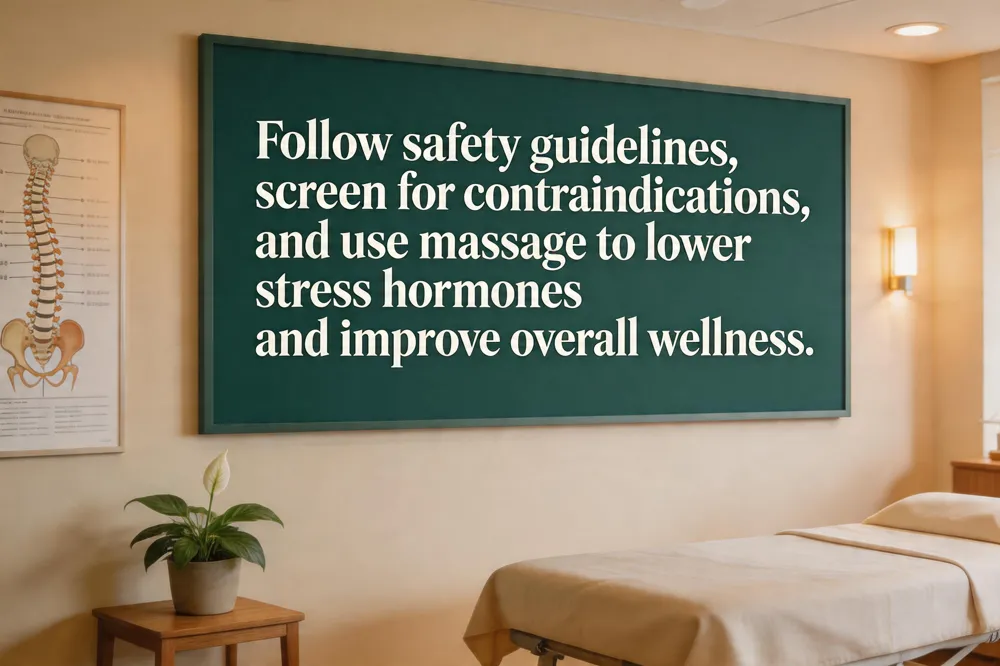 Massage therapy is a non‑invasive, low‑risk modality when performed by a licensed practitioner. General safety guidelines include a thorough health intake, verification of therapist credentials, and adjustment of pressure to the client’s tolerance. Therapists should avoid deep pressure (see Massage therapy is generally safe but is contraindicated over inflamed skin, infected areas, or in patients with certain medical conditions such as heart problems, infectious disease, phlebitis, or specific skin disorders) over acute inflammation, open wounds, or recent fractures, and they must screen for infections, uncontrolled hypertension, deep active phlebitis. Specific contraindications noted by the American Massage Therapy Association and peer‑reviewed studies are inflamed skin, active infection, recent cardiac events, severe osteoporosis, low platelet counts, and certain skin disorders. In such cases, lighter techniques or postponement are advised.
Beyond physical safety, massage reduces stress hormones; multiple studies report a 15‑20 % drop in cortisol after regular sessions, accompanied by increased serotonin and endorphins, which together improve mood, sleep, and pain perception. Practitioners should educate patients on self‑care between visits: gentle stretching, hydration, heat or cold application as appropriate, and the use of foam rollers or massage balls for targeted myofascial release. Patients are also encouraged to maintain open communication about pressure preferences and any new symptoms, ensuring that each session remains both safe and therapeutically effective.
Take the Next Step Toward Pain‑Free Living
Targeted massage techniques—such as myofascial release, trigger‑point therapy, and deep‑tissue work—relieve muscle tension, break up adhesions, improve circulation, and lower cortisol, yielding measurable reductions in pain and enhanced range of motion. When these soft‑tissue strategies are paired with chiropractic adjustments, the spine is freed from guarding muscles, allowing joint realignment to last longer and recovery to accelerate. Together they address both the source of discomfort and the nervous‑system response, providing a synergistic, drug‑free pain‑management plan. Take the first step today: schedule a consultation with a licensed therapist and chiropractor to design your personalized pathway to pain‑free living and lasting health.