Introduction
Navigating insurance coverage for chiropractic and laser therapy services can be complex. These non-invasive treatments offer numerous health benefits, from chronic pain relief to improved mobility. Understanding your specific insurance plan details, such as deductibles and visit limits, is crucial to accessing care while avoiding unexpected costs. Being informed helps patients maximize their benefits.
Navigating Insurance Coverage for Chiropractic Care
The first step in managing the cost of chiropractic care is understanding your specific insurance plan. Coverage and costs can vary significantly depending on your provider, plan type, and location. For example, Preferred Provider Organization (PPO) plans generally offer more flexibility to see both in-network and out-of-network chiropractors, while Health Maintenance Organization (HMO) plans may require a referral from a primary care physician and limit coverage to in-network providers.
Some plans include chiropractic care as a standard benefit, while others offer it as an optional rider or under the broader category of "paramedical services." Annual limits on visits are common — many plans cover between 12 and 20 visits per year — while others place a dollar cap on total chiropractic benefits. Understanding these details before your first appointment helps prevent surprise bills.
In-Network vs. Out-of-Network. Seeing an in-network provider generally means lower out-of-pocket costs due to pre-negotiated rates. Out-of-network coverage often requires the patient to pay a higher percentage of the cost.
Cost-Sharing Terms. "Copay" is a fixed fee per visit (often $20–$50), while "coinsurance" is the percentage you pay after meeting your deductible (e.g., 20%). Your deductible is the amount you must spend each year before insurance begins to pay.
Insurance Coverage for Laser Therapy
Insurance coverage for laser therapy varies widely depending on the provider, your specific plan, and the condition being treated. Many major insurers, including Aetna, Anthem Blue Cross Blue Shield, and UnitedHealthcare, offer coverage for laser therapy under certain circumstances. However, a significant number of carriers classify it as investigational and not medically necessary for most musculoskeletal conditions.
Medicare's approach to laser therapy is clear: Original Medicare does not cover it for conditions like chronic pain or neuropathy. Some Medicare Advantage plans may offer additional benefits that include laser therapy, so checking your specific plan's Evidence of Coverage document is essential. Medicaid at the federal level also does not cover cold laser therapy.
Workers' compensation and auto insurance Personal Injury Protection (PIP) policies more commonly cover laser therapy for acute soft tissue injuries from work-related incidents or car accidents. These cases typically involve a clear injury event and require detailed documentation to establish medical necessity.
The best way to avoid surprise costs is to verify your individual plan's coverage before starting treatment. Call the customer service number on your insurance card and ask whether laser therapy is a covered benefit, if pre-authorization is required, what your copay or coinsurance will be, and whether there are visit limits. Providing your policy details to Southeast Family Chiropractic allows our team to perform a courtesy benefits check so you know exactly what to expect financially before your first session.
Addressing Common Questions about Chiropractic Care and Laser Therapy
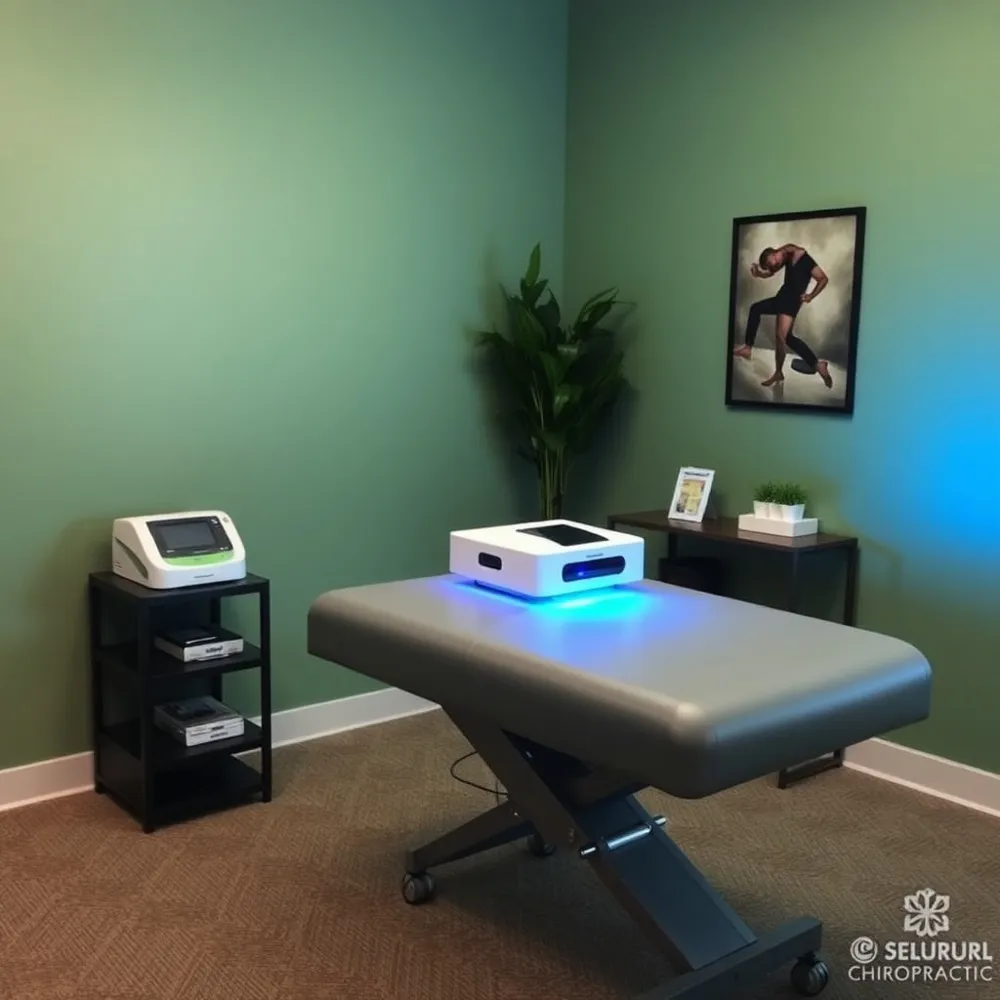
Can chiropractic care help with torticollis?
Chiropractic care can be an effective, non-invasive approach for managing torticollis. This condition involves tight neck muscles that cause the head to twist or tilt to one side, and it affects both infants (congenital torticollis) and adults (acquired torticollis). Chiropractors use gentle spinal adjustments and soft tissue techniques to restore proper alignment and range of motion. The team at Southeast Family Chiropractic in Gastonia, North Carolina, includes care for these kinds of musculoskeletal conditions as part of their family-focused treatment approach.
Is laser therapy painful?
Laser therapy is generally not painful. Most patients report a mild, soothing warmth during the session without any discomfort. Unlike treatments that rely on heat or vibration that can be jarring, photobiomodulation (the medical term for laser therapy) delivers focused light energy that stimulates cellular repair without irritating nerve endings. Sessions typically last 10 to 30 minutes depending on the area being treated, and there is no downtime afterward — you can resume normal activities immediately.
Cost Considerations for Laser Therapy Sessions
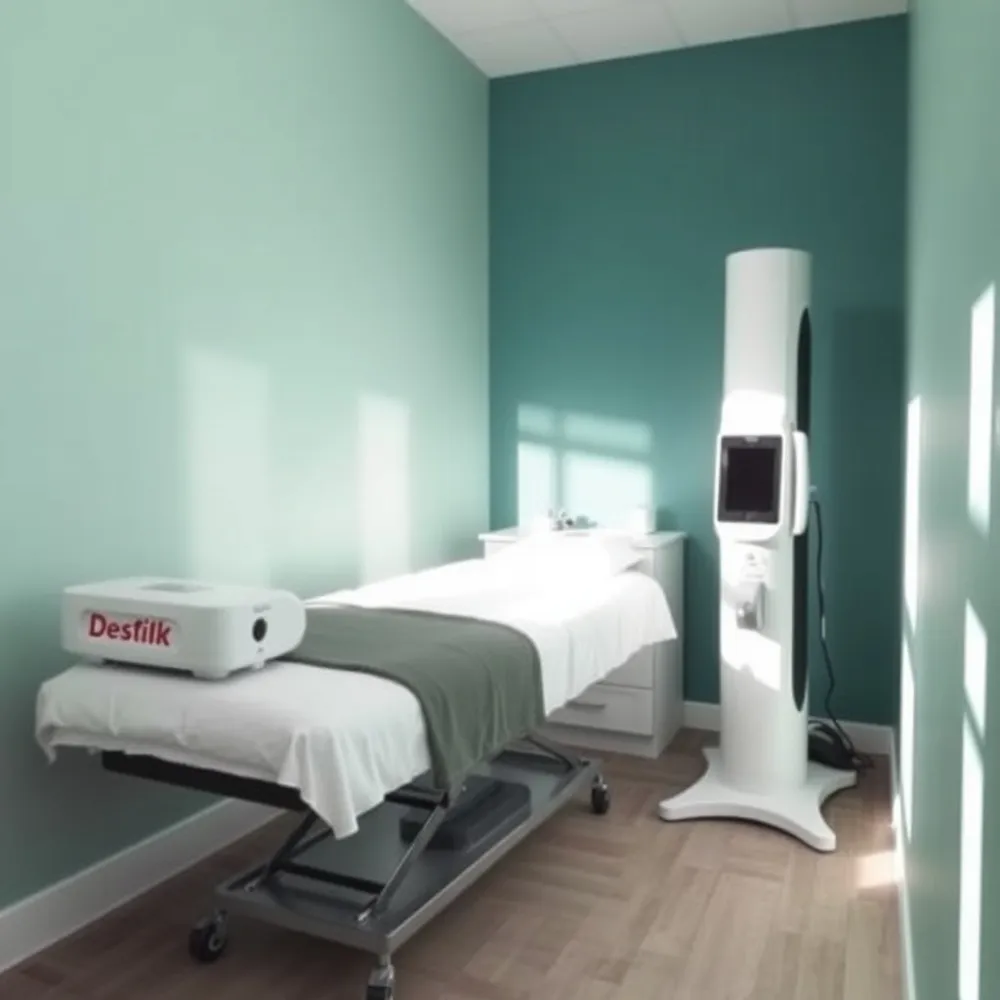 When paying without insurance, the typical cost of a single laser therapy session ranges from $50 to $150. This price varies based on factors such as your geographical location, the provider's expertise, the type of laser used (low-level versus Class IV), and the specific area being treated.
Many clinics offer discounted treatment packages when you purchase multiple sessions upfront. A six-session package often costs between $240 and $600, bringing the per-session rate down significantly. Patients with chronic conditions may need 10 to 12 sessions for optimal results, making package deals a practical option for managing overall expenses.
Non-invasive treatments like laser therapy can reduce long-term healthcare costs by up to 40 percent compared to surgical alternatives. Patients should also ask their clinic for a clear written estimate before starting treatment and inquire about payment plans that spread the cost over time.
Understanding Medicare Coverage for Chiropractic Care
Medicare Part B covers chiropractic care, but only for manual manipulation of the spine to correct a vertebral subluxation. After you meet the Part B deductible, you pay 20% of the Medicare-approved amount for each covered visit.
Limitations and requirements
Medicare does not cover other services or tests ordered by a chiropractor, including X-rays, massage therapy, and acupuncture. Treatment must be deemed medically necessary — maintenance care or long-term wellness visits that are not tied to a specific injury or condition generally are not covered.
Verifying Insurance Coverage for Laser Therapy
Before starting laser therapy, it is essential to confirm whether your specific plan covers the treatment. Coverage varies by provider, plan type, and the condition being treated.
Start by calling the customer service number on your insurance card and asking whether laser therapy (sometimes called low-level laser therapy or photobiomodulation) is a covered benefit. Ask about any requirements such as pre-authorization, referral from a primary care physician, or documentation of medical necessity.
If your plan offers an online member portal, log in to review your Evidence of Coverage document for details on complementary and alternative medicine benefits. Note any visit limits, copay amounts, and whether in-network providers are required for full coverage.
Many clinics will perform a courtesy benefits verification on your behalf if you provide your insurance information at the time of booking. This step can clarify what out-of-pocket costs to expect before treatment begins.
Chiropractic Treatment for Rotator Cuff Injuries
 A rotator cuff injury — often resulting from overuse, a fall, or repetitive overhead motion — can cause persistent shoulder pain and limited range of motion. While surgery and steroid injections are common medical responses, many patients wonder: Can a chiropractor treat a rotator cuff injury? The answer is yes. Chiropractors use non-invasive, drug-free approaches to help the shoulder heal without going under the knife.
How chiropractic care addresses rotator cuff injuries
Southeast Family Chiropractic in Gastonia, NC, takes a holistic approach to rotator cuff injuries. Treatment typically starts with a thorough assessment to identify the exact nature of the injury — whether it's a strain, tendinitis, or a partial tear. From there, the chiropractor may use gentle spinal adjustments to restore alignment in the neck and upper back, reducing compensatory tension that aggravates the shoulder.
In addition to adjustments, chiropractors often incorporate soft tissue therapy and rehabilitative exercises to strengthen the surrounding muscles and improve joint stability. This multi-modal strategy addresses both the symptoms and the underlying biomechanical issues contributing to the injury.
Benefits and effectiveness
Patients who choose chiropractic care for rotator cuff injuries avoid the risks and long recovery time associated with surgery. Many experience reduced pain, improved shoulder mobility, and faster return to daily activities within a few weeks of starting treatment. When combined with complementary therapies like laser therapy offered at Southeast Family Chiropractic, outcomes can be even more favorable — laser therapy uses focused light to reduce inflammation at the cellular level, accelerating tissue repair.
Because every rotator cuff injury is different, treatment plans are personalized based on the patient's age, activity level, and severity of the condition. Regular progress checks allow the chiropractor to adjust techniques as healing progresses.
Conclusion
Understanding your insurance coverage for chiropractic and laser therapy can make care more affordable and predictable. Taking the time to verify benefits, ask about visit limits, and communicate openly with your provider helps you get the most from your plan.
Conclusion
Navigating insurance coverage for chiropractic and laser services is a process that rewards proactive effort. Clear communication with both your provider and insurance company helps prevent surprises and ensures you receive the care you need.