Why Nutrition Matters for Nervous System Health
Nutrition directly influences nerve health by providing the building blocks needed for myelin formation, neurotransmitter synthesis, and efficient signal transmission. Essential nutrients such as B‑vitamins (B1, B6, B12, folate) support energy metabolism in neurons, while magnesium and potassium regulate electrical excitability. Omega‑3 fatty acids (EPA, DHA, ALA) from fatty fish, walnuts, flaxseed, and avocados maintain membrane fluidity and reduce neuro‑inflammation. Antioxidants—vitamins C, E, lutein, flavonoids in berries and leafy greens—protect nerve cells from oxidative damage. A holistic chiropractic practice often integrates personalized nutrition counseling, recognizing that spinal alignment can improve gastrointestinal function and nutrient absorption. By combining spinal adjustments with a diet rich in whole grains, vegetables, nuts, seeds, and low‑mercury fish, clinicians help optimize vascular supply, reduce inflammation, and support overall nervous‑system resilience and promote long‑term neurological vitality for patients.
Core Brain‑Boosting Nutrients and Foods
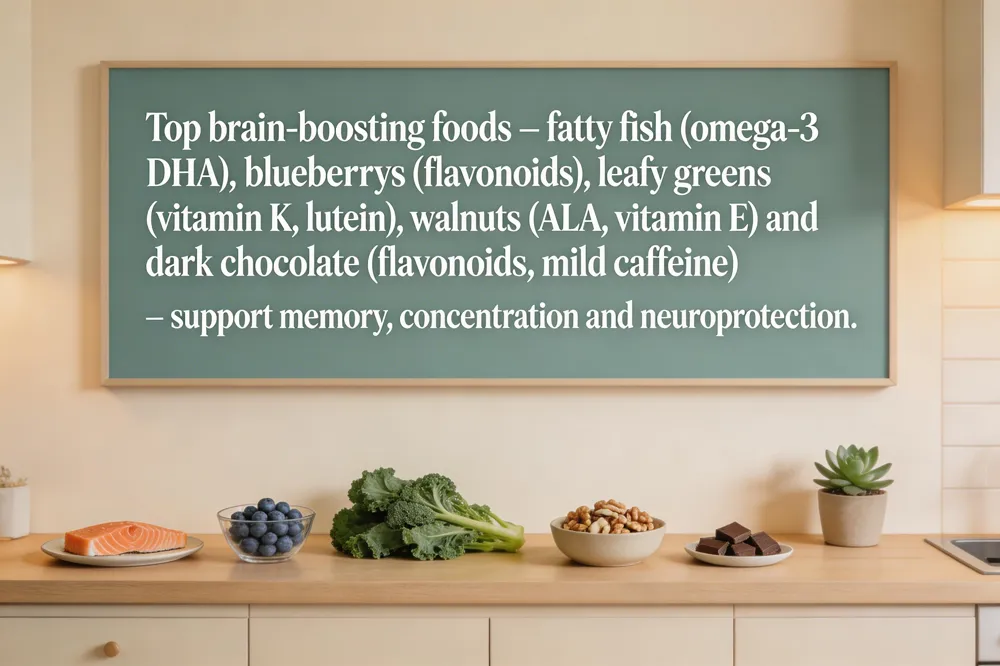 Brain food for memory and concentration
Eating a variety of nutrient‑dense foods can sharpen memory and boost concentration. Leafy greens such as kale, spinach, and broccoli supply vitamin K, lutein, folate, and beta‑carotene, which protect brain cells and support blood flow. Fatty fish (salmon, sardines, trout) and plant sources like walnuts, flaxseed, and avocados provide omega‑3 DHA that build neuronal membranes and reduce inflammation. Berries, especially blueberries and strawberries, are rich in flavonoid antioxidants that improve cerebral circulation and enhance learning. Whole grains, beans, and a modest amount of caffeine from coffee or tea give steady energy and B‑vitamins that sustain focus throughout the day.
Brain food for memory and concentration
Eating a variety of nutrient‑dense foods can sharpen memory and boost concentration. Leafy greens such as kale, spinach, and broccoli supply vitamin K, lutein, folate, and beta‑carotene, which protect brain cells and support blood flow. Fatty fish (salmon, sardines, trout) and plant sources like walnuts, flaxseed, and avocados provide omega‑3 DHA that build neuronal membranes and reduce inflammation. Berries, especially blueberries and strawberries, are rich in flavonoid antioxidants that improve cerebral circulation and enhance learning. Whole grains, beans, and a modest amount of caffeine from coffee or tea give steady energy and B‑vitamins that sustain focus throughout the day.
10 foods for brain health Fatty fish (salmon, trout, sardines) supply omega‑3 DHA for brain‑cell structure and anti‑inflammation. Berries—especially blueberries—are loaded with antioxidant flavonoids that protect neurons and improve memory. Nuts and seeds (walnuts, almonds, pumpkin seeds, avocado) provide healthy fats, vitamin E, magnesium, and lutein for cognitive support. Dark chocolate (≥85% cocoa), turmeric (curcumin), and colorful vegetables (broccoli, leafy greens) deliver flavonoids, anti‑inflammatory compounds, and vitamin K that boost blood flow and neuroprotection. Eggs (choline), oranges (vitamin C), and beans (folate, B‑vitamins) supply neurotransmitter precursors and steady glucose for optimal brain performance.
What are the top 5 brain foods
- Fatty fish (salmon) – omega‑3 DHA for neuronal membranes.
- Blueberries – flavonoid antioxidants that enhance cerebral blood flow.
- Leafy greens (kale, spinach, collards) – vitamin K, lutein, folate, beta‑carotene.
- Walnuts – alpha‑linolenic acid (ALA) and vitamin E.
- Dark chocolate (≥85% cocoa) – flavonoids and mild caffeine for focus.
What is the most powerful food for the brain? Blueberries stand out as the most powerful because their concentrated polyphenols protect neurons from oxidative stress, improve memory, and may reverse age‑related hippocampal shrinkage. Consuming a cup daily, preferably with a healthy fat, gives the brain potent neuroprotective support.
Best food for brain nerves Omega‑3‑rich fish (salmon, sardines) provide DHA for myelin sheath integrity. Magnesium‑dense nuts and seeds (almonds, walnuts) stabilize nerve membranes. Antioxidant berries and leafy greens reduce oxidative stress. Eggs supply choline for neurotransmitter synthesis. A drizzle of extra‑virgin olive oil or a cup of coffee adds monounsaturated fats and polyphenols for added nerve protection.
Foods good for nerves and muscles Lean proteins (chicken, turkey, beans, tofu) deliver B‑vitamins and amino acids for muscle repair and nerve signaling. Magnesium‑rich nuts, seeds, and greens calm over‑excited nerves. Potassium‑rich fruits (bananas, oranges, avocado) and vitamin‑D‑fortified foods aid transmission. Omega‑3‑rich fish and plant sources, whole grains (quinoa, sweet potatoes) complete a balanced regimen supporting both nerve health and muscle endurance.
Building a Nervous‑System‑Friendly Eating Plan
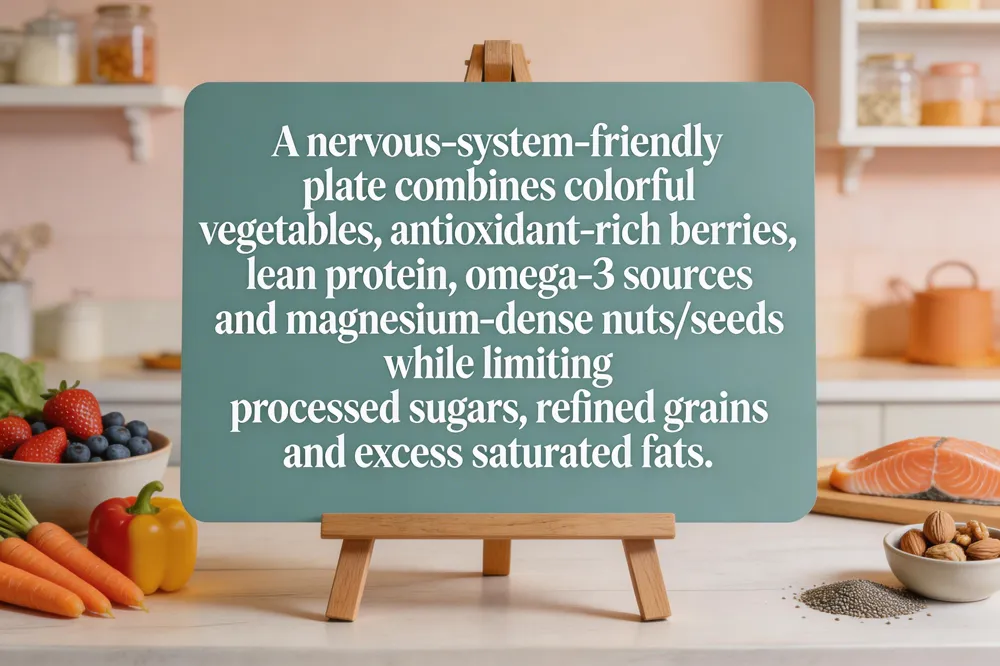 The nervous system eating plan
A nervous‑system‑supportive diet prioritises steady blood‑sugar, anti‑inflammatory foods and nutrients that nurture nerve health. Fill the plate with colorful vegetables, antioxidant‑rich berries, and leafy greens. Choose lean protein—fish, poultry, legumes—and omega‑3 sources such as salmon, walnuts, or flaxseed. Magnesium‑dense foods (nuts, seeds, dark greens) aid nerve conduction. Limit processed sugars, refined grains, excess saturated fats, and stay well‑hydrated. Combine protein, healthy fats and fiber at each meal to stabilise cortisol and keep the nervous system grounded.
The nervous system eating plan
A nervous‑system‑supportive diet prioritises steady blood‑sugar, anti‑inflammatory foods and nutrients that nurture nerve health. Fill the plate with colorful vegetables, antioxidant‑rich berries, and leafy greens. Choose lean protein—fish, poultry, legumes—and omega‑3 sources such as salmon, walnuts, or flaxseed. Magnesium‑dense foods (nuts, seeds, dark greens) aid nerve conduction. Limit processed sugars, refined grains, excess saturated fats, and stay well‑hydrated. Combine protein, healthy fats and fiber at each meal to stabilise cortisol and keep the nervous system grounded.
10 ways to keep the nervous system healthy
- Hydrate and eat omega‑3‑rich foods (salmon, walnuts, avocado, olive oil). 2. Exercise regularly (aerobic, strength, yoga). 3. Get 7‑9 hours quality sleep. 4. Manage stress with meditation, deep‑breathing, nature. 5. Maintain good posture, avoid smoking/alcohol, limit sugars, and consider chiropractic care.
What diet do chiropractors recommend? Chiropractors favour a whole‑food, anti‑inflammatory plan rich in water, organic produce, lean protein, and healthy fats (avocado, olive oil, nuts, seeds). Key nutrients—protein, vitamin C, vitamin D, calcium, omega‑3s—support tissue repair, bone health and joint lubrication while limiting processed foods and added sugars.
Best diet for neurological disorders Mediterranean or MIND diets, abundant in plant foods, olive oil, nuts, fatty fish, berries and whole grains, provide omega-3s, antioxidants and fiber that curb inflammation and oxidative stress, slowing neurodegeneration.
How to repair nervous system naturally Stay hydrated, eat anti‑inflammatory foods rich in omega‑3s, potassium, calcium and B‑vitamins, move regularly, practice deep‑breathing or mindfulness, prioritise sleep, and seek chiropractic adjustments to optimise spinal alignment and nerve flow.
Avoiding Harmful Foods and Lifestyle Triggers
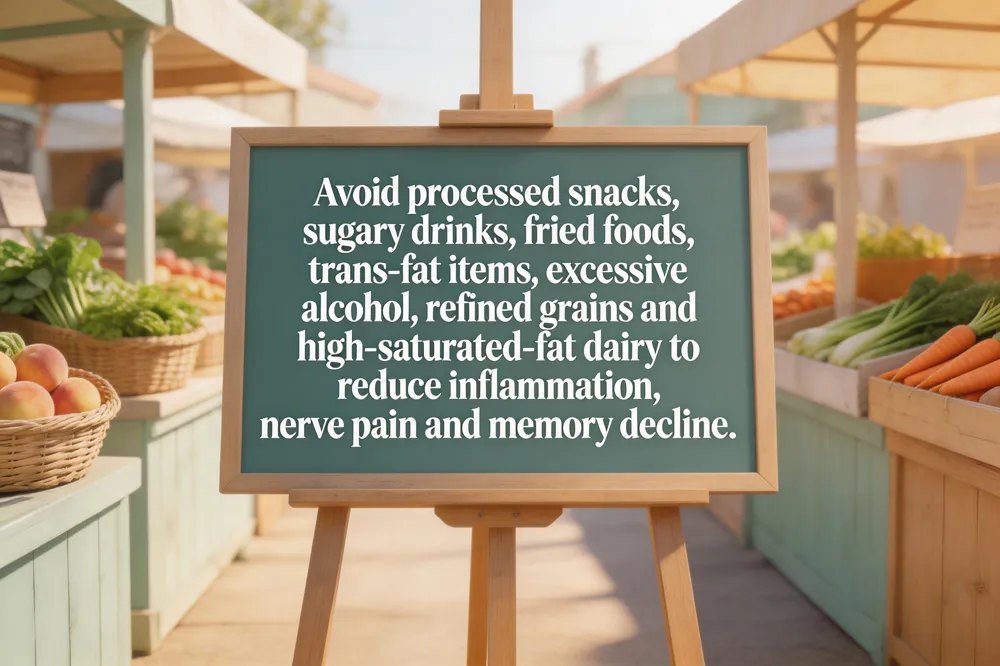 Food‑related inflammation is a major driver of nerve pain and memory loss. Highly processed snacks, sugary sodas, diet drinks, fried foods, and trans‑fat laden items raise blood‑sugar and oxidative stress, damaging nerves and impairing neurotransmitter balance. Excessive alcohol, refined carbs (white bread, rice) and high‑fat dairy also provoke inflammation and can aggravate neuropathy symptoms.
Worst foods for nervous system – processed snacks, sugary drinks, fried foods, trans‑fat foods, excessive alcohol, refined grains, high‑saturated‑fat dairy and gluten‑rich processed grains.
Bad food for nerve pain – added‑sugar treats, fried fast‑food, high‑fat cheeses, gluten‑containing refined grains, excess alcohol and caffeine.
5 worst foods for memory – sugary beverages, refined carbohydrates, processed meats, trans‑fat‑rich foods, and excessive alcohol.
Can a chiropractor help with constipation? – Yes; spinal adjustments can improve nerve signaling to the gut, enhancing muscle coordination and relieving tension that contributes to constipation.
What toxins do chiropractors release? – None. The audible “crack” is a harmless gas bubble collapse within the joint, not a toxic substance.
Targeted Foods for Specific Brain Demands
 Brain food for studying
Combine oats or quinoa with Greek yogurt or eggs for steady glucose and protein. Include blueberries and spinach with olive oil for antioxidants, vitamin K and folate. Coffee adds caffeine; salmon or walnuts supply omega‑3s.
Brain food for exams
Start with whole‑grain toast, almond butter, banana and a boiled egg for balanced carbs and protein. Add salmon or walnuts for omega‑3s, berries and kale for memory‑boosting flavonoids, and a square of dark chocolate for caffeine and antioxidants.
What fruit restores memory?
Blueberries, rich in anthocyanins, improve memory; grapes supply resveratrol; watermelon adds lycopene and hydration; avocado’s monounsaturated fats enhance cerebral blood flow.
Best food for brain recovery
After mental strain or concussion, eat fatty fish (salmon, trout) for DHA, colorful berries and leafy greens for flavonoids, eggs or legumes for choline, olive oil and whole‑grain carbs for steady energy.
7 foods that heal nerve damage
Spinach, kale, and Swiss chard supply B‑vitamins and antioxidants; salmon, mackerel, sardines provide omega‑3s for myelin repair; nuts, seeds, avocado, turmeric, dark chocolate, and berries deliver vitamin E, magnesium, anti‑inflammatory polyphenols, and flavonoids for nerve protection.
Key Micronutrients and Hydration
 About 70 % of the brain is water, making it the most water‑rich organ in the body. This high water content maintains cell volume, supports electrical conductivity, and enables metabolic reactions; even mild dehydration can impair attention, mood, and memory. The nervous system depends on several key nutrients. Calcium and potassium regulate nerve impulses and are abundant in dairy, leafy greens, bananas and citrus fruits. B‑vitamins (B1, B2, B6, B12, folate) protect myelin and drive neurotransmitter synthesis, coming from whole grains, eggs, meat, seafood, and leafy vegetables. Magnesium from nuts and seeds stabilizes nerve membranes, while tryptophan in dark chocolate fuels serotonin production. Omega‑3 fatty acids from fatty fish or plant sources (walnuts, flaxseed) preserve neuronal membrane fluidity and reduce inflammation, together supporting optimal brain function.
Putting It All Together for Optimal Nervous System Health
Key points: leafy greens, berries, fatty fish, walnuts and whole‑grain legumes supply vitamin K, lutein, folate, omega‑3s, flavonoids and magnesium that protect neurons, reduce inflammation and support synaptic plasticity. Adequate hydration, balanced macronutrients and low saturated‑fat choices preserve vascular and nerve function.
Actionable steps: eat 5‑7 servings of fruits/vegetables daily; include two servings of omega‑3‑rich fish or plant sources (walnuts, flaxseed) each week; choose whole‑grain breads, legumes and nuts for glucose; limit sugary drinks and processed snacks; drink 8 cups water; schedule movement and sleep.
Chiropractic role: spinal alignment improves nerve signaling to digestive organs, enhancing nutrient absorption; chiropractors can assess posture, recommend anti‑inflammatory foods and coordinate nutrition plans that complement spinal care.