The Strain Behind the Ache
After hours at a screen, your head may drift forward and your shoulders tighten. A dull ache can follow, sometimes spreading from the neck toward the head. This pattern may suggest that posture is adding strain, but it does not prove posture caused the pain.
Research has linked changes in forward-head posture with headache-related disability in a small study of young adults, though it cannot establish that posture causes every headache study of forward-head posture and tension-type headache. Migraine and other headaches can have different triggers and features, so neck tension alone is not a diagnosis.
This article looks at clues that posture may be involved, practical ways to ease everyday strain, and when symptoms call for medical evaluation. At Southeast Family Chiropractic in Gastonia, care includes chiropractic adjustments, rehabilitative treatments, and patient education, with an individual assessment helping guide the approach.
How Posture May Feed Head Pain
Yes, posture can contribute to headaches, though it is only one possible factor. Slouching, rounding the shoulders, or holding the head forward for long periods can place extra demands on muscles and joints in the neck and upper back. Looking down at a phone or monitor may add to that strain. The American Migraine Foundation’s posture guidance discusses how prolonged sitting and inactivity may affect neck discomfort and migraine, while noting that migraine has its own broader clinical context.
The neck, shoulders, scalp, and head are connected through muscles and other tissues, so tension in one area may be felt elsewhere. A small study of young adults with both forward head posture and tension-type headache found that changes in posture were associated with changes in headache-related disability, but it does not show that posture causes every headache or that the findings apply to everyone (study details).
A headache associated with postural strain may feel like a dull ache, steady pressure, or a tight, squeezing band. Discomfort can occur across the forehead or temples, or near the base of the skull, and may come with neck or shoulder stiffness, tightness, or tenderness. Some people notice symptoms after prolonged screen use or driving, or find that moving and changing position affects the discomfort.
The pattern varies, and neither pain location nor accompanying muscle tension can confirm the cause. Headaches have many possible explanations, including migraine and other conditions. At Southeast Family Chiropractic in Gastonia, care includes assessment and personalized options such as chiropractic adjustments, rehabilitative treatment, and patient education, but persistent, severe, or new symptoms call for professional evaluation rather than assumptions about posture.
Reading the Pattern With Care
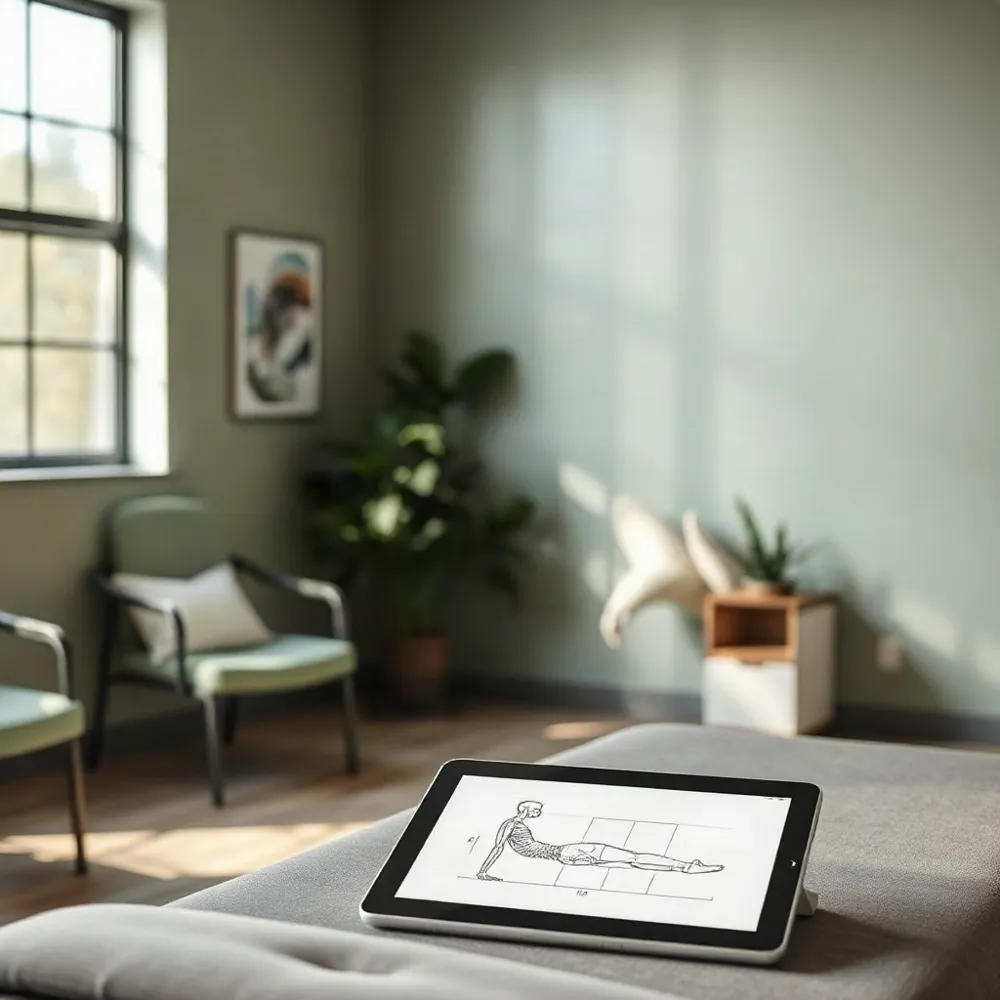 A headache that begins around the neck or base of the skull and spreads toward the forehead or temples may have a posture-related component. Notice whether it follows prolonged screen use, driving, looking down, or holding your head in one position, and whether gentle movement or a change of position affects it. Neck soreness, stiffness, or shoulder tightness may occur too, but these clues cannot confirm the cause.
A small clinical study found an association between improved forward-head posture and reduced headache-related disability in young adults with tension-type headaches. Its limited size and follow-up mean the findings do not establish that posture changes caused the improvement or apply to everyone. Tracking when pain occurs, what seems to trigger it, and what helps can give a healthcare professional useful context. A patient-focused assessment, such as the care approach described by Southeast Family Chiropractic, considers individual concerns rather than treating a pattern as a diagnosis.
How do cervicogenic headaches differ from tension-type headaches?
Cervicogenic headaches arise from a neck problem, with pain referred from neck structures to the head. They may start in the neck, affect one side, or worsen with particular neck movements or restricted motion. Tension-type headaches are more often described as steady pressure or tightness on both sides, sometimes with scalp, neck, or shoulder tenderness. Symptoms can overlap, so a clinician may need to consider your history and examine neck movement. Research on forward-head posture and tension-type headache offers context, not a diagnostic test.
How long can a posture-related headache last?
There is no fixed timetable. Pain associated with temporary strain may ease after changing position and resting, while symptoms may recur if the strain continues. If headaches persist, keep returning, worsen, or interfere with daily activities, seek professional advice to check for other causes. Get urgent care for a sudden, severe headache or one accompanied by weakness, confusion, or vision loss.
When Symptoms Need Another Explanation
 Neck tension or a prolonged awkward position can sometimes occur alongside dizziness and head pain, especially when discomfort starts in the neck. But dizziness has several possible causes, and it should not automatically be blamed on posture. Inner-ear conditions, medication effects, and heart or neurological problems may also be involved. Seek medical advice if dizziness is new, persistent, worsening, or keeps returning. University of Kentucky HealthCare also advises evaluation when neck symptoms accompany issues such as numbness, weakness, or vision changes.
Get urgent medical care for a sudden, severe headache, a headache after a head injury, or head pain with weakness, numbness, confusion, fainting, trouble speaking, vision changes, fever, or a stiff neck. These signs need assessment rather than posture-focused treatment.
Arrange prompt medical evaluation for a new, worsening, or recurring headache, particularly if its pattern changes or it becomes more severe or frequent. A headache that worsens when sitting or standing and eases when lying down may have causes unrelated to muscle strain; Cleveland Clinic’s guidance on positional headaches recommends contacting a healthcare provider about new or unusual symptoms.
Headaches triggered by coughing, straining, or bending should also be assessed, especially if new or persistent. Do not assume that an unusual symptom or a sudden change is caused by posture. A clinician can help determine whether posture may be relevant or whether another explanation needs attention.
Small Changes That Reduce Strain
 If a headache may be related to posture, start by changing position and gently relaxing your neck and shoulders. These steps may ease contributing tension, but they are not a guaranteed treatment or a fix for every headache.
Set up your workstation so the screen is at or slightly below eye level, your back is supported, and your feet rest flat. Keep frequently used items within easy reach to avoid repeated twisting or reaching. Guidance from the American Migraine Foundation also recommends a neutral head and neck position and regular breaks.
Change position and take a brief standing or walking break every 30 to 60 minutes. Look away from screens regularly, and choose comfortable movement rather than holding one posture for long stretches.
Gentle chin tucks, shoulder rolls, neck turns, and shoulder-blade squeezes may help ease strain or support more upright posture. Move slowly within a comfortable range, and stop if pain worsens or you feel dizzy. A clinician or physical therapist can tailor exercises to your symptoms.
Slow breathing, drinking enough water, and getting adequate sleep can support general well-being, but they do not guarantee headache relief. Southeast Family Chiropractic in Gastonia offers rehabilitative treatments and patient-focused care; persistent or recurring headaches warrant professional guidance. Seek urgent care for sudden, severe pain or a headache with weakness, vision changes, confusion, or other unusual symptoms.
Care Guided by the Cause
Can chiropractic care help with headaches related to the neck or posture? It may help some people, but the first step is to consider the headache pattern, examine possible contributors, and decide whether care is appropriate. Headaches have different causes, so a neck-focused approach is not right for everyone.
The American Chiropractic Association describes spinal manipulation as a possible option for some tension headaches and headaches originating in the neck, not a guaranteed remedy. After an assessment, conservative care may include manual therapy or joint mobilization, exercises, and guidance on posture and movement. At Southeast Family Chiropractic, care includes chiropractic adjustments and rehabilitative treatments, with an approach tailored to the patient.
A small trial involving 62 young adults with forward head posture and tension-type headaches found that all treatment groups improved on some measures. The biofeedback group showed greater improvement on several outcomes at short follow-up. The study does not show that posture causes headaches, and it did not test chiropractic care, so its results cannot establish what a chiropractic program will achieve.
A new, severe, worsening, or unusual headache, or one accompanied by weakness, confusion, fever, or vision changes, calls for medical evaluation. Neck tenderness or posture alone cannot confirm the cause; assessment helps guide the next step.
A Clue, Not a Diagnosis
Posture can be one modifiable influence on head pain, but it does not explain every headache. Migraine, tension-type headache, and other conditions can overlap in their symptoms, so a posture change or a sore neck alone cannot establish the cause. The American Migraine Foundation discusses posture as one factor that may affect migraine, not as a complete explanation.
Notice whether symptoms follow particular positions or activities, and try sustainable adjustments such as changing position regularly, moving gently, and setting screens at a comfortable height. A simple record of symptoms and possible triggers can help make patterns easier to discuss.
If headaches persist, worsen, or come with concerning symptoms, seek individualized professional guidance rather than assuming posture is responsible. At Southeast Family Chiropractic in Gastonia, care includes personalized chiropractic adjustments, rehabilitative treatments, and patient education, with assessment guiding what may be appropriate.