
Prioritizing Spinal Health for Long-Term Vitality
The spine serves as the essential central axis of the body, providing stability while distributing weight to the pelvis, hips, and legs. Beyond its structural role, it protects the central nervous system, acting as a vital communications channel between the brain and the rest of the body. When this protective pillar is healthy, it facilitates fluid daily movement and maintains overall quality of life Prevent Back Pain - MyHealthfinder | odphp.health.gov.
Many people focus on spinal care only after pain arrives. At southeastchiro.com, however, the focus is on a proactive wellness model that identifies imbalances before they manifest as chronic issues. While traditional care often reacts to symptoms after they become persistent, a preventative approach monitors joint mobility and posture to stop issues at their root.
Regular movement and consistency are the foundations of this transition. By adopting targeted strategies for spinal stability, such as those recommended at southeastchiro.com, individuals can move past simple pain management to foster a resilient, aligned body designed for long-term health.
Understanding Your Central Support System
 The human spinal column is a sophisticated engineering marvel comprised of 33 vertebrae, over 120 muscles and ligaments, and 30 pairs of spinal nerves. Anatomically, this structure is designed with a natural S-shaped curve that maintains equilibrium between the neck, chest, pelvis, and lower back. This curvature is not merely cosmetic; it allows the spine to function as a highly efficient shock absorption system, distributing body weight across the pelvis, hips, and legs rather than centering all pressure on specific vulnerable points.
Distinguishing Skeletal and Neurological Functions
It is helpful to distinguish between the skeletal spine and the neurological spine. The skeletal spine refers specifically to the bony vertebrae, supporting ligaments, and intervertebral discs that provide the physical framework for the back. In contrast, the neurological spine acts as the vital communication highway for the body. This central nervous system channel ensures that signals from the brain reach every limb and organ, making the spine the primary protector of your most delicate neurological resources.
The Need for Structural Stability
Maintaining good spinal health is crucial for overall well-being because the spine serves as the central pillar of the body, providing the structural support necessary for everyday movement, balance, and posture. Beyond physical stability, a healthy spine protects your central nervous system, which acts as the vital communication highway between your brain and the rest of the body. When spinal alignment is compromised, it can disrupt nerve function, potentially leading to chronic pain, restricted mobility, and diminished energy levels. By prioritizing spinal preventative care through consistent check-ups and strengthening, you help prevent long-term conditions and reduce the risk of debilitating injuries. Ultimately, proper alignment is essential for supporting optimal organ function and ensuring your body can effectively carry out the demands of an active, pain-free life, as noted in guidelines to prevent back pain.
The Science and Efficacy of Chiropractic Care

Is there scientific evidence supporting the benefits of chiropractic care?
Yes, there is scientific evidence supporting the benefits of chiropractic care, particularly regarding its effectiveness for musculoskeletal pain. Research indicates that spinal manipulation is a valuable, evidence-based treatment option for low back pain, and it is recognized as a recommended therapy by groups such as the American College of Physicians when combined with other conservative measures. Beyond spinal manipulation, chiropractic care often incorporates postural education, exercise, and ergonomic training to help patients manage their conditions and improve overall function. Studies continue to evaluate the clinical effectiveness and safety of these treatments for various spinal health issues. As part of a holistic approach to wellness, the team at southeastchiro.com works alongside primary care providers to deliver comprehensive, non-drug pain management solutions.
What happens to the body during a chiropractic adjustment?
During a chiropractic adjustment, a licensed chiropractor applies a precise, controlled force to a spinal joint, either by hand or with a specialized instrument, to correct misalignments and restore proper motion. This process gently stretches the surrounding muscles and tissues, which helps relax tension and relieve pressure on nearby nerves. As the joint moves into its proper position, you may hear a popping or cracking sound, known as cavitation, which occurs when gas bubbles are released from the joint’s lubricating fluid. These adjustments improve your nervous system's communication, stimulate the release of natural pain-relieving endorphins, and help reduce inflammation. Ultimately, the adjustment restores joint mobility and alignment, allowing your body to function more effectively and initiate its own natural healing process. For those seeking expert care, booking an appointment at southeastchiro.com provides access to personalized treatment plans designed to address unique biomechanics and prevent future injuries.
- Chiropractic care emphasizes a holistic, non-surgical approach to healing.
- Precision in spinal adjustments promotes better neural signaling.
- Integrating therapeutic exercises further enhances long-term stability and pain relief.
Non-Surgical Paths to Optimal Alignment
For many individuals experiencing discomfort, surgery is rarely the immediate necessity. Most clinical approaches to spinal health prioritize conservative, non-invasive strategies as the first line of defense. By focusing on the structural foundation of the body, these methods aim to restore natural balance and reduce pain without the risks associated with invasive procedures. Adopting correct spinal alignment and improving posture are fundamental to this process, acting as primary interventions that alleviate mechanical stress on the back muscles and ligaments.
Can a misaligned spine be corrected without surgery?
A misaligned spine can often be managed effectively through disciplined, non-surgical treatment. Chiropractic care plays a central role here by utilizing precise adjustments to resolve muscular imbalances and restore proper joint movement. At southeastchiro.com, we emphasize a holistic approach that integrates these adjustments with targeted physical therapy. Rehabilitative movements and exercises, such as those that strengthen the core to act as a natural brace, are essential for stabilizing the spine and preventing the compensatory patterns that frequently lead to chronic pain. Unlike generalized fitness routines, a personalized plan ensures that restorative movements address specific biomechanical concerns before they escalate into serious injury.
How often should one receive chiropractic adjustments?
The ideal frequency for care depends entirely on your specific wellness goals and physical history rather than a standard schedule. Patients managing chronic conditions often benefit from consistent maintenance, while others may require acute support during active recovery phases. At southeastchiro.com, we believe that understanding your unique needs is essential. During a clinical assessment, our doctors evaluate your spinal health to design a personalized treatment regimen. As your body achieves better alignment and strength, this frequency is often adjusted to lock in progress and prioritize long-term performance. We invite you to schedule a consultation with our team to help define the support schedule that best fits your daily life and recovery journey.
Identifying and Mitigating Common Risk Factors
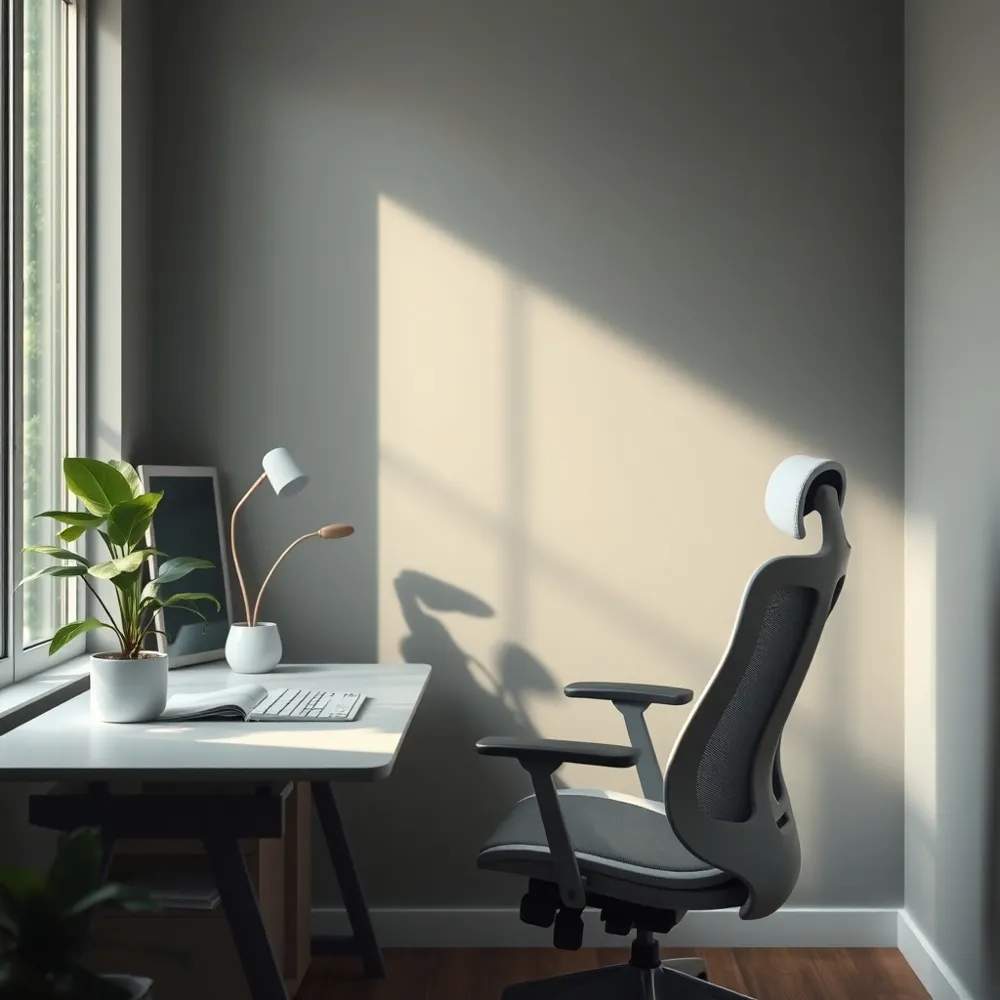 Many individuals unknowingly subject their spines to immense daily stress through sedentary habits and poor ergonomics. Prolonged sitting is a primary culprit for spinal discomfort, as static postures compress discs and weaken the muscles that stabilize the back. To mitigate this risk, it is essential to interrupt inactivity by standing or stretching at least every 30 minutes. Practices like those found at southeastchiro.com help patients understand how to replace sedentary fatigue with active stability.
Workspaces, both at home and in the office, must be optimized to prevent structural strain. Positioning computer monitors at eye level and using chairs with dedicated lumbar support helps maintain the natural curves of the spine. When manual labor is involved, improper mechanics often lead to severe outcomes like disc herniation. The safest approach is to keep the object close to the chest, bend at the knees, and use the strength of the legs rather than the back to power the movement. According to data from the ODPHP, correct alignment and safe lifting techniques are primary defensive measures against chronic lumbar injury.
The impact of smoking. Nicotine acts as a potent vasoconstrictor, significantly limiting the blood flow, oxygen, and nutrients required for spinal tissue repair. This physiological restriction slows the healing process and increases the likelihood of long-term disc degradation or surgical intervention.
Proactive prevention. Beyond ergonomics and mechanics, regular assessment is key. By identifying and correcting muscular imbalances early, professionals can assist in maintaining overall skeletal health.
What are the leading risk factors for back injuries and how can they be avoided? Leading risk factors for back injuries often include poor posture, repetitive heavy lifting, lack of physical activity, excess body weight, and smoking. You can proactively avoid these common injuries by incorporating regular exercise to strengthen your core and back muscles, which provides essential support for your spine. Maintaining a healthy weight further reduces the mechanical load on your vertebrae, while practicing proper ergonomic techniques—such as lifting with your legs rather than your back—prevents unnecessary strain. Additionally, being mindful of your posture throughout the day and quitting smoking can significantly improve spinal health and healing capacity. If you want to take a more personalized approach to your spine health, routine chiropractic care at Southeast Family Chiropractic can help identify tension patterns before they develop into more serious injuries.
Strategies to Prevent Reinjury and Chronic Pain
Preventing reinjury after a back issue requires a proactive, holistic approach to stabilizing and strengthening your spine. Preventing back pain starts with a consistent exercise regimen that targets your core, back, and lower body. Core stability exercises function as a natural brace, evenly distributing weight and minimizing pressure on spinal discs.
How can you effectively prevent reinjury after a back-related issue?
Building a resilient foundation involves more than just movement. Managing your body weight is vital, as excess mass creates mechanical stress that worsens existing spinal conditions. You should also prioritize bone density by ensuring adequate intake of calcium and vitamin D, as these nutrients are essential for maintaining strong vertebral structures.
Sleep hygiene is equally important during recovery. A medium-firm mattress provides consistent support, while using strategically placed pillows, such as between the knees for side sleepers, helps maintain natural spinal alignment. At southeastchiro.com, we emphasize that regular chiropractic visits act as a preventive engine to correct biomechanical imbalances before they trigger recurring pain.
| Focus Area | Recommended Strategy | Direct Benefit |
|---|---|---|
| Core Strength | Planks/Bridges | Spinal stability |
| Bone Health | Calcium & Vit D | Prevents fracture |
| Sleep Hygiene | Pillow placement | Neutral alignment |
Nutritional Foundations of Spinal Wellness
What nutritional habits and vitamins support long-term spine health? Supporting long-term spine health requires a comprehensive approach centered on a balanced, nutrient-rich diet rather than relying solely on individual supplements. Key vitamins and minerals, such as calcium and Vitamin D, are essential for maintaining bone density and preventing conditions like osteoporosis. Supplements can act as a helpful tool to fill gaps in your daily nutrition, but they are most effective when paired with healthy lifestyle habits like regular exercise and the cessation of smoking.
Because everyone’s physiological needs are unique, it is important to consult with a healthcare provider to determine which specific supplements or dietary adjustments are right for your body. The team at southeastchiro.com specializes in providing personalized guidance that helps patients align their nutrition with their overall treatment goals.
Incorporating anti-inflammatory foods like salmon, walnuts, olive oil, and leafy greens can help mitigate chronic pain and support tissue health around the spine. Hydration also plays a critical role, as spinal discs act as shock absorbers that require adequate fluid to remain pliable. Without proper water intake, these discs may become stiff, increasing the risk of injury. By focusing on whole foods and hydration, you build a resilient foundation for your body. The experts at southeastchiro.com emphasize these natural healing modalities as part of a proactive plan to reduce medication reliance and improve long-term flexibility.
Managing Mental Well-being During Physical Recovery
Chronic stress promotes muscle tension in the back, which directly influences your physical comfort and recovery speed. When you experience lingering discomfort, the resulting emotional tax can feel just as debilitating as the physical symptoms themselves. Developing a robust support system is essential to avoid the isolation that often accompanies reduced mobility or interrupted routines.
How can patients manage their mental well-being during recovery from a physical injury?
At Southeast Family Chiropractic, we emphasize that your mindset is a foundation for healing. Rather than viewing rehabilitation as a race, practice patience with your recovery timeline, focusing instead on consistent small improvements in alignment and stability. Managing your state of mind involves adopting a whole-person approach, where you prioritize quality sleep, proper hydration, and nutritious meals alongside your care plan. If you find yourself overwhelmed by the limitations of a healing body, remember that professional resources such as SAMHSA provide confidential emotional support 24/7. Staying connected to your care team helps mitigate the anxiety that stems from uncertainty, ensuring you remain focused on long-term wellness rather than temporary setbacks.
Taking Control of Your Spinal Future
Building a resilient body relies on consistent lifestyle habits, such as maintaining correct spinal alignment and posture and engaging in regular physical activity to keep core muscles flexible. These daily practices reduce mechanical stress on your frame and act as a frontline defense against common injuries.
At southeastchiro.com, we view your well-being through a holistic lens. Our approach emphasizes preventive chiropractic care to address minor imbalances before they develop into chronic pain. By integrating core stability exercises into your routine, you can better support your spine and improve your overall movement quality.
Every individual possesses unique biomechanics, making professional evaluation essential. Whether you are seeking to correct a specific posture concern or build long-term stability, we invite you to start a consultation today to identify the strategies that will best serve your health journey.