Understanding Sacro-Occipital Technique: Foundations and Philosophy
Origins and Development of SOT
Sacro-Occipital Technique (SOT) was developed in the early 20th century by Dr. Major Bertrand DeJarnette. Combining principles from chiropractic, osteopathy, and engineering, Dr. DeJarnette created a unique system focused on precise, gentle adjustments.
Holistic Principles and Foundational Concepts
SOT embraces a holistic approach to healthcare, concentrating on the body's structure and its natural healing ability. It aims to remove neurological and structural interferences that impair the body's innate healing. Treatments are tailored to the individual's nervous system and musculoskeletal status.
Relationship Between Sacrum and Occiput
A central philosophy of SOT is the vital connection between the sacrum—the base of the spine—and the occiput—the base of the skull. This relationship is key to maintaining spinal balance and overall biomechanical harmony, which impacts posture and nerve function.
Role of Cerebrospinal Fluid and Nervous System Support
SOT addresses the flow of cerebrospinal fluid (CSF) throughout the brain and spinal cord, emphasizing its role in nourishing and detoxifying the nervous system. Proper alignment of the sacrum and occiput promotes optimal CSF circulation, supporting nerve health and enhancing communication between the brain and body.
How Sacro-Occipital Technique Works: Methods and Procedures
What is the Sacro Occipital Technique and how is it performed?
Sacro-Occipital Technique (SOT) is a gentle chiropractic approach centered on the relationship between the sacrum (base of the spine) and the occiput (base of the skull). This technique promotes spinal health and nervous system function by restoring balance between these crucial areas.
Detailed Explanation of SOT Methods
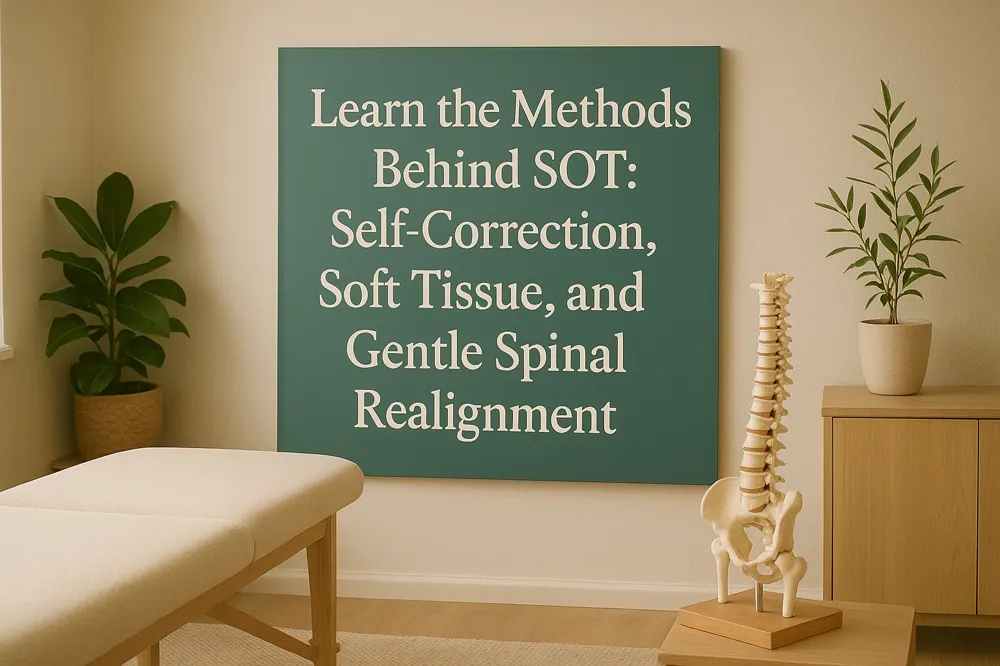
The SOT® Methods emphasizes the use of pelvic blocking, where wedge-shaped blocks are placed under specific points of the pelvis during treatment. These blocks support the pelvis, helping to realign the sacroiliac joints through the patient's own body weight and breathing patterns. This encourages the body to self-correct alignment issues without forceful manipulations.
SOT categorizes patients into three groups based on structural and neurological assessments, guiding treatment tailored to individual needs. Key procedures include cranial adjustments, soft tissue techniques, and gentle spinal realignments aimed at reducing nerve stress and improving cerebrospinal fluid flow.
Use of Pelvic Blocks and Wedge-Shaped Supports
Pelvic blocks come in custom wedge shapes designed to fit under the pelvis during therapy sessions. These support structures are integral in facilitating gentle, precise adjustments, minimizing discomfort and providing stability. By positioning these blocks correctly, practitioners can promote balanced pelvic alignment, which in turn improves spinal mechanics and aids in the reduction of pain and tension, as explained in this Sacro Occipital Technique overview.
Diagnostic Assessments Including Leg-Length Checks and Neurological Tests
SOT practitioners carry out thorough assessments before treatment, including leg-length measurements and neurological evaluations. These checks help identify imbalances or dysfunctions in the sacroiliac joints, spinal segments, and nervous system. The leg-length test, for example, is a simple but effective indicator of pelvic imbalance and guides block placement. These procedures relate closely to the SOT indicator-based system and neurological and structural assessments.
Gentle, Non-invasive Approach
Unlike some chiropractic methods that use quick or forceful thrusts, SOT employs a low-force, non-invasive technique. It is safe for patients of all ages, including infants and seniors, making it suitable for people with sensitive conditions such as pregnancy or osteoporosis. This gentle methodology helps minimize injury risk while promoting relaxation and allowing the body's natural healing processes to unfold, as detailed in Benefits of Gentle Chiropractic Care with SOT.
Comparison with Other Chiropractic Techniques
SOT is distinct in its holistic emphasis on the craniosacral system and its use of blocking techniques rather than forceful manipulations. Other chiropractic methods like the Diversified or Gonstead Techniques often involve more direct joint thrusts. In contrast, SOT's use of wedges and focus on neurological balance supports a broad range of patients and conditions, aiming not only at symptom relief but also at restoring long-term structural and neurological health.
Benefits and Clinical Applications of Sacro-Occipital Technique
What are the benefits of the Sacro Occipital Technique?
The Sacro Occipital Technique (SOT) is a gentle chiropractic method focused on realigning the sacrum, pelvis, and occiput to enhance the body's natural healing processes. One of its primary benefits is effective pain relief for chronic conditions, including lower back pain, neck pain, headaches, and migraines. This gentle technique reduces nerve irritation by improving spinal and craniosacral alignment, which also helps ease tension related to TMJ disorders and sciatica.
SOT significantly enhances nervous system function by promoting better cerebrospinal fluid flow and optimizing nerve communication between the brain and body. Improved posture and mobility often follow SOT treatment, supporting long-term musculoskeletal health.
Unlike some other chiropractic approaches, SOT uses low-force adjustments, such as pelvic blocking and cranial techniques, which make it safe and suitable for patients of all ages—from infants and children to pregnant women and seniors. Moreover, it is beneficial for a variety of other health issues, including pelvic pain and certain digestive complaints, by addressing structural imbalances that affect organ function.
This technique is highly patient-centered and holistic, aiming not only to relieve symptoms but also to promote overall wellness. By supporting natural self-correction, reducing stress on the nervous system, and enhancing posture, SOT fosters a comprehensive improvement in quality of life. Each treatment is customized to the individual's unique needs, reinforcing a personalized approach to health.
Typical SOT sessions generally last between 20 to 30 minutes and can be integrated into broader spinal care plans or used as a preventive measure for maintaining long-term wellness. Many chiropractic clinics in the United States offer SOT, recognizing its effectiveness and safety, and it is often covered by insurance.
| Benefit | Clinical Application | Patient Suitability |
|---|---|---|
| Chronic pain relief | Back, neck, headaches, migraines | All ages, including children |
| Nervous system enhancement | Improved cerebrospinal fluid flow, nerve health | Pregnant women, seniors |
| Postural improvement | Correction of spinal and pelvic misalignments | Wide demographic |
| Holistic wellness promotion | Supports natural healing, reduces stress | Patients seeking non-invasive care |
SOT stands out as a holistic, low-force chiropractic approach that effectively addresses varied musculoskeletal and neurological issues, while fostering long-term health and patient well-being.
SOT in the Context of Holistic Spinal Health and Back Pain Management
How SOT complements holistic spine care approaches
Sacro-Occipital Technique (SOT) is a gentle chiropractic method that emphasizes restoring balance between the sacrum and occiput to support spinal alignment and neurological health. Unlike forceful adjustments, SOT utilizes Pelvic blocks in SOT and light cranial adjustments to promote natural body self-correction.
This approach fits well within Holistic spinal health by addressing not only joint alignment but also nervous system function, thereby enhancing pain relief and overall wellness. SOT's focus on Developed by Dr. M. B. DeJarnette and improving cerebrospinal fluid flow directly supports the nervous system, complementing other holistic methods like massage, acupuncture, and mindful movement.
Integration with lifestyle modifications, ergonomic adjustments, and stress management
Effective spinal health management includes more than chiropractic adjustments—it involves lifestyle choices that reduce strain and promote healing. Core strengthening exercises for spine, flexibility exercises like yoga or Pilates, and aerobic activities contribute to spinal support and endurance.
Ergonomic improvements at work and home help maintain proper posture and spinal alignment, reducing chronic stress on muscles and joints. Stress management through meditation, deep breathing, and mindfulness lowers muscle tension that exacerbates back pain. Together, these practices integrate seamlessly with Gentle chiropractic care with SOT to enhance long-term spinal function.
Non-invasive alternatives to surgery for chronic back pain
Chronic back pain, lasting over three months, often responds well to conservative care without surgery. Non-surgical approaches prioritize exercises, physical therapy, chiropractic care, and mind-body techniques to reduce pain and improve mobility.
SOT stands out as a Safe chiropractic method that works to correct underlying structural imbalances and improve nerve function, potentially decreasing reliance on medications. These methods align with the modern preference to avoid surgery unless severe symptoms or red flags appear.
Supporting nervous system function via spinal alignment
Proper spinal alignment achieved through SOT helps reduce nerve compression and enhances communication between the brain and body. This supports smoother motor and sensory function, which is critical for overall health and pain management.
SOT's gentle methods promote craniosacral respiratory mechanism treatment and cerebrospinal fluid circulation, nourishing the nervous system and aiding detoxification. Maintaining nervous system health through spinal care plays a central role in holistic wellness and functional movement.
The role of chiropractic care in comprehensive back pain treatment
Chiropractic care, including SOT, is widely recognized in the U.S. as a complementary approach for back pain relief and spinal health. It provides a non-invasive, holistic option that targets root causes rather than just symptoms.
Personalized treatment plans combining spinal adjustments, lifestyle advice, ergonomic guidance, and stress reduction create an effective framework for managing back pain. SOT’s gentle techniques specifically appeal to sensitive patients and those seeking a low-risk method.
| Aspect | Description | Benefit |
|---|---|---|
| SOT Technique | Gentle pelvic blocking and cranial adjustments | Supports natural healing |
| Lifestyle Modifications | Exercise, nutrition, ergonomic setup | Enhances spinal support |
| Stress Management | Meditation, mindfulness, relaxation | Reduces muscle tension |
| Non-invasive Treatments | Chiropractic, physical therapy, acupuncture | Avoids surgery risks |
| Nervous System Support | Improved nerve communication via spinal alignment | Promotes overall wellness |
Comparing Chiropractic Adjustment Techniques: Where SOT Fits In
What are the main methods of chiropractic adjustment?
Chiropractic care employs a variety of adjustment methods aimed at realigning the spine and reducing pain. Common techniques include the Diversified Technique, which applies high-velocity, low-amplitude thrusts to affected joints for restoring function. The Gonstead Technique focuses on precise corrections using detailed analyses, including X-rays, to treat spinal conditions.
The Thompson Technique uses a specialized drop table to facilitate gentle, low-force adjustments, while the Activator Method utilizes a handheld device delivering light, precise impulses to specific areas. Flexion Distraction and Spinal Decompression use gentle stretching and traction to relieve disc pressure and improve spinal mobility.
How does SOT differ from other chiropractic techniques?
Sacro-Occipital Technique (SOT) stands out for its gentle approach emphasizing the relationship between the sacrum and occiput. Instead of forceful manipulations, SOT uses pelvic blocking with wedge-shaped blocks placed under the pelvis and cranial adjustments to facilitate realignment. This method promotes self-correction by leveraging gravity, body weight, and breathing.
This low-force, hands-on approach makes SOT highly suitable for sensitive populations such as infants, pregnant women, and elderly patients. It focuses on neurological function and craniosacral system balance, often enhancing posture and reducing stress on the nervous system.
Why combine multiple chiropractic techniques in treatment?
Personalized care often benefits from integrating several chiropractic methods. Combining techniques like SOT’s gentle pelvic blocking with targeted adjustments from Activator or Thompson methods allows practitioners to tailor treatments to the patient’s condition and tolerance.
This blend can improve outcomes by addressing both structural misalignments and nervous system function holistically. Such a comprehensive approach respects patient sensitivity, promotes natural healing, and provides a wider range of options for back, neck, and joint pain management.
| Technique | Key Characteristics | Suitable For |
|---|---|---|
| Diversified | High-velocity, low-amplitude thrusts (source) | General musculoskeletal issues |
| Gonstead | Precise adjustments using X-rays (source | Spinal subluxations, scoliosis |
| Thompson | Drop table facilitates gentle force (source | Low back pain, herniated discs |
| Activator | Handheld instrument, low force (source | Sensitive patients, joint dysfunction |
| Flexion Distraction | Spinal stretching and decompression (source | Herniated discs, sciatica |
| Spinal Decompression | Traction to relieve disc pressure (source | Degenerative disc disease |
| Sacro-Occipital (SOT) | Pelvic blocking, cranial adjustments (source) | Sensitive patients, neurological focus |
Holistic Strategies Supporting Spinal and Nervous System Health
What is the holistic approach to managing degenerative disc disease?
A holistic approach to spinal health centers on natural and integrative therapies combined with lifestyle adjustments. This means incorporating low-impact exercises like swimming and yoga to increase flexibility and lessen spinal stress, alongside targeted strengthening exercises to support the back muscles.
Alternative therapies such as Pain relief through acupuncture work to relieve pain by restoring energy flow. Some herbal supplements, including Devil's Claw and White Willow Bark, might reduce inflammation, but it’s essential to consult a healthcare provider before use. Prolotherapy injections, which encourage tissue regeneration, may strengthen ligaments and tendons weakened by disc degeneration, aiding symptom relief.
Overall, this approach integrates physical activity, complementary therapies, personalized holistic chiropractic care benefits, and lifestyle changes to offer a comprehensive way to manage degenerative disc disease effectively.
Can magnesium supplementation help relieve symptoms of spinal stenosis?
Magnesium plays a supportive role in spinal stenosis symptom relief by enhancing nerve and muscle function. It helps reduce muscle tension, spasms, and the pain commonly linked with this condition.
Magnesium isn’t the only nutrient important for spinal health; vitamins D, C, B-complex, and omega-3 fatty acids also contribute by supporting nerve healing, lowering inflammation, and strengthening spinal tissues. Including magnesium supplements as part of a broader nutrition plan may benefit patients when paired with regular low-impact activities such as walking, swimming, or stretching.
Maintaining a healthy weight and practicing good posture are equally important lifestyle factors that help preserve spinal integrity. Always consult a healthcare expert before beginning magnesium supplementation to ensure the dosage suits your clinical needs and overall treatment plan.
Role of nutrition and supplementation including magnesium
Balanced nutrition rich in vitamins and minerals underpins spinal health by reducing inflammation and promoting tissue repair. Magnesium specifically supports muscle relaxation and nerve function, forming a crucial part of this nutritional support.
Mind-body practices such as meditation, yoga, and mindfulness
Mind-body techniques help manage pain and stress, which can exacerbate spinal conditions. Yoga improves strength and flexibility, while meditation and mindfulness reduce muscle tension and support mental well-being. For more information, see Holistic spine care.
Ergonomic workplace and lifestyle adjustments
Adapting workstation setups with ergonomic chairs and maintaining neutral spinal postures reduce strain and prevent further spinal damage. Learn about ergonomic adjustments for back pain.
Physical activity focusing on core strength, flexibility, and aerobic exercises
A consistent routine that includes core strengthening exercises for spine, flexibility exercises like Pilates or yoga, and aerobic activity enhances spinal stability and overall function.
How integrated therapies enhance chiropractic care and spinal wellness
Integrated approaches combining Chiropractic adjustment with massage, acupuncture, and physical therapy promote holistic well-being and target the root causes of spinal dysfunction rather than only addressing symptoms.