Introduction to Sacro-Occipital Technique (SOT)
What is Sacro-Occipital Technique (SOT)?
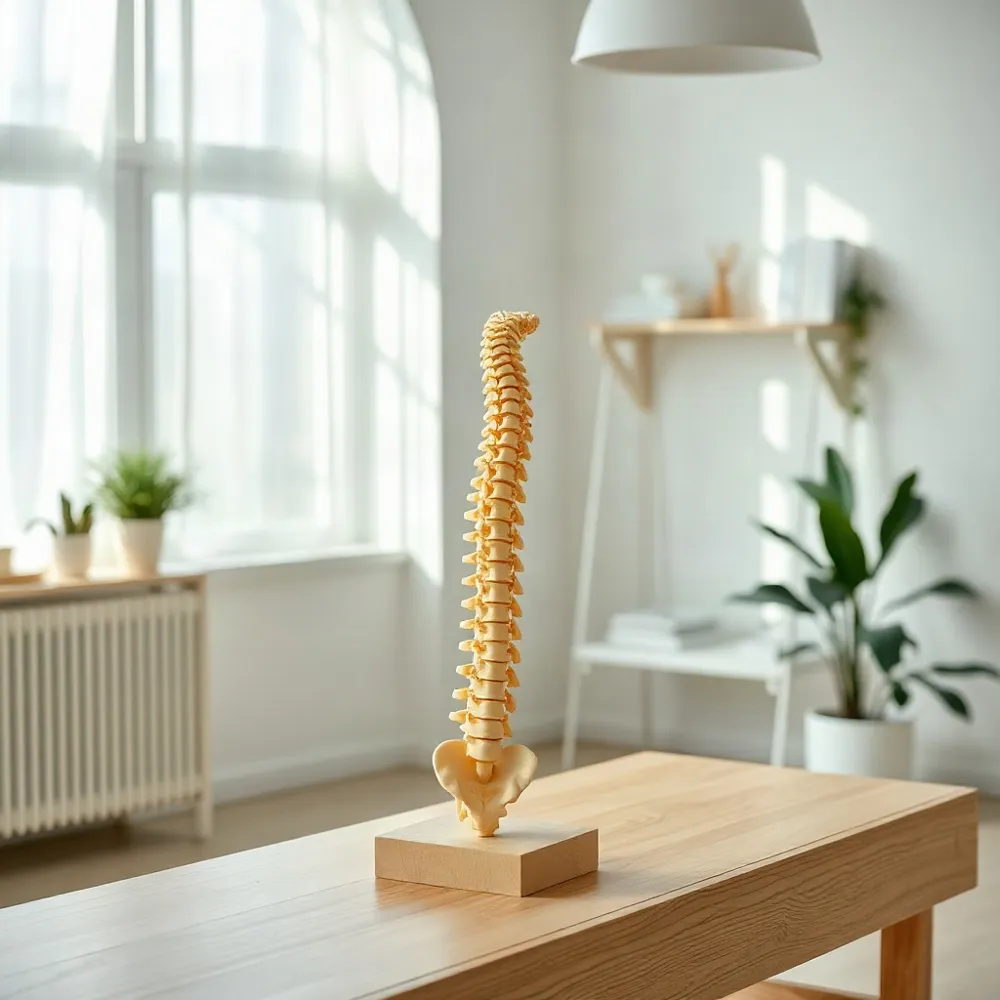
Sacro-Occipital Technique, commonly known as SOT, is a specialized chiropractic method developed by Dr. Major Bertrand DeJarnette in the mid-20th century. It focuses on the relationship between two critical parts of the body: the sacrum, a triangular bone at the base of the spine, and the occiput, the bone at the base of the skull.
Core Principles of SOT
This technique emphasizes the importance of balancing and aligning the sacrum and occiput to support the central nervous system. Proper alignment of these areas helps optimize nerve function, cerebrospinal fluid flow, and overall structural integrity, which are essential for natural healing and maintaining good health.
A Holistic and Gentle Approach
SOT adopts a holistic perspective, treating the body as an interconnected system rather than focusing solely on isolated symptoms. The method is non-invasive and gentle, often using custom-designed wedges and precise adjustments to restore balance without causing discomfort. This approach makes SOT suitable for individuals of all ages, including pregnant women and children, supporting safe and natural recovery.
What is the Sacro Occipital Technique (SOT)?
Historical Background and Development by Dr. M.B. DeJarnette
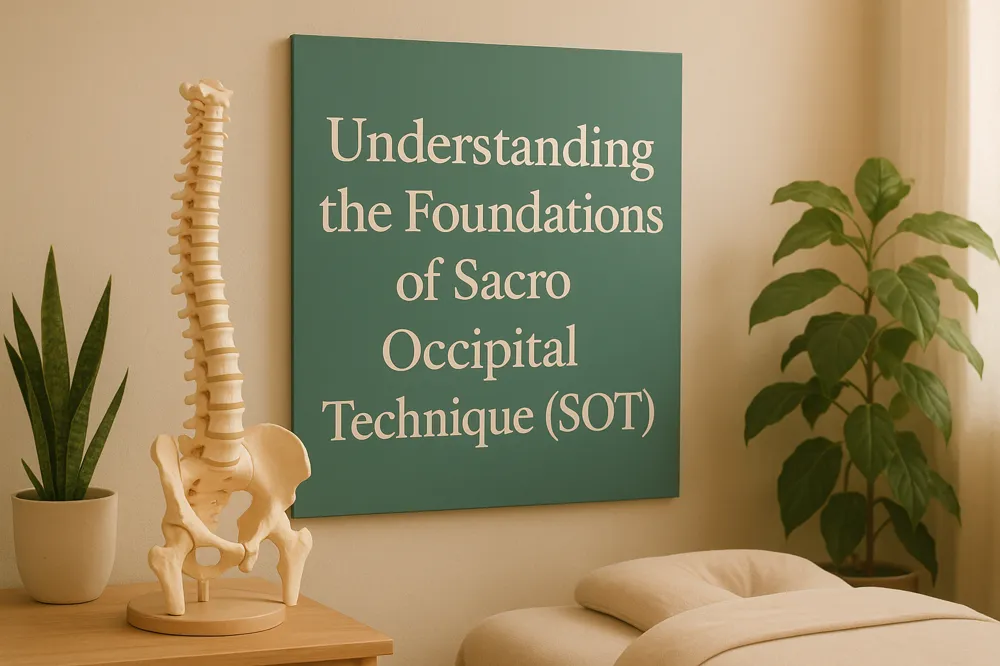
The Sacro-Occipital Technique (SOT) was developed in the mid-1920s by Dr. Major Bertrand DeJarnette, a chiropractor with expertise in chiropractic, osteopathy, and engineering. His pioneering work created a chiropractic method that is still widely practiced today, focusing on holistic and natural healing.
Core Concept of Sacrum and Occiput Alignment
SOT centers on the relationship between the sacrum— the triangular bone at the base of the spine—and the occiput, the bone at the base of the skull. Proper alignment between these two critical points is essential because they protect and support the central nervous system, which controls motor and sensory functions across the body.
Use of Wedge-Shaped Blocks for Pelvic and Cranial Correction
A distinctive feature of SOT treatment involves placing custom wedge-shaped blocks under the pelvis or occiput. These blocks leverage the patient’s own body weight to gently guide the sacrum and the skull into better alignment. This non-invasive technique provides precise, subtle corrections without the use of forceful manipulation.
Mechanism Promoting Cerebrospinal Fluid Flow and Nervous System Support
By correcting imbalances between the sacrum and occiput, SOT helps normalize the flow of cerebrospinal fluid (CSF). This fluid cushions and nourishes the brain and spinal cord, supporting nerve tissue health and improving nervous system function. The gentle adjustments also relieve tension in muscles, ligaments, and tendons, promoting overall structural integrity and natural healing.
Range of Conditions Treated and Safety Profile
SOT has been found effective for a variety of health issues including lower back pain, headaches, migraines, neck and shoulder pain, digestive problems, pregnancy-related discomfort, sciatica, and even arthritis-related symptoms. Its gentle and precise adjustment methods make it safe and suitable for patients of all ages, including children and pregnant women. The technique is well-regarded as a non-invasive, pain-free approach often used in chiropractic and holistic care within the United States.
Together, these aspects make Sacro Occipital Technique a comprehensive chiropractic method focused on restoring structural balance and enhancing the nervous system’s natural healing abilities.
Benefits of Sacro-Occipital Technique and Occipital Adjustments
What are the benefits of the Sacro Occipital Technique?
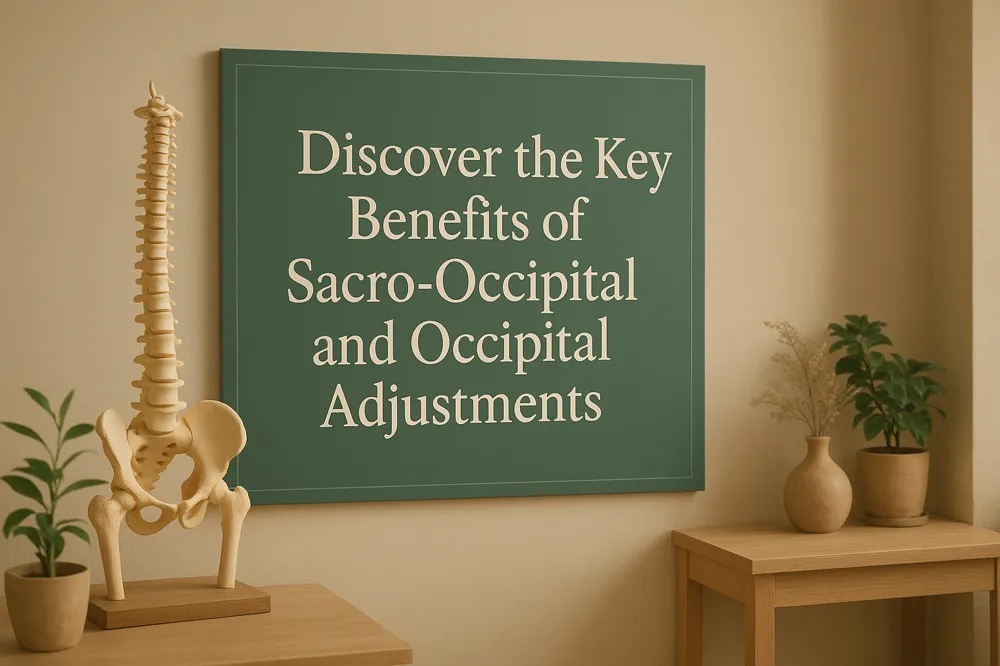
The Sacro Occipital Technique overview provides numerous benefits through its gentle, non-invasive chiropractic approach. It primarily works by restoring the natural balance between the sacrum (base of the spine) and the occiput (base of the skull), which improves spinal alignment and posture. This realignment helps alleviate chronic pain in common problem areas such as the lower back, neck, hips, and shoulders.
Sacro-Occipital Technique (SOT) also enhances the nervous system's function by improving communication pathways between the brain and the rest of the body. This can boost overall health by supporting motor and sensory processes vital to daily functioning. Since SOT employs soft and precise adjustments, often utilizing cushioned wedges, it is gentle and safe for people of all ages, including pregnant women and children.
What are the benefits of occipital adjustment as part of Sacro Occipital Technique?
Occipital adjustment within the Sacro Occipital Technique framework specifically targets the bones at the base of the skull. This adjustment helps relieve pain in the neck, head, and upper back by correcting misalignments that cause nerve irritation and muscle tension. The use of specialized wedge-shaped blocks allows for precise and gentle realignment without invasive procedures.
This technique is effective in reducing headache and migraine frequency and severity, as well as easing nerve-related symptoms. By improving the stability and relationship between the sacrum and occiput, occipital adjustments support better nervous system function, which contributes to pain relief, improved mobility, and overall wellness.
Additional Advantages of SOT and Occipital Adjustments
- Improvement in posture and prevention of future pain or stiffness
- Support for internal organ function such as digestion and respiration
- Pain relief for specific conditions including pregnancy-related discomfort, sciatica, TMJ issues, and arthritis
- Non-invasive and calming treatment experience, safe for all ages
- Coordination with other therapies like soft tissue techniques and rehabilitative exercises for comprehensive care
These benefits demonstrate why Sacro Occipital Technique benefits and occipital adjustments are recognized and utilized in chiropractic practices across the United States to promote holistic health and natural healing.
Treatment Protocol and How SOT Addresses Symptoms of Occipital Misalignment
What is the protocol for the Sacro Occipital Technique treatment?
Sacro Occipital Technique (SOT) follows a precise and individualized treatment protocol. Initially, the practitioner conducts a thorough assessment, categorizing patients into groups based on neurological and mechanical evaluations. These categories help identify specific dysfunctions within the nervous system, spine, and pelvis.
Treatment often includes the strategic placement of gentle, wedge-shaped pelvic blocks under the pelvis to correct spinal torsion and imbalance. These pelvic wedge blocks use the patient’s body weight and breathing patterns to facilitate subtle realignments.
Alongside pelvic adjustments, Sacro-Occipital Technique (SOT) incorporates light, specific pressure applied to cranial bones, the jaw, and soft tissues. This supports the normalization of cerebrospinal fluid flow and reduces dural tension, enhancing nerve function. Some protocols may also aid in improving internal organ movement by addressing related nerve pathways.
The approach is consistently gentle and non-invasive, prioritizing relaxation and patient comfort while aiming to restore balance in the sacrum, occiput, and spine. Follow-up care involves reassessing neurological indicators to track progress.
What are the symptoms of occipital misalignment that SOT might address?
Misalignment at the occiput—the base of the skull—can create various symptoms. Patients commonly suffer from headaches and migraines, often linked to the tension and nerve irritation caused by skeletal imbalance.
Dizziness and visual disturbances are frequent complaints, likely due to nerve compression and impaired cerebrospinal fluid flow. Some individuals experience neurological sensations like numbness or tingling in the arms and legs, reflecting interference with nerve signals at the skull's base.
Neck pain and fatigue can result from muscular strain and poor posture associated with these misalignments. Prolonged sitting and ergonomic stressors worsen postural problems, compounding symptoms.
Sacro Occipital Technique benefits works to realign the occiput and sacrum, reducing nerve pressure and improving posture. By addressing the root causes of these symptoms, SOT supports a natural restoration of function and comfort.
Examples of conditions helped by SOT's comprehensive protocol
| Condition | Description | How SOT Helps |
|---|---|---|
| Headaches & Migraines | Chronic head pain linked to cranial tension | Cranial adjustments and dural tension release improve nerve flow and reduce pain |
| Dizziness | Balance issues linked to nerve irritation | Enhanced occiput alignment and fluid movement relieve symptoms |
| Neck & Shoulder Pain | Muscular discomfort due to poor posture | Balances pelvis and spine to reduce strain |
| Nerve Sensations | Tingling or numbness in limbs | Nerve decompression through precise spinal alignment |
| Postural Imbalance | Impaired body symmetry and gait | Pelvic wedge adjustments restore natural alignment |
This holistic and tailored approach establishes the Sacro Occipital Technique overview as an effective therapy for many individuals suffering from symptoms related to occipital misalignment.
How Sacro Occipital Technique Differs from Other Chiropractic Methods
What differentiates Sacro Occipital Technique from other chiropractic techniques like Diversified or Craniosacral Therapy?
Sacro-Occipital Technique (SOT) stands apart from other chiropractic methods by focusing specifically on the relationship between the sacrum (base of the spine) and the occiput (base of the skull). This unique emphasis contrasts with more common approaches such as Diversified technique, which typically involve high-velocity, low-amplitude spinal adjustments aimed at joints, or Craniosacral Therapy, which gently works on cranial and sacral bones but with less structural emphasis.
SOT uses gentle cranial adjustments combined with custom wedge-shaped blocks placed under the pelvis. These wedges support precise pelvic alignment, which is crucial for balancing the entire spinal framework. Unlike forceful manipulations, SOT's subtle methods encourage systemic neurological balance and promote the natural flow of cerebrospinal fluid (CSF), supporting the central nervous system's health.
Another hallmark of SOT is its scientific basis and patient classification system. Patients are categorized into three distinct groups based on neurological and structural findings, which guides personalized treatment goals. This contrasts with some other chiropractic styles that might not use such detailed categorization, as explained in the SOT patient classification system.
Beyond correcting joint misalignments, SOT takes a holistic approach by targeting nerve and organ function. It integrates a broad scope of care—addressing ligament tension, cerebrospinal fluid dynamics, and neurological compensation mechanisms, which may affect muscle groups and internal organs.
In summary, SOT distinguishes itself through:
- Emphasis on sacrum-occiput relationship rather than just joint adjustments
- Combination of gentle cranial work and pelvic wedge blocks
- Focus on systemic nervous and organ system function
- Patient classification system guiding tailored, scientific-based treatments
- Holistic targeting of CSF flow and neurological balance
This comprehensive, gentle, non-invasive technique offers a unique alternative among chiropractic methods, aiming for improved structural integrity alongside enhanced nervous system health.
Additional Applications and Holistic Impact of Sacro Occipital Technique

Role in managing arthritis and joint inflammation
Sacro Occipital Technique (SOT®) for arthritis offers a non-invasive approach to managing arthritis by focusing on spinal manipulation and mobilization that help restore joint mobility. Patients often experience reduced inflammation, pain, and swelling in affected joints. The technique also incorporates specific exercises to strengthen surrounding muscles, enhancing support and stability for arthritic joints.
Support for digestive health and organ function
Sacro-Occipital Technique (SOT) contributes to improved digestive health by promoting proper alignment of the pelvis and spine, which supports internal organ function. Adjustments can relieve nerve interference affecting digestion and respiration. This chiropractic method also uses specialized procedures focusing on nervous system signals to optimize organ performance.
Use in prenatal care for pregnancy-related discomfort
Pregnancy-related pain management with SOT Pregnant women benefit from SOT’s gentle and safe adjustments that alleviate common pregnancy-related discomforts. The technique supports pelvic balance, promotes optimal fetal positioning, and may aid in smoother labor and delivery experiences.
Enhancement of natural healing mechanisms via cerebrospinal fluid flow
Sacro-Occipital Technique (SOT) focuses on normalizing the cranial sacral respiratory mechanism to improve cerebrospinal fluid flow. This subtle rhythmic motion helps maintain nervous system health, facilitating natural healing by enhancing nerve transmission and reducing tension throughout the body.
Safe care for diverse patient populations with minimal risk of injury
SOT benefits and gentle chiropractic care Due to its gentle, precise, and non-invasive nature, SOT is suitable for a broad range of patients including infants, pregnant women, seniors, and those with sensitive conditions. The risk of injury with SOT is very low, making it a preferred method in chiropractic care.
Integration with rehabilitative exercises and patient education for lasting wellness
Sacro-Occipital Technique (SOT) is often combined with therapeutic exercises, soft tissue techniques, and movement-based rehabilitation to provide a comprehensive care plan. Patient education on posture, ergonomics, and lifestyle changes further supports long-term health and function.
| Aspect | Benefit | Approach |
|---|---|---|
| Arthritis Management | Pain relief, reduced inflammation | Spinal mobilization, strengthening exercises |
| Digestive & Organ Function | Improved nervous system signaling | Alignment correction, neurological focus |
| Prenatal Care | Reduced pregnancy discomfort | Gentle pelvic balancing and adjustments |
| Natural Healing Enhancement | Improved cerebrospinal fluid flow | Cranial sacral respiratory mechanism focus |
| Patient Safety | Suitable for all ages, minimal injury risk | Gentle, precise, non-invasive techniques |
| Long-term Wellness | Sustainable health through education | Combined therapies and lifestyle advice |