Understanding Chronic Sciatica and the Need for Non‑Surgical Solutions
Sciatica Overview
Sciatica is not a disease itself but a collection of symptoms caused by compression or irritation of the sciatic nerve, the largest nerve in the body. It typically affects only one side, sending pain, numbness, tingling, or weakness from the lower back through the buttock and down the leg. Common underlying causes include herniated discs, spinal stenosis, and bone spurs.
Prevalence in the United States
Back pain is a widespread issue, affecting an estimated 65 million Americans. Of those, 16 million suffer from chronic back pain. Sciatica itself is particularly common, impacting up to 40% of adults at some point in their lives. Its prevalence increases with age, and risk factors include obesity, a sedentary lifestyle, and prolonged sitting.
Impact on Daily Life and Work
The debilitating pain and neurological symptoms of chronic sciatica can severely disrupt daily life. Simple activities like walking, sitting, or sleeping become challenging, often leading to missed work and reduced quality of life. This significant personal and societal burden drives the demand for effective, non-invasive solutions that can provide lasting relief and restore function without the risks and downtime of surgery.
Spinal Decompression Therapy: Mechanism and Immediate Pain Relief
What is Spinal Decompression Therapy and How Does It Work?
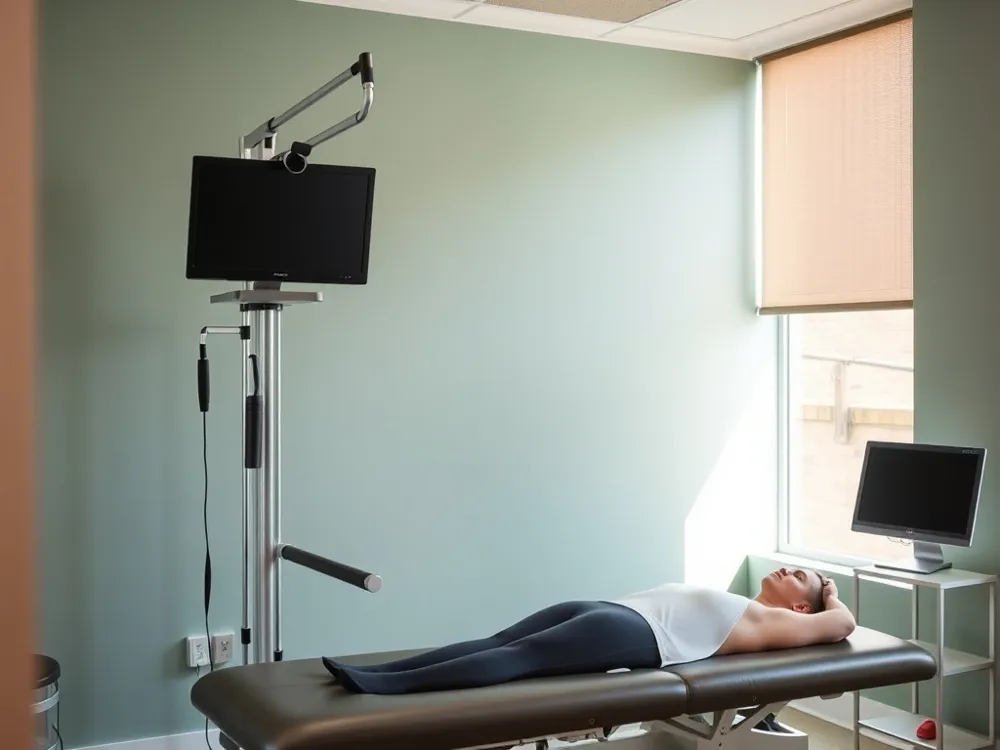
Spinal decompression therapy is a non-surgical, non-invasive treatment designed to relieve pressure on the spine’s nerves and discs. It is an effective option for conditions like herniated discs, sciatica, and chronic back pain. The therapy uses a specialized, computer-controlled table and a harness system to gently stretch the spine. This creates negative pressure within the spinal discs. The negative pressure helps retract bulging or herniated disc material, directly reducing nerve compression. It also stimulates the flow of water, oxygen, and nutrients into the discs, promoting natural healing. The therapy is customized per patient and typically performed in a series of sessions.
How Can Spinal Decompression Help Relieve Sciatica Pain Quickly?
Spinal decompression can provide rapid relief from sciatica pain by directly addressing its root cause: nerve compression. During a session, the vacuum effect generated by the negative pressure gently pulls herniated or bulging disc material back into place. This action relieves pressure on the sciatic nerve almost immediately. Patients often report a noticeable reduction in shooting pain, numbness, or tingling within minutes of treatment. The comfortable stretch also improves circulation to the affected area, calming nerve irritation. As part of a personalized care plan, this therapy offers a fast, drug-free path to reducing sciatica discomfort, with many patients experiencing relief after just a few sessions.
| Aspect | Mechanism | Immediate Effect | Long-Term Benefit |
|---|---|---|---|
| Primary Action | Computer-controlled table creates negative pressure in discs | Retracts bulging disc material off the sciatic nerve | Reduces chronic nerve compression |
| Physiological Response | Stimulates nutrient and oxygen flow into discs | Calms nerve irritation and reduces inflammation | Promotes disc healing and rehydration |
| Patient Experience | Gentle, non-invasive stretching sensation | Rapid pain relief within minutes of treatment | Improved mobility and reduced need for surgery |
Weighing the Benefits and Drawbacks: Pros and Cons of Decompression
What are the pros and cons of spinal decompression for sciatica?
Spinal decompression therapy is a non-surgical option that offers several benefits for chronic sciatica. It works by gently stretching the spine to create negative pressure, which can reposition herniated discs and relieve pressure on the sciatic nerve, often improving mobility and promoting the body's natural healing without the need for medication or incisions. The therapy is customizable, non-invasive, and has minimal downtime, allowing patients to resume daily activities immediately after a session.
However, the therapy also has drawbacks. It typically requires a commitment of multiple sessions over 4 to 6 weeks to achieve lasting results. The high-quality scientific evidence supporting its long-term effectiveness is limited, with some studies showing equivocal results compared to simpler, less expensive treatments like exercise. Some patients may experience increased back pain if sensitive nerves are irritated during treatment. The cost of the therapy can also be a consideration, as it may not be a covered benefit by all insurance plans.
Are there any risks or contraindications for spinal decompression therapy?
Spinal decompression is considered safe for most people but carries specific contraindications. It is not recommended for individuals who are pregnant or have severe osteoporosis, spinal tumors or infections, spinal fractures, an abdominal aortic aneurysm, metal spinal implants, or specific spinal conditions like advanced spondylolisthesis. A thorough evaluation by a qualified healthcare professional is essential to ensure safe and effective care.
| Aspect | Advantages | Disadvantages / Considerations |
|---|---|---|
| Nature of Treatment | Non-surgical, non-invasive, no incisions or anesthesia. | Requires a series of 10-30 sessions over weeks. |
| Pain Relief | Directly targets nerve compression to reduce pain. | Some may experience temporary muscle soreness or discomfort. |
| Recovery | Minimal to no downtime; immediate return to activities. | Scientific evidence for long-term results is limited. |
| Eligibility | Suitable for many disc-related sciatica causes. | Contraindicated for pregnancy, severe osteoporosis, spinal implants, and tumors. |
Home‑Based Decompression: Safe Exercises and DIY Techniques
Can spinal decompression be done at home, and what exercises are recommended?
Yes, spinal decompression can be safely performed at home with specific exercises that gently stretch the spine to relieve pressure on discs and nerves. These movements are a valuable complement to professional treatment. Always consult a healthcare professional before starting, especially if you have conditions like osteoporosis or have had spinal fusion.
Recommended exercises include:
- Child’s Pose (Balasana): From hands and knees, sit back on your heels, extending arms forward on the floor. Hold for up to 5 minutes. This gently elongates the spine and alleviates tension.
- Knees-to-Chest (Single or Double): Lie on your back, pull one knee toward your chest, and hold up to 30 seconds. Repeat on the other side, then with both knees. This helps reduce tension in the back and legs.
- Cat‑Cow (Marjaryasana to Bitilasana): On hands and knees, alternate between arching your spine (Cat) and letting your belly sink (Cow). Continue for up to a minute to improve spinal flexibility.
- Dead Hangs: Holding a pull-up bar allows gravity to gently decompress the spine. Start with 20‑30 second holds, but avoid if you have shoulder issues.
What are effective stretches or exercises for sciatica decompression?
Effective stretches for sciatica decompression specifically target the lower back and hips to relieve nerve compression.
| Exercise | Description | Key Benefit |
|---|---|---|
| Glute Bridge | Lie on back, knees bent. Lift hips toward the ceiling, squeezing glutes. | Relieves pressure on the sciatic nerve by strengthening glutes and reducing tightness. |
| Hamstring Stretch | Lie on back, loop a towel around your foot, and gently pull your leg up. | Reduces hamstring tightness that can contribute to sciatic nerve irritation. |
| Piriformis Stretch | Lie on back, cross one ankle over the opposite knee, and pull the leg toward you. | Alleviates tension in a deep buttock muscle that can compress the sciatic nerve. |
Integrating Decompression with a Holistic Wellness Plan
What are safe, non‑medication methods for immediate sciatica relief?
For immediate sciatica relief without medication, apply an ice pack wrapped in a towel to the painful area for 15–20 minutes during the first 72 hours to reduce inflammation and nerve compression. After that, switch to a heating pad for 20 minutes at a time to relax tense muscles and ease discomfort. Gentle stretching, such as the reclining pigeon pose or knee-to-opposite-shoulder stretch, can help release pressure on the sciatic nerve and improve flexibility. Short periods of rest, especially after activity, can quickly reduce flare-ups, but avoid prolonged bed rest to prevent muscle weakness. Light movement and listening to your body’s limits aid circulation and support natural healing without medication.
Can chiropractic care affect cortisol (stress) levels?
Research indicates that chiropractic adjustments can lower cortisol levels, the body’s primary stress hormone, helping to reduce anxiety and promote emotional balance. By correcting spinal misalignments that interfere with nervous system function, chiropractic care helps the body manage stress more effectively. Lower cortisol is associated with better sleep quality, reduced tension, and a stronger immune response. These findings support chiropractic as a valuable tool for stress reduction and overall mental wellness.
How can patients incorporate spinal decompression into a daily wellness routine?
Patients can incorporate spinal decompression into their daily routine by prioritizing hydration with adequate water intake, which supports disc health and nutrient delivery. Gentle pre‑sleep stretches like Child’s Pose and Cat‑Cow help release tension and allow the spine to naturally decompress overnight. Avoiding inflammatory foods and strenuous activities during recovery minimizes setbacks and enhances treatment effectiveness. Establishing good sleep hygiene with a supportive mattress and consistent bedtime further promotes overnight spinal recovery. These simple habits complement professional chiropractic care and help maintain long‑term spinal wellness.
Cost, Technology, and How Decompression Stands Apart from Surgery
How does spinal decompression differ from surgical options for sciatica?
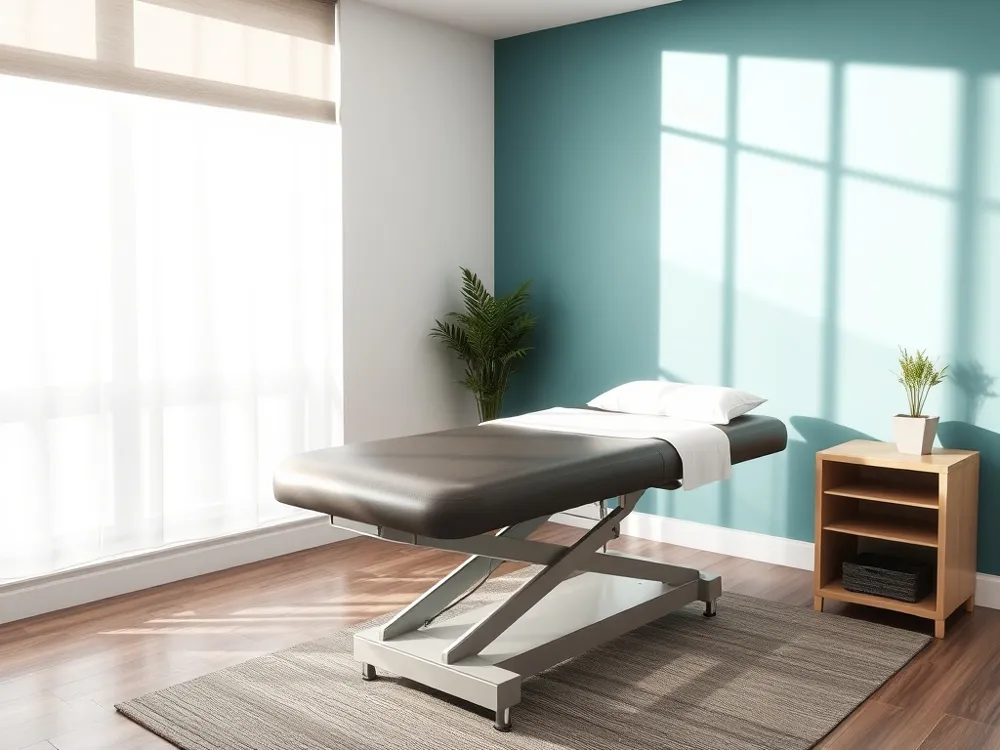
Spinal decompression is a non-surgical therapy that uses controlled traction to gently stretch the spine. This creates negative pressure within the discs, helping retract herniated material and relieve nerve compression—all without incisions or anesthesia. Recovery is quick, with minimal downtime, and the treatment carries very low risks.
In contrast, surgical options like discectomy or laminectomy involve the direct removal of bone or disc tissue. While they offer more immediate correction of structural problems, they come with higher risks of infection, bleeding, and extended recovery periods lasting weeks to months. Surgery is generally reserved for severe cases where conservative care has failed or neurological symptoms worsen.
Spinal decompression promotes gradual, natural healing and is typically more affordable. It allows patients to quickly resume daily activities, whereas surgery often requires extensive rehabilitation and carries greater financial and physical burdens.
What are the costs associated with spinal decompression therapy?
Spinal decompression therapy costs vary. Most clinics charge between $75 and $150 per session, with a full course of 12 to 30 sessions totaling $1,000 to $7,500. Insurance coverage is often limited, so most patients pay out-of-pocket. However, it remains significantly more affordable than surgery or repeated injections.
What is the difference between spinal decompression tables and other traction devices?
Spinal decompression tables are advanced, computer-controlled devices that precisely target specific spinal segments. They create negative pressure within discs to promote retraction and healing, with real-time adjustments in force, angle, and duration for a customized treatment.
Traditional traction devices apply a generalized, uniform pulling force across the spine. They offer primarily temporary relief without the same level of customization, making them better suited for mild discomfort rather than chronic conditions like herniated discs. Decompression tables focus on long-term disc repair, while traction devices are typically a short-term solution.
| Feature | Spinal Decompression Table | Traditional Traction | Surgical Decompression |
|---|---|---|---|
| Approach | Controlled, computer-guided traction | Generalized pulling force | Direct removal of bone/disc |
| Invasiveness | Non-surgical, no incisions | Non-surgical | Surgical, incisions required |
| Pain Relief Mechanism | Negative pressure reduces disc bulge | Temporary stretch and relief | Immediate structural correction |
| Recovery Time | Minimal to none | Minimal | Weeks to months |
| Cost | $1,000 - $7,500 per course | Low, often per session | $15,000 - $50,000+ |
| Risk Profile | Very low, temporary soreness | Low | Higher risk of infection, bleeding |
| Best For | Herniated discs, chronic sciatica | Mild, general back pain | Severe nerve compression, failed conservative care |
Ultimately, spinal decompression stands as a low-risk, more affordable alternative to surgery, using precision technology to target the root cause of sciatica pain.
Choosing the Path to Lasting Sciatica Relief
Recap of Key Points
Sciatica, often caused by a herniated disc or spinal stenosis, can be debilitating. Spinal decompression therapy offers a non-surgical path to relief by gently stretching the spine to create negative pressure. This action can retract bulging discs and promote nutrient flow, addressing the root cause of nerve compression.
Encouragement to Seek Professional Evaluation
While many find relief, a thorough evaluation is essential. A qualified chiropractor can determine if spinal decompression is right for you and personalize a treatment plan. This ensures your specific condition is addressed safely and effectively, maximizing the potential for long-term relief.
Call to Action for Southeast Family Chiropractic
Are you ready to explore your options? Southeast Family Chiropractic offers comprehensive care, including spinal decompression, to tackle chronic sciatica. Don't let pain dictate your life. Contact us today to schedule your evaluation and start your journey toward lasting wellness without surgery.
| Topic | Key Points | Next Steps |
|---|---|---|
| Spinal Decompression | Non-surgical, creates negative pressure, retracts discs | Request a consultation |
| Professional Evaluation | Determines candidacy, ensures safe application | Schedule an assessment |
| Southeast Family Chiropractic | Offers holistic, personalized care | Call or click to book |