Introduction to the Role of Massage Therapy in Pain Management
Chronic Pain Prevalence in the U.S.
Chronic pain affects approximately 50 million adults in the United States, impacting their daily lives and productivity. This widespread condition is one of the most common reasons people seek medical care.
The Growing Need for Alternatives to Opioid Use
With the ongoing opioid epidemic, there is a strong demand for nonpharmacological pain management options. Massage therapy has emerged as a promising alternative, aimed at reducing reliance on medications while providing effective relief.
Safety and Acceptance of Massage Therapy
Massage therapy is broadly accepted as a safe and complementary approach for pain management. It has few adverse effects, and its growing integration into healthcare reflects its recognized benefits for a variety of pain conditions.
Together, these factors highlight massage therapy's important role in modern pain management strategies within the U.S.
Mechanisms of Pain Relief Through Massage Therapy

How does massage therapy help with pain relief?
Massage therapy for pain management alleviates pain primarily by targeting soft tissues to reduce muscle tension and stiffness. This relaxation of tight muscles decreases discomfort often linked to chronic and acute pain conditions. The manipulation of muscles also helps improve circulation, delivering oxygen and nutrients to damaged tissues and facilitating quicker healing. Improved blood flow flushes out inflammatory byproducts, reducing inflammation that contributes to persistent pain.
Endorphin release and its effect on pain perception
An important biochemical mechanism of pain relief through massage is the stimulation of endorphin production. Endorphins are the body's natural painkillers that help block pain signals and produce a sense of well-being. Increased endorphin levels during massage sessions lead to a reduction in perceived pain and promote relaxation and improved mood (Benefits of massage therapy).
Impact on nerve compression and circulation
Massage therapy also targets nerve compression, a common cause of persistent pain such as sciatica or herniated discs. By reducing pressure on nerves through soft tissue manipulation, massage eases nerve-related pain symptoms. Enhanced circulation further supports nerve health by supplying necessary nutrients and removing waste, which aids in reducing pain and improving function.
Mental health benefits related to stress and anxiety reduction
Pain is often exacerbated by mental health factors like stress and anxiety. Massage therapy lowers cortisol levels—the stress hormone—and promotes relaxation by activating pressure receptors in the skin. This leads to decreased anxiety, improved mood, and better sleep quality. The combined physical and mental benefits of massage create a holistic approach that effectively manages both pain and its psychological effects, contributing to an overall improvement in quality of life for sufferers (Massage therapy for anxiety and depression).
Popular Massage Techniques Used in Pain Management

What are the common techniques used in massage therapy?
Massage therapy incorporates a variety of manual techniques that serve distinct therapeutic purposes. Among these, effleurage consists of long, gentle strokes designed to decrease stress, improve blood circulation, and ease pain. Petrissage uses kneading movements to release muscle tightness, stimulate lymphatic flow, and accelerate healing. Friction involves focused circular motions aimed at mobilizing fascia and tackling scar tissue or persistent pain areas. Vibration produces rapid trembling to enhance circulation and relax tissues. Tapotement, involving rhythmic tapping, helps stimulate nerve endings and relieve muscle tension. Combining these methods enables massage therapists to address musculoskeletal problems effectively, reduce discomfort, and foster relaxation.
What are the main types of massage therapy?
Several massage types are widely practiced to meet specific health and pain management needs. Swedish massage, the most common form, uses flowing strokes and kneading to promote relaxation and circulation. Deep tissue massage focuses on deeper muscle layers and connective tissues, providing relief from chronic pain and stubborn tension. Sports massage caters to athletes by aiding injury prevention and improving performance. Trigger point therapy targets localized muscle knots causing pain and discomfort. Myofascial release manipulates the connective tissue around muscles to reduce tightness and adhesions. Additionally, lymphatic drainage massage assists in reducing swelling by stimulating the lymphatic system. Each type is tailored to different conditions and patient goals.
How do manual techniques such as effleurage and petrissage contribute?
Effleurage and petrissage are foundational strokes in massage therapy. Effleurage promotes relaxation by soothing nerve endings and helping flush toxins through enhanced circulation. Petrissage works deeper to loosen muscle fibers, reduce stiffness, and encourage nutrient flow to damaged tissues. These strokes are often combined in sessions to prepare muscles for deeper work and maximize therapeutic benefits.
Why is professional training and tailored approaches important?
Effective pain management through massage requires therapists to possess advanced anatomy knowledge and skills to customize treatments. Tailoring techniques based on individual pain conditions—whether acute or chronic—ensures safety and optimizes results. Properly trained massage therapists understand how to select and adjust methods, such as deep tissue for muscle adhesions or lymphatic massage post-surgery, aligning therapy with each patient's unique needs and health status. This approach fosters collaboration with healthcare providers and enhances overall treatment efficacy.
Addressing Various Pain Conditions with Massage Therapy

What types of pain can massage therapy effectively address?
Massage therapy is highly versatile and effective for managing many pain conditions. It treats chronic back and neck pain, joint discomfort, muscle soreness, and injuries from trauma or overuse. This includes arthritis, fibromyalgia, and sciatica, where massage reduces inflammation and muscle tension while improving mobility. It's also beneficial for headaches, migraines, and nerve-related pain such as numbness caused by nerve compression. Beyond direct pain relief, massage promotes relaxation, lowers stress hormone levels, and supports overall well-being. These holistic effects aid faster injury recovery and provide a safe, non-invasive alternative or complement to medication and invasive treatments. For more details, see Benefits of massage therapy.
How does massage help alleviate nerve pain?
Massage eases nerve pain by relaxing tight muscles that may be compressing nerves, reducing pressure and enhancing nerve function. Techniques like deep tissue massage and myofascial release help mobilize pinched nerves, alleviating symptoms like tingling and sharp pain. Improved blood flow delivers nutrients and oxygen to damaged nerves, speeding healing and reducing inflammation. Massage also triggers endorphin release, the body's natural painkillers, and fosters relaxation that lowers anxiety linked to chronic nerve issues. With professional guidance, massage offers an effective holistic strategy for managing nerve pain alongside other therapies. Learn more about Natural pain relief methods.
Optimal Massage Approaches for Chronic Pain and Severe Muscle Tension

What type of massage is best for chronic pain and severe muscle tension?
Deep tissue massage is generally regarded as the most effective approach for chronic pain and severe muscle tension. This technique applies firm pressure to both superficial and deeper muscle layers, helping to break apart muscle knots, reduce inflammation, and improve overall mobility. It is particularly suited for long-term conditions such as chronic back pain, injuries, and degenerative disc disease. Deep Tissue Massage Overview
Complementary Massage Techniques
Other effective techniques include trigger point therapy, which targets specific muscle knots to relieve tension, and myofascial release that manipulates connective tissue to reduce pain and restore mobility. Cross fiber therapy also helps address muscle adhesions and tightness by applying pressure across muscle fibers.
Expertise and Individualized Care
Ensuring that massage therapy is administered by trained and certified professionals is crucial to both safety and effectiveness. Therapists with advanced anatomy knowledge tailor treatments to individual needs, optimizing pain relief. Licensed Massage Therapists have the expertise necessary for advanced anatomy training for massage therapists.
Integrating Massage with Lifestyle and Medical Care
Consistent massage therapy should be combined with lifestyle changes, such as stress management and physical activity, alongside medical supervision. This integrative approach enhances outcomes, helping individuals manage chronic pain and severe muscle tension more effectively, ultimately improving their quality of life. For information on massage therapy and healthcare integration and lifestyle factors in chronic pain management, see these resources.
The Role of Massage Therapy in Healing and Hospital Care
How does massage therapy contribute to the healing process?
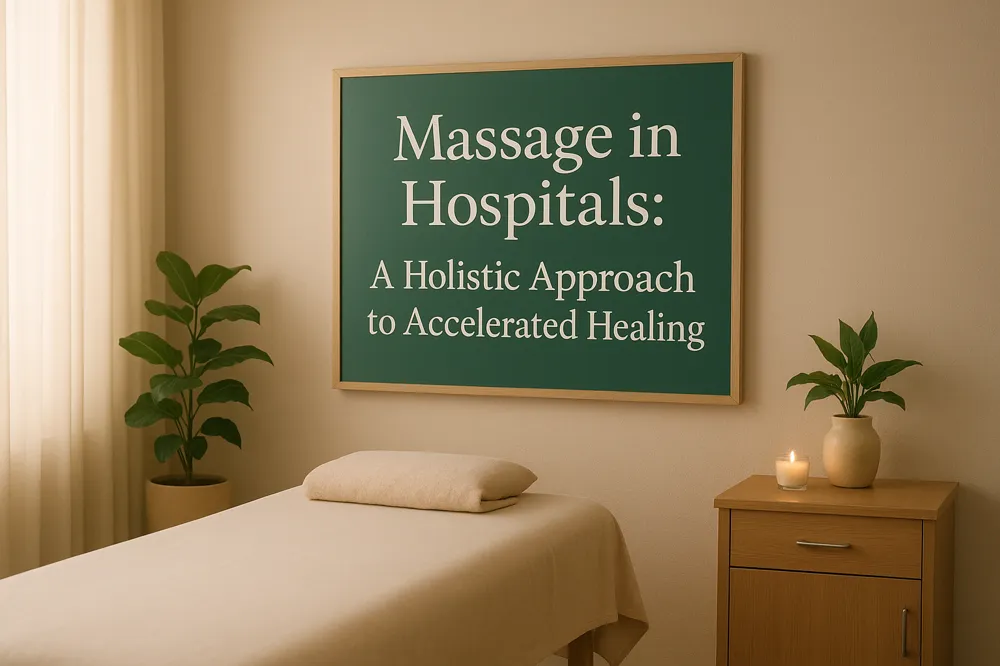
Massage therapy significantly supports healing by boosting circulation, which delivers oxygen and nutrients essential for tissue repair. This enhanced blood flow accelerates recovery by supplying damaged areas with what they need to heal efficiently. It also helps reduce inflammation and swelling through lymphatic drainage, clearing waste and inflammatory cells that can otherwise slow down the healing process. Physical benefits of massage
By targeting muscle stiffness and pain through techniques like deep tissue and trigger point therapy, massage increases flexibility and promotes tissue repair. This non-invasive approach helps patients regain mobility and reduce discomfort sooner. Trigger point therapy, Deep tissue massage benefits
Why is massage therapy incorporated into hospital pain management and rehabilitation?
Hospitals integrate massage therapy as a complementary treatment to reduce pain, muscle tension, and scar tissue formation, which improves recovery and movement. Amid rising concerns over opioid use, massage offers a safe alternative to medication for managing both acute and chronic pain. Massage as an alternative to opioids, Massage therapy for pain management
Research supports its effectiveness in alleviating pain from surgeries, fibromyalgia, and other chronic conditions, while also helping patients relax and reduce anxiety. Licensed massage therapists collaborate closely with physicians, physical therapists, and other healthcare providers to design tailored treatments that maximize patient outcomes. Massage therapy and healthcare integration, Licensed Massage Therapists
This collaborative, multidisciplinary approach within hospital rehabilitation enhances patient recovery experiences, often leading to reduced reliance on pain medications and quicker return to daily activities. Patient and nurse perspectives on massage therapy
Embracing Massage Therapy as a Holistic Pain Management Tool
Proven Benefits of Massage Therapy for Pain Relief
Massage therapy offers significant physical and mental benefits that aid in pain management. It improves circulation, reduces muscle stiffness, decreases joint inflammation, and enhances flexibility. These effects help relieve pain from various conditions including chronic pain, fibromyalgia, low back pain, arthritis, and postoperative recovery. Massage also triggers the release of endorphins and serotonin, natural chemicals that reduce pain and improve mood. Its calming effects help lower stress and anxiety, further supporting pain relief and overall well-being.
How Massage Complements Traditional Care
Considering massage therapy as part of a comprehensive pain management plan provides patients with a non-invasive and drug-free option. Many studies demonstrate massage’s capacity to reduce pain intensity and improve quality of life when combined with medical treatments. It can decrease reliance on medications such as opioids, addressing both physical symptoms and emotional factors that influence pain.
Choosing Qualified Practitioners and Ensuring Safety
Patients should seek licensed and experienced massage therapists trained in anatomy and pain management techniques. Open communication with healthcare providers ensures massage therapy integrates safely with other treatments and addresses individual health needs. Discussing conditions, treatment goals, and any adverse reactions with professionals maximizes benefits while minimizing risks.
Embracing massage therapy offers a holistic approach by treating the body and mind in concert, enhancing pain relief and fostering improved health outcomes.