Welcome to Southeast Family Chiropractic’s Laser Therapy Guide
Welcome to Southeast Family Chiropractic’s Laser Therapy Guide. This guide aims to educate patients about how photobiomodulation can accelerate healing, relieve pain, and reduce reliance on drugs or surgery. By explaining the science and practical benefits, we help you decide whether laser treatment fits your rehabilitation plan.
Laser therapy comes in several modalities. High‑power Class IV lasers (≥500 mW) penetrate deep muscle, tendon and joint tissue, boosting ATP, collagen synthesis, angiogenesis and endorphin release for tissue repair. Low‑level “cold” lasers (Class 3B) deliver lower‑power light for superficial inflammation and nerve modulation. Multi‑wavelength MLS systems combine two wavelengths to target inflammation and pain simultaneously. All devices are FDA‑cleared, non‑invasive, and used alongside chiropractic adjustments to enhance functional outcomes. These options support return to activities.
What Is Class 4 Laser Therapy and How Does It Work?
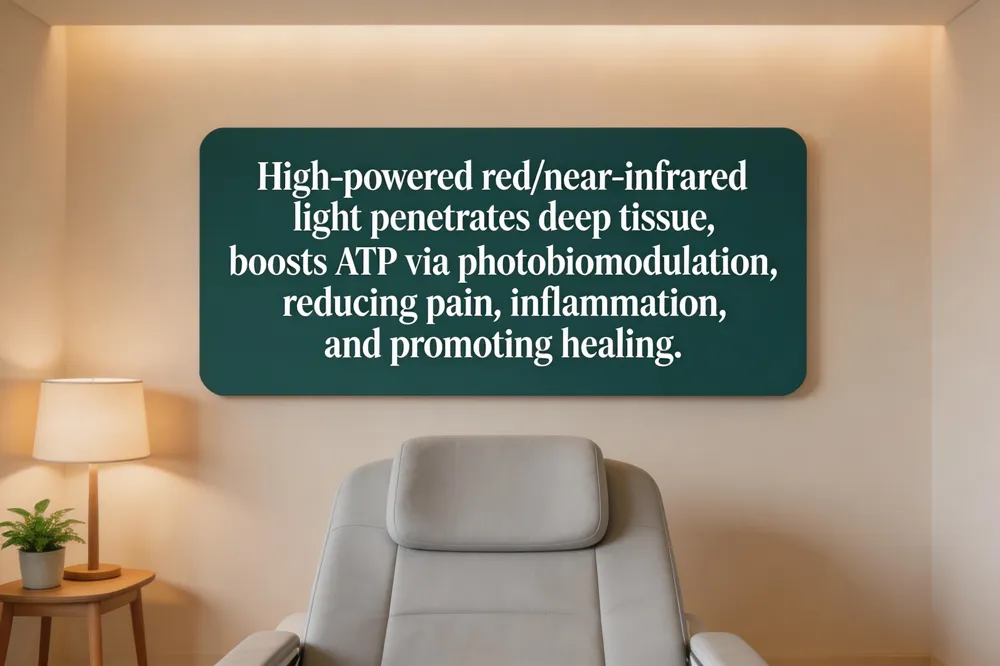 Class IV laser therapy uses high‑powered red and near‑infrared light to achieve deep tissue penetration—reaching muscle, tendon, ligament and bone up to several centimeters. The photons are absorbed by mitochondrial chromophores, a process called photobiomodulation, which boosts ATP production and accelerates cellular repair. This surge in energy drives fibroblast activity, collagen synthesis and angiogenesis, while also modulating inflammatory pathways. The result is rapid pain relief, reduced swelling and enhanced micro‑circulation—effects that athletes and chronic‑pain patients both value.
Class 4 laser therapy benefits – Deep, high‑energy light quickly lessens pain and inflammation without drugs or needles, speeds tissue regeneration, and improves range of motion.
Laser therapy for circulation – By stimulating nitric‑oxide release and new capillary formation, Class IV lasers increase blood flow and oxygen delivery to injured areas, supporting faster healing.
Does laser therapy work for injuries? – Yes. Studies show two‑thirds of athletes experience meaningful relief from sports injuries, tendonitis and muscle tears after a series of sessions, thanks to enhanced ATP, collagen production and reduced edema.
Does laser therapy work for chronic pain? – Multiple trials report significant pain reduction and functional gains in arthritis, back pain and fibromyalgia, with minimal side effects.
Do professional athletes use laser therapy? – Absolutely. NFL, MLB and Olympic teams incorporate Class IV laser treatment into rehab protocols to speed recovery, reduce opioid use and return athletes to competition faster, as noted by professional sports teams.
Clinical Evidence and Patient Outcomes
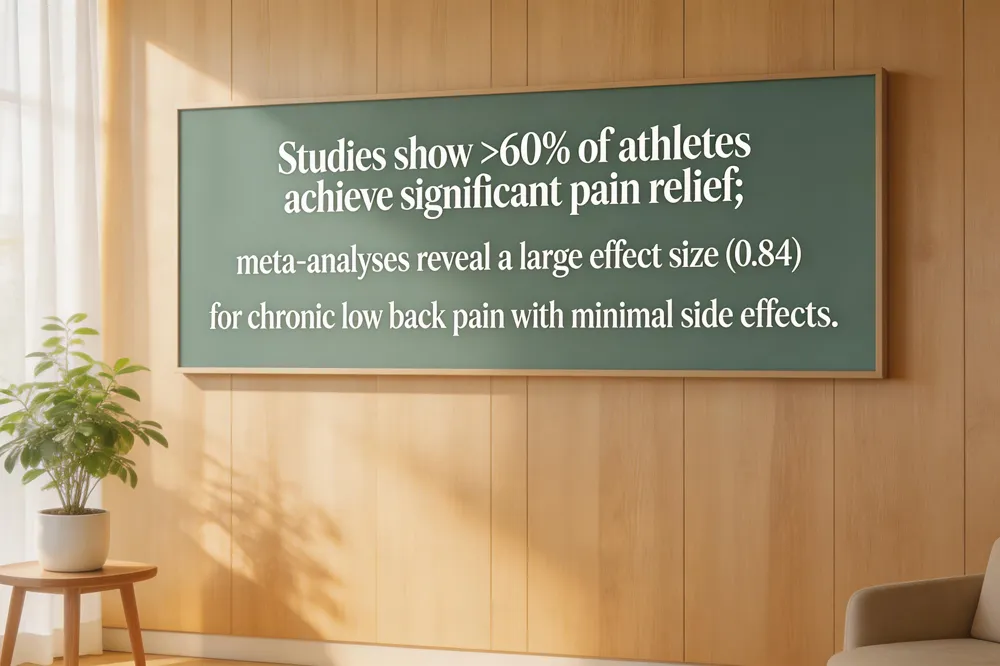 Pain relief scores and PRS data: In a 2013 study of 41 athletes receiving low‑level laser therapy (LLLT), 65.9% achieved a Pain Relief Score of 5 or less, with higher effectiveness for jumper’s knee (75%) and tennis elbow (66.6%).
Study findings on inflammation reduction: Multiple trials report that Class IV laser photobiomodulation down‑regulates prostaglandin‑2 and COX‑2, raises nitric‑oxide levels, and promotes anti‑inflammatory cytokines, resulting in measurable swelling reduction and faster resolution of edema.
Efficacy for back pain: Meta‑analyses of 22 trials show a large effect size (0.84) for chronic low‑back pain, and patients often experience immediate analgesia and improved range of motion after 5‑10 minute sessions.
Typical side‑effects profile: Laser therapy for back pain is generally safe, with mild, short‑lasting sensations such as warmth, tingling, or temporary redness. Rare superficial irritation or brief pain spikes can occur if settings are too high; serious adverse events are uncommon when proper safety protocols are followed.
At‑home laser therapy considerations: FDA‑cleared handheld LLLT devices (≈660 nm red, ≈850 nm infrared) can reduce inflammation and support tissue repair when used 5‑10 minutes per session. Users should follow manufacturer guidelines, maintain appropriate distance, and combine home use with professional chiropractic evaluation for optimal outcomes.
Cost, Insurance, and Practical Considerations
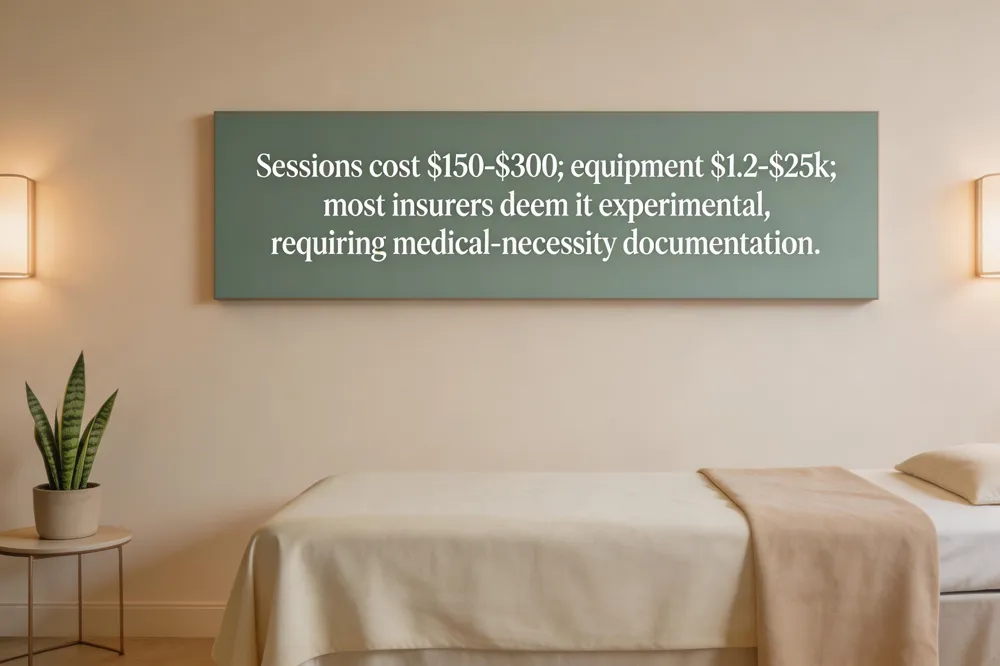 Class 4 laser‑therapy sessions at Southeast Family Chiropractic typically range from $150 to $300 per visit, depending on treatment length and condition. The clinic offers discounted package rates for multiple appointments, and patients can expect equipment costs of $1,200‑$25,000 for commercial units, though purchase is optional.
Most insurers label high‑power Class IV laser therapy as experimental, so routine coverage is rare. Major plans such as Cigna often deny claims unless a physician‑provided medical‑necessity letter is submitted, and the specific HCPCS II code (S8948) is not recognized. Medicare does not cover this modality; a small number of Medicare Advantage plans may offer limited benefits, but patients should verify their policy.
Two common drawbacks are the need for several sessions before noticeable relief and variable individual responses, including occasional skin irritation or limited efficacy for darker skin tones.
Southeast Family Chiropractic in Gastonia, NC, provides on‑site Class 4 laser treatment integrated with spinal adjustments and rehabilitation. Appointments can be booked online or by calling (704) 555‑1234, and new‑patient exams determine the optimal plan.
Low‑Level (Cold) Laser Therapy vs. Class 4
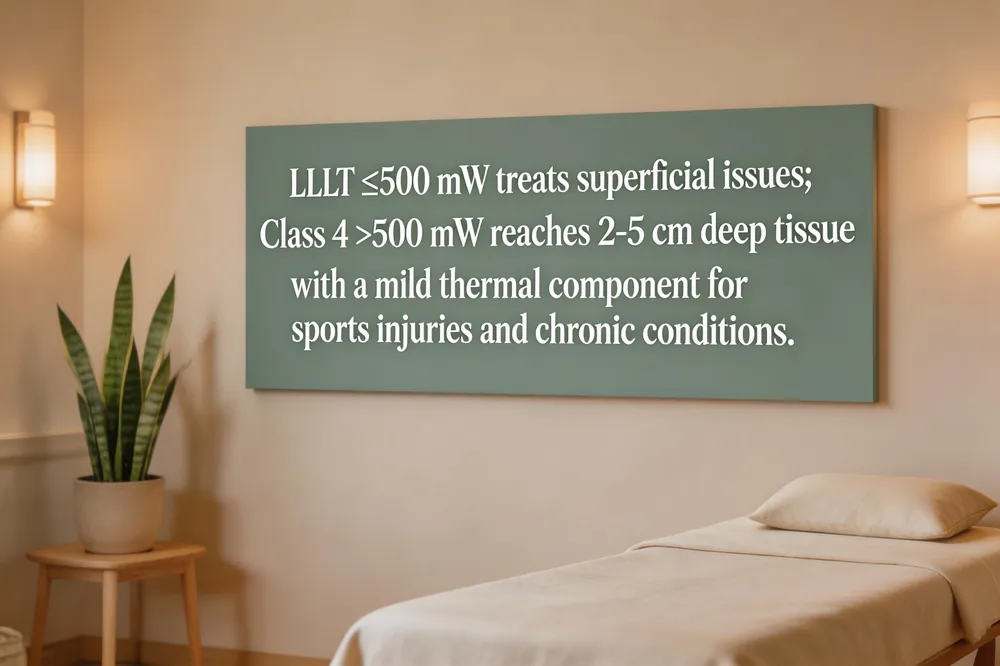 Low‑level (cold) laser therapy, also called photobiomodulation, uses low‑power red or near‑infrared light (≤ 500 mW) that is absorbed by mitochondrial enzymes to boost ATP, reduce inflammation, and accelerate tissue repair. It is non‑thermal, producing no perceptible heat, and typically treats superficial musculoskeletal pain, arthritis, post‑surgical wounds, and soft‑tissue injuries in brief (2‑6 min sessions).
Class 4 laser therapy employs high‑powered devices (> 500 mW, often 1‑30 W) with wavelengths ranging from 600‑1100 nm that penetrate 2‑5 cm into muscle, tendon, ligament, and bone. The higher energy generates a mild warming sensation (thermal component) while still delivering photobiomodulation. It is used for deep‑tissue sports injuries, chronic tendonitis, arthritis, post‑operative rehabilitation, and nerve regeneration, with sessions lasting 5‑15 min.
Safety for both modalities requires protective eyewear, screening for active cancer, pregnancy (abdominal exposure), uncontrolled diabetes, and direct eye exposure. Class 4 devices demand trained operators to avoid excessive dosing, while low‑level lasers have a broader safety margin.
Integrating Laser Therapy into a Holistic Chiropractic Plan
 Combining Class IV laser therapy with spinal adjustments and dry needling creates a synergistic effect: the laser’s photobiomodulation reduces inflammation and boosts ATP, while adjustments restore joint mechanics and dry needling releases muscle tension. Treatment frequency is personalized—typically 2–3 sessions per week for the first 4–6 weeks, then tapering based on pain scores and functional gains. Educating patients on posture, ergonomics, and home‑based stretching empowers them to maintain results between visits. For sports injuries, laser accelerates collagen synthesis and angiogenesis, often cutting recovery timelines by 20‑30 % compared with rehab alone, allowing athletes to return to training sooner. Future research should focus on optimal dosing protocols, long‑term outcomes, and comparative effectiveness against other modalities.
Take the Next Step Toward Pain‑Free Living
Ready to leave chronic pain behind? Contact Southeast Family Chiropractic in Gastonia, NC, to speak with our certified clinicians about Class IV laser therapy. Our friendly staff will help you schedule a comprehensive laser‑therapy evaluation, during which we assess your injury history, current symptoms, and treatment goals. Based on the findings, we design a personalized, drug‑free healing plan that combines high‑powered photobiomodulation with chiropractic adjustments, manual therapy, and home‑exercise guidance. Each short session—typically 5‑10 minutes—delivers deep tissue penetration, boosts ATP production, reduces inflammation, and speeds tissue repair, enabling faster return to activity. Take the first step today: call, email, or fill out the online form to begin your path to pain‑free living. Our evidence‑based approach ensures results and improved quality of life.