Starting Your Journey to a Healthier Spine
Back pain is one of the most common health complaints, affecting millions of people each day. Many individuals find lasting relief through non-invasive spinal rehabilitation before considering surgery, as recommended by healthcare providers who prefer a stepped approach to treatment.
This holistic, patient-focused perspective emphasizes care without surgery when possible, utilizing therapies such as chiropractic care, physical therapy, and spinal decompression to address the root causes of pain and restore function.
Understanding Spinal Decompression Therapy
 Non-surgical spinal decompression therapy is a treatment that gently stretches the spine using a motorized traction device or manual techniques. The goal is to create negative pressure within the spinal discs, which can help retract bulging or herniated disc material and relieve pressure on compressed nerves. This approach is often considered for conditions such as herniated discs, sciatica, spinal stenosis, and chronic back pain.
What the Research Says
A critical review of the scientific literature on spinal decompression published in the National Institutes of Health database found that the quality of evidence is limited. The review identified only one small randomized controlled trial and several lower-level studies, many performed using the VAX-D® device. While some case series reported success rates around 71% to 86%, the review noted that these studies often lacked proper control groups and had other methodological concerns. Experts caution that more rigorous research is needed before drawing firm conclusions about the therapy's effectiveness compared to alternatives.
The Typical Session Experience
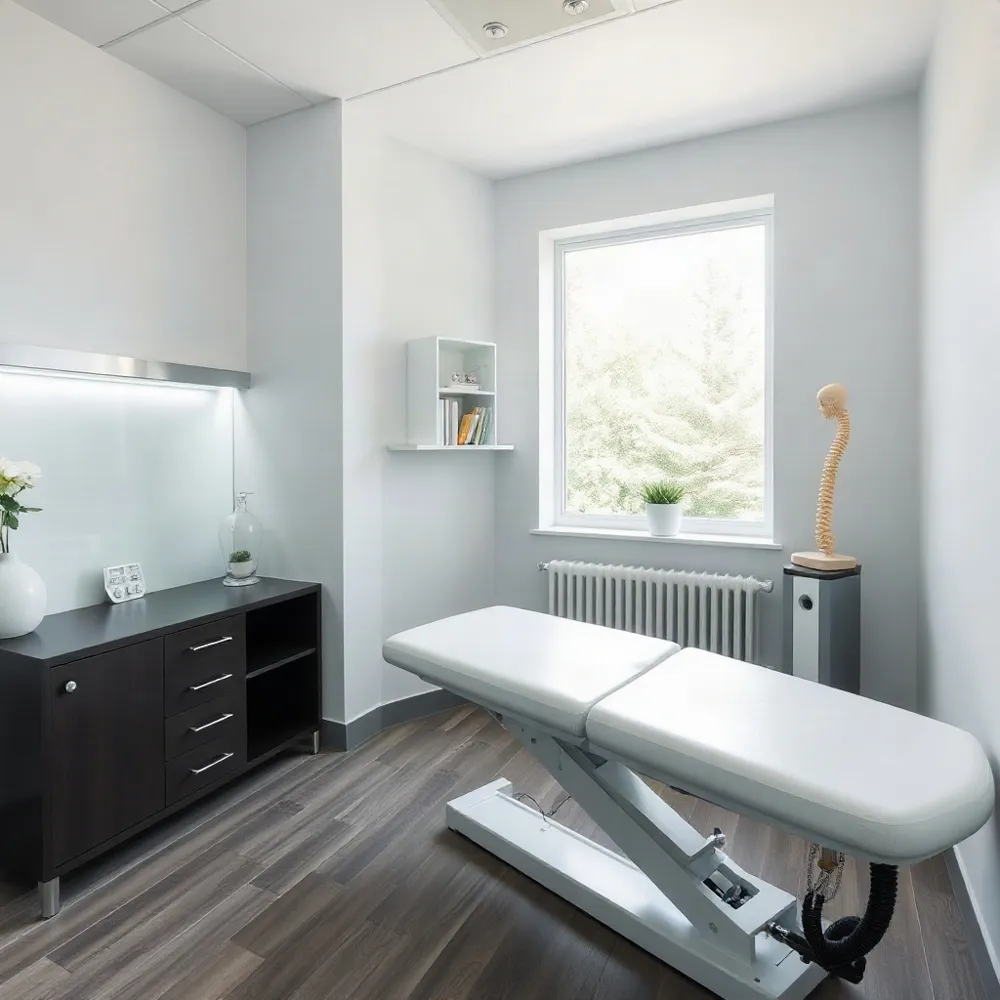
A spinal decompression session usually lasts between 30 and 45 minutes. Patients lie on a specialized table, either face up or face down, while a harness is placed around their hips. The table then applies a gentle, intermittent pulling force to the spine. Most patients find the process painless and relaxing. After a session, patients can typically resume normal daily activities immediately, though some may experience mild soreness. The therapy generally requires a series of sessions over several weeks to achieve lasting results.
Pros and Cons
Pros. Non-surgical, drug-free, and minimally invasive. It can provide relief for conditions like herniated discs and sciatica without the risks of surgery. It is customizable and suitable for many age groups.
Cons. Requires multiple sessions over weeks, and not all patients are ideal candidates—those with prior spinal surgery at the same level, fractures, or certain implants may not qualify. Evidence for its effectiveness is limited compared to better-studied options.
Coverage for spinal decompression varies by insurance plan. Many private insurers may cover part of the cost if deemed medically necessary, but Medicare generally classifies the procedure as experimental and does not cover it. Patients can check with their provider or ask their chiropractor about cash-pay options or Health Savings Account (HSA) eligibility. Practices like Southeast Chiropractic & Sports Medicine offer consultations to help patients understand their options and determine if this therapy fits their needs.
Exploring Minimally Invasive Spine Surgery
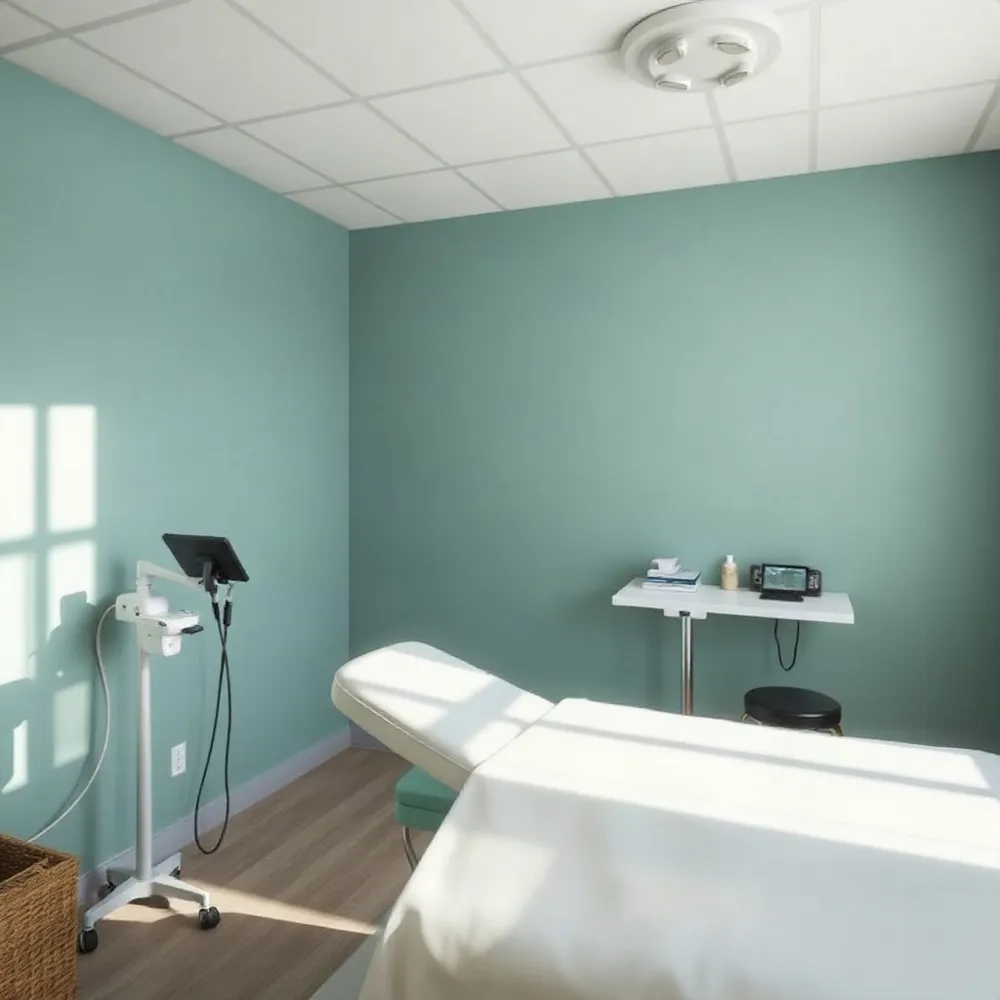 When non-surgical treatments like physical therapy or spinal decompression fail to provide adequate relief, minimally invasive spine surgery (MISS) offers a next step. MISS uses small incisions and specialized instruments—such as endoscopes and tubular retractors—to access the spine with far less damage to muscles and surrounding tissue than traditional open surgery.
How It Compares to Non-Surgical Decompression
The fundamental difference between MISS and non-surgical decompression lies in invasiveness and permanence. Non-surgical decompression uses gentle traction to create negative pressure within discs, promoting retraction and nutrient flow without any incisions or anesthesia. MISS, performed under anesthesia in a hospital setting, can physically remove or repair tissue—such as a herniated disc fragment through a microdiscectomy or a portion of the vertebra through a laminectomy. This makes surgery more definitive for structural problems like spinal stenosis or vertebral instability, but it carries surgical risks and requires recovery time. Non-surgical approaches carry minimal risk but may offer less permanent relief for significant anatomical issues.
Conditions Treated and Common Procedures
MISS addresses a range of spinal conditions including herniated discs, degenerative disc disease, spinal stenosis, scoliosis, and vertebral fractures. Common procedures include microdiscectomy (removing herniated disc material), laminectomy (relieving nerve pressure by removing part of the vertebra), spinal fusion (joining vertebrae for stability), and vertebroplasty/kyphoplasty (treating compression fractures).
Advantages and Downsides
Patients benefit from smaller scars, less post-operative pain, reduced blood loss, and a lower infection risk compared to open surgery. Recovery typically follows a timeline: light activity within 1–2 weeks, regular movement by 4–6 weeks, and full healing around 3 months. However, not everyone is a candidate. Patients with uncontrolled diabetes, morbid obesity, or advanced cardiovascular disease face increased surgical risk. Those who have had prior spine surgery at the same site may also be unsuitable due to scar tissue. A thorough evaluation by a spine specialist is essential.
At southeastchiro.com, non-surgical decompression is a first-line option for many patients. For those whose conditions do require surgery, the practice coordinates care with specialists to ensure a seamless transition between non-invasive and surgical approaches.
Non-Surgical Therapies for Spinal Rehabilitation
For many people, back pain resolves without surgery through a combination of non-invasive treatments. A stepped approach, beginning with the least invasive options, is recommended by healthcare providers before considering surgical intervention. Spinal rehabilitation often involves a multidisciplinary strategy that addresses the root causes of pain and supports the body's natural healing process.
Physical Therapy and Chiropractic Care
Physical therapy reinforces muscles around the neck and back, helping the body stand straight and providing relief that can be sustained with ongoing exercise. Therapy plans typically include passive therapy, where a therapist moves muscles to relieve pain, and active exercise to strengthen the body. Chiropractic care, including spinal adjustments that realign bones, is another core non-surgical treatment backed by research — studies show chiropractic adjustments can relieve pain effectively, including during pregnancy. At Southeast Family Chiropractic in Gastonia, personalized chiropractic care and corrective exercises are integrated into a holistic plan that emphasizes non-invasive, drug-free recovery.
Patients can also benefit from specialized manual techniques. The McKenzie Method uses a systematic series of tests to diagnose and treat mechanical pain caused by spinal movement or structure. The Graston Technique applies stainless steel instruments to break down scar tissue and fascial restrictions. Myofascial release uses gentle pressure on connective tissues to alleviate pain or restrictive tissue problems. These methods, offered by clinics such as CaroMont Rehab & Sports Medicine, are designed to restore pain-free movement and function.
Aquatic Therapy and Spinal Braces
Aquatic therapy uses warm water to combine relaxation and resistance, with buoyancy reducing gravitational impact on bones and joints. It is ideal for patients with spine injuries, arthritis, or chronic back pain who need a low-impact environment for exercise. Spinal braces immobilize painful areas of the back or neck, taking pressure off weak or hurt vertebrae to allow healing, and can be customized for the upper back, lower back, or neck in rigid or flexible forms.
Massage Therapy and Acupuncture
Massage therapy helps when muscle tension and stress worsen back pain by manipulating muscles, ligaments, and tendons to relax the body and improve blood flow. Acupuncture, a centuries-old method, uses fine needles inserted at specific body points to stimulate natural painkilling mechanisms, including the release of the body's own opioids, and can accelerate recovery and boost the immune system. Both therapies are often used alongside chiropractic care and physical therapy as part of a comprehensive non-surgical rehabilitation plan.
Lifestyle Modifications for Long-Term Health
Maintaining a healthy spine without surgery depends on consistent habits. Good posture, regular low-impact movement such as walking or stretching, core strengthening, and avoiding prolonged sitting are recommended by spine specialists. Managing a healthy weight and practicing stress management through activities like yoga or deep breathing further reduce spinal strain. The Mayo Clinic notes that regular exercise often helps ease back pain and prevent further discomfort, recommending a routine of specific stretches and strengthening moves that can be completed in 15 minutes a day.
Southeast Family Chiropractic offers lifestyle advice and nutritional consultations to help patients achieve long-term health goals by addressing chiropractic issues and coaching patients holistically. The practice emphasizes that non-surgical therapies, when combined with healthy daily habits, can provide lasting relief without the risks of surgery or medication dependence.
Building Strength with Targeted Exercises
 Exercise is a powerful tool for both recovery from back pain and preventing future episodes. Regular, targeted movement strengthens the muscles supporting the spine, improves flexibility, and reduces stiffness, addressing many of the underlying causes of discomfort. According to the Mayo Clinic, a consistent routine of specific stretches and strengthening exercises can help ease existing pain and protect against further injury.
Starting with Foundational Stretches and Strengthening
A well-rounded exercise program for spinal health often begins with simple, low-impact movements. The Mayo Clinic recommends several foundational exercises, including the knee-to-chest stretch (gently pulling one knee toward the chest while lying on the back), the bridge exercise (lifting the hips to form a straight line from knees to shoulders), the cat stretch (alternately arching and sagging the back on hands and knees), and the shoulder blade squeeze (pulling the shoulder blades together while seated). These movements help mobilize the spine, engage core and back muscles, and relieve tension.
Post-Surgery Exercise Guidelines for Safe Recovery
For patients recovering from low back surgery, the American Academy of Orthopaedic Surgeons recommends a gradual, medically guided approach. Exercises include using a stationary bike for 20 to 30 minutes, performing heel slides (bending and straightening one knee while lying on the back), and practicing abdominal contractions (tightening the abdominal muscles to stabilize the spine). These exercises are designed to restore strength and range of motion without straining the surgical site.
Progressive Loading and Professional Guidance
Regardless of the starting point, the principle of progressive loading is important for both safety and effectiveness. Begin with a few repetitions of each exercise, and slowly increase the number of reps and sets as the movement becomes easier. The Mayo Clinic advises starting with each stretch 2 to 3 times, once in the morning and once in the evening, while other exercises like bridge and lower back flexibility may start with five repetitions a day and gradually work up to 30. Anyone beginning an exercise program for ongoing back pain or after an injury should consult a physical therapist or healthcare provider to ensure the activities are safe and appropriate for their specific condition.
Choosing the Right Path for Your Spine
Deciding how to treat persistent back pain is rarely a straightforward choice. Healthcare providers generally follow a "stepped care" approach, starting with conservative, non-invasive treatments and only considering surgery after those options have been exhausted. This method prioritizes the least risky and most cost-effective therapies first.
The first step is a thorough evaluation. A clinician will review your medical history, conduct a physical exam, and often order diagnostic imaging such as MRI or X-ray to pinpoint the source of pain. This evaluation helps determine whether you are a candidate for specific treatments. For example, conditions like herniated discs, spinal stenosis, or degenerative disc disease may respond well to non-surgical care, while other issues might require more direct intervention.
Modern innovations have expanded the toolkit available before surgery is discussed. Epidural steroid injections can reduce inflammation around compressed nerves, providing temporary relief that allows patients to participate more fully in physical therapy. Advanced imaging techniques, such as intraoperative CT scans, help guide precise injections and minimally invasive procedures. Regenerative therapies, including platelet-rich plasma (PRP) and stem cell treatments, are also emerging as options to promote tissue healing, though their evidence base is still developing.
If non-surgical treatments do not provide adequate relief after several weeks or months, surgery may be considered. Minimally invasive spine surgery (MISS) offers a middle ground — it uses smaller incisions and specialized instruments to treat conditions with less tissue damage than traditional open surgery. However, the decision to proceed with any procedure should be made jointly between you and your healthcare team, weighing the potential benefits against the risks and recovery time.
Patient-centered care means you are an active participant in the decision-making process. A good provider will explain why each option is or is not recommended, outline the expected outcomes and alternatives, and respect your preferences and values. Whether you are exploring chiropractic care and laser therapy or discussing surgical options, the right path is the one that aligns with your specific condition, lifestyle, and goals for recovery.
Embracing a Holistic Approach to Spinal Wellness
Starting the journey toward a healthier spine does not require a single, dramatic intervention. The most effective path often begins with the least risky steps. Non-invasive therapies such as spinal decompression, chiropractic adjustments, and physical therapy offer a way to address the root causes of pain without the trauma, recovery time, and potential complications of surgery. These approaches give the body the support it needs to heal naturally, and they can be remarkably effective on their own.
Surgery remains an important tool for certain conditions, but it is rarely the right first move. A stepped approach — starting with the gentlest care and escalating only when necessary — aligns with the way healthcare providers prefer to treat chronic back pain. The team at Southeast Chiropractic in Gastonia, NC, specializes in this kind of progressive, patient-first care, offering a full range of non-surgical treatments that let you explore every conservative option before considering more invasive measures.
The most important decision you can make is to work with a trusted healthcare provider who takes the time to understand your specific condition, goals, and lifestyle. Whether your path includes targeted exercise, laser therapy, or a combination of therapies, an informed choice backed by professional guidance gives you the best chance for lasting relief. Long-term spinal health is built on small, consistent habits — good posture, regular movement, and a commitment to listening to your body — supported by a care team that prioritizes your well-being over any single procedure.