Introduction to Prenatal Chiropractic Care
Prenatal chiropractic care is safe when performed by a licensed chiropractor trained in pregnancy‑specific techniques such as the Webster Technique. Adjustments are low‑force, performed in side‑lying or semi‑prone positions, and avoid pressure on the abdomen, eliminating known risks to mother or fetus. The care model is holistic and patient‑focused, integrating gentle spinal and pelvic adjustments with soft‑tissue release, posture education, nutritional counseling, and tailored exercise recommendations. Engaging in chiropractic care early in pregnancy helps maintain pelvic balance, reduces intrauterine constraint, eases common discomforts like low‑back, round‑ligament, and pelvic‑girdle pain, and supports optimal fetal positioning, contributing to a smoother labor and a healthier birth experience.
Understanding the Webster Technique and Its Benefits
 The Webster Technique, created by Dr. Larry Webster in the 1970s, is a gentle chiropractic protocol that balances the sacrum and pelvic joints to reduce uterine tension and improve fetal positioning. By applying a low‑force adjustment to the sacroiliac joints and soft‑tissue release of the surrounding ligaments, the technique creates more intra‑uterine space and eases common pregnancy‑related back, hip, and round‑ligament pain.
Clinical research reports success rates of 70‑85 % for turning breech babies when the adjustment is used in the third trimester, and studies also show reduced labor duration and lower rates of operative delivery. Practitioners must complete the International Chiropractic Pediatric Association’s Webster Certification, a 13‑hour course with hands‑on evaluation, to ensure safe, evidence‑based care for pregnant patients.
Webster technique for breech The adjustment aligns the pelvis and sacrum, relieving intra‑uterine constraints that keep a baby in breech. Performed around week 34, it uses a side‑lying drop‑table or semi‑prone position with a pregnancy pillow, allowing a gentle thrust that promotes a head‑down position while reducing maternal pelvic pain.
Webster technique benefits Benefits include relief of low‑back and pelvic girdle pain, improved fetal positioning, shorter labor, and enhanced nervous‑system function, all without medication or invasive procedures.
Webster Technique steps
- Patient lies comfortably on a padded table; pelvic alignment is assessed. 2. Legs are flexed to identify the side needing correction. 3. A drop‑table thrust gently adjusts the sacrum. 4. Soft‑tissue work addresses round‑ligament and hip‑flexor tension. 5. Upper‑back and neck areas are checked and treated as needed.
Webster Technique Certification Certification, offered by the ICPA, requires coursework, practical evaluation, and ongoing education. Certified chiropractors are listed in the ICPA directory, providing families with trusted prenatal care providers.
Pregnancy Timeline: When to Start and What to Expect
 When to Start Chiropractic Care During Pregnancy
You can begin prenatal chiropractic care at any stage, but most women start in the first trimester with monthly visits. Early adjustments address nausea, digestive discomfort, and postural changes before they intensify. As the uterus expands and relaxin increases ligament laxity, visits often increase in the second and third trimesters to manage back, pelvic, and joint pain.
When to Start Chiropractic Care During Pregnancy
You can begin prenatal chiropractic care at any stage, but most women start in the first trimester with monthly visits. Early adjustments address nausea, digestive discomfort, and postural changes before they intensify. As the uterus expands and relaxin increases ligament laxity, visits often increase in the second and third trimesters to manage back, pelvic, and joint pain.
First‑Trimester Considerations Visiting a chiropractor in the first trimester is safe when the practitioner is trained in prenatal protocols (e.g., Webster‑Certified) and uses pregnancy‑adjusted tables. Gentle spinal and pelvic alignment can relieve low‑back pain, round‑ligament cramping, and early pelvic‑girdle discomfort, creating space for optimal fetal positioning.
Second‑Trimester Adjustments & the Webster Technique During weeks 13‑28 the growing belly shifts the center of gravity, often causing sacroiliac joint dysfunction and pelvic pain. The Webster Technique— a low‑force sacral adjustment combined with soft‑tissue work—helps balance the pelvis, reduce uterine tension, and may lower breech presentation rates. Regular sessions every 2‑4 weeks are typical.
Third‑Trimester Care and Labor Preparation In the final weeks, adjustments focus on relieving low‑back, pelvic, and round‑ligament pain while maintaining fetal alignment. The Webster Technique can ease labor by improving pelvic symmetry and reducing the need for prolonged pushing. Visits every 2‑4 weeks, with supportive pillows or side‑lying positioning, keep both mother and baby comfortable.
Pelvic Pain Onset and Relief Pelvic pain can begin early—often in the first trimester due to relaxin—but peaks in the second trimester and may re‑emerge in the third. Relief strategies include side‑sleeping with a pillow between the knees, gentle pelvic‑floor exercises, ice packs, maternity belts, and prenatal massage. If pain is severe, constant, or accompanied by red‑flag symptoms (bleeding, fever, loss of fetal movement), seek immediate medical evaluation.
Managing Pelvic Pain and Pelvic Floor Issues
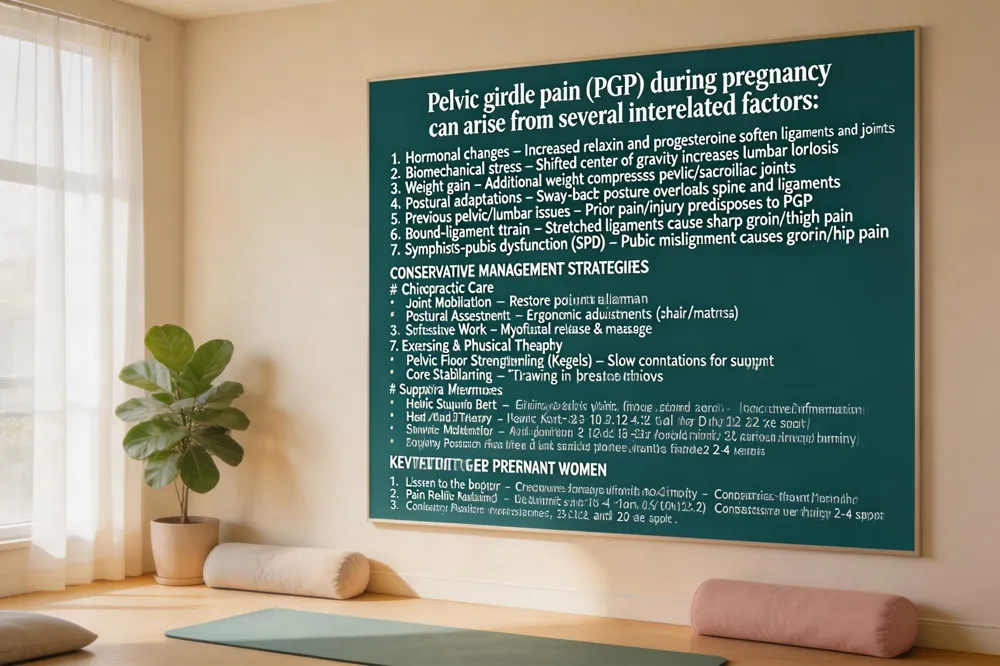 Pregnancy places unique stress on the pelvic ring, leading to conditions such as pelvic girdle pain (PGP), round‑ligament strain, and symphysis‑pubis dysfunction. These disorders stem from hormonal‑induced ligament laxity, extra weight, and altered biomechanics, and they can limit daily activities and affect labor outcomes.
Severe pelvic pain limiting walking during pregnancy – This is most often PGP or symphysis‑pubis dysfunction, caused by the extra weight and relaxin‑driven loosening of pelvic ligaments. While harmless to the baby, it can restrict mobility. Gentle, pregnancy‑safe movements, a supportive pelvic belt, and hip‑stabilizing exercises under a qualified therapist can reduce strain. Chiropractic assessment and the Webster Technique can improve alignment and teach safe posture.
Why does my pelvic floor hurt in the third trimester? – By the third trimester the pelvis bears significantly more weight and the growing fetus pushes the pelvic ring forward. Relaxin and progesterone further soften the sacroiliac and pubic ligaments, increasing joint mobility and stressing pelvic floor muscles. Ice, a pelvic belt, and gentle strengthening exercises help alleviate the discomfort.
Pelvic girdle pain – PGP is pain in the front or back of the pelvis caused by uneven joint movement. Triggers include walking, stairs, and rolling over. Early diagnosis and targeted care—supportive belts, specific exercises, and manual adjustments like the Webster Technique—can restore stability.
Pelvic pain during pregnancy exercises – Simple pelvic‑tilts, circles on a birthing ball, cat‑stretches, child’s pose variations, and wall mini‑squats performed 4‑5 times daily improve alignment and strengthen supporting muscles without over‑stretching.
Pelvic pain during pregnancy relief – Side‑lying with a pillow between the knees, prenatal massage, ice packs, compression belts, and guided pelvic floor exercises provide immediate symptom relief and support optimal fetal positioning.
Pelvic floor pregnancy physical therapy – Tailored therapy strengthens, relaxes, and coordinates the pelvic floor, reducing urinary leakage, low‑back pain, and risk of tearing during labor. Early intervention improves postpartum recovery.
Pelvic floor dysfunction during pregnancy – Hormonal ligament loosening and increased intra‑abdominal pressure can cause incontinence, pressure, and pain. Risk factors include age, obesity, and prior pelvic injury. Regular pelvic floor exercises, proper posture, and chiropractic care help maintain tone and reduce discomfort.
Pelvic floor pain pregnancy first trimester – Early‑trimester pain often reflects relaxin‑mediated ligament laxity. Gentle self‑care—supportive pillows, ice, and avoiding heavy lifting—relieves symptoms. Red‑flag signs (bleeding, fever, sharp pain) require immediate medical evaluation.
Pelvic floor injury childbirth – Vaginal delivery can stretch or tear pelvic floor muscles, leading to incontinence and prolapse. Prevention includes prenatal pelvic floor training and coached relaxation during labor; post‑injury care combines physical therapy and chiropractic adjustments to restore strength.
Signs of weak pelvic floor after childbirth – Symptoms include urinary leakage with cough, sneezing, pressure or bulge in the vagina, bowel incontinence, and lower‑back pain. Early pelvic floor evaluation and targeted therapy can restore function.
Prolapse after C‑section symptoms – Even after cesarean delivery, weakened pelvic support may cause a feeling of heaviness, a bulge at the vaginal opening, urinary urgency, or bowel changes. Evaluation and non‑invasive therapy or pessary placement can manage mild cases.
What is a prolapse in a woman? – Prolapse occurs when pelvic organs drop from their normal position due to weakened muscles and ligaments, producing pressure, bulging, and urinary or bowel symptoms. Management ranges from pelvic floor exercises to surgical repair, depending on severity.
Postpartum Recovery and Pelvic Floor Therapy
 After birth, many women experience pelvic‑floor weakness, urinary leakage, pressure or or low‑back pain. Early postpartum pelvic‑floor therapy focuses on gentle manual work, targeted strengthening, and education on bladder‑ and bowel‑training techniques to restore function. Chiropractic support after delivery, such as the Webster Technique, can realign the sacroiliac joints, reduce residual pelvic tension, and complement physical‑therapy exercises for a smoother recovery. Integrating chiropractic adjustments with a board‑certified physical therapist’s program creates a comprehensive, non‑invasive plan that addresses both musculoskeletal alignment and muscle weakness. If you notice symptoms like incontinence, prolapse bulge, or pelvic pain, seek evaluation promptly to begin personalized rehabilitation.
Practical Resources: Finding Care and Insurance
 Webster Technique chiropractor near me: Webster Technique Southeast Family Chiropractic in Gastonia, NC provides Webster Technique care to align the pelvis, relieve low‑back and sciatic pain, and aid fetal positioning. Call (704) 555‑1234 or book online.
Prenatal chiropractor near me: Our clinic offers pregnancy‑focused adjustments with phone scheduling.
Does insurance cover prenatal chiropractic?: Plans cover adjustments under CPT 98940‑98942 deductible; FSA/HSA may cover remaining cost. Verify benefits before visit.
Webster Technique Certification: The ICPA program trains chiropractors in sacral and pelvic adjustments for prenatal care and is listed in the ICPA “Find a Chiropractor” directory.
Conclusion and Next Steps
The Webster Technique offers gentle, low‑force adjustments that restore pelvic balance, reduce uterine tension, and relieve common pregnancy‑related back, hip and pelvic pain. By improving sacroiliac alignment it can help turn breech presentations, shorten labor, and lower the need for cesarean delivery, while supporting optimal fetal positioning. Expectant mothers should choose a practitioner who is certified through the International Chiropractic Pediatric Association and follows safe, pregnancy‑specific positioning. Southeast Family Chiropractic in Gastonia, NC, provides this evidence‑based care, offering flexible scheduling, insurance acceptance, and personalized wellness plans. Call (704) 555‑1234 or visit southeastfamilychiro.com to begin your prenatal health journey.