When Back Pain Persists
Persistent back pain can have several causes. Disc changes, pressure on spinal nerves, sciatica, and spinal stenosis are among the conditions a clinician may consider, but symptoms alone do not establish a diagnosis. The Cleveland Clinic’s overview of spinal decompression describes treatment choices as dependent on a person’s health history and the severity of the problem.
For some people, nonsurgical spinal decompression may be considered as part of care, but it is not a guaranteed solution or the right choice for everyone. At southeastchiro.com, chiropractic and rehabilitative care is presented as personalized and non-invasive, with the approach guided by the individual’s needs. Evaluation, the limits of the available evidence, safety, and other treatment options all matter when deciding what to try.
What Nonsurgical Decompression Means
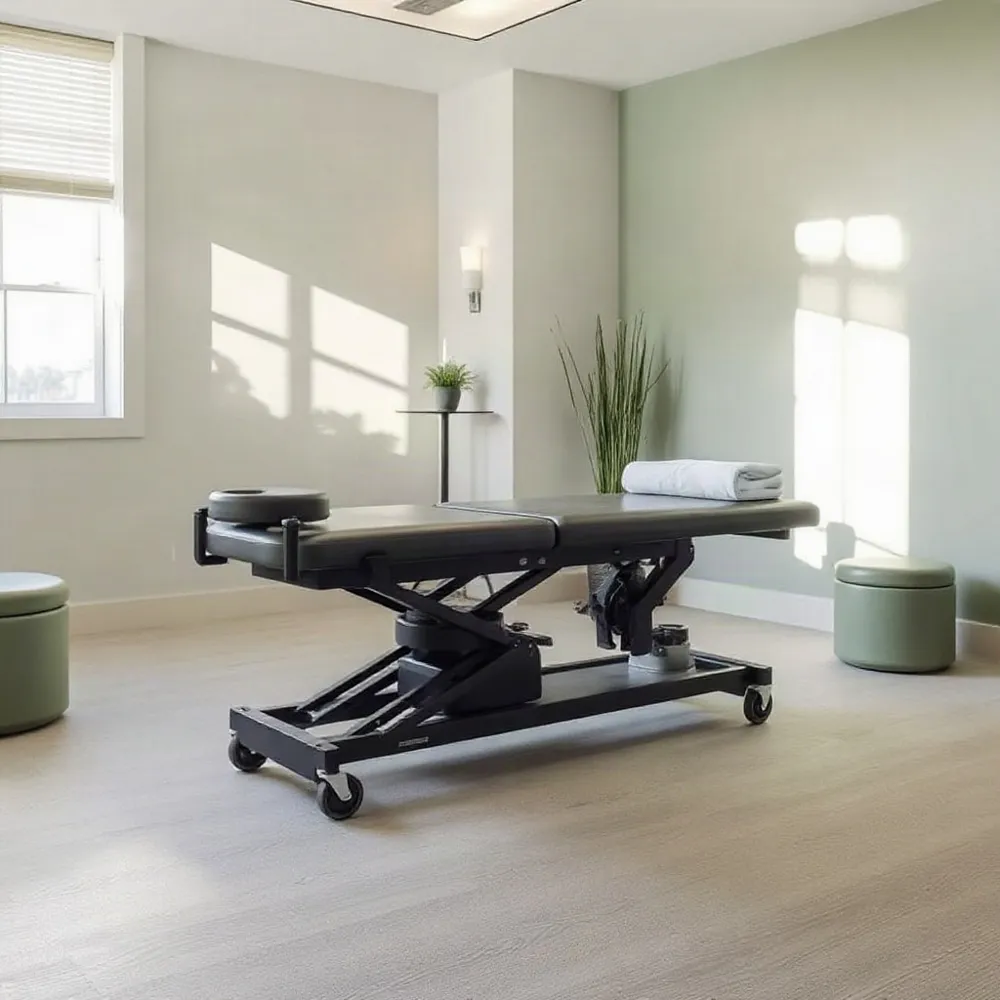 Nonsurgical spinal decompression is a form of motorized traction intended to reduce pressure on spinal nerves and nearby structures. It differs from surgical decompression, which may involve removing or changing tissue. The term “spinal decompression” can refer to both surgical and nonsurgical treatments, so it helps to clarify which approach is being discussed with a provider. Cleveland Clinic’s overview of spinal decompression describes this range of treatments.
During machine-based decompression, a person lies on a treatment table and is often secured with harnesses around the pelvis and upper body. The table applies controlled pulling and relaxation cycles, a form of intermittent traction. The treatment aims to change pressure around spinal discs and nearby nerves. Some proposed explanations suggest this may shift disc material or support healing, but those effects should not be treated as established outcomes.
Decompression may be considered for some people with disc-related back or neck pain or sciatica, but the cause of symptoms and a person’s health history matter. Chiropractic adjustments are a different approach, focused on spinal joints and movement rather than machine-based traction. At southeastchiro.com, care includes chiropractic adjustments and rehabilitative treatments, with an individual assessment helping guide which approach may fit.
What Research Can and Cannot Show
 Research on nonsurgical spinal decompression offers some encouraging findings, but it does not show that the treatment works reliably for everyone or is better than other care. A 2007 debate article reviewing studies published through September 2006 found limited evidence and significant weaknesses in much of the research. It also noted that decompression had not been adequately compared with options such as exercise, spinal manipulation, or standard medical care. Because the paper was not a formal systematic review and covered older studies, its conclusions should be read in that context. The 2007 review
A 2022 randomized trial provides more recent, but still limited, evidence. Among 60 adults with lumbar radiculopathy, participants who received decompression alongside physical therapy improved more on several measures after four weeks than those receiving physical therapy alone. The trial was small, the decompression group received additional treatment time, and researchers did not follow participants after treatment ended. It therefore cannot establish lasting benefit, results for other diagnoses, or that decompression prevents surgery. The 2022 trial
Results from one device, patient position, or treatment protocol may not apply to another. Improvement reported in a study is not proof that decompression caused it, especially when other care was provided or there was no comparison group.
At Southeast Family Chiropractic, information about spinal decompression can help frame a discussion, not replace an individual assessment. Ask how the evidence relates to your diagnosis, what alternatives are reasonable, how progress will be measured, and when the plan should be reconsidered.
Who Needs an Individual Assessment
Spinal decompression may be considered for some people with persistent back or neck pain, or pain that travels into an arm or leg, when assessment suggests a suitable spinal cause, such as a disc-related problem. The symptoms and likely cause matter: a general label like sciatica does not by itself show that decompression is appropriate.
A clinician may review when symptoms began, where they spread, your health and surgical history, and findings from a physical examination. Imaging or other tests may help when appropriate, but a scan finding alone does not prove what is causing pain or establish candidacy. Treatment decisions should reflect the whole clinical picture, as described in the Cleveland Clinic’s overview of spinal decompression.
Pregnancy, a fracture, spinal instability, significant osteoporosis, a tumor or infection, and spinal implants or prior fusion may make treatment unsuitable or call for further evaluation. This is not a complete screening list. People with previous spinal procedures, blood-thinner use, or other significant health conditions should disclose them and discuss their suitability with a healthcare provider.
At Southeast Family Chiropractic in Gastonia, an individualized approach to spinal health also includes chiropractic adjustments and rehabilitative treatments. Assessment can help determine whether decompression or another option better fits a person’s symptoms and health history.
Risks and Warning Signs
 Is spinal decompression therapy safe, and what side effects or risks can it have? Safety depends on the person and the treatment. Nonsurgical decompression should not be assumed to be risk-free, and some alternative therapies may not help. Discuss your health history and concerns with a healthcare provider before treatment, as the Cleveland Clinic’s guidance on spinal decompression notes.
Temporary soreness or a flare in pain may occur. A 2007 review described one case in which a disc protrusion worsened during decompression and urgent surgery was needed. This single report cannot show how often such events happen, but it is a reason not to dismiss worsening symptoms. The review also cautioned that the evidence available at the time was limited, so its findings are not a measure of current complication rates.
Tell your provider promptly if pain increases or new numbness, tingling, or weakness develops during or after treatment. The provider may pause care and reassess whether the approach is suitable. At Southeast Family Chiropractic, treatment is part of a broader, personalized approach to chiropractic and rehabilitative care, rather than a guarantee that one therapy will suit every patient.
Loss of bowel or bladder control requires emergency medical evaluation. Do not wait for a routine appointment or continue a treatment session if this occurs.
Possible Benefits and Realistic Expectations
Some people may have less pain or find daily activities easier after nonsurgical spinal decompression, but outcomes vary. The treatment avoids an operation, yet that does not mean it works for every cause of back pain or is suitable for every patient.
Research offers limited guidance on who is most likely to benefit. A 2022 trial found greater short-term improvement in several measures when decompression was added to physical therapy for a selected group with lumbar radiculopathy, but it did not establish lasting benefit or results for everyone with back pain. A review of earlier research also described important limits in the evidence. At southeastchiro.com, care includes chiropractic and rehabilitative options, with treatment choices grounded in an individual assessment rather than assuming decompression is the answer.
How long relief lasts is not established, and decompression should not be viewed as a permanent fix. Symptoms may return, and the treatment cannot be assumed to correct every degenerative change. A clinician can discuss what improvement is realistic and how progress should be monitored.
A care plan may include physical therapy, exercises, acupuncture, traction, TENS, or other approaches, depending on the cause of symptoms and a person’s health history. The Cleveland Clinic’s overview of spinal decompression describes several nonsurgical options and advises discussing treatment choices with a healthcare provider. Ask about likely benefits, drawbacks, alternatives, and when the plan should be reassessed.
Sessions and Nonsurgical Options
What happens during a spinal decompression session, and what equipment is used?
In a machine-based nonsurgical session, you generally lie on a specialized table and may be secured with harnesses around the pelvis or upper body. The table applies controlled cycles of traction and release. Equipment and settings vary, so the provider should explain the process and how it will be adjusted for your comfort and needs.
There is no single session schedule established for everyone, and treatment should not be assumed to be painless. Tell the provider if you feel discomfort or if symptoms worsen so they can pause, adjust, or reassess the plan. At Southeast Family Chiropractic, decompression can be considered within a broader approach to spinal health and rehabilitation, based on an individual assessment.
Can spinal decompression be done without surgery, and are there safe exercises or at-home methods?
Yes. Nonsurgical options for back pain include physical therapy, chiropractic care, acupuncture, traction, and TENS. The right choice depends on the suspected cause of pain and a person’s health history, as the Cleveland Clinic’s overview of spinal decompression and related care explains. These approaches are not suitable or effective for everyone.
Acute back pain often improves on its own; rest, pain relievers, or hot and cold packs may help during recovery. There is no single exercise or at-home traction method that is safe for every person. Ask a healthcare professional what movement or exercises fit your symptoms, and stop and seek advice if they make pain worse.
Costs and Coverage Questions
How much does nonsurgical spinal decompression therapy cost, and may insurance cover it? The supplied sources do not establish a standard price. Your total may depend on the initial evaluation, the number of visits recommended, and whether other services are included.
Before starting care, ask the clinic for an itemized estimate. Clarify which services are included, whether costs could change if the plan is adjusted, and what you would owe if insurance does not pay. At Southeast Family Chiropractic, ask the practice directly for current pricing and what its proposed care plan includes, rather than relying on prices listed by other clinics.
Coverage varies by insurer and plan, so confirm benefits with your insurance company and the clinic before treatment. Ask whether the service is covered, if authorization or a referral is needed, and what deductibles, copayments, or other out-of-pocket costs may apply. Do not assume a particular treatment is covered or excluded without checking your policy.
A Care Plan Built Around You
Persistent or worsening back pain deserves an assessment, not an automatic recommendation for one treatment. A healthcare professional can consider your symptoms, health history, and examination findings to help identify suitable options. As the Cleveland Clinic explains, care may begin with less invasive approaches, with choices shaped by individual circumstances.
At Southeast Family Chiropractic in Gastonia, care includes chiropractic and rehabilitative options, with recommendations tailored to a patient’s needs. Before starting treatment, ask what may be causing your symptoms, what evidence supports the proposed approach, what risks and alternatives apply, and what it may cost. Agree on how progress will be assessed, and revisit the plan if symptoms worsen or treatment is not helping.