
Understanding Back Pain After an Accident
Back pain is one of the most common complaints following a motor vehicle collision. Around six million car accidents occur in the US each year, and a significant portion of those injured develop persistent spinal discomfort.
This guide focuses on non-invasive, drug-free recovery through chiropractic care and the importance of early intervention after an accident. Prompt evaluation can prevent minor injuries from turning into long-term problems.
The following sections cover the causes of post-accident back pain, effective treatment options, and realistic recovery timelines so you know what to expect on the road to healing.
Common Causes of Post-Accident Back Pain
 The sudden force of a collision can twist the spine, stretch muscles and ligaments beyond their normal limits, and compress or displace the discs that cushion the vertebrae. These mechanisms produce several distinct injuries, each with its own set of symptoms and recovery needs.
A 2023 study found that lumbar strains were 10 times more common than any other lower back injury after a collision. Herniated discs occur when the inner gel of a spinal disc pushes through a tear in its outer layer, pressing on nearby nerves and causing sharp pain that may radiate into the legs. Sciatica often follows when an injury compresses or irritates the sciatic nerve.
Symptoms can be delayed because adrenaline and shock mask pain immediately after a crash. Inflammation increases over the following days, making injuries like herniated discs or whiplash more noticeable. Pain can appear in the neck (cervical spine), middle back (thoracic spine), or lower back (lumbar spine), depending on which part of the spine absorbed the most force.
The Role of Chiropractic Care in Recovery
Chiropractic care offers a non-surgical, drug-free path to recovery by focusing on the spine and nervous system. After an accident, the sudden force can knock vertebrae out of alignment, putting pressure on nerves and causing inflammation. A chiropractor addresses this at the source.
How Spinal Adjustments Work
The core technique is the spinal adjustment — a precise, controlled movement applied to a misaligned vertebra to guide it back into its proper position. This correction eases nerve pressure and irritation, which in turn reduces inflammation, alleviates pain, and restores normal mobility. Rather than just masking symptoms with medication, adjustments help the body heal itself.
A Complete Treatment Plan
Recovery involves more than adjustments alone. Chiropractors often combine spinal work with complementary therapies like soft tissue therapy (to relax tight muscles and break up scar tissue), rehabilitative exercises (to strengthen supporting muscles), and ergonomic advice for daily activities. This whole-person approach treats the root cause of pain instead of temporarily covering it up.
Southeast Chiropractic uses this integrated model — spinal alignment combined with targeted therapies and patient education — to support long-term recovery without relying on painkillers or invasive procedures.
Your First Chiropractic Visit After an Accident
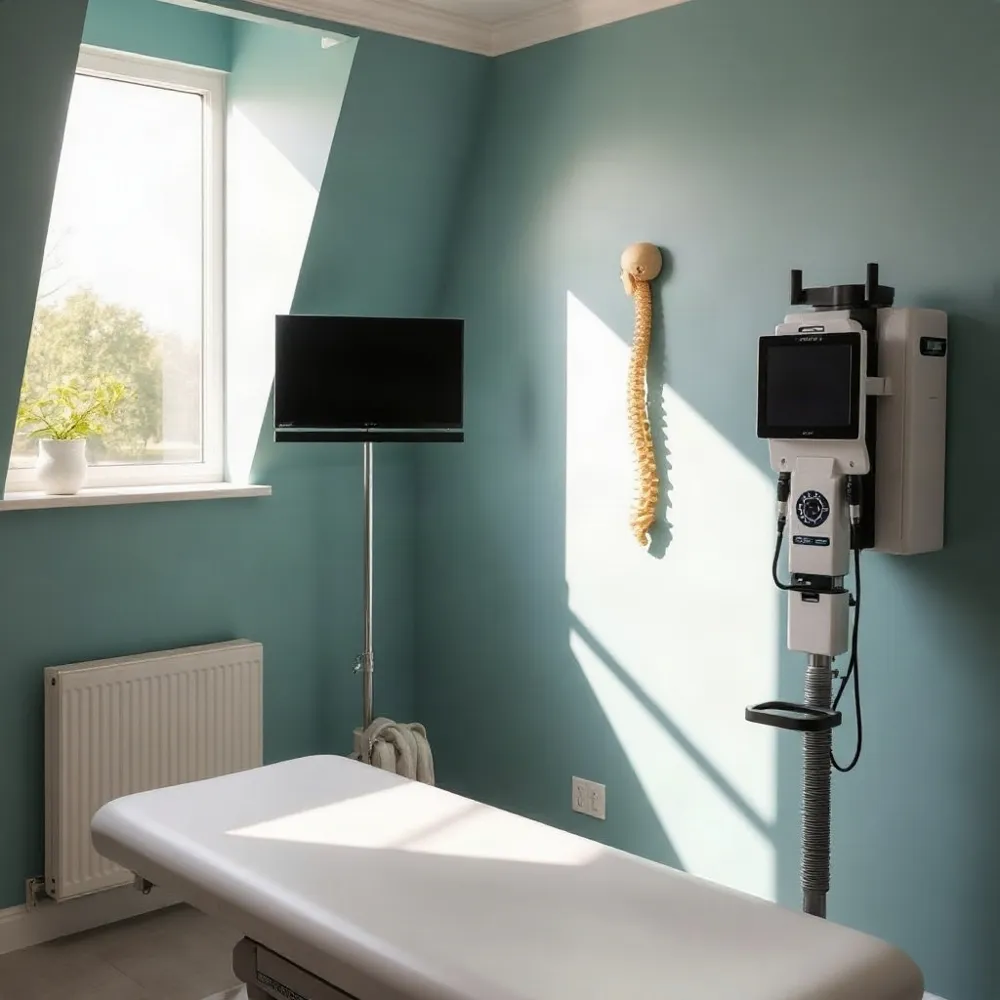 The first visit to a chiropractor after a car accident is a structured process designed to uncover injuries that may not be immediately obvious. The appointment typically lasts 30 to 60 minutes and begins with a detailed conversation about how the accident happened, the symptoms you are experiencing, and your personal health history.
During the initial consultation, the chiropractor will ask about the location and type of pain, any prior treatments you have received, and any pre-existing conditions that may affect your recovery. This history helps shape a safe and effective care plan tailored to your specific injuries.
Physical Examination and Posture Analysis
After the consultation, the chiropractor performs a thorough physical examination that includes posture analysis, range-of-motion tests, and orthopedic and neurological assessments. These tests help identify areas of the spine that are misaligned or restricted, as well as any muscle tension or nerve irritation that may have resulted from the collision.
Diagnostic Imaging
If the examination reveals potential fractures, disc herniation, or other structural damage, the chiropractor may order diagnostic imaging such as X-rays, MRIs, or CT scans. While a whiplash injury itself does not show on standard imaging, these tests can rule out other serious conditions and provide a clearer picture of the spine's condition.
Personalized Treatment and Documentation
Based on the findings, the chiropractor develops a personalized treatment plan that may include spinal adjustments, soft tissue therapy, and rehabilitative exercises. The plan also addresses lifestyle and ergonomic factors to support long-term healing.
Accurate medical documentation is a standard part of the first visit. The chiropractor records your history, examination results, and diagnoses, which become important for insurance claims and legal proceedings. This paperwork should be detailed and reflect the clinical findings without overstating causation.
For patients receiving care at southeastchiro.com, the first visit follows this same comprehensive process. The practice emphasizes early evaluation after an accident, even if symptoms are mild, to detect hidden injuries and begin appropriate care within the recommended 24-to-72-hour window.
Insurance and Legal Considerations
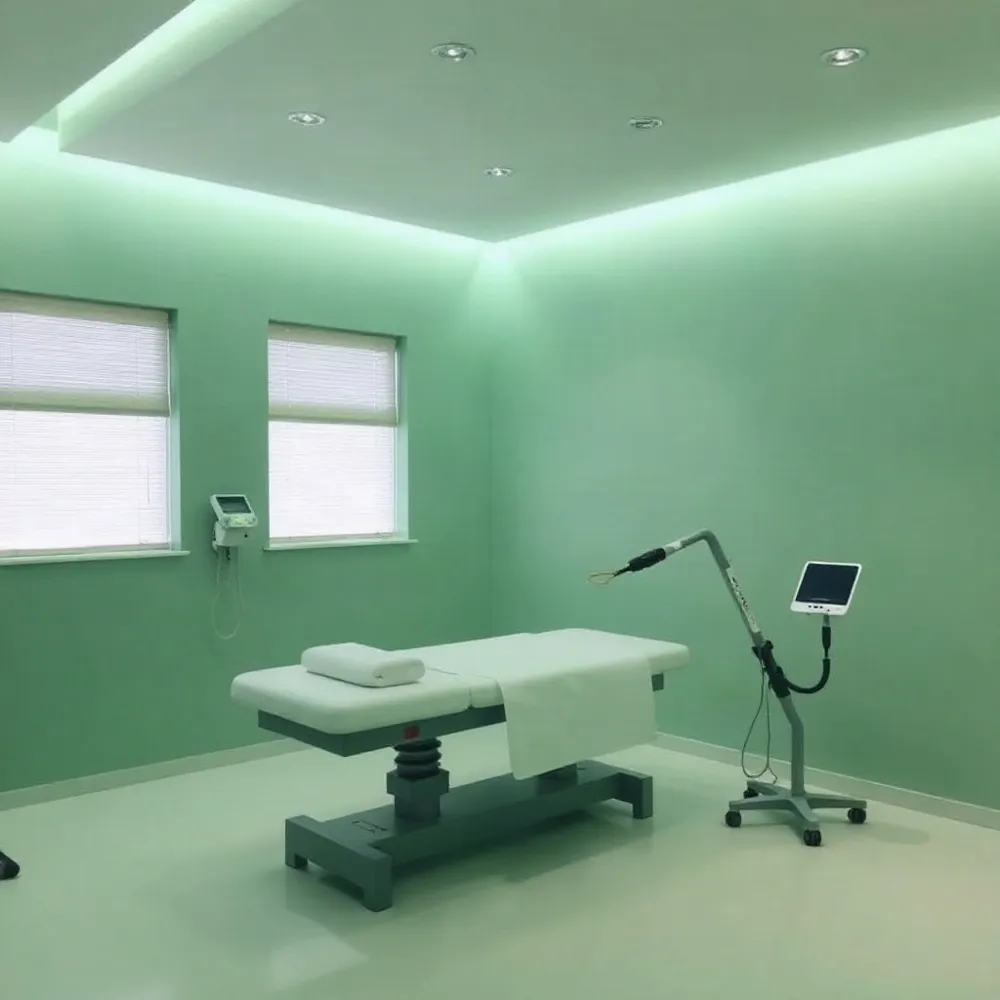 Most auto insurance policies include Personal Injury Protection (PIP) or Medical Payments (MedPay) coverage, both of which typically cover chiropractic care regardless of fault. PIP pays for medical expenses, lost wages, and related costs up to your policy limit, making it a primary source of coverage for chiropractic visits after a crash. MedPay functions similarly but only covers medical bills.
State laws often impose strict time limits for seeking care to maintain insurance eligibility. In Florida, for example, you have only 14 days after an accident to receive treatment and qualify for PIP benefits. Failing to see a chiropractor within this window can jeopardize your ability to get coverage. Even in states without a fixed deadline, prompt care — ideally within 72 hours — helps document injuries like whiplash and spinal misalignment that might otherwise go unnoticed.
Chiropractic visits create objective medical records that strengthen injury claims. A detailed history, physical exam findings, and any diagnostic imaging establish a clear link between the accident and your condition. Insurers and adjusters rely on this documentation to evaluate claims, so thorough records from the start can protect your right to fair compensation. Southeast Chiropractic provides meticulous documentation as part of its evaluation process.
Many chiropractic clinics work directly with attorneys and accept medical liens, allowing you to receive care without upfront payment. A medical lien defers payment until your case settles, so you can focus on recovery rather than bills. If you choose this route, bring your photo ID, insurance information, accident details, and any prior imaging or reports to your first appointment. This paperwork helps the clinic coordinate care and ensure all relevant injuries are captured in your records.
Seeking chiropractic care before consulting an attorney can be beneficial. Early evaluation documents injuries while they are fresh, creating stronger evidence for your claim. After an accident, visiting Southeast Chiropractic as soon as possible helps ensure both your health needs and legal documentation are addressed.
Treatment Techniques for Back Pain Relief
A well-rounded approach to back pain after a car accident addresses not just the symptoms but the underlying structural and soft-tissue damage. Chiropractors commonly combine several techniques that evolve as the patient moves through the acute, subacute, and recovery phases.
Primary Chiropractic Techniques
The core of chiropractic care for auto accident injuries is the spinal adjustment, a precise movement applied to vertebrae that have been knocked out of alignment. Correcting these misalignments eases pressure on nerves, reduces inflammation, and can improve mobility. Spinal decompression, often performed with a specialized table, gently stretches the spine to create negative pressure between vertebrae, which may help retract bulging discs. Mobilization uses slower, gentler movements to increase range of motion in stiff joints without the high-velocity thrust of a standard adjustment. These techniques are often the starting point for acute care, applied as soon as the initial inflammation is manageable.
Soft Tissue Therapies
Car accidents frequently damage muscles, ligaments, and fascia — not just bones and discs. Soft tissue therapies address these injuries directly. Massage therapy relaxes tight muscles and improves circulation to promote healing. Myofascial release targets the connective tissue that surrounds muscles, relieving restrictions that can cause referred pain. Trigger point therapy focuses on hyperirritable knots in muscle fibers that produce local and radiating pain. These manual techniques are often paired with adjustments in a comprehensive recovery plan. At southeastchiro.com, the treatment approach integrates these specialized soft tissue methods alongside spinal adjustments to address the full scope of injury from a collision.
Rehabilitation Exercises
While adjustments and soft tissue work provide immediate relief, long-term stability depends on strengthening the muscles that support the spine. A 2020 review found that individuals recovering from low back pain after a car accident are 2.7 times more likely to experience recurrence, making rehabilitation a critical preventive step. Core stabilization exercises, such as bridges and planks, build endurance in the deep abdominal and back muscles. Strength training targets the larger muscles of the back and legs to improve overall spinal support. Stretching for the hamstrings, hip flexors, and chest helps maintain balanced posture. A chiropractor will prescribe a progression of these exercises based on the patient's stage of healing, starting with gentle range-of-motion work and advancing to loaded movements.
Other Modalities
Chiropractors can supplement manual techniques with therapeutic modalities that speed recovery. Cold laser therapy (also called low-level laser therapy) uses light energy to reduce inflammation and stimulate cellular repair at the site of tissue damage. Ultrasound delivers deep heat to relax muscles and break up scar tissue. Electrical stimulation, including the use of a TENS unit, sends mild electrical pulses to block pain signals and reduce muscle spasms. These modalities are typically applied in the first few weeks after injury, when inflammation and muscle guarding are at their peak, and can be especially helpful for patients who cannot tolerate manual pressure in the acute phase.
Personalized and Adaptive Care Plans
No two auto accident injuries are identical. An effective treatment plan accounts for the specific structures injured, the severity of the crash, the patient's age and general health, and how symptoms evolve over time. The chiropractor reassesses regularly, shifting from passive therapies (adjustments, modalities) toward active rehabilitation as the patient heals. This staged approach prevents the common trap of becoming dependent on passive care and instead builds the strength and mobility needed to return to normal activities.
| Technique | Primary Function | Typical Application |
|---|---|---|
| Spinal Adjustment | Realign vertebrae, reduce nerve pressure | Acute and recovery phases; frequent early on |
| Spinal Decompression | Retract bulging discs, relieve nerve root pressure | For herniated or bulging discs |
| Mobilization | Gentle joint movement to improve range of motion | When high-velocity adjustments are not safe |
| Massage / Myofascial Release | Relax tight muscles, improve circulation | Alongside adjustments, early to mid recovery |
| Trigger Point Therapy | Release hyperirritable muscle knots | For localized, radiating pain |
| Rehab Exercises | Strengthen core, improve spinal stability | Mid to late recovery; ongoing prevention |
| Cold Laser / US / TENS | Reduce inflammation, relax muscles, block pain | Acute phase and as needed for flare-ups |
Whiplash: Recovery and Home Care
Whiplash, medically referred to as Whiplash Associated Disorder (WAD), is one of the most common injuries from a car accident. It occurs when the head and neck are thrown rapidly backward and then forward, straining the soft tissues, joints, and nerves of the cervical spine. Symptoms often include neck pain, stiffness, headaches, and pain that radiates into the shoulders and arms. Many people notice these symptoms hours or even days after the accident, as adrenaline initially masks the pain.
Recovery timelines vary by injury severity. Mild whiplash strains often resolve within two to four weeks, while cases involving nerve irritation or ligament damage can take 10 to 12 weeks or longer. A 2020 review found that people with whiplash are more likely to experience recurring pain if the initial injury is not managed properly. Early, active treatment from a chiropractor can reduce recovery time and help prevent chronic symptoms.
Home Care and Safe Exercises
In the first 48 to 72 hours, applying an ice pack to the neck for 15 to 20 minutes at a time helps reduce swelling and pain. After this acute phase, moist heat from a warm shower or heating pad relaxes tight muscles and improves circulation before gentle movement. The goals of treatment are to control pain, restore range of motion, and return to regular activities.
Safe exercises to perform at home include chin tucks, slow neck rotations from side to side, and shoulder rolls. These movements should be done gently every one to two hours to promote blood flow and prevent stiffness. Research advises an active approach over immobilization: prolonged use of a soft cervical collar is now discouraged because it can weaken muscles and delay recovery. Some experts recommend using a collar for no more than three hours a day for a few weeks at most.
If your symptoms include radiating pain, numbness, dizziness, or a feeling that your head is too heavy for your neck to support, seek professional evaluation right away. A chiropractor can diagnose the specific grade of whiplash and create a personalized treatment plan that combines spinal adjustments, soft tissue therapy, and rehabilitative exercises to restore strength, confidence, and mobility.
Special Considerations for Seniors
Older adults face distinct challenges after a car accident. Pre-existing conditions such as arthritis or osteoporosis, reduced bone density, and naturally longer healing times can turn a manageable injury into a complex recovery. What might cause a minor back strain in a younger person can lead to a vertebral fracture or prolonged nerve compression in a senior. Recognizing these vulnerabilities is the first step toward a safe, effective recovery plan.
Chiropractic care offers a gentle, non-invasive path for seniors that avoids the risks of surgery and the side effects of pain medications. At southeastchiro.com, practitioners use low-force spinal adjustments and specialized soft-tissue therapies to restore mobility, reduce inflammation, and relieve nerve compression without putting additional stress on fragile structures. This approach is especially valuable for older adults whose bodies may not tolerate aggressive interventions.
Early intervention is critical for seniors. Addressing injuries within days of an accident can prevent chronic pain and mobility loss that might otherwise threaten independence. A chiropractor's thorough evaluation and documentation also serve an important secondary purpose: they create a clear medical record that supports insurance claims or legal cases, which is especially helpful when accident-related symptoms are slow to manifest. By prioritizing the body's natural healing processes, chiropractic care helps seniors regain function and quality of life after an accident.
Long-Term Recovery and Prevention
Recovery from a car accident does not end when the initial pain subsides. True healing involves rebuilding strength, correcting posture, and addressing lifestyle habits that can either support or undermine spinal health.
A 2020 review found that people who experience low back pain from a car accident are 2.7 times more likely to have recurrent pain. This risk highlights why active self-care and professional guidance matter even after symptoms fade.
Staying active with low-impact activities such as walking and swimming helps maintain muscle strength and circulation. A balanced diet that includes anti-inflammatory foods, adequate sleep, and stress management techniques like mindfulness or deep breathing also play a role in reducing the likelihood of flare-ups.
Ergonomic adjustments at home and work can prevent re-injury. Simple changes like using a supportive chair, positioning computer monitors at eye level, and sleeping on a proper pillow help the spine maintain good alignment throughout the day.
Untreated accident injuries can lead to chronic conditions. A car accident can directly cause spinal stenosis by herniating discs, fracturing vertebrae, or accelerating the degeneration of pre-existing asymptomatic conditions, narrowing the spinal canal and compressing nerves.
Chiropractors at practices like southeastchiro.com provide guidance on long-term wellness strategies, including continued exercise progressions, posture correction, and lifestyle recommendations tailored to each patient's recovery stage. This proactive approach helps patients return to normal activities and avoid the setback of chronic pain.
Taking the Next Step Toward Pain-Free Living
Chiropractic care offers a non-invasive, personalized path to recovery that addresses the root cause of pain rather than masking symptoms. Because auto accident injuries can take hours or days to surface, early evaluation with a provider like southeastchiro helps prevent minor strains from becoming chronic conditions.
Taking control of your recovery starts with a single step. Schedule a consultation, commit to a personalized treatment plan, and restore your quality of life through natural healing.