A Measured Approach to Back Support
Can Pilates help build core stability and support the back? Research suggests it may be a useful form of exercise for some people, but the answer depends on what is measured and who is participating. A trial in adults with subacute, nonspecific low back pain found greater improvements in pain and daily function after supervised Pilates than after a home exercise program, though its findings do not apply to every back condition. The trial offers evidence for one specific group, not a universal prescription.
Other research measures outcomes such as trunk endurance or standing balance, which can indicate changes in physical capacity but do not prove that Pilates prevents or treats spinal disorders. For example, a study of young adults recovering from COVID-19 found improvements in several endurance and balance measures, but it did not test back-pain relief. Those results should be read within that narrow context.
Pilates is best considered a possible conditioning option, not a guaranteed cure or substitute for individualized care. At Southeast Family Chiropractic in Gastonia, exercise guidance sits alongside personalized chiropractic and rehabilitative care, rather than replacing an assessment of a person’s symptoms. The sections ahead distinguish evidence about endurance, balance, pain, and function from broader claims about back health.
How Pilates Coordinates Movement
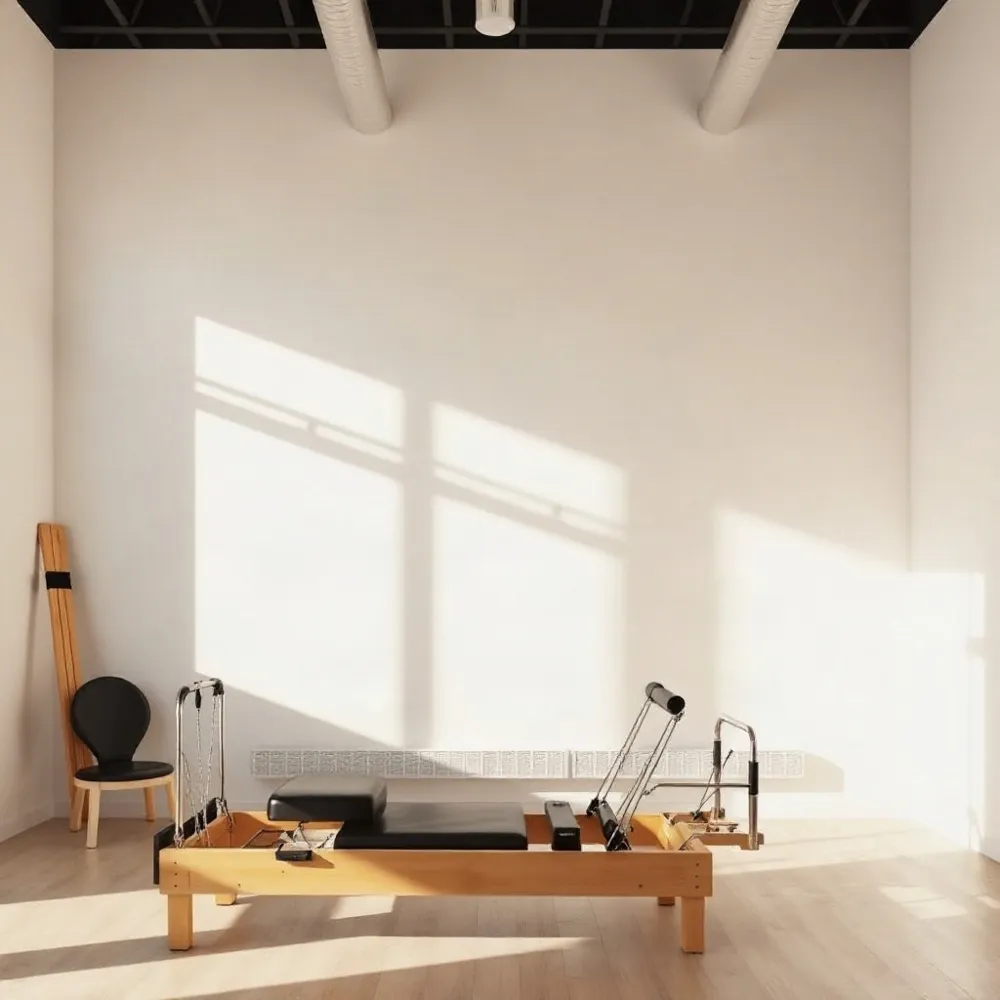
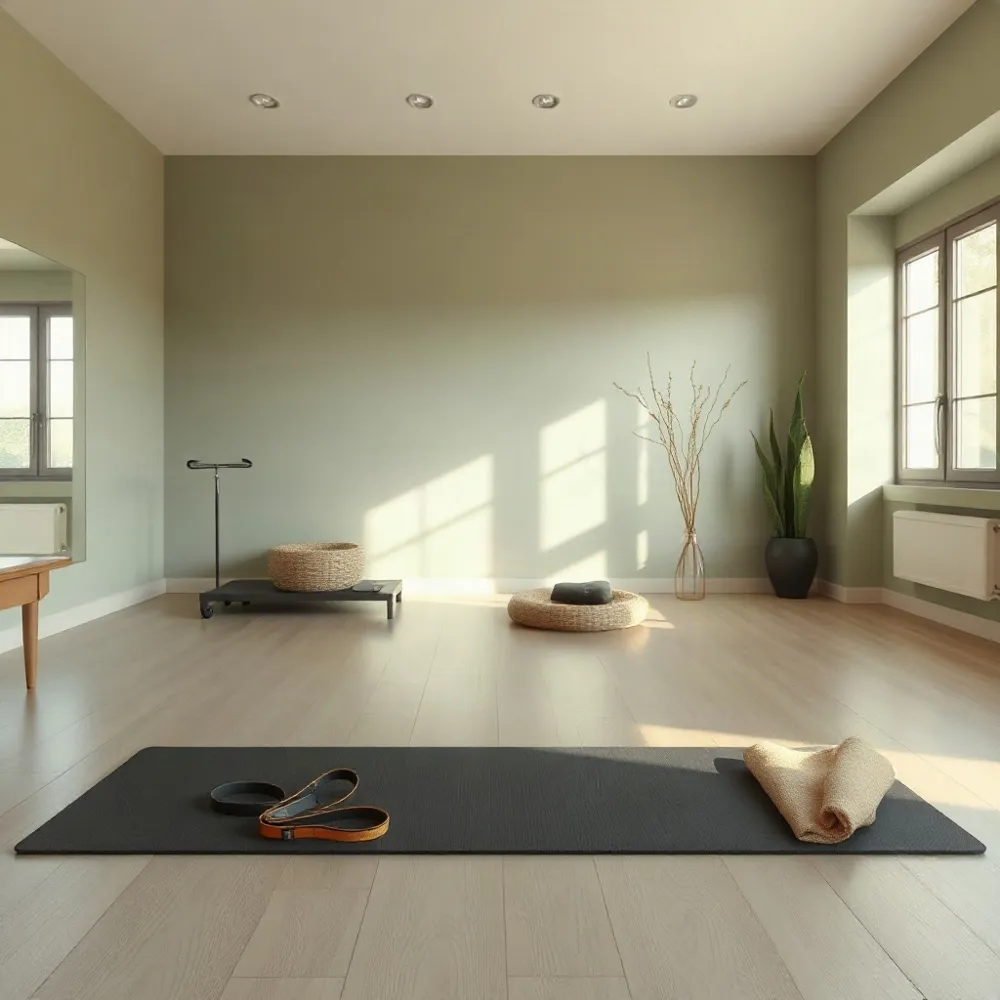 Pilates is a low-impact exercise method built around controlled movement, breathing, posture, and coordination. Exercises can be performed on a mat or with equipment that provides resistance and support. Rather than relying on speed or repeated effort, the practice asks you to move with attention to how your body is positioned. Pilates can be adapted for different experience levels, but a movement that suits one person may not suit another.
The core is more than the visible abdominal muscles. Deep abdominal and back muscles, the pelvic floor, and breathing muscles all contribute to trunk control. Pilates aims to coordinate these areas as the arms and legs move, while attention to alignment may help build body awareness, balance, flexibility, and muscular endurance. These are exercise goals, not proof that Pilates will prevent or resolve a back problem.
For people managing symptoms or a health condition, exercise selection and range of motion may need adjustment. Southeast Family Chiropractic in Gastonia offers rehabilitative treatments as part of its personalized approach to care; its Pilates and spinal stability guidance discusses how exercise may complement attention to spinal health. If pain or limitations affect movement, ask a qualified healthcare professional about suitable modifications before starting.
What Research Says About Back Pain
Research on Pilates for lower back pain suggests it may help, but results depend on what it is compared with and which outcomes researchers measure. A Cochrane review of 10 trials involving 510 people with chronic, nonspecific low back pain found Pilates was probably more effective than minimal intervention for pain and disability in the short and intermediate term. The evidence quality ranged from low to moderate, and the review found no conclusive evidence that Pilates outperformed other exercise programs. Preference and cost may therefore help guide the choice of activity. Cochrane’s review of Pilates for low back pain
A more recent randomized trial examined 66 adults with nonspecific subacute low back pain, lasting six to 12 weeks. Participants received either supervised Pilates or a home exercise program for eight weeks. Both groups improved, but the Pilates group had greater reductions in pain and functional disability after treatment and at the three-month follow-up. The subacute low back pain trial
The trial also reported greater improvement in some quality-of-life areas, including physical function and general health, while other areas did not differ significantly between groups. Its small sample, reliance on participants’ own reports, and limited follow-up make the findings useful but not definitive. The study does not show that one exercise program is best for everyone or that Pilates replaces an individualized assessment.
For people in Gastonia considering exercise alongside care, Southeast Family Chiropractic provides chiropractic adjustments and rehabilitative treatments as part of its patient-focused approach. A clinician can help consider whether Pilates fits a person’s symptoms and how movement may be adapted, rather than assuming the same program suits every back.
What Core Stability Trials Actually Measure
A trial can show changes in selected measures of trunk performance without establishing that a person’s back is healthy or that back pain will improve. That distinction matters when interpreting exercise research and deciding whether an individual needs assessment, such as the personalized care offered at southeastchiro.com.
One randomized trial studied 145 non-athletic university students recovering from mild-to-moderate COVID-19. Both groups followed a home exercise program; one group also took part in supervised Pilates three times a week for 12 weeks. The participants were young adults, so the findings may not represent older people or those with existing back conditions. The trial report describes the program and its limits.
Researchers assessed endurance with timed abdominal-fatigue, prone-plank, back-extension, and side-plank tests. These record how long participants can hold specific positions. Standing trials on a force platform measured sway, an indicator of static balance, rather than a direct measure of spinal health.
Both groups improved on the endurance tests, but gains were greater in the Pilates group across all of them. Several balance measures also favored Pilates, though not every comparison was statistically significant. These results suggest improved performance on the tests, not proof that Pilates prevents or treats back pain.
The trial could not blind participants, assessed only selected aspects of core stability, and did not check whether benefits lasted after training stopped. Its post-COVID student sample also differs from chiropractic patients and people with back conditions. At southeastchiro.com, exercise decisions can sit within a broader, individualized approach to spinal health rather than relying on a fitness test alone.
Adapt Movement to Symptoms and Ability
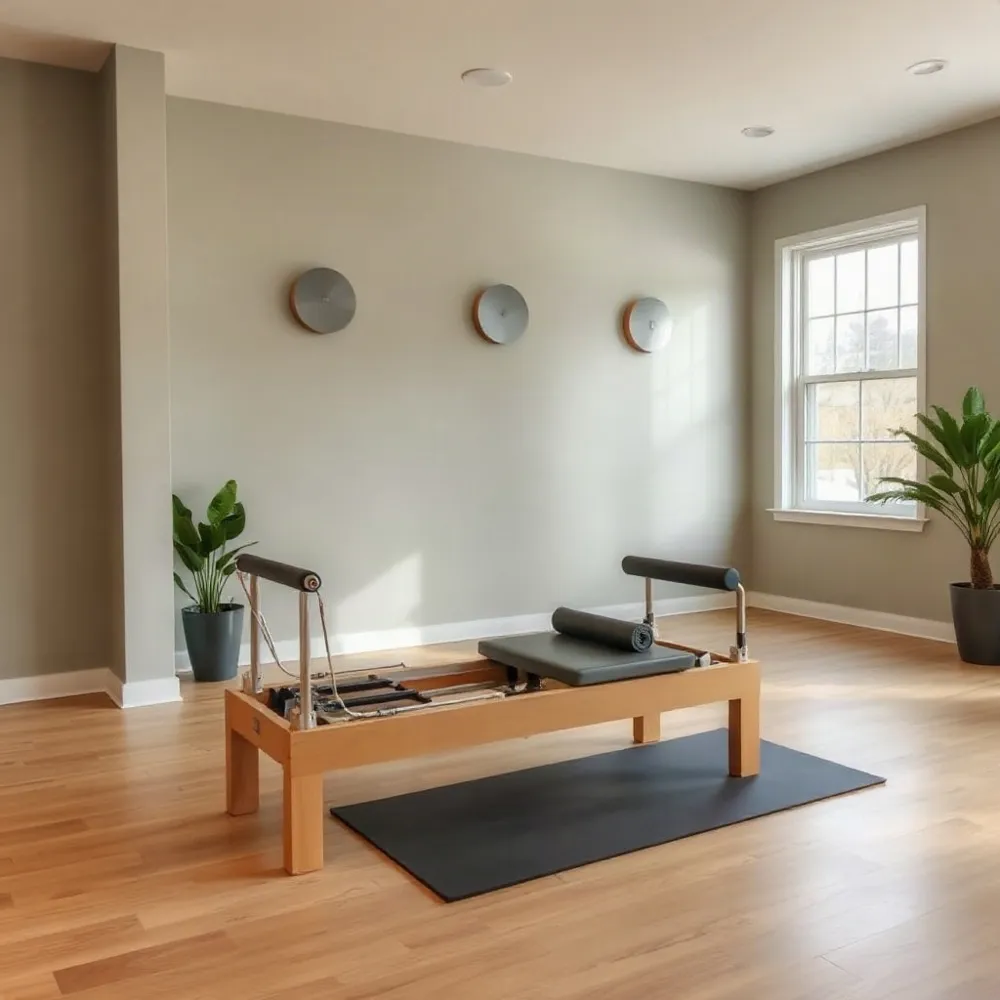 Pilates may suit some people with back pain or sciatica, but low-impact and adaptable does not mean every movement is right for everyone. The cause and pattern of symptoms matter. In a trial of adults with subacute, nonspecific low back pain, supervised Pilates improved pain and disability, but the findings do not establish it as a universal treatment or apply to every cause of back pain. The study excluded people with specific causes of pain and conditions that made exercise unsafe.
A movement that feels manageable for one person may aggravate another, especially when pain travels down a leg. Stop rather than push through sharp or worsening pain, tingling, numbness, or radiating symptoms. New leg weakness or loss of bladder or bowel control calls for prompt medical care. At Southeast Family Chiropractic in Gastonia, care includes personalized chiropractic and rehabilitative treatment, so exercise choices can be discussed in the context of an individual’s symptoms.
Deep or repeated spinal bending, twisting, and combined bending with rotation may need adjustment if they are uncomfortable or difficult to control. Full roll-ups, deep spinal stretches, and large-range single- or double-leg movements are examples to assess, not exercises that are universally unsafe for anyone with a disc bulge. Advanced or high-load moves may also need modification if maintaining a comfortable, steady spine becomes difficult.
Start with a comfortable range and controlled movement, then progress only as symptoms allow. A qualified instructor or healthcare professional can help select suitable exercises and modifications. For persistent or worsening symptoms, or when the cause is unclear, seek professional guidance before starting or changing an exercise routine.
Start With Supported, Controlled Exercises
Beginners can start with small, supported movements rather than trying to complete a full routine. Pelvic tilts, bridges, and toe taps are examples of exercises that can be adjusted, but they are not a prescription for every person.
Keep the range of motion modest and repetitions low at first. Move slowly, breathe steadily, and focus on control instead of speed or fatigue. In a toe tap, for example, lower one foot only as far as you can while keeping your back comfortable and steady. Exercise guidance describes similar beginner variations, including reducing the movement range and bending the knees (Pilates exercise modifications).
To make a movement easier, keep both feet on the floor, bend the knees, or move one arm or leg at a time. Increase the range or difficulty only while you can maintain comfortable, controlled movement. This gradual approach fits the supervised, progressively adapted exercises used in a trial of adults with subacute low back pain, though its results do not determine which exercise is right for an individual (Pilates trial for subacute low back pain).
Reduce or stop a movement if your back becomes uncomfortable, you lose control, or symptoms increase. At Southeast Family Chiropractic in Gastonia, exercise choices can be considered alongside individualized chiropractic and rehabilitative care, rather than treated as a one-size-fits-all routine. If you have back pain or another health concern, ask a healthcare professional or qualified Pilates instructor about suitable modifications.
Know When to Seek Professional Advice
 Before starting Pilates, seek clinical advice if back pain is severe, worsening, recurrent, or not improving after several days. An assessment is also sensible when symptoms follow a fall, accident, or other significant injury.
Pain traveling down a leg, numbness, tingling, or weakness should not be treated as a cue to push through a routine. Fever, chills, unexplained weight loss, or pain that is constant or worse at night also warrant prompt medical advice.
New loss of bladder or bowel control, or rapidly worsening leg weakness, requires emergency care. These symptoms can signal a serious problem that needs urgent assessment.
A healthcare professional can help determine whether Pilates is appropriate and suggest changes to positions, range of motion, or exercise choice. At Southeast Family Chiropractic in Gastonia, care includes individualized chiropractic and rehabilitative treatment; an assessment can help place exercise within a plan suited to a person’s needs. Pilates may complement appropriate care, but it does not replace evaluation of concerning symptoms.
A Possible Option, Not a Promise
Pilates may improve measured core endurance and balance, and some research reports benefits for back pain. But results vary, and evidence does not establish Pilates as the best choice for everyone. A trial in young adults recovering from COVID-19, for example, measured endurance and balance, not back-pain relief.
Choose movements that fit your symptoms and ability, and increase difficulty gradually. If pain worsens or a health concern affects exercise, seek professional guidance. At Southeast Family Chiropractic in Gastonia, care includes personalized chiropractic evaluation and rehabilitative treatment, which can help inform movement choices alongside general exercise evidence such as the Cochrane review of Pilates for low back pain.