Why Your Core Holds the Key to Spinal Health
Your spine doesn't stand alone; it relies on a muscular corset for support, posture, and pain-free movement. When these core muscles weaken or fatigue, the spine takes on extra load, often leading to the everyday aches and stiffness that bring people into a chiropractor's office. This is why spinal health begins with the muscle foundation that wraps around your trunk.
The deep core includes the transversus abdominis, multifidus, pelvic floor, and diaphragm. These muscles act like a natural corset, stabilizing each spinal segment before your limbs even move. A 2015 review in PMC concluded that core strengthening reduces pain and improves function in patients with chronic low back pain, and the type of training matters: exercises that emphasize control and endurance tend to outperform those focused on raw strength alone.
How Chiropractic Care Complements Core Work
A chiropractic adjustment restores joint mobility and eases nerve irritation, but the correction is only half the picture. To hold that alignment, your stabilizing muscles need to switch on reliably. This is where combining chiropractic care with core-focused movement makes practical sense: the adjustment frees the joint, and targeted core work retrains the muscles to keep it there. For tailored guidance on which movements fit your needs, southeastchiro.com offers resources on core stability and chiropractic care.
Why Weakness Leads to Pain
When deep stabilizers are weak, the spine compensates through the larger, more superficial muscles, which tire quickly under sustained load. This imbalance can also pull the pelvis out of neutral, increasing stress on the lower back and sacroiliac joints. Over months, this repeated strain becomes the chronic, nagging pain that disrupts sleep, work, and exercise.
Rehabilitation Exercises to Support the Spine
The right rehab exercises emphasize slow, controlled movement over volume. The Henry Ford Health guide recommends a progression for back pain core work, which you can apply at home. For a foundation you can start today, focus on movements like the pelvic tilt, the dead bug, and the bird dog. These exercises recruit the deep core without spinal compression, making them safe for patients with disc issues or joint stiffness.
Exercise Examples for a Resilient Spine
Consistency beats intensity here: five minutes daily beats a long session once a week. Start with ten repetitions of each exercise, holding for two to three seconds, and gradually build up as you gain control. A good routine includes:
- Pelvic tilt
- Dead bug
- Bird dog
- Side plank
- Glute bridge
| Exercise | Target | How to Perform |
|---|---|---|
| Pelvic Tilt | Transversus abdominis | Lie on back, knees bent; flatten lower back into floor, hold 3 seconds, release. |
| Dead Bug | Deep core stabilizers | Lie on back, arms extended; lower opposite arm and leg, keep back flat. |
| Bird Dog | Multifidus & glutes | On all fours, extend opposite arm and leg, hold 2 seconds, switch sides. |
| Side Plank | Obliques & quadratus lumborum | Support on forearm and feet, brace core, lift hips to a straight line. |
| Glute Bridge | Glutes & hamstrings | Lie on back, feet flat; lift hips, squeeze glutes, lower slowly. |
Each exercise strengthens a different layer of support, and together they reduce the odds of pain episodes and support a healthier spine over time. Pair this with regular chiropractic adjustments, and you address both the joint restriction and the muscular stability that keeps the spine healthy in the long run.
The Muscle Foundation of a Healthy Spine
 Your core is the muscular armor that wraps around your spine, providing the stability needed for everything from bending to lifting to simply sitting upright. The deep muscles of your abdomen, back, and pelvis work together to protect the vertebrae and discs. When this foundation is weak, your spine loses its natural support system, which can lead to strain, poor posture, and persistent discomfort. As one expert explains, a strong core is essential for improving core stability and spinal health, directly reinforcing the structural gains achieved through chiropractic care.
Research supports this connection. A study published by the National Institutes of Health found that core strength training can significantly reduce pain and improve function in patients with chronic low back pain. When your core muscles are weak, they fail to provide the necessary spinal stability, forcing the spine to bear more load than it should. This increases stress on the discs, ligaments, and joints, contributing to the everyday back pain that many people experience. Addressing this muscle weakness is not just about comfort; it is about maintaining long-term spinal health.
How a Weak Core Contributes to Back Pain
A weak core sets the stage for back pain through a cascading series of events. Without adequate muscular support, the pelvis tilts forward, the lower back over-arches, and the upper spine rounds. This misalignment places uneven pressure on the spinal discs and can irritate nearby nerves. Over time, these daily compensations can lead to chronic pain, reduced mobility, and an increased risk of injury. Many people unknowingly worsen the problem by avoiding physical activity, which further deconditions the core muscles and perpetuates the cycle of pain.
Why Chiropractors Often Recommend Pilates
This is where a targeted exercise approach becomes valuable. Chiropractors frequently recommend Pilates as a complement to adjustments because it directly addresses the muscular imbalances that contribute to spinal issues. Unlike many traditional exercises that focus on isolated muscles, Pilates emphasizes the deep, stabilizing muscles of the core. This is why chiropractors often recommend Pilates, noting its effectiveness in promoting a healthy spine through controlled movement and proper alignment.
Pilates builds the endurance and strength of these deep core muscles, including the transverse abdominis and multifidus, which are often weak or inactive in people with back pain. By strengthening this muscular corset, Pilates helps stabilize the spine, improve posture, and reduce the likelihood of future strain. This proactive approach complements the work done during a chiropractic visit, helping to maintain the adjustments and support overall spinal health between appointments. For many patients, incorporating Pilates into their routine is a key step toward lasting relief and a stronger, more resilient back.
Why Chiropractors Recommend Pilates
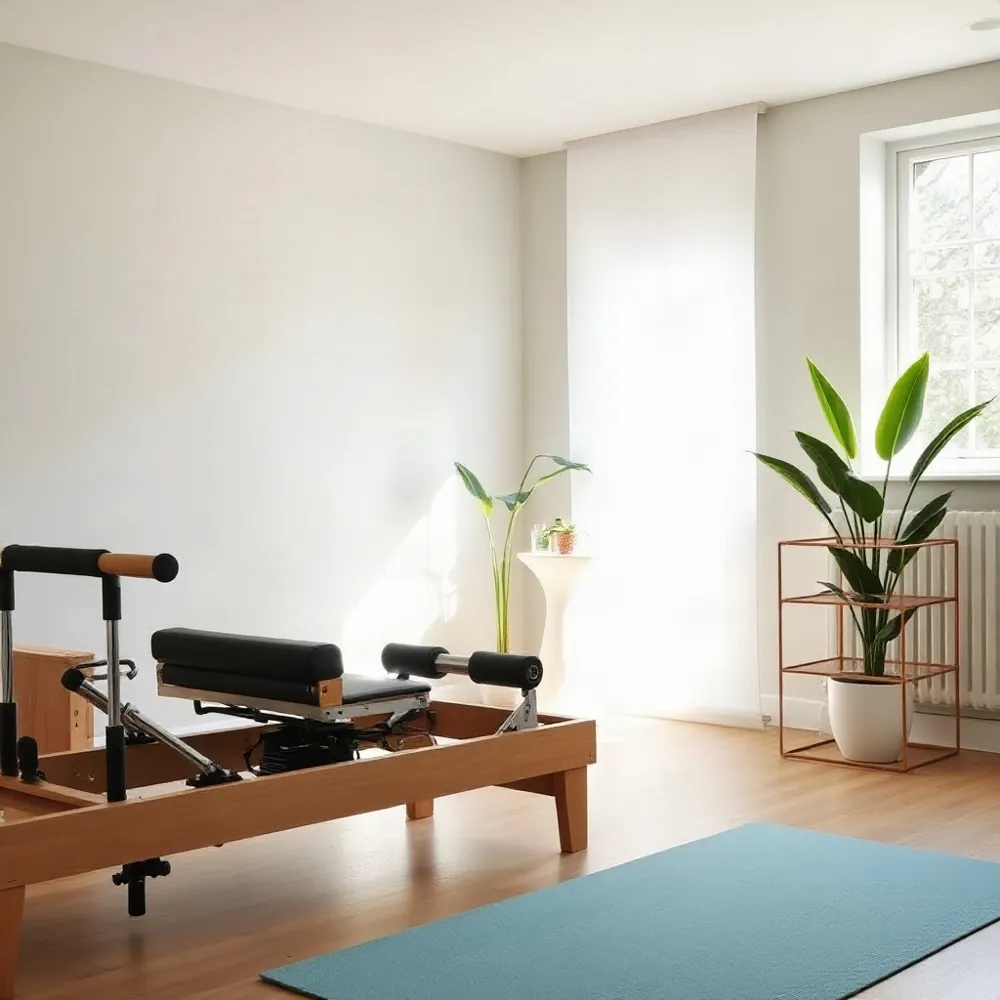 Chiropractors often recommend Pilates because it directly supports the goals of spinal alignment and core stability that are central to chiropractic care. The method's emphasis on controlled, low-impact movement and breath-linked activation complements the work done during adjustments. Rather than competing with chiropractic treatment, Pilates reinforces the structural corrections made in the clinic by strengthening the deep postural muscles that hold the spine in proper alignment.
Core Stability. Pilates targets the deep core muscles, including the transversus abdominis, which act as a natural corset for the spine. This is the same musculature that chiropractors aim to re-educate during treatment. Strengthening these muscles helps maintain the benefits of each adjustment for longer, reducing the need for frequent visits.
Spinal Mobility. The articulation and controlled spinal movements in Pilates improve joint mobility and flexibility. For patients with back pain, this gentle movement allows for pain-free range of motion, which can complement the mobilization techniques used by chiropractors. Over time, this reduces stiffness and supports better posture.
Rehabilitation. Pilates functions as a rehabilitative exercise system. It emphasizes alignment, breathing, and precision, which are essential for retraining movement patterns and preventing re-injury. For chiropractic patients, this bridges the gap between passive treatment and active, self-directed recovery at home.
One major distinction is that Pilates, as taught by certified instructors, is a structured exercise method, whereas chiropractic is a healthcare profession. However, both share a non-invasive philosophy: chiropractic focuses on correcting spinal misalignments, while Pilates builds the muscular support that keeps the spine in its corrected position. This is why many practitioners, including those at Southeast Chiropractic, view Pilates as an ideal complement to chiropractic adjustments. Instead of asking you to choose between the two, a combined approach tackles the problem from both angles: the chiropractor addresses the joint and nerve interference, while Pilates strengthens the muscles that stabilize the spine.
The Evidence Supporting Pilates for Back Pain
Clinical research supports this pairing. A randomized controlled trial published in the PubMed Central database found that core strength training, the very foundation of Pilates, significantly reduces pain and disability in patients with chronic low back pain compared to no treatment (source). The study's authors concluded that strengthening the deep trunk muscles is an effective strategy for managing chronic back pain, validating what chiropractors have long observed in practice.
Additionally, a 2023 article from Henry Ford Health highlights five core exercises specifically recommended for back pain sufferers, noting that a strong core reduces the load on the lumbar spine (source). These exercises, which include the pelvic tilt and the hundred, are staples of the Pilates repertoire. At the same time, a review of Pilates therapy for spinal stability describes how the method's focus on the transverse abdominis and multifidus muscles helps create a stable base for all spinal movements (source). Together, this research underscores why chiropractors regularly point patients toward Pilates as a sustainable complement to in-office care.
Getting Started with Pilates
If you're new to Pilates, start with a few basic exercises to establish proper form. A good starting point is the Pilates hundred, which warms up the core while coordinating breath with movement. Another gentle option is the pelvic tilt, which releases tension in the lower back while engaging the abdominals. For a step-by-step guide to these and other movements, consider this core strengthening routine for back pain that also explains the connection between Pilates and chiropractic care.
Before starting any new exercise program, especially if you have an existing back condition, it's wise to consult your chiropractor. They can recommend specific modifications and tell you which exercises are safe for your unique spinal condition. Once you have the green light, aim for two to three 20-minute sessions per week. Consistency matters more than intensity, so focus on slow, controlled movements. Over time, you'll notice improved posture, reduced back pain, and a stronger, more stable core that supports your spine in everything you do. For more ideas, explore Pilates exercises for chronic back pain or the 8 best Pilates moves for back pain to find a routine that works for you.
How Pilates Alleviates Spine Issues
 The connection between core strength and spinal health is well documented, and Pilates is one of the most effective methods for building that foundation. Chiropractors frequently recommend it because it targets the deep stabilizers of the trunk, such as the transversus abdominis and multifidus, which are essential for supporting the spine during daily movement. By improving this internal support system, Pilates helps reduce strain on the joints and intervertebral discs, making it a valuable complement to chiropractic care.
How Pilates Strengthens the Core
Traditional exercises often focus on the superficial abdominal muscles, but Pilates emphasizes the deeper core layer that wraps around the spine like a corset. This deep activation is what sets it apart. A study published by the National Institutes of Health notes that core strength training is effective for patients with chronic low back pain, supporting the idea that a strong core translates into a healthier spine. The controlled, breath-linked movements in Pilates teach the body to engage these muscles naturally, not just during a workout but in everyday postural habits as well.
The key to this deep engagement lies in the principle of spinal articulation and the coordination of breath with movement. Rather than performing rapid repetitions, you hold and control positions, which forces the deep stabilizers to work continuously. This approach is why Pilates is often cited in physical therapy settings as a tool for spinal stability—it trains the body to find and hold a neutral spine position, which is fundamental to protecting the spine during more demanding activities.
Pilates for Posture and Alignment
Poor posture is a common contributor to back and neck pain, and Pilates directly addresses this by strengthening the muscles that pull the shoulders back and keep the head aligned over the spine. As noted by our own Pilates Moves That Strengthen Core Muscles for Better Posture, the practice builds a natural corset for spinal stability. When these postural muscles are weak, the spine bears the brunt of gravity and daily wear, leading to misalignment and discomfort. By restoring balance in the musculature around the spine, Pilates helps the body stand taller with less effort.
Moreover, a strong core provides the structural support needed for the rest of the body to move efficiently. This is why chiropractors often recommend Pilates for patients who are not only looking to relieve pain but also to prevent future injuries. The focus on proper alignment and controlled movement ensures that you are not just strengthening muscles but also reinforcing healthy movement patterns that protect the spine in the long run.
Real-World Results and a Path Forward
The clinical benefits of Pilates extend beyond just feeling stronger. Anecdotal and research-backed evidence points to its effectiveness in managing chronic low back pain, where traditional exercise can sometimes exacerbate symptoms. For example, the Pilates for Chronic Back Pain: 5 Exercises to Try article highlights how specific movements can be gentle enough for acute issues yet effective enough to build lasting stability. Whether you are a competitive athlete or someone who just wants to carry groceries without pain, the core strength you build through Pilates translates into a more resilient spine.
If you are ready to strengthen your core and support your spinal health, we invite you to explore how chiropractic care and Pilates can work together. Combining the structural adjustments provided by a chiropractor with the stabilizing power of Pilates creates a comprehensive approach to wellness that addresses pain at its source. Contact our team today to learn more about a personalized plan that incorporates these evidence-based strategies for a healthier, more active life.
The Big Three for Spine Stability
 The McGill Big 3 is a set of three foundational exercises developed by spine biomechanics researcher Stuart McGill. Rather than chasing repetitive flexion, these moves focus on isometric holds that train your core to resist movement, which is exactly what your spine needs during daily activities and lifting. The goal is to build a stiff, stable cylinder around your spine so your vertebrae, discs, and ligaments stay protected.
The three exercises are the curl-up, the side plank, and the bird dog. Each one targets a different plane of core control: the curl-up works the front, the side plank works the lateral stabilizers, and the bird dog challenges the back and hip extensors. Together, they form a complete anti-movement workout that enhances spinal stability without loading your discs the way traditional crunches or sit-ups do.
Core Stability and Spine Health
Research on chronic low back pain highlights the importance of training core stability rather than just strength. A 2015 study published in PMC found that core stability training improved function and reduced pain in patients with chronic low back pain compared to general exercise. Core strength training for patients with chronic low back pain emphasizes that activation of the deep stabilizers, including the transversus abdominis, is crucial for spinal support.
This ties directly into why chiropractors often pair spinal adjustments with core work. An adjustment restores proper joint motion, but it’s the surrounding muscles that keep your vertebrae aligned over time. Chiropractors often recommend Pilates because Pilates reinforces those structural gains by strengthening the deep core muscles that stabilize the spine.
The Big 3 in Practice
- Curl-up: Lie on your back with one knee bent and the other leg straight. Place your hands under your lower back for support. Gently lift your head and shoulders off the floor, holding for a breath. This is not a sit-up; it’s a small, controlled crunch that trains your abs without compressing your spine.
- Side plank: Support yourself on your forearm and the side of your foot, lifting your hips so your body forms a straight line. Hold for 10 to 15 seconds per side. This move trains the quadratus lumborum and obliques, essential for lateral stability.
- Bird dog: Start on all fours, then extend your opposite arm and leg while keeping your pelvis level. Hold for a few seconds, then switch sides. This challenges your multifidus and glutes, improving back extensor control.
These three moves form the backbone of many rehabilitation programs because they target the exact muscles that support your spine. To learn more about how core strength improves spinal health, check out Using Pilates to Improve Core Stability and Spinal Health, which explains how structured core work complements chiropractic care.
At Southeast Chiropractic, your care plan can include education on exercises like the Big 3, helping you maintain alignment between adjustments. By pairing chiropractic treatments with a consistent core routine, you’re giving your spine the support it needs to stay healthy long-term.
Foundational Pilates Moves for Core and Lower Back
 For many people, back pain is treated as a purely structural problem: find the painful joint or disc, adjust it, and move on. At Southeast Chiropractic in Gastonia, North Carolina, the approach looks further. A stable core is the foundation that keeps the spine properly aligned between visits. When the deep abdominal and spinal muscles are weak, the lower back takes on the role of stabilizer and suffers for it. Core strength training has been shown to reduce chronic low back pain and improve function, making it a natural companion to chiropractic adjustments.
A Simple Core Routine You Can Start Today
You do not need a gym full of equipment to build the muscular support that protects your spine. The following four exercises target the deep core stabilizers without requiring any weights. Start with a 5-minute flow and gradually increase hold times as your strength improves. For guidance on proper form, the Core Stability Mastery series offers a useful foundation.
- Pilates Pelvic Curl: Lie on your back with knees bent and feet flat. Tilt your pelvis to flatten your lower back, then peel your spine off the floor one vertebra at a time. Hold at the top for two breath cycles before lowering slowly. This move teaches spinal mobility with core control.
- Single Leg Stretch: Lie on your back, knees pulled to your chest. Extend one leg out on a diagonal while the other knee stays tucked. Switch legs in a smooth, controlled motion while keeping your lower back pressed into the floor. This engages the deep abdominal wall and challenges your balance.
- Dead Bug: Lie on your back with arms extended toward the ceiling and knees bent at 90 degrees. Slowly lower your right arm and left leg toward the floor while keeping your lower back in contact with the mat. Return to start and switch sides. Move slowly to maximize muscle activation.
- Bird Dog: Start on all fours with wrists under shoulders and knees under hips. Extend your right arm forward and left leg back, keeping your hips level and your spine neutral. Hold for a few breaths, then return to start and switch sides. This exercise builds anti-rotation strength that protects the lower back during everyday movements.
For a deeper look at how these moves support your spinal health, the Mayfield Clinic's core exercise guide explains the anatomy behind each movement. Pairing controlled core work with the core stability exercises recommended by our team reinforces the structural gains from your adjustments.
Why Chiropractors Recommend Pilates
Chiropractors often recommend Pilates because it trains the deep stabilizers that support the spine in a controlled, low-impact way. A 2015 review of the evidence found that core stability exercises reduce pain and disability in people with chronic low back pain, and Pilates is one of the most studied forms of this training. At Southeast Chiropractic, we incorporate Pilates-based moves into patient care plans to help you build the muscular endurance that keeps your spine healthy between office visits. Learn more about how Pilates for spinal stability fits into a comprehensive approach.
If you are comparing Pilates to other forms of exercise, consider that it emphasizes breath, precision, and control over sheer strength. This makes it accessible for people recovering from injury while still challenging enough for those who are already fit. The key is consistency: a 10-minute daily practice can be more effective than a lengthy session once a week.
Building Your Personalized Plan
No two backs are alike, which is why our chiropractors take the time to assess your posture, movement patterns, and medical history before recommending a core routine. During your next visit, ask about adding Pilates to your treatment. We can show you how to modify each exercise to match your current strength level and adjust the routine as you progress. For more ideas, explore the 8 best Pilates exercises for back pain recommended by physical therapy experts.
| Exercise | Primary Focus | How to Progress |
|---|---|---|
| Pelvic Curl | Spinal mobility | Add a 2-second hold at the top |
| Single Leg Stretch | Deep abdominal control | Extend the leg lower |
| Dead Bug | Anti-extension strength | Slow the tempo of the movement |
| Bird Dog | Anti-rotation stability | Reach further with arm and leg |
Ready to give your core the support it needs? Contact Southeast Chiropractic to schedule an appointment, or visit us in Gastonia, North Carolina, to discuss how Pilates and chiropractic care can work together for your long-term spine health.
Starting Safely: Core Exercises for Beginners
 Starting a core routine when you're new to exercise can feel intimidating, especially when so much advice assumes prior fitness experience. The good news is that the most effective beginner moves are simple, low-impact, and easy to learn at home. The exercises below focus on training the deep abdominal muscles and spinal stabilizers without requiring equipment or advanced flexibility.
Before you begin, remember that control matters more than speed. Move slowly, coordinate each exercise with your breath, and stop if you feel sharp pain. For a more detailed guide on how these movements translate to spinal health, check out Pilates Therapy: Exercises for Spinal Stability.
Deadbug
The deadbug is a foundational exercise that teaches your core to resist extension while your arms and legs move independently. Lie on your back with your arms reaching toward the ceiling and your knees bent at 90 degrees. Slowly lower your right arm overhead and your left leg toward the floor, keeping your lower back pressed into the mat. Return to start and switch sides. This move is often recommended by chiropractors because it builds the deep stabilizers that support the spine without loading it, as explained in Why Chiropractors Often Recommend Pilates.
Bird Dog
The bird dog strengthens the muscles along your spine and your glutes while challenging your balance. Start on your hands and knees with your wrists under your shoulders and your knees under your hips. Extend your right arm forward and your left leg back, keeping your hips square to the floor. Pause, then return to the start and switch sides. This exercise supports spinal stability and is a staple in many core programs, as noted in Pilates and Core Strength Can Improve Balance in Adults.
Bridge
The bridge targets your glutes and lower back while also engaging your deep core. Lie on your back with your knees bent and feet flat on the floor, hip-width apart. Press through your heels to lift your hips toward the ceiling until your body forms a straight line from shoulders to knees. Lower back down slowly. This move is a gentle way to activate the posterior chain and improve spinal alignment, similar to the principles behind Core Exercises to Strengthen the Spine.
Pelvic Tilt
The pelvic tilt is one of the simplest ways to become aware of your neutral spine position. Lie on your back with your knees bent and feet flat. Gently tilt your pelvis toward your navel, pressing your lower back into the floor, then release. This small, controlled movement helps retrain the muscles that support proper posture, which is a core focus of the Pilates for Posture and Core Alignment approach.
Modified Plank
If a full plank feels too challenging, start with a modified version on your knees. Position your forearms on the floor and extend your legs behind you, or keep your knees down with your body straight from head to knees. Brace your abdominal muscles as if preparing for a light punch, and hold for 20 to 30 seconds. The plank is a proven core strengthener for people with chronic low back pain, according to research published in PMC4395677.
| Exercise | Main Focus | Beginner Tip |
|---|---|---|
| Deadbug | Deep core & coordination | Keep lower back flat |
| Bird Dog | Spinal extensors & balance | Move slowly, stay square |
| Bridge | Glutes & lower back | Squeeze glutes at top |
| Pelvic Tilt | Neutral spine awareness | Small, controlled range |
| Modified Plank | Full core endurance | Hold 20–30 sec |
For additional guidance on building core strength safely, consider learning how Pilates reinforces core stability for spinal health and why core strength is essential for posture. These resources can complement the simple exercises above and help you build a routine that supports your spine for the long term.
Consistency beats intensity when you're starting out. Aim to practice these moves two to three times per week, and gradually increase the number of repetitions or the holds as you get stronger. If you have existing back pain or a spinal condition, consult a chiropractor or physical therapist before adding new exercises to your routine.
Exercises to Approach with Caution
 Transversus abdominis. This is the deepest layer of the abdominal wall, wrapping around your torso like a corset. It doesn't produce dramatic movement like the six-pack rectus abdominis; instead, it contracts to increase intra-abdominal pressure and stabilize the spine before you lift, twist, or bend. When this muscle is weak or fires late, the lower back takes on the load, which often leads to strain and pain.
Multifidus. Located along the spine, the multifidus consists of small muscles that run between the vertebrae. They provide segmental stability, meaning they prevent one vertebra from shearing forward on the one below. This muscle is particularly important after a back injury, as it tends to atrophy quickly, leaving the spine unprotected and prone to re-injury.
Pelvic floor. The pelvic floor muscles form the base of the core and work in coordination with the diaphragm and the deep abdominals. They support the pelvic organs and assist in generating the intra-abdominal pressure that stabilizes the lumbar spine. A weak pelvic floor compromises the whole core cylinder, which is why prenatal and postnatal care often focuses heavily on these muscles.
Diaphragm. Breathing is a core function, and the diaphragm is the primary muscle. Its downward movement during inhalation creates pressure that engages the deep abdominals and pelvic floor. Most people breathe from the chest, holding their stomach tight, which prevents the diaphragm from working with the core. Learning to breathe deeply, where the belly expands, helps activate this connection and reduce stress on the lower back.
Pilates for Spinal Flexion: Control and Mobility
 Correct form matters more than reps when it comes to core work for back health. A few simple cues can keep you safe while building strength and improving spinal mobility.
Start with a Neutral Spine
Before you move, find your neutral spine. The Natural Core Strengthening course at southeastchiro.com begins by helping you align your hips and shoulders, which sets a stable foundation for every exercise that follows. Check out exercises for a healthy spine to see how simple warm-ups prep your body for more challenging movements.
Commit to Your Core for Lifelong Spinal Wellness
Because the core works as a natural corset for the spine, methods that strengthen it without loading the joints tend to pair well with chiropractic adjustments. Pilates, in particular, emphasizes controlled movement, breathing, and deep spinal stabilizers. Research has linked this approach to reduced pain and improved function in people managing low back discomfort. A core-strengthening routine, when combined with regular adjustments, may help patients retain the benefits of their visits and reduce the likelihood of recurring strain.
How Pilates Complements Chiropractic Care
Chiropractic adjustments restore joint mobility and alignment. Pilates supports those gains by strengthening the muscles that hold the spine in a neutral position. The deep core muscles, including the transversus abdominis and multifidus, respond well to the slow, controlled movements used in Pilates. A 2015 study in the Journal of Chiropractic Medicine found that adding core stability training to standard care reduced pain intensity and disability in chronic low back pain patients. When these muscles are weak, even a well-aligned spine can struggle to stay that way during everyday tasks.
This is also where the philosophy at Southeast Family Chiropractic fits in. The practice takes a holistic, patient-focused view of spinal health, addressing not only the adjustment but also the supporting musculature and posture habits. Pairing chiropractic care with a targeted core routine gives patients a more complete path to lasting relief. That combined approach is why many patients see better long-term outcomes than relying on adjustments alone.
Key Exercises for a More Stable Core
The goal is to build endurance in the muscles that stabilize the spine, not just to lift or crunch. Simple movements like the pelvic tilt, the bridge, and the hundred are good starting points. These exercises require minimal equipment and can be performed at home. According to the Cleveland Clinic, strengthening the core through exercises like these can help relieve back pain and improve overall stability. For a more detailed guide, the Mayfield Clinic's core exercises page offers a solid introduction to spine-friendly movements.
- Pelvic tilt: lie on your back with knees bent, then gently flatten your lower back into the floor. Hold for a few breaths.
- Bridge: from the same starting position, lift your hips toward the ceiling while engaging the glutes and core.
- Hundred: lie on your back, lift your head and shoulders, extend your arms, and pulse them while breathing in a rhythmic pattern.
For patients who prefer a guided approach, Southeast Family Chiropractic can help design a routine that fits their specific needs. Whether it's Pilates for core stability or other low-impact exercises, the practice offers personalized recommendations to support spinal health between visits.
Building a Routine That Sticks
Consistency matters more than intensity. A short, daily practice of 10 to 15 minutes is often more effective than a long session once a week. The British Journal of Sports Medicine published research in 2016 showing that Pilates was as effective as other forms of exercise for reducing back pain, and its low-impact nature makes it accessible for most patients. Incorporating these movements into a regular routine not only strengthens the core but also improves flexibility and posture.
The Harvard Health article on spine health highlights three simple exercises that support a healthy spine. Adding these to your Pilates practice can create a well-rounded approach to spinal wellness. The key is to listen to your body and avoid movements that cause sharp pain. If you're unsure where to start, a chiropractor can assess your current level of strength and flexibility and recommend exercises that are safe and effective for you.
When to Seek Professional Guidance
Not all core exercises are appropriate for everyone. If you have a herniated disc, spinal stenosis, or other structural issue, some movements may aggravate your condition. A qualified professional can help you modify exercises or avoid them altogether. The Healthline guide to Pilates for chronic back pain offers five exercises to try, but it's wise to get a thorough evaluation before starting a new routine. A chiropractor can also identify muscle imbalances that may be contributing to your pain and address them with targeted treatments.
At Southeast Family Chiropractic, we combine chiropractic adjustments with patient education and exercise recommendations. Our goal is to help you build a foundation of strength that supports your spine long after your appointment. If you're ready to take the next step toward better spinal health, we invite you to schedule an appointment at Southeast Family Chiropractic for personalized guidance.