A New Path to Deep-Seated Relief
Craniosacral therapy (CST) is a gentle, hands-on technique that uses a light touch to release tension in the body's connective tissue network, known as the fascia. This casing holds organs, nerves, muscles, and the central nervous system together, forming a body-wide system where one area can influence another.
The practice focuses on the craniosacral system — the membranes and cerebrospinal fluid that surround and protect the brain and spinal cord. Practitioners aim to release restrictions in this system, supporting the body's natural ability to self-regulate and heal.
What Is Craniosacral Therapy?
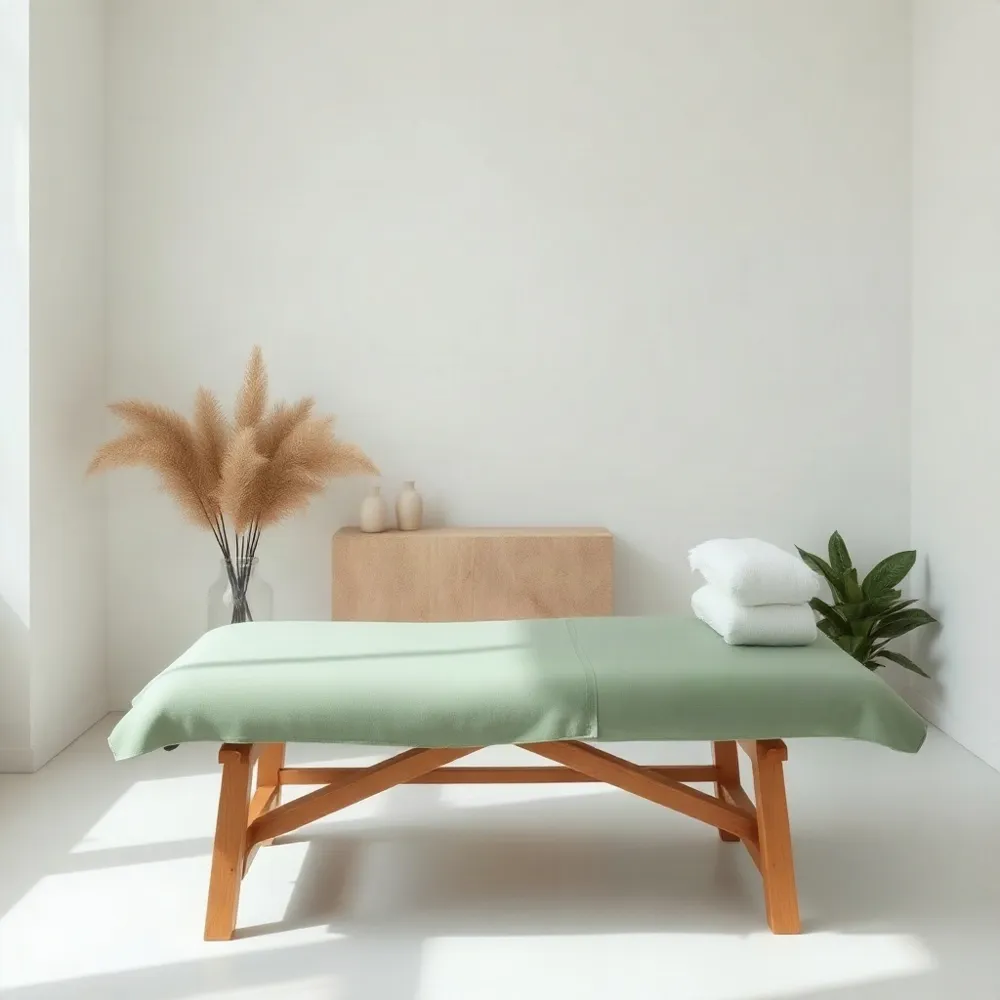 Craniosacral therapy (CST) is a gentle, light-touch massage technique that targets the body's connective tissue network, known as fascia. Practitioners use soft hand placements
The therapy focuses on the craniosacral system — the membranes and cerebrospinal fluid that surround and protect the brain and spinal cord. According to Cleveland Clinic, the goal of CST is fascial clearance, which may help the body function better through self-regulation, self-correction, and self-healing.
CST is distinct from deep tissue massage. The pressure used is about the weight of a nickel, making it suitable for people who are sensitive to touch or recovering from injury. The technique was promoted by osteopathic physician John Upledger, who founded the Upledger Institute in 1985, and its use has grown steadily since the 1970s.
Debate and Legitimacy
Questions about CST's legitimacy are common. Some practitioners and patients report relief from conditions such as chronic pain, headaches, and stress. However, skeptics point out that the existence of a measurable "craniosacral pulse" has not been scientifically confirmed. The University of Minnesota notes that there is debate on whether cranial bones move in adults and whether the pulse is consistent.
CST vs. Chiropractic Care. Chiropractic care focuses on spinal adjustments and the musculoskeletal system. CST is a light-touch therapy aimed at the craniosacral system. Many chiropractors incorporate CST into their practice.
CST vs. Reiki. Reiki is an energy-healing practice that channels universal life force, often with hands hovering above the body. CST works physically on the membranes and fluid surrounding the brain and spinal cord.
A chiropractor can perform CST after obtaining additional certification from programs like those offered by the Upledger Institute. At Southeast Family Chiropractic, practitioners apply pressure equivalent to the weight of a nickel to release fascial tension and improve system mobility. While CST is not a replacement for medical care, many patients find it a helpful complement to other treatments.
Proven Benefits and What to Expect in a Session
 Craniosacral therapy provides a gentle, noninvasive approach to pain relief, particularly for headaches, neck pain, and side effects of cancer treatment. By releasing tension in the body's connective tissue known as fascia, CST can help improve the function of interconnected body systems through self-regulation and self-healing. Patients often report relief from conditions such as chronic pain, migraines, scoliosis, TMJ issues, and fibromyalgia. Beyond symptom reduction, many experience a greater sense of well-being and reduced stress. This therapy is suitable for adults and children and can complement a broader treatment plan to support natural healing.
CST also supports nervous system regulation. By using a light touch to improve fluid movement around the brain and spinal cord, the therapy aims to reduce restrictions that affect how the body manages stress. Many patients find this approach promotes deep relaxation, helping the body transition from a 'fight or flight' state to a more balanced, restful one. For those whose anxiety is linked to nervous system overload, CST can be a valuable complementary tool alongside counseling or lifestyle adjustments.
What to Expect During a Session
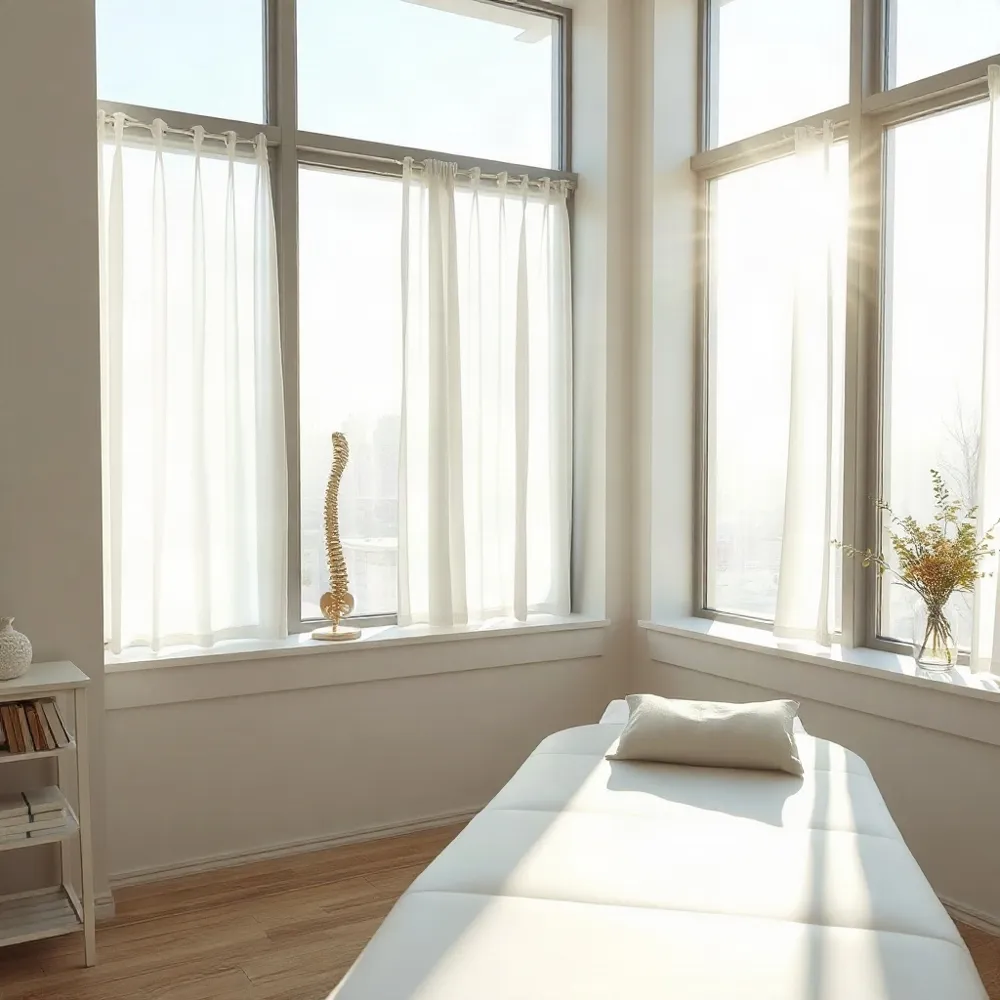
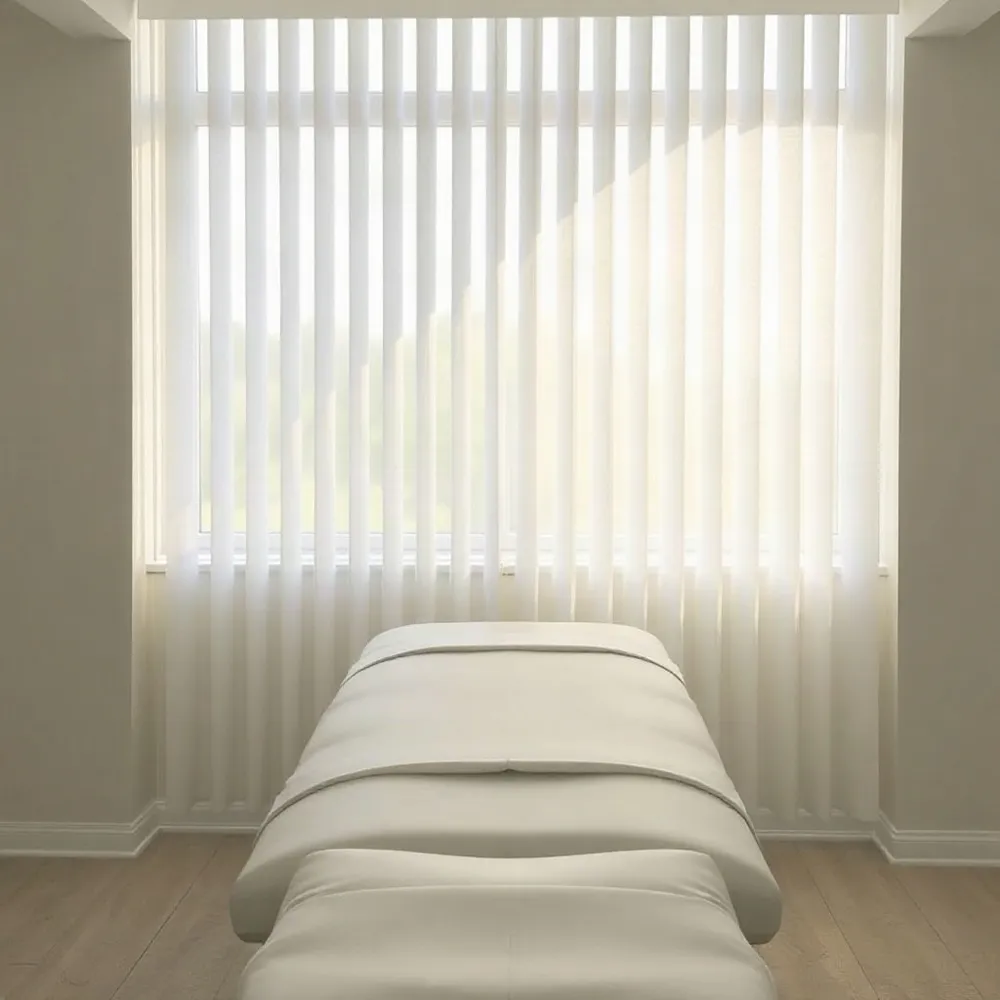
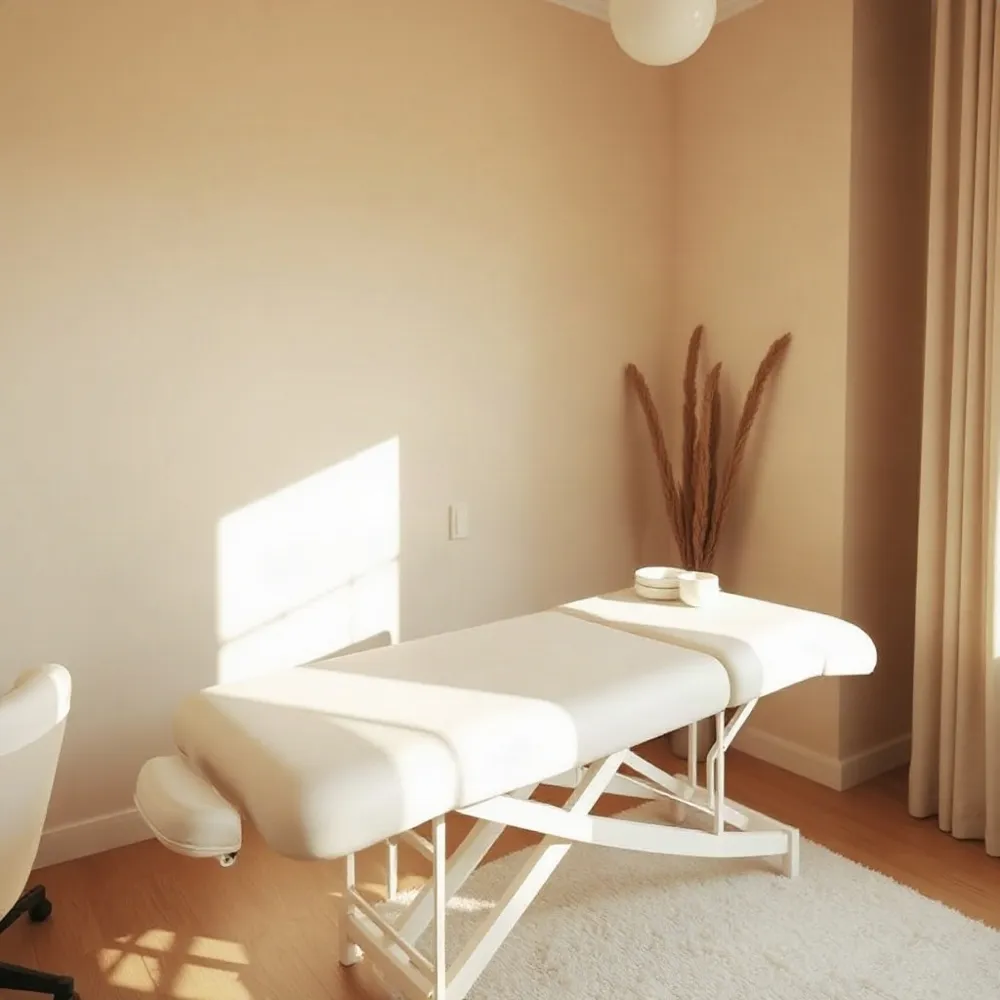
A CST session begins with a consultation about your health history, concerns, and goals. You remain fully clothed and lie on a massage table, or sit in a chair if needed. The room is often dimly lit with soft music to help you relax. The therapist uses their hands to apply gentle pressure to your head, neck, back, and sacrum, with a touch no greater than the weight of a nickel. The goal is to release fascial restrictions and support the body's natural rhythm. Sessions typically last 30 to 60 minutes.
Some people feel relief immediately, while others need a few sessions over weeks or months for the body to process the adjustments. Results vary, and the therapy is best viewed as a process. After a session, it is normal to feel dizzy or lightheaded, so take your time standing up. Contact your healthcare provider if you experience severe pain or new symptoms.
Conditions CST May Help
- Chronic pain and fibromyalgia
- Migraines and tension headaches
- TMJ dysfunction and jaw tightness
- Scoliosis and post-concussion syndrome
- Stress, anxiety, and nervous system overload
CST is especially helpful for symptoms that fluctuate with stress or have not responded to other treatments. It is suitable for people of all ages, including children. For kids, CST can help with tension in the neck and mouth that affects speech therapy, and supports recovery from head injuries by promoting the body's natural self-correction.
| Aspect | Details | Frequency |
|---|---|---|
| Pain relief | Reduces headaches, neck pain, and chronic tension | Often felt after 1-3 sessions |
| Nervous system support | Calms 'fight or flight' response, promotes relaxation | Supports long-term regulation |
| Session structure | Fully clothed, light touch, quiet environment | 30-60 minutes per session |
| Timeline | Immediate relief possible; chronic issues need 4-8 sessions | Varies by individual |
Key Techniques Used in CST
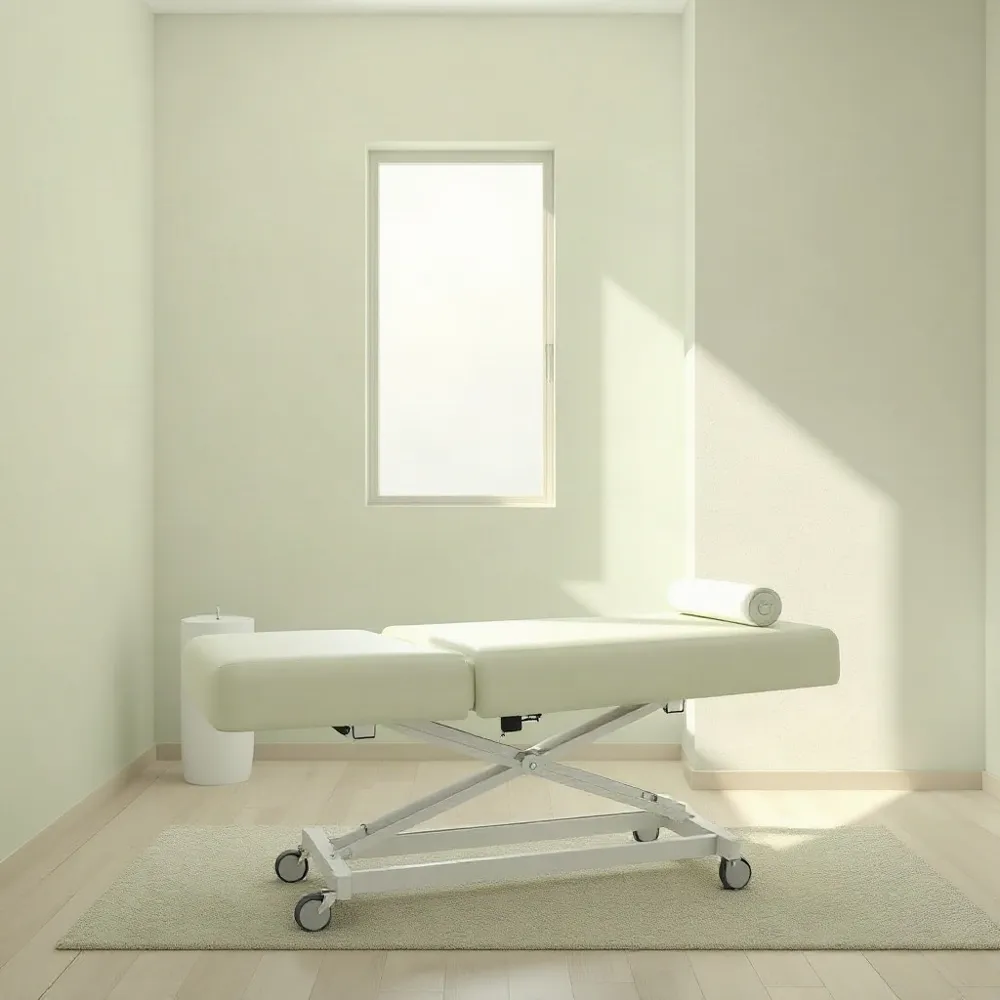 Craniosacral therapy relies on a set of light-touch manual techniques. Each method uses pressure equivalent to about the weight of a nickel — roughly 5 grams — making CST suitable for people who are sensitive to deeper pressure or recovering from injury. Practitioners listen with their hands for the subtle rhythm of the craniosacral system and apply these techniques to release fascial restrictions and improve central nervous system function.
Common CST Techniques
Cranial base release. Also called suboccipital decompression, this technique involves cradling the base of the skull to release tension in the suboccipital muscles. It is especially helpful for headaches, brain fog, and the sensation of a tight band around the head.
Cranial vault holds. The practitioner places hands on specific skull bones (frontal, parietal, temporal) to allow the sutures to release from compression caused by clenching, trauma, or chronic stress.
Dural tube rocking. One hand rests on the sacrum and the other on the skull, gently rocking to free the dura mater — the membrane encasing the spinal cord — from tension that can refer pain up or down the spine.
Sacral decompression. The sacrum is cradled to restore its subtle rocking motion in sync with the cranial rhythm, helping with low back pain, SI joint problems, pelvic floor tension, and chronic sciatica.
TMJ and temporal bone release. Gentle work on the temporal bones and jaw muscles (masseter, temporalis, medial pterygoid) releases compression that causes headaches, ear ringing, and jaw clicking.
All of these techniques are noninvasive and performed while the patient lies fully clothed on a treatment table. The goal is to help the body's own self-healing mechanisms address restrictions, not to force movement or manipulate bones. At southeastchiro.com, practitioners use these same gentle methods, applying pressure no greater than the weight of a nickel to support the body's natural healing.
Safety, Side Effects, and Contraindications
Craniosacral therapy (CST) is widely recognized as a gentle, non-invasive treatment with minimal risks. The Cleveland Clinic notes that possible side effects are generally mild and can include feeling dizzy, tired, lightheaded, or experiencing mild discomfort. The pressure used is exceptionally light — typically no more than five grams, or about the weight of a nickel.
This gentle approach makes CST suitable for many people, but it is not appropriate for everyone. The Cleveland Clinic advises that therapy should be delayed for individuals with blood clots, a concussion, brain swelling, a brain aneurysm, Chiari malformation, or any condition affecting cerebrospinal fluid (CSF) pressure, flow, or buildup.
Because CST is not a licensed or regulated practice in North America, choosing a well-trained practitioner is essential. At southeastchiro.com, our experienced chiropractors apply CST with a light touch to release fascial tension and improve system mobility, always within the scope of their professional chiropractic license.
Before starting CST, consult your healthcare provider, especially if you have any of the conditions listed above. After a session, take your time getting up to prevent dizziness, and contact your provider if you experience severe pain, discomfort, or new or worsening symptoms.
| Condition | CST Safe? | Reason / Guidance |
|---|---|---|
| Blood clots / brain aneurysm | Delay until cleared | Risk of aggravating vascular or CSF conditions |
| Concussion / brain swelling | Delay until recovered | Potential to worsen intracranial pressure issues |
| Chiari malformation / CSF issues | Delay until evaluated | Affects cerebrospinal fluid dynamics |
| Chronic pain / migraines | Generally safe | CST may help manage symptoms |
| Stress / anxiety / TMJ | Generally safe | May promote relaxation and release fascial tension |
Integrating CST Into Your Care Plan
Craniosacral therapy works best as part of a consistent care routine rather than a one-time appointment. The exact frequency depends on your condition and goals. For patients seeking relief from chronic pain or long-standing tension, a therapist may recommend up to three sessions per week initially, with a total of 10 or more sessions for more persistent issues. For others focused on stress reduction and maintenance, sessions every one to four weeks are common. A healthcare provider will help tailor the schedule to your needs, ensuring CST supports rather than overwhelms your body's natural healing processes.
The timeline for results varies. Many people notice immediate shifts in relaxation or tension release during their first session. More lasting changes for conditions such as headaches or chronic neck pain often become apparent after 3 to 6 sessions. Each appointment lasts 45 to 60 minutes. True, lasting change comes from the body's self-correction process, which can continue unfolding over days or weeks after treatment. The Cleveland Clinic notes that some people feel relief right away, while others need a few days to process the effects.
Between professional sessions, simple self-care practices can support your progress. You can perform gentle self-massage on your head and neck using very light pressure — roughly the weight of a nickel on your skin. Focus on areas like the forehead and ears while staying relaxed and breathing deeply. These exercises are not a replacement for professional treatment, but they can help soothe your nervous system and extend the benefits of your sessions.
Insurance coverage for craniosacral therapy varies by provider and plan. It is not always covered as a standard medical treatment, but some health savings accounts (HSAs) and flexible spending accounts (FSAs) may allow payment. Therapists may accept insurance or provide receipts for possible reimbursement. At Southeast Family Chiropractic, we can help explain your payment options during your consultation.
Who Provides CST and How It Complements Care
A wide range of healthcare professionals are trained to provide craniosacral therapy (CST). These include chiropractors, doctors of osteopathic medicine (DOs), physical and occupational therapists, and licensed massage therapists.
Because CST is not a single, regulated profession, the quality of training varies. Choosing a practitioner with specific, in-depth training in CST is important for safe and effective treatment.
CST and Chiropractic Care: Different Tools, Shared Goals
Craniosacral therapy is not the same as chiropractic care, but the two approaches work well together. Chiropractic care focuses on diagnosing and treating mechanical disorders of the spine and joints, often through adjustments and manipulations. CST uses a much lighter touch to release restrictions in the membrane and fluid system surrounding the brain and spinal cord.
For example, a patient with chronic neck pain might receive a spinal adjustment from a chiropractor and then a CST session to address deeper dural and fascial tension that the adjustment alone cannot release. At Southeast Chiropractic, CST is integrated into care plans to complement standard adjustments and support long-term nervous system balance.
Who Can Benefit from CST
CST is suitable for people of all ages, from infants to older adults. It is particularly well-suited for individuals who are sensitive to pressure, have a history of trauma, experience chronic pain that has not responded to other treatments, or have multi-system health issues.
The therapy’s light-touch approach makes it a safe option for those recovering from injury or surgery, as well as for people with conditions like fibromyalgia or chronic fatigue that can make deeper tissue work uncomfortable.
Children and infants can also benefit. For example, CST can help release tension that interferes with breastfeeding or contributes to colic. Older adults often find CST helpful for managing age-related stiffness and maintaining mobility.
Embracing a Holistic Path to Healing
Craniosacral therapy offers a gentle, non-invasive way to release deep-seated tension and support the body's natural ability to heal itself. The benefits are best realized when working with trained professionals, and it is important to set realistic expectations — some people feel relief immediately, while others notice gradual improvement over several sessions.
If you are curious whether CST is right for you, speak with your chiropractor or healthcare provider. At its heart, CST is a journey of listening to the body and restoring balance, one thoughtful session at a time.