A Practical Approach to Disc Changes
Disc changes can be a normal part of aging, and imaging findings do not automatically mean pain or disability. Many people with degeneration have no symptoms and continue their usual activities, as the ChoosePT guide to degenerative disk disease explains.
Healthy habits and appropriate care can support comfort, strength, and daily function, but they cannot promise to stop or reverse existing disc changes. The aim is to understand what your symptoms mean and find ways to stay active without aggravating them.
This article looks at how to interpret disc changes, choose suitable movement, and build practical routines for everyday life. At Southeast Family Chiropractic in Gastonia, care includes chiropractic adjustments and rehabilitative treatments, with recommendations shaped around each person’s needs. A qualified clinician can help you decide what fits your symptoms and goals.
What Disc Degeneration Means
 Spinal discs sit between the vertebrae, cushioning them, absorbing shock, and helping the spine bend and move. Degenerative disc disease is the term for age- or wear-related changes in these discs. Despite the name, it does not mean that everyone with disc changes has a painful or steadily worsening condition.
Many people have disc changes without symptoms, and an imaging finding alone cannot show how much pain someone will feel. Cleveland Clinic’s overview of degenerative disc disease notes that symptoms and their severity can differ from person to person.
When symptoms do occur, they may include aching or sharp pain in the neck or back, stiffness, or discomfort that worsens with sitting, bending, lifting, or other activities. The location of the affected disc can influence where symptoms are felt. Irritation or compression of a nearby nerve may also cause pain to travel into an arm or leg, sometimes with tingling, numbness, or weakness.
At southeastchiro.com, care is personalized around a patient's symptoms and function, with chiropractic adjustments and rehabilitative treatments among the services offered. Persistent or worsening pain, or new numbness or weakness, warrants assessment by a healthcare professional rather than assumptions based on imaging alone.
Staying Active With Disc Changes
A diagnosis of degenerative disc disease does not automatically mean giving up work, exercise, or the activities you enjoy. Many people have disc changes without noticeable pain, and others stay active by managing symptoms and adjusting activities to suit their needs, as the Cleveland Clinic explains.
The condition itself is generally not life-threatening and is not expected to shorten life expectancy. Persistent pain can still affect comfort, mobility, and quality of life, so it is worth discussing symptoms that interfere with daily routines with a healthcare professional.
Care is individual. A plan may combine activity adjustments, guided exercise, physical therapy, and other options recommended by a clinician. At Southeast Family Chiropractic in Gastonia, care includes chiropractic adjustments and rehabilitative treatments, with recommendations tailored to a patient’s needs.
Seek an evaluation if symptoms are new, worsening, or limiting normal activities. Weakness, numbness, or pain radiating into an arm or leg deserves particular attention; a clinician can assess the cause and help determine appropriate next steps.
Understanding Imaging and Stages
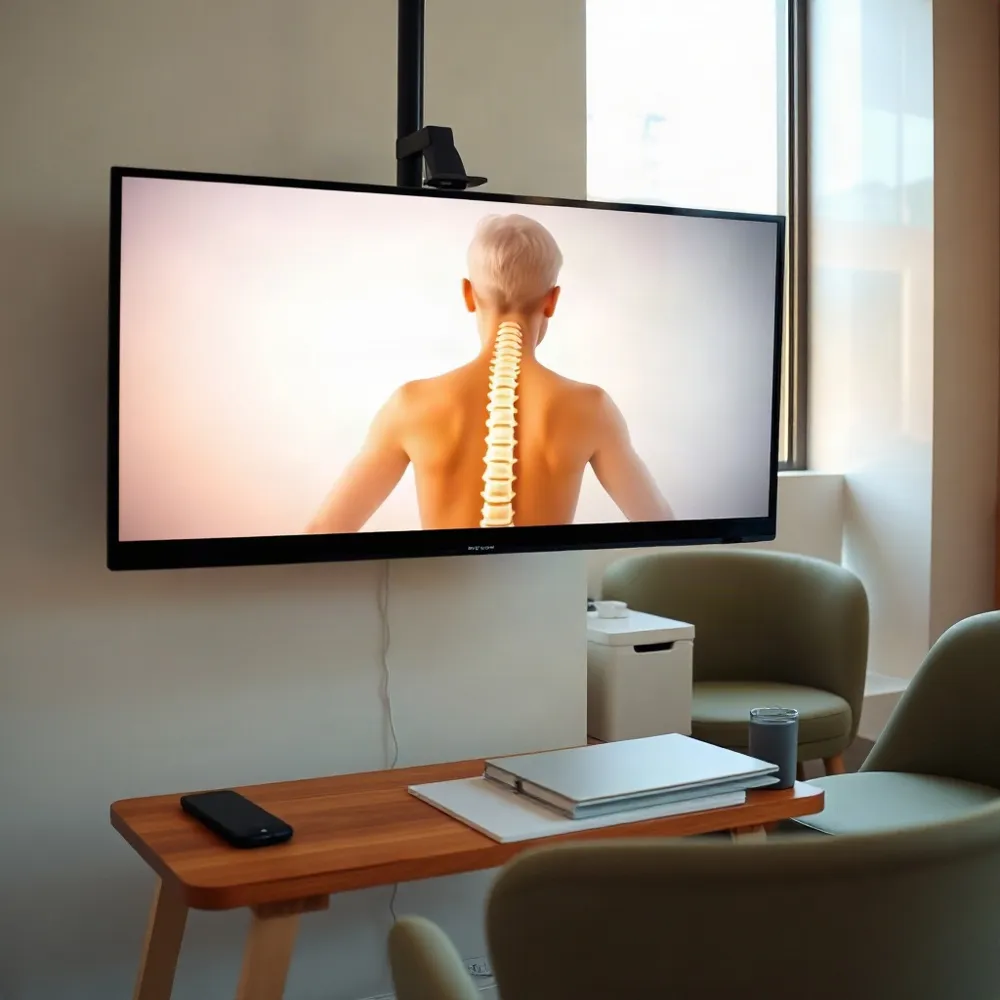 Disc degeneration develops gradually, but clinicians do not use one universal staging system. Imaging may describe the condition in different ways, so a stage label should be read in the context of the report and a clinical assessment.
One commonly described four-stage framework begins with disc dehydration and small tears. Changes may then include a bulging disc, followed by herniation, and more advanced degeneration with substantial disc-height loss and changes in nearby joints or bone. This is a general model, not a sequence every person follows.
Terms such as “moderate” and “advanced” generally describe the structural changes visible on imaging. Their precise meaning depends on the grading system and the findings reported. The ChoosePT guide to degenerative disk disease explains that imaging should be considered alongside a person’s symptoms and examination, rather than interpreted by itself.
An imaging label cannot reliably tell you how much pain or disability someone will have. Some people have noticeable disc changes with few symptoms, while others experience pain with less visible change. At southeastchiro.com, care includes an assessment of symptoms and function alongside spinal health concerns, helping put scan findings in context. A clinician can explain what the report means and whether further evaluation or care is appropriate.
What Lifestyle Changes Can Support
Lifestyle changes may support spinal health, reduce avoidable strain, and help manage symptoms, but they cannot reliably stop or reverse established disc changes. Age, genetics, and other factors also shape how degeneration develops. The Hospital for Special Surgery overview of degenerative disc disease notes that smoking and obesity are associated with the condition, while established structural changes generally do not improve.
Regular movement can help maintain strength, flexibility, and everyday function. Walking, swimming, or other comfortable low-impact activity may suit some people, while the right pace and exercises depend on symptoms and health. A healthcare professional can help tailor an activity plan and adjust it if movements increase pain.
Avoiding tobacco and working toward a weight that supports overall health may reduce risk factors and ease mechanical stress. Diabetes, blood pressure, and cholesterol are also worth discussing with a clinician as part of a broader health plan. Addressing these concerns may support general well-being, but it should not be presented as a way to repair damaged discs.
Posture adjustments and brief movement breaks can make long periods of sitting or standing more comfortable. Change position regularly and use a workstation setup that lets you sit without sustained bending or slouching. These habits can reduce prolonged static loading, but they are not a guarantee against disc degeneration. At Southeast Family Chiropractic in Gastonia, individualized chiropractic and rehabilitative care can help patients discuss movement and daily habits in the context of their needs.
Choosing Exercise That Fits
 Exercise and physical therapy may ease symptoms and support strength, flexibility, mobility, and everyday function. They do not restore discs to an earlier condition, and the right plan depends on a person’s symptoms, abilities, and goals.
Options may include walking, swimming, or cycling, along with gentle mobility work and exercises that strengthen the trunk and the muscles supporting the spine. At Southeast Family Chiropractic in Gastonia, care may include rehabilitative treatment as part of a personalized approach to spinal health. A clinician can help match activities to your needs and adjust them as your tolerance changes.
A 2025 systematic review found that exercise-based rehabilitation generally reduced pain and improved function for people with lumbar disc degeneration, but the studies do not show that exercise halts or reverses structural changes. The review of exercise-based rehabilitation also emphasizes that programs varied, so its findings are not a single exercise prescription.
Begin at a manageable level and increase activity gradually. Stop or modify a movement that causes pain or makes symptoms worse, and seek professional guidance before starting or changing a routine. Physical therapy can be tailored to individual symptoms and daily needs, as described in the ChoosePT guide to degenerative disk disease.
New or worsening weakness or numbness, or problems controlling the bladder or bowels, require prompt medical assessment. These symptoms should not be managed by simply changing an exercise routine.
Movements to Modify
There is no universal list of exercises that everyone with degenerative disc disease must avoid. Pay attention to how an activity affects your symptoms, and ask a qualified clinician to help adjust your routine. The ChoosePT guide to degenerative disk disease recommends tailoring activity to a person’s symptoms and abilities.
High-impact exercise, repeated bending or twisting, and heavy lifting may need to be reduced or modified if they trigger or worsen pain. When lifting, move in a controlled way, keep the load close, and avoid twisting while carrying something heavy. At Southeast Family Chiropractic in Gastonia, North Carolina, care may include rehabilitative treatments tailored to a patient’s needs, rather than treating one exercise list as suitable for everyone.
Long periods of sitting can add to discomfort for some people, so change position and take brief movement breaks. Walking, swimming, or cycling may be more comfortable lower-impact options. Start at a manageable level and increase activity gradually, guided by your symptoms and clinical advice.
Stop the activity and seek medical advice if you develop new or worsening pain that radiates into an arm or leg, numbness, or weakness. A clinician can assess these symptoms and help determine what movement is appropriate.
Care for Pain and Function
Care for disc-related symptoms generally aims to reduce pain and help you keep up with daily activities. It does not restore ordinary age-related disc wear, and imaging findings alone do not show whether a disc is causing symptoms. A clinician considers imaging alongside your history and examination, as explained by the Cleveland Clinic’s guide to degenerative disk disease.
Common starting points include staying active within your comfort level and working with a qualified professional on exercises for strength, flexibility, and mobility. Physical therapy can help tailor activity to your symptoms and goals; the ChoosePT guide to degenerative disk disease describes exercise and education as parts of conservative care.
A healthcare professional may also consider pain-relief medication, including an anti-inflammatory, for short-term symptom control. These medicines are not suitable for everyone, so discuss your health history, other medications, and possible risks before using them. Southeast Family Chiropractic in Gastonia offers rehabilitative care and chiropractic adjustments as part of a personalized, non-invasive approach, while medication decisions belong with a qualified medical professional.
If pain persists, limits everyday function, or travels into an arm or leg, seek a medical assessment. A clinician can check for other causes and discuss whether an injection or another treatment is appropriate. Chiropractic care may help guide conservative management and identify when further medical evaluation is needed, but adjustments should not be presented as a way to stop or reverse disc degeneration.
Why Disc Changes Cannot Be Reversed
Can degenerative disc disease be cured or reversed? Established disc changes generally cannot be restored to an earlier condition through lifestyle measures, and no guaranteed cure is known. Disc wear is often part of aging, and imaging findings do not always cause pain or other symptoms, as the Cleveland Clinic explains.
That distinction matters: a scan describes structure, but it does not by itself show how much pain someone will feel or what they can do. Treatment may not rebuild a disc, yet appropriate care can often help reduce symptoms and support mobility and daily function. Guided exercise and rehabilitation are among the options that can be tailored to a person’s needs, according to the ChoosePT guide to degenerative disk disease.
At Southeast Family Chiropractic in Gastonia, care includes chiropractic adjustments and rehabilitative treatments, with recommendations based on the individual rather than a promise of disc regeneration. A qualified healthcare professional can assess symptoms, movement, and relevant health history, then discuss suitable options. Be cautious of claims that a particular exercise, supplement, or treatment can reliably restore disc structure or prevent all future changes.
A Sustainable, Individualized Plan
Healthy habits and appropriate care can support movement and help manage symptoms, but they should not be presented as a cure or a guarantee that disc degeneration will stop. Structural changes may remain even when pain and function improve, as Hospital for Special Surgery explains.
A plan works best when it fits your symptoms, health, and everyday goals. A qualified healthcare professional can help you choose suitable activity, adapt movements that aggravate pain, and decide when further assessment is appropriate. At Southeast Family Chiropractic in Gastonia, care may include personalized chiropractic adjustments and rehabilitative treatments, with recommendations guided by an individual’s needs rather than a one-size-fits-all routine.
Keep track of what helps you move and function comfortably, and seek advice if symptoms persist, worsen, or include weakness or numbness. Disc changes on a scan do not, by themselves, determine what you can do; ChoosePT’s guide notes that many people remain active despite these findings. A diagnosis does not automatically rule out an active, meaningful life.