Modern Approaches to Addressing Chronic Spine Pain and Mobility
For patients grappling with persistent back pain, the traditional pathway is shifting away from invasive procedures toward non-surgical interventions that prioritize natural healing. At southeastchiro.com, our approach centers on restoring structural alignment and function through non-invasive technologies that minimize recovery time while maximizing patient comfort.
Integrated care models often pair non-surgical spinal decompression with low-level laser therapy to address both mechanical and cellular health. By utilizing computerized tables to gently reduce intradiscal pressure, practitioners at southeastchiro.com provide an effective alternative for those seeking to avoid surgery for conditions like disc herniation and sciatica.
Recent findings underscore the efficacy of these modalities. Studies on laser-assisted disc decompression show high success rates in managing leg pain associated with lumbar disc issues. Unlike aggressive surgical techniques, this combined approach facilitates improved circulation and nutrient flow to damaged tissues, supporting the long-term goal of pain-free movement.
Understanding Non-Surgical Spinal Decompression Therapy
 Non-surgical spinal decompression serves as a specialized evolution of traditional traction therapy, designed to address chronic back pain through sophisticated, computer-assisted movement. Unlike older mechanical methods, this approach uses motorized tables to generate intermittent cycles of distraction and relaxation. By precisely adjusting the force applied to specific spinal segments, these systems lower intradiscal pressure without triggering the muscle guarding or bracing responses often seen in passive stretching.
The physiological impact of this pressure reduction is substantial. By promoting a negative pressure environment within the disc, the treatment facilitates the influx of water, oxygen, and essential nutrients to damaged tissues. Clinical observations correlate this process with restored disc height and improved structural support, helping to manage conditions ranging from herniated or bulging discs to degenerative disc disease and facet syndrome.
Is spinal decompression therapy safe and effective?
Spinal decompression therapy is a safe, non-invasive, and effective treatment option for many patients suffering from chronic pain. By gently stretching the spine, this therapy relieves pressure on compressed discs and joints, which helps to decrease inflammation and swelling. This process not only provides significant pain relief but may also facilitate the body's natural healing by supporting the generation of new, healthy tissue. Furthermore, it serves as a valuable clinical tool for managing conditions like sciatica and disc-related injuries. To ensure the best outcomes, the team at southeastchiro.com evaluates each patient's diagnostic imaging to confirm candidacy and tailor the treatment intensity to their unique physical requirements.
While evidence exists regarding positive outcomes for disc-related pain, safety remains a priority. Qualified practitioners at southeastchiro.com emphasize that this modality is most effective when integrated into a comprehensive care plan. By combining mechanical decompression with synergistic interventions like therapeutic exercise or laser applications, patients often achieve better mobility and long-term relief compared to isolated or conservative-only pathways.
The Role of Laser Therapy in Integrative Care Plans
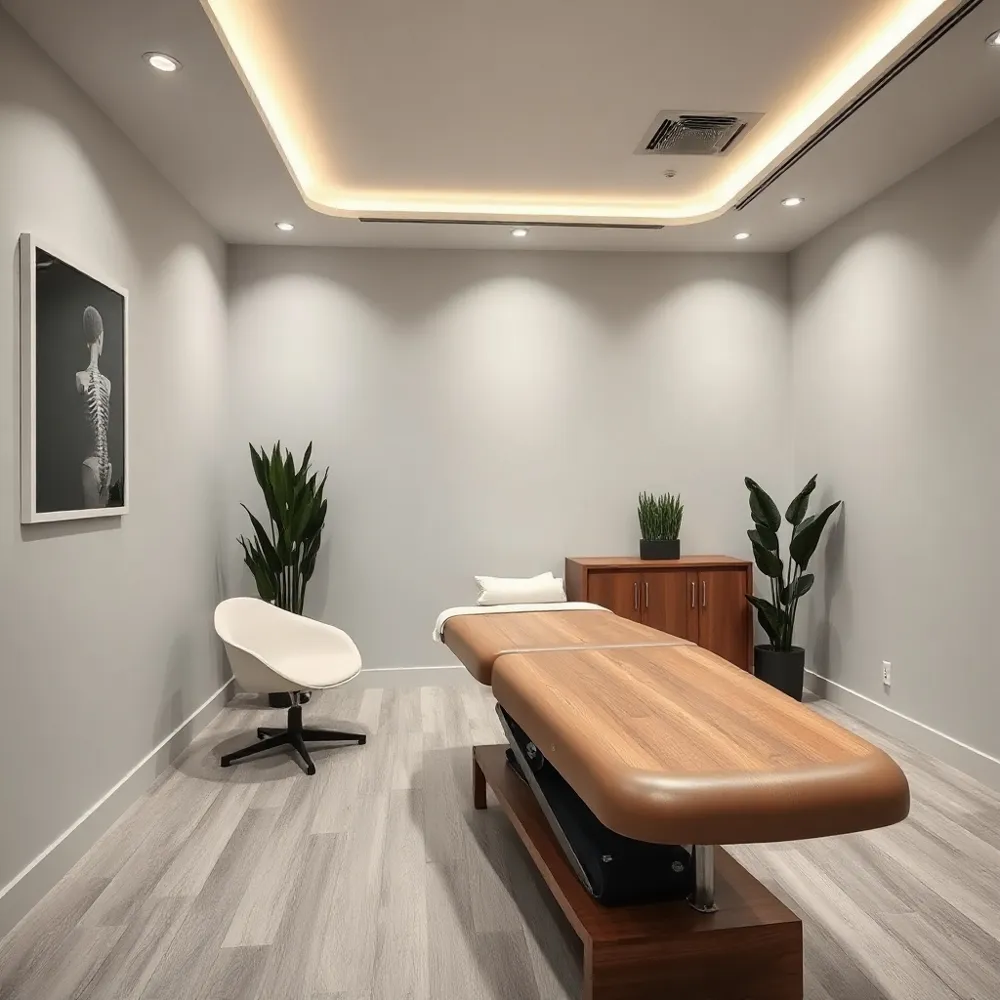 Low-level laser therapy (LLLT) functions by delivering specific light wavelengths to tissues, which stimulates cell regeneration and enhances local blood flow to reduce inflammation. At southeastchiro.com, this technology is integrated into customized care plans alongside chiropractic adjustments to address both structural alignment and cellular repair. Unlike standard mechanical interventions, this dual-approach allows for precise targeting of myofascial trigger points that often contribute to persistent discomfort.
Is chiropractic laser therapy considered a legitimate treatment?
Clinical research validates the use of low-level laser therapy within rehabilitative and chiropractic settings. Observation studies have demonstrated that patients with chronic spinal pain, including those who previously failed conventional treatments, achieve statistically significant pain reduction when combining non-surgical spinal decompression with laser application. In lumbar cases, patients reported an average pain reduction of 4.3 points on a 10-point scale after an average of 15 visits.
What is the average cost of laser therapy for conditions like sciatica?
Costs for laser-supported therapy generally range between $50 and $150 per session depending on the required intensity and reach of the device. At southeastchiro.com, we prioritize a patient-centered model that recognizes that addressing complex conditions like sciatica often requires a series of sessions rather than a single visit. Because treatment plans are personalized to the individual's underlying spinal health and history, we suggest scheduling a consultation to determine the specific frequency and duration needed for recovery. Our team identifies the most efficient path for your care, helping you avoid unnecessary expenses while focusing on long-term spinal wellness.
Comparing Percutaneous Laser Techniques and Standard Surgical Procedures
 For patients considering intervention for disc-related back pain, the clinical landscape often contrasts traditional open surgery with Percutaneous Laser Disc Decompression (PLDD). While at southeastchiro.com we focus on non-invasive decompression and laser therapies, understanding how these differ from invasive options is critical for informed decision-making.
What is the difference between percutaneous laser disc decompression (PLDD) and a traditional discectomy?
Traditional surgery, such as a microdiscectomy, often involves direct incisions to reach the spine, which can require muscle retraction and potential scarring. In contrast, PLDD uses a thin needle guided by imaging to deliver laser energy into the center of the disc. This heat reduces internal pressure, causing the herniated portion to retract naturally without the need for traditional cutting or tissue removal. Unlike open surgery, which is often considered the standard for nerve decompression, PLDD is performed on an outpatient basis. It typically requires no general anesthesia, leaves no scarring, and often allows patients to return to daily activities within a week.
A notable benefit of opting for non-invasive protocols first is the preservation of future options. Because procedures like those facilitated at southeastchiro.com do not involve permanent structural changes or hardware, patients still retain the flexibility to pursue more invasive medical interventions later if necessary. Some clinical research supports that Laser-assisted disc decompression represents a viable pathway for patients who have not achieved relief through initial conservative care, offering a middle ground between superficial therapy and surgical intervention.
Expectations for Treatment Duration and Long-Term Results
Achieving lasting relief from chronic spinal conditions often involves more than a single visit. For many patients, a standard non-surgical spinal decompression protocol typically spans 20 to 40 sessions, depending on the severity of the disc-related issues and individual healing rates. Each session generally lasts between 20 and 45 minutes, allowing the therapeutic tables to systematically reduce intradiscal pressure and encourage the retraction of bulging or herniated material.
How many sessions are typically required for spinal decompression therapy?
The frequency and duration of treatment are tailored to an individual’s specific clinical presentation. While symptomatic improvements often appear within a few visits, a full course of care is vital to support the internal repair process. At southeastchiro.com, treatment plans are customized after thorough diagnostic review to prioritize patient safety and progressive mobility. By adhering to a consistent schedule, patients can provide their spine with the reliable conditions needed for long-term decompression and nutrient absorption.
Is spinal decompression therapy considered a permanent fix for back pain?
While non-surgical decompression is a powerful tool for managing pain and restoring disc health, it functions best as part of a comprehensive, life-long strategy. Research indicates that successful outcomes often hinge on an integrated approach, with one study showing that 71% of patients with chronic herniations experienced relief lasting an average of 22 months [per 2010 data published in The Spine Journal](https://drdigrado.com/does-non-surgical-spinal-decompression-work/). Because the underlying causes of spine pain, such as degenerative wear, often persist over time, success is rarely found in a single quick fix.
Long-term results are most secure when patients remain active participants in their own spinal health. Maintenance care, including core-strengthening exercises, posture correction, and periodic professional evaluations, helps keep the musculoskeletal system stabilized. By pairing clinical decompression therapy with these lifestyle shifts, patients can manage their symptoms proactively and build the foundational stability necessary for lasting wellness.
Navigating Insurance Coverage and Patient Resources
Is non-surgical spinal decompression typically covered by insurance?
Most insurance providers categorize non-surgical spinal decompression as an experimental or investigational treatment, which often results in it being excluded from standard coverage. Because these services are frequently viewed as non-reimbursable, patients often handle these expenses out of pocket. While southeastchiro.com focuses on providing accessible, evidence-based care, it is common for the industry to see a gap between clinical demand and insurer reimbursement policies.
Though mechanical decompression itself may not be covered, some insurance plans do provide benefits for manual traction or specific chiropractic adjustments when they are integrated into a broader, medically necessary care plan. Coverage details can vary significantly based on your specific insurance carrier and local state regulations, so verifying your unique benefits is a critical first step. Contacting your insurance provider directly or discussing your options with our administrative staff allows you to identify potential coverage for related services before beginning your treatment.
Taking Proactive Steps Toward a Healthier Spine
Finding the right balance between advanced technology and holistic care is essential for sustained spinal health. At southeastchiro.com, we integrate mechanical decompression and targeted laser therapy with personalized, hands-on adjustments to address the root causes of pain rather than just symptoms. This comprehensive approach promotes lasting mobility and tissue repair that isolated treatments may overlook.
Commitment to long-term wellness requires more than a single session. By focusing on consistent spinal care, patients often experience significant, meaningful pain reduction as reported in recent physical medicine studies. Regular assessments help maintain structural integrity, allowing you to regain daily function and avoid the dependency on invasive alternatives.
Every spine is unique, and progress begins with a clear understanding of your specific needs. We invite you to visit southeastchiro.com to schedule a professional evaluation. Our team evaluates your history and imaging to build a road map for your recovery, ensuring your path toward relief is safe, proactive, and tailored to your goals.