A New Light on an Old Ache
What Is Chiropractic Laser Therapy?
 Chiropractic laser therapy, often called low level laser therapy (LLLT) or photobiomodulation, is a non-invasive treatment that uses specific wavelengths of low-intensity red and near-infrared light to penetrate tissues and stimulate healing. This process is completely non-thermal, meaning it does not rely on heat to work. Instead, the light energy is absorbed by cells, where it boosts mitochondrial function and increases cellular energy production, which helps reduce pain and inflammation while accelerating tissue repair.
Mechanism. Laser therapy works by delivering photons into the tissue, where they trigger a cascade of cellular responses, including increased ATP production, improved blood flow, and reduced oxidative stress. These effects help calm irritated nerves, ease joint stiffness, and promote the body's natural healing response.
Non-Invasive. Because it is entirely non-invasive, laser therapy presents a drug-free alternative to steroids or oral pain medications. It is often combined with chiropractic care and other conservative treatments, with many patients finding it a comfortable and effective complement to spinal adjustments, per chiropractic laser therapy guidance.
Clinically Supported. Research supports laser therapy as an effective option for managing arthritis pain and other musculoskeletal conditions. A 2003 study published in the Annals of Rheumatic Diseases found that low level laser therapy can reduce pain and improve function in patients with osteoarthritis and rheumatoid arthritis, providing relief for months after treatment. More recent research, such as a 2023 review in Curēus, continues to highlight its benefits, although investigators note that standardized protocols are still needed. These findings are reported on PubMed and PMC.
Safety and Legitimacy of the Treatment
 Laser therapy, also known as low level laser therapy (LLLT) or photobiomodulation, uses specific wavelengths of low-intensity red and near-infrared light to penetrate tissues and stimulate healing. Unlike surgical lasers that cut tissue, therapeutic lasers deliver gentle light energy at the cellular level. The process is non-thermal, meaning it does not produce heat that damages tissue, yet it still triggers a biological response that reduces pain and inflammation while accelerating repair.
In a chiropractic setting, this approach complements spinal adjustments by addressing the underlying tissue inflammation that often accompanies joint dysfunction. According to a review published in the National Institutes of Health, low level laser therapy has been shown to reduce pain and improve function in osteoarthritis and rheumatoid arthritis. The therapy is delivered through a handheld device placed directly on the skin over the affected joint, and a typical session lasts only a few minutes. Because it is non-invasive, drug-free, and carries minimal side effects, it fits naturally into a holistic care plan.
How It Works at the Cellular Level
The science behind LLLT centers on the mitochondria, the energy-producing structures inside cells. Photons of red or near-infrared light are absorbed by chromophores in the mitochondria, which triggers a cascade of biochemical reactions. This process increases cellular energy production, reduces oxidative stress, and promotes the release of anti-inflammatory compounds. The result is less pain, less swelling, and faster healing of damaged tissues. You can read more about this mechanism in The Science Behind Laser Therapy in Pain Relief, which details how photobiomodulation works in clinical practice.
For patients with arthritis, this translates into measurable benefits. Arthritis Australia's overview of LLLT notes that the therapy can provide pain relief without the side effects commonly associated with anti-inflammatory medications. Similarly, a 2023 review in PMC on non-surgical knee osteoarthritis management lists laser therapy among the evidence-supported options for reducing pain and improving joint function in the knee.
What to Expect During a Session
A typical session at Southeast Family Chiropractic begins with a brief assessment of the affected joint, followed by placement of the laser handpiece directly on the skin. You may feel a gentle warmth or a slight tingling sensation, but no pain. Sessions usually last between 5 and 15 minutes, depending on the area being treated. Many patients notice a reduction in pain after the first few sessions, though a course of treatment is often needed to achieve lasting results. The Mayo Clinic's guide to non-surgical knee arthritis options explains that such alternatives can delay or avoid the need for surgery, which aligns with the conservative approach favored by most chiropractors.
Laser Therapy vs. Traditional Arthritis Treatments
When compared to steroid injections or long-term use of nonsteroidal anti-inflammatory drugs (NSAIDs), laser therapy stands out for its lack of systemic side effects. Steroids can degrade cartilage over time, and NSAIDs may cause gastrointestinal issues. Laser therapy, on the other hand, stimulates the body's natural healing mechanisms without introducing foreign substances. A review of laser therapy in chiropractic published in the Journal of the Canadian Chiropractic Association highlights its utility as an adjunct to spinal adjustments. The Arthritis Foundation's page on non-surgical osteoarthritis treatments also lists laser therapy as a viable option for patients who wish to avoid surgery.
| Aspect | Laser Therapy | Traditional Options |
|---|---|---|
| Invasiveness | Non-invasive, no incisions | Injections or surgery |
| Side Effects | Minimal, temporary warmth | Medication side effects, infection risk |
| Pain Relief Timing | Often after a few sessions | Immediate with steroids, but temporary |
| Healing Stimulation | Yes, cellular repair promoted | No, symptom mask only |
| Suitability | Good for most arthritis types | Varies; not for all patients |
For specific joint pain, such as arthritis in the knee, the Society of Interventional Radiology's findings confirm that non-surgical approaches like laser therapy can quickly reduce knee pain and improve function, offering a promising alternative to more invasive procedures.
Safety and Suitability
Laser therapy is generally safe, with the Australian Arthritis Society noting it carries few side effects when administered by trained professionals. Most patients can resume normal activities immediately after a session. However, it is not recommended for people who are pregnant, have certain photosensitive conditions, or are taking specific medications that increase light sensitivity. A chiropractic-focused resource explains that a proper assessment by a qualified practitioner is essential to determine candidacy and to rule out any contraindications.
How Laser Therapy Helps Arthritic Joints
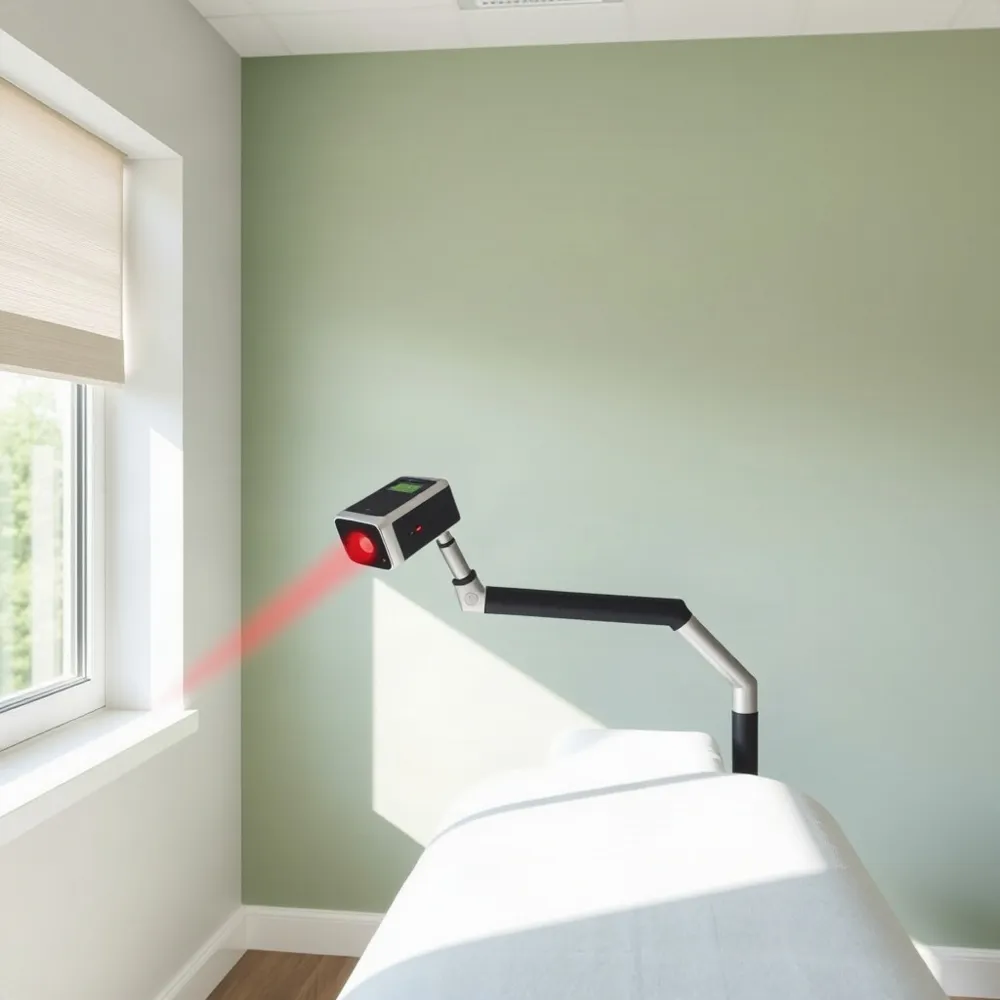 Red and near-infrared laser wavelengths are not a random or experimental choice. Their effects trace back to decades of photobiology research, and a growing body of clinical studies has tested them specifically for arthritis. Two primary forms dominate: low-level laser therapy (LLLT), also called cold laser therapy, and MLS laser therapy, which delivers a multiwave, pulsed form of the same light. Both are non-thermal, meaning they do not heat tissue, and both are applied externally over the affected joint.
What the Clinical Evidence Shows
In osteoarthritis, the scientific record is mixed but directionally positive. A review of low-level laser therapy for knee and hand osteoarthritis reported that LLLT can reduce pain and improve function, with the effect more pronounced when a treatment dose, rather than a placebo-like application, is used. The same review noted that results vary widely with dose and wavelength, which helps explain why some studies show little benefit while others show clear improvement. For rheumatoid arthritis, one early randomized trial found that LLLT reduced pain and morning stiffness in the short term, with the original 2001 study still widely cited as a reference point.
The most convincing support comes from reviews that combine multiple trials. A 2023 umbrella review in the PMC collection synthesized dozens of studies and concluded that low-level laser therapy, used alone or with exercise, offers measurable short-term pain relief and improved mobility for people with knee osteoarthritis. The authors flagged that long-term data are thinner and that consistent dosing protocols are needed before head-to-head comparisons with other treatments are reliable.
For a broader glance at where the therapy fits, the Australian Arthritis Foundation describes LLLT as a reasonable non-invasive option, noting that it works by stimulating cellular energy production and local blood flow rather than by masking symptoms. Professional bodies, including the American College of Rheumatology and Arthritis Australia, now list laser therapy among the non-surgical treatments worth considering for people who want to delay or avoid joint replacement.
Not every patient responds identically. The reasons for the variability are well understood: the dose delivered at the joint, the depth of the target tissue, the number of sessions, and the individual's inflammatory state all influence outcome. A practical reading of the research is that laser therapy is not a one-session fix, but rather a treatment that typically requires a short course of visits to build a cumulative response, a pattern that matches how the therapy is commonly delivered in chiropractic and physiotherapy clinics.
How Laser Therapy Compares With Other Non-Surgical Options
When weighed against corticosteroid injections, oral anti-inflammatories, and physical therapy, laser therapy offers a distinct profile: it is non-invasive, drug-free, and has essentially no risk of the systemic side effects associated with long-term NSAID use. The Mayo Clinic Health System lists it among several conservative options for knee arthritis, alongside exercise, weight management, and bracing, and notes that it can be combined with these approaches. The trade-off is that insurance coverage is inconsistent and the evidence base, while encouraging, is not as deep as the research behind exercise and weight loss.
At Southeast Chiropractic, the approach blends this research into a practical protocol. While many clinicians offer laser therapy as a standalone add-on, the integration with chiropractic adjustments and rehabilitative exercises means the treatment is paired with structural correction, not used in isolation. That pairing addresses both the pain signal and the underlying biomechanical stress, which the research suggests may be why combination approaches tend to outperform laser alone in the studies that test them. The science of laser therapy is described in detail on the practice's site, including the photobiomodulation mechanism that underpins the cellular response.
What the Evidence Does Not Yet Tell Us
The main gaps in the literature are consistent: small sample sizes, short follow-up periods, and the absence of a standardized treatment dose. Because of this, no responsible clinician will promise a cure, and the research supports that caution. What the evidence does support is that a meaningful proportion of patients with osteoarthritis and, to a lesser degree, rheumatoid arthritis, experience reduced pain and improved joint function over a period of weeks, and that the therapy is low-risk compared with surgery or long-term medication.
For anyone weighing a non-surgical treatment plan, the decision is less about whether laser therapy is a magic bullet and more about whether it fits into a comprehensive plan that includes movement, strength, and joint alignment. The research says it can, and increasingly, professional guidelines agree. A first step is a conversation with a clinician who can review your images and symptoms and design a protocol that matches the evidence rather than a one-size-fits-all schedule.
| Study / Source | Population | Key Finding |
|---|---|---|
| 2001 RCT (PubMed) | Rheumatoid arthritis | Reduced pain and morning stiffness short-term |
| 2023 umbrella review (PMC) | Knee osteoarthritis | Short-term pain relief and improved mobility with LLLT |
| Arthritis Australia | Osteoarthritis / RA | Describes LLLT as a reasonable non-invasive option |
| Mayo Clinic Health System | Knee arthritis | Lists laser among conservative alternatives to surgery |
Laser Therapy vs. Injections and Other Options
Scope. Laser therapy delivers targeted light energy directly to the inflamed joint, making it a site-specific approach. By contrast, oral anti-inflammatories and corticosteroid injections circulate or act systemically, often affecting the entire body. This localized focus is one reason low-level laser therapy has gained attention in arthritis care.
Mechanism. Instead of masking pain signals, laser therapy works at the cellular level. Photons penetrate the tissue and stimulate mitochondria to produce more ATP, which reduces inflammation and promotes healing. Medications, on the other hand, typically block pain receptors or suppress inflammatory pathways without addressing the underlying tissue state.
Safety profile. Because laser therapy is non-invasive and drug-free, it carries a lower risk of adverse effects than long-term NSAID use or steroid injections. The Arthritis Foundation notes that some patients experience mild skin redness or warmth, but serious complications are rare. Southeast Chiropractic follows established clinical protocols to maximize safety.
Time to results. Many patients report noticeable pain reduction after a short course of treatment, though optimal results often require multiple sessions. A 2001 review of low-level laser therapy for arthritis noted improvements in pain and function, but emphasized that outcomes depend on dosage and treatment frequency. Your chiropractor can outline a realistic timeline based on your condition.
Why Some Patients Choose Laser Over Injections
Corticosteroid injections can provide rapid relief, but the effects are temporary and repeated use carries risks. In contrast, laser therapy aims to stimulate the body's own healing response, addressing the underlying inflammation. For patients who prefer a conservative first step, this distinction is significant.
Patients often ask whether laser therapy is better than steroid injections. The answer depends on individual goals. If you're seeking a non-pharmaceutical option with minimal side effects, laser therapy is compelling. However, it's important to set realistic expectations. A 2017 chiropractic review describes the evidence as promising but mixed, highlighting the need for individualized treatment plans.
Integrating Laser Therapy with Chiropractic Care
At Southeast Chiropractic in Gastonia, NC, laser therapy is not a standalone fix. It's paired with spinal adjustments and rehabilitative exercises to correct the underlying biomechanical issues that contribute to joint wear. This combined approach addresses both symptoms and cause, which explains why Mayo Clinic Health System recommends considering alternative non-surgical strategies before joint replacement.
Chiropractic adjustments restore joint mobility, while laser therapy reduces inflammation and promotes cellular repair. Together, they offer a holistic pathway to pain relief that is distinct from the injection-first approach. For those exploring options, this integrative model is a key advantage.
| Treatment Option | Mechanism | Suitability |
|---|---|---|
| Chiropractic laser therapy | Cellular ATP stimulation | Chronic joint pain, inflammation |
| Corticosteroid injections | Immune suppression | Acute flare-ups |
| Oral NSAIDs | Enzyme inhibition | Generalized pain |
| Surgery | Mechanical correction | Failed conservative care |
The table above outlines how chiropractic laser therapy fits within the broader non-surgical landscape. Its low risk profile and tissue-healing effects make it a strong candidate for many arthritis patients. However, the right choice depends on your specific condition, overall health, and treatment history.
Some practices offer laser therapy as a standalone modality. At Southeast Chiropractic, it's integrated into a personalized care plan that includes chiropractic adjustments and lifestyle guidance. This holistic approach is what sets it apart from injection-based protocols.
Ultimately, the decision between laser therapy and other options is a personal one. By understanding how each works and what it offers, you can make an informed choice that aligns with your wellness goals.
Home Devices vs. Professional Sessions
For many people, the decision comes down to a straightforward choice between a steroid injection and a course of laser therapy. Steroid injections work by delivering a potent anti-inflammatory medication directly into the joint, and they can provide rapid relief from arthritis pain. However, that relief is often temporary, and repeated injections can lose effectiveness over time. Research has also raised concerns about the long-term effects of frequent steroid use on joint health.
By contrast, low-level laser therapy (LLLT), sometimes called cold laser therapy, uses specific wavelengths of red and near-infrared light to penetrate the tissues and stimulate cellular repair. This process is completely non-thermal, meaning it does not heat or damage the tissue, and it works by encouraging the body's own healing mechanisms. As a non-invasive, drug-free option, laser therapy carries minimal side effects and can be used repeatedly, making it an attractive alternative for those who want to avoid repeated injections or who have not found lasting relief from them.
A key difference is the underlying approach. Steroid injections treat the symptom of inflammation, often offering a quick but short-lived respite. Laser therapy, on the other hand, aims to address the underlying tissue dysfunction by promoting cellular regeneration and improving blood flow. According to a 2021 review of non-surgical knee osteoarthritis management, laser therapy is one of several conservative options that can help manage pain and improve function. While the osteoarthritis in your knee may not be curable, the goal of treatment is to manage symptoms and slow progression, and laser therapy offers a path that does not involve the repeated use of medications.
When comparing outcomes, the evidence for laser therapy is growing. A separate analysis of low-level laser therapy for arthritis noted positive effects on pain relief and function, though results can vary. Many patients find that a series of laser sessions, often combined with chiropractic care, provides a more sustainable and gradual improvement than a single injection. For those considering their options, southeastchiro.com's advanced laser therapy offers a non-invasive approach to managing joint inflammation, and can be a concrete alternative to the cycle of injections. This means the choice is not just about the immediate moment of pain relief, but about the long-term strategy for your joint health.
It is also worth noting the safety profiles. While steroid injections for knee arthritis can be effective, they carry risks such as infection, nerve damage, and a negative impact on cartilage health when used repeatedly. A Mayo Clinic overview of knee arthritis treatments outlines alternatives to knee replacement, and notes that non-surgical options like physical therapy and injections are the first line of defense. For patients who want to minimize their exposure to medications and needles, laser therapy presents a compelling option, especially when integrated with chiropractic care as offered by southeastchiro.com's modern practice. The science behind this approach is explained in our guide to laser therapy for pain relief, which details how photobiomodulation works at the cellular level.
Beyond Humans: Laser Therapy for Dogs and Other Insights
Laser therapy, also known as low-level laser therapy (LLLT) or photobiomodulation, works by delivering specific wavelengths of red and near-infrared light into the tissues. The light is absorbed by mitochondria within your cells, jump-starting the production of adenosine triphosphate (ATP). Increased ATP powers cellular repair, reduces inflammation, and eases pain signals, all without heat or tissue damage. According to the Arthritis Foundation, this targeted energy process is what makes the therapy non-invasive and, for many, a comfortable alternative to more aggressive treatments.
The mechanism goes beyond a simple shine-and-soothe routine. Photobiomodulation promotes local blood flow, which brings oxygen and nutrients to stiff or injured joints while flushing away inflammatory chemicals. Research published in the National Library of Medicine describes how laser application alters cellular activity, supporting the body’s natural healing response over several sessions. For patients with chronic knee or hip discomfort, this means you are assisting your body in rebuilding tissue, not just masking the ache.
Cellular repair. The laser boosts ATP and protein synthesis, encouraging cartilage and soft-tissue cells to regenerate.
Inflammation control. By curbing pro-inflammatory signals, the therapy reduces swelling at the joint surface.
Nerve calming. It raises the pain threshold in local nerve endings, which is why many patients report fast relief after a session.
Types of Laser Therapy
Not all lasers are the same. Class 3B and Class 4 lasers deliver higher power, which lets practitioners apply more energy in less time, reaching deeper joint structures like the knee or hip. Lower-powered cold lasers, also called LLLT, are gentler and suited for superficial joints such as the hands or feet. The choice depends on the target joint and the depth of inflammation. For example, the Non-Surgical Osteoarthritis Treatments overview from the Arthritis Foundation notes that both approaches can reduce pain and improve function, though efficacy varies with dosage and frequency.
Chiropractors often pair laser therapy with spinal adjustments or targeted exercises. Studies, including a review on low-level laser therapy for knee osteoarthritis, found that combining modalities yields more consistent outcomes than either treatment alone. This is especially relevant for patients who have tried steroid injections or NSAIDs and want to reduce reliance on medication. At southeastchiro.com, the laser protocol is customized to your joint, using a class of therapy designed to complement the adjustments you already receive.
What to Expect During a Session
A typical session is quick and painless. You will feel a mild warmth on the skin as the handpiece moves over the joint, but there is no vibration, pressure, or needles involved. Most patients require a series of 6 to 12 visits, depending on the severity of the joint damage. Some respond faster, feeling reduced stiffness within the first few treatments; others need consistent sessions to see cumulative results. Chiropractors typically reassess at the halfway point to adjust the dosage or frequency.
A Brighter Path Forward
A typical MLS laser therapy session for arthritis is brief and comfortable, often lasting between 10 and 20 minutes depending on the area being treated. Patients usually feel a gentle warmth at the site, but the procedure remains non-invasive and painless, which is why it is often described as a relaxing experience. Unlike surgical options, there is no downtime, and most people return to their daily activities immediately after the appointment.
The number of sessions needed varies based on the severity of the arthritis and the individual’s response. Many practices recommend an initial course of several visits over a few weeks, followed by maintenance sessions. Notably, a 2015 study found that low-level laser therapy can reduce pain and improve function in people with osteoarthritis, with benefits often becoming noticeable after a few treatments. Your chiropractor will tailor a plan to your specific joint issues and overall health.
Combining Laser Therapy with Other Care
Laser therapy works well as part of a broader non-surgical approach to arthritis management. It is commonly paired with chiropractic adjustments, targeted exercises, and lifestyle guidance to address both the symptoms and the underlying mechanical issues. This integrative model mirrors the philosophy at Southeast Chiropractic, where treatment focuses on whole-body wellness rather than a quick fix. Compared to relying solely on medications or injections, this combined strategy offers a natural path that many patients find appealing.
Arthritis organizations like the Arthritis Foundation highlight low-level laser therapy as a reasonable alternative worth exploring, alongside other conservative treatments. The goal is to reduce reliance on painkillers and postpone or avoid surgery. Each person’s condition is unique, so the treatment plan is always personalized, ensuring that laser therapy fits seamlessly into a holistic care routine.
If you’re considering this approach, the next step is a professional evaluation. A chiropractor can assess your joint health, discuss how laser therapy might benefit your specific type of arthritis, and design a care plan that aligns with your wellness goals. Reaching out to a local practice is the best way to get accurate, personalized advice and determine whether this gentle, drug-free option is right for you.