Understanding Neuropathy and the Promise of Non-Invasive Care
Peripheral neuropathy is damage to the nerves outside the brain and spinal cord that disrupts normal signaling between the central nervous system and the rest of the body.
It affects an estimated 7 to 11 percent of the population — millions of Americans who experience pain, numbness, tingling, or weakness, most often in the hands and feet.
This article explores how non-invasive spinal techniques offer a distinct management strategy for these symptoms by addressing nerve interference at its source.
What Is Peripheral Neuropathy and How Does It Affect You?
 Peripheral neuropathy is an umbrella term for damage to the nerves outside the brain and spinal cord — the peripheral nervous system. When these nerves are injured or dysfunctional, they send incorrect signals between the body and the brain, producing symptoms like numbness, tingling, burning pain, and muscle weakness. These sensations most often appear in the hands and feet.
The condition is more common than many realize. Research estimates that neuropathic pain affects 7 to 11 percent of the general population. Among people with diabetes, diabetic neuropathy is especially prevalent — up to 70 percent experience nerve damage due to prolonged high blood sugar [source: Lowery Chiropractic article]. Other frequent causes include vitamin deficiencies (particularly B vitamins), autoimmune disorders such as rheumatoid arthritis or lupus, infections like hepatitis B and C, exposure to toxins or certain chemotherapy drugs, and physical injuries that compress or irritate nerves.
Because symptoms vary widely — from mild tingling to sharp burning sensations or loss of coordination — early assessment is important. At Southeast Family Chiropractic in Gastonia, NC, a thorough evaluation begins with a discussion of your medical history and symptoms along with a physical exam and spinal assessment. This helps identify whether nerve interference stems from spinal misalignment or other underlying factors. From there, a personalized non-invasive treatment plan can support nerve health and improve daily comfort without relying on surgery or heavy medication.
Chiropractic Assessment: Can a Chiropractor Diagnose Nerve Damage?
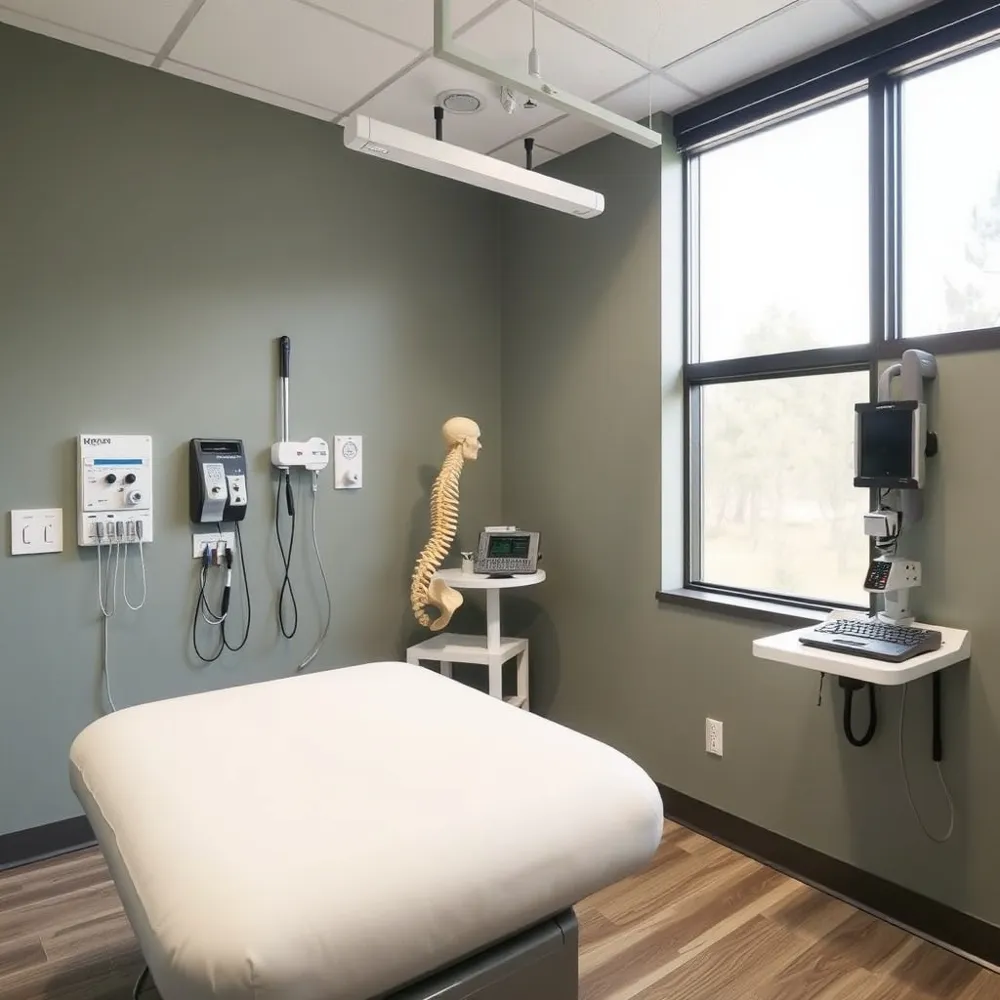 Yes, chiropractors are trained to identify nerve damage through a systematic evaluation. At Southeast Family Chiropractic, the process starts with a detailed medical history and symptom review. The doctor then performs physical exams, orthopedic tests (such as range-of-motion checks), and neurological assessments (like reflex testing, sensory mapping, and muscle strength grading) to pinpoint where nerve signals are disrupted.
Chiropractors do not prescribe medication or perform surgery, but they are qualified to diagnose the underlying causes of nerve dysfunction—most commonly spinal misalignments (subluxations) or mechanical compression that interferes with nerve communication [see our approach to Dr. Croft's Approach to Managing Neuropathy]. When indicated, imaging such as X-rays may be used to rule out structural issues like herniated discs or degenerative changes.
When Additional Medical Input Is Needed
If the evaluation suggests a systemic disease (such as diabetic neuropathy or an autoimmune condition), the chiropractor will refer you to a primary care physician, endocrinologist, or neurologist for further diagnostic testing like blood work or electromyography (EMG). This collaborative model ensures that nothing is missed while keeping your care centered on conservative, evidence-based strategies. Research confirms that non-pharmacologic approaches including physical therapy and lifestyle modifications are important components of a comprehensive neuropathic pain management plan Evolving Treatment Strategies for Neuropathic Pain - PMC - NIH.
How Spinal Adjustments Relieve Numbness and Nerve Pain

Correcting Subluxations to Restore Nerve Communication
Spinal misalignments, known as subluxations, can compress or irritate nerves as they exit the spine. This interference disrupts the signals traveling between the brain and the rest of the body. For people with neuropathy, this may worsen symptoms like pain, tingling, and numbness. Chiropractic adjustments apply gentle, targeted pressure to realign vertebrae, relieving that pressure on affected nerves and restoring clear communication along neural pathways.
When nerve compression is reduced, blood flow to the damaged nerves improves. Better circulation delivers more oxygen and nutrients to nerve cells while helping remove inflammatory waste products that contribute to pain. This physiological support creates an environment where nerves can begin to heal and function more normally.
Addressing Numbness in Feet and Legs
Numbness in the feet and legs is often linked to lower back issues such as a herniated disc or sciatica. When a disc bulges or the spine shifts out of alignment, it can compress the sciatic nerve or other nerves that travel into the lower extremities. This compression produces that familiar "pins and needles" sensation or complete numbness. Research indicates that spinal manipulative therapy can reduce peripheral neuropathic pain by relieving this mechanical compression and improving nerve conduction velocity.
Chiropractic care offers a non-invasive approach for patients seeking relief from these symptoms without relying on medications that only mask discomfort. Unlike drugs that target symptom perception, adjustments address root causes such as poor posture, biomechanical dysfunction, and chronic nerve compression caused by spinal misalignments.
Complementary Therapies and What Medications Are Typical
Managing neuropathic pain often involves a combination of approaches. Standard medical treatments and non-invasive therapies can work together to address both symptoms and underlying causes.
Commonly Prescribed Medications
Neuropathic pain typically does not respond well to standard over-the-counter pain relievers. Instead, doctors commonly prescribe medications that target nerve signals directly.
Antidepressants like amitriptyline and duloxetine can relieve nerve pain even in people who are not depressed. Anti-seizure drugs such as gabapentin and pregabalin calm overactive nerve signals. Topical treatments like capsaicin cream or patches are applied directly to the skin for localized relief.
These medications are usually started at low doses and increased gradually to manage side effects like drowsiness or dizziness. Finding the right drug or combination often requires a trial process guided by a physician.
Non-Invasive Therapies That Complement Chiropractic Care
Low-level laser therapy uses specific wavelengths of light to stimulate cellular repair, reduce inflammation, and improve nerve conduction. Many chiropractors, including those at Southeast Family Chiropractic, combine this with adjustments for a comprehensive approach.
Transcutaneous electrical nerve stimulation (TENS) delivers low-voltage electrical currents through surface electrodes to modulate pain pathways. It is portable, inexpensive, and can be used at home or in outpatient settings.
Ultrasound therapy applies focused sound waves to reduce inflammation and promote tissue healing, while shockwave therapy uses sound waves to disrupt pain signals and improve circulation. These treatments are non-invasive and can be selected based on the type of neuropathy being addressed.
Acupuncture for Nerve Stimulation
Acupuncture involves placing thin needles at specific points on the body to stimulate blood flow and nerve pathways. Research suggests it can re-stimulate damaged nerve fibers and aid in regeneration, offering significant relief with fewer side effects than many medications. Many patients report reduced tingling, burning, and numbness when acupuncture is combined with other treatments over several weeks.
Building Your Non-Invasive Management Plan at Home
While professional chiropractic care addresses spinal alignment and nerve function, several home strategies can support day-to-day comfort and slow neuropathy progression.
Symptom Relief and Foot Care
Warm Epsom salt soaks for about 15 minutes may reduce nerve misfiring, while ice packs (wrapped in a towel) can ease inflammation. Gentle foot massage or rolling a tennis ball under the foot improves circulation, and compression socks help manage swelling. Over-the-counter topical creams with lidocaine or capsaicin offer targeted relief. Because numbness can mask injuries, inspect your feet daily for cuts or blisters and wear properly fitted shoes to prevent falls.
Exercise, Diet, and Stress Management
Low-impact activities such as walking, swimming, or cycling boost blood flow to damaged nerves without adding joint stress. A diet rich in B vitamins, omega-3 fatty acids, and antioxidants supports nerve repair; controlling blood sugar is especially critical for those with diabetic neuropathy. Stress management techniques like meditation, deep breathing, or gentle yoga help reduce the pain-perception cycle.
Southeast Family Chiropractic offers personalized guidance that layers these home strategies onto in-office treatments such as spinal adjustments and class IV laser therapy. If symptoms persist despite home care, a chiropractic evaluation can identify underlying nerve compression or subluxations that need hands-on correction.
Take the First Step Toward Lasting Relief
Non-invasive spinal techniques offer a safe, effective path for managing neuropathy by addressing root causes like misalignment and nerve compression. At Southeast Family Chiropractic, personalized care combines gentle adjustments, Class IV laser therapy, and lifestyle guidance to improve nerve function and reduce symptoms. Many patients find significant improvement in pain, sleep quality, and mobility within weeks to months. Visit southeastchiro.com or call to schedule your consultation and take the first step toward lasting relief.