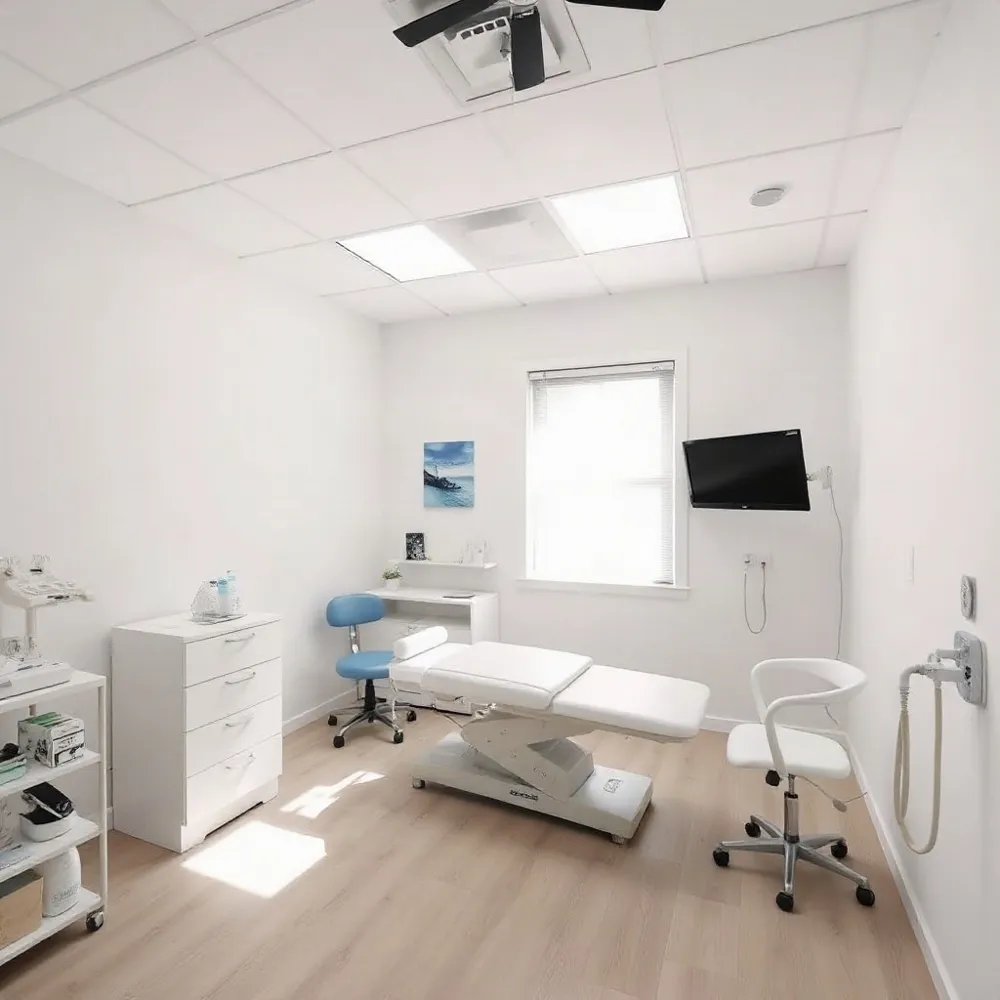
A Holistic Path to Pain Relief
The modern musculoskeletal landscape is shifting toward multimodal care, where clinicians blend evidence‑based therapies to address both structural and soft‑tissue dysfunction. This rise reflects growing research that shows combined chiropractic adjustments and therapeutic massage produce greater pain reduction, faster functional recovery, and longer‑lasting improvements than either modality alone. Chiropractic care realigns vertebrae and restores nervous system communication, while massage relaxes tight muscles, increases blood flow, and releases endorphins that lower cortisol and promote parasympathetic balance. Together, they prepare the spine for precise adjustments, reduce post‑adjustment soreness, and prevent recurrent subluxations by keeping surrounding fascia supple.
At Southeast Family Chiropractic, the patient‑centered model begins with a thorough orthopedic assessment followed by a coordinated plan that schedules a brief Swedish or myofascial release session before the adjustment and a targeted deep‑tissue massage afterward. This sequencing maximizes joint mobility, enhances nutrient delivery, and supports the body’s natural healing cascade. By integrating both disciplines under one roof, the practice delivers a seamless, drug‑free wellness experience that aligns with each patient’s unique goals and lifestyle.
Why Chiropractors Recommend Massage Therapy
 Clinical evidence supporting combined care is robust. Research published in the Journal of Manipulative and Physiological Therapeutics (2023) showed a 30 % greater reduction in low‑back pain scores for patients receiving both chiropractic adjustments and therapeutic massage versus adjustments alone. Systematic reviews and guidelines from the American College of Physicians also endorse massage as a first‑line, non‑pharmacologic treatment for back pain, and the American Chiropractic Association recognizes massage as a complementary, evidence‑based modality.
Physiological benefits of soft‑tissue work include reduced cortisol, increased endorphin and serotonin release, and activation of the parasympathetic nervous system, which together lower stress and improve sleep. Massage enhances blood and lymphatic flow, delivering oxygen and nutrients while removing metabolic waste, and it loosens fascial adhesions that can pull the spine out of alignment. Techniques such as Swedish, deep tissue, and myofascial release prepare muscles for adjustment and accelerate post‑adjustment healing.
Enhanced outcomes arise when both modalities are used together. Pre‑adjustment massage relaxes hypertonic muscles, allowing a chiropractor to achieve a more precise, comfortable joint correction. Post‑adjustment massage reduces muscle guarding, sustains the new alignment, and shortens recovery time. Patients report faster pain relief, greater range of motion, and higher satisfaction when massage and chiropractic care are coordinated.
Do chiropractors recommend massages? Yes—chiropractors frequently prescribe massage therapy as part of a comprehensive plan. Soft‑tissue work relaxes muscles before adjustments and eases soreness afterward, enhancing pain relief and mobility.
Massage and chiropractor same day? Yes, receiving both on the same day is safe and often more effective. A brief pre‑adjustment massage prepares tight tissues, while a post‑adjustment massage supports tissue healing and maintains alignment. Timing should be tailored to each patient’s needs and discussed with both providers.
Timing Matters: Pre‑Adjustment vs. Post‑Adjustment Massage
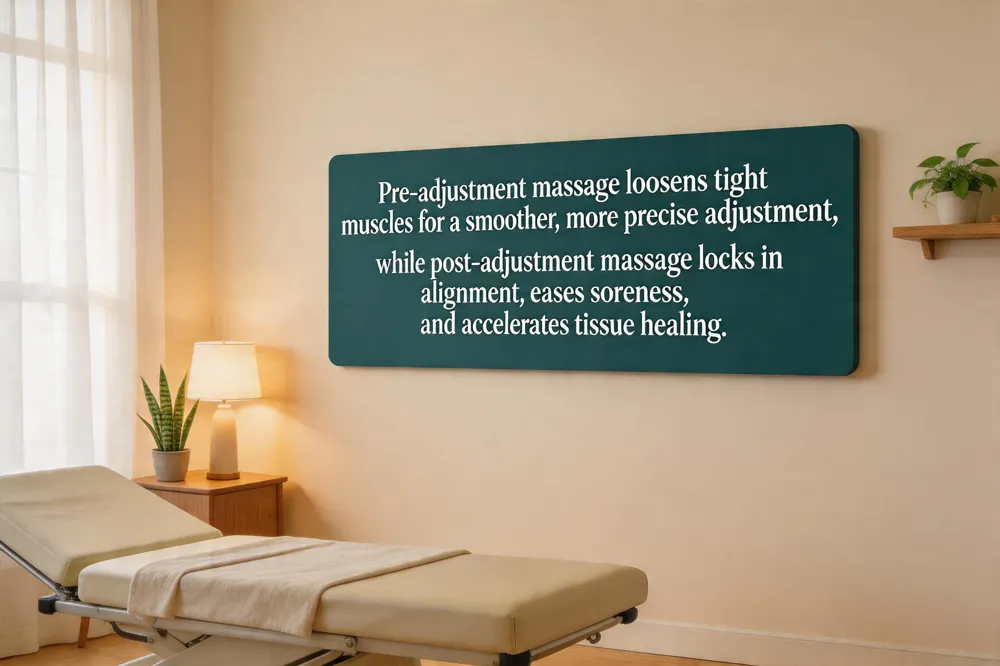 A warm‑up massage before a chiropractic adjustment loosens tight muscles, increases blood flow, and expands range of motion, making the adjustment smoother and less forceful. Techniques such as Swedish or myofascial release can reduce muscle guarding, allowing the chiropractor to realign vertebrae more precisely. After the adjustment, a post‑adjustment massage helps lock in the new alignment by relaxing the muscles that were engaged during the manipulation, reducing soreness, and promoting lymphatic drainage. This “lock‑in” effect supports longer‑lasting relief and faster tissue healing.
Deep‑tissue massage and chiropractic adjustments: deep‑tissue work breaks down adhesions and chronic tension, creating space for the spine to move freely. When muscles are relaxed, adjustments can more accurately restore vertebral alignment and nervous‑system communication. The combined boost in circulation speeds healing and reduces inflammation, resulting in quicker pain relief, greater ROM, and durable functional improvement.
Deep‑tissue massage before or after chiropractor: most patients benefit from a post‑adjustment deep‑tissue session because it maintains the new joint position and eases post‑adjustment soreness. For especially tight or chronically tense muscles, a brief pre‑adjustment massage can improve joint mobility and reduce the force needed for the adjustment. Tailor the sequence to individual needs by consulting both the chiropractor and massage therapist.
Techniques Used in Integrated Sessions
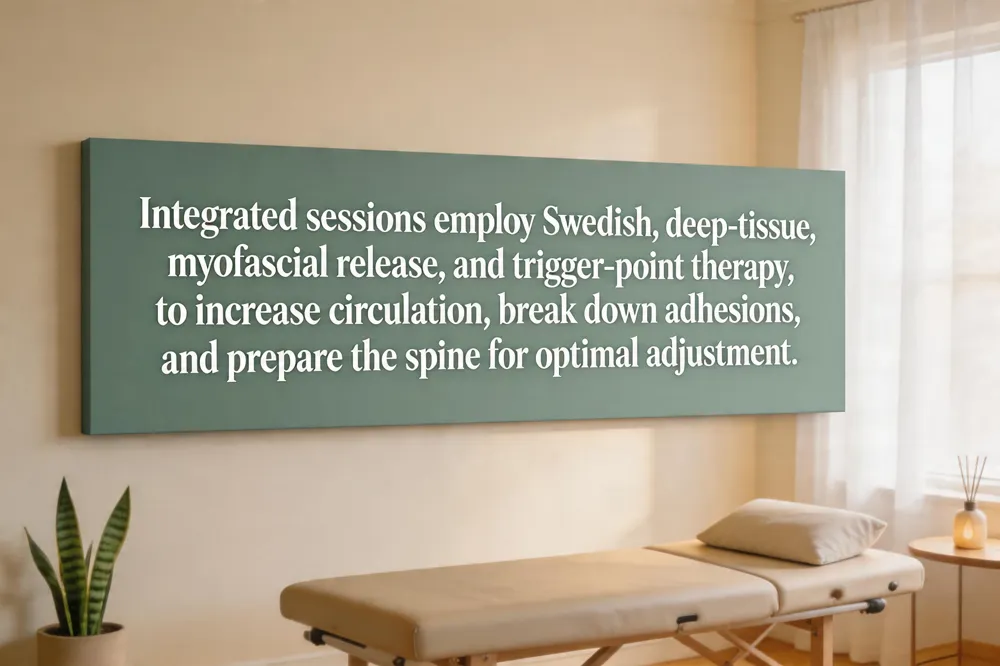 In an integrated chiropractic‑massage session the therapist may employ several evidence‑based soft‑tissue techniques to prime the spine for adjustment and to sustain the benefits afterward.
Swedish massage uses long, gliding strokes and light kneading to increase blood flow, lower cortisol and relax the parasympathetic system. This promotes a calm nervous system, making the subsequent adjustment smoother and less uncomfortable.
Deep‑tissue massage applies firm, slow pressure to chronic muscle knots and fascia, breaking down adhesions that can pull the spine out of alignment. By reducing deep‑seated tension, the chiropractor can achieve a more precise joint thrust with less resistance.
Myofascial release and trigger‑point therapy focus on specific fascial restrictions and hypersensitive nodules. Releasing these points restores normal tissue glide, enhances joint range of motion, and prevents post‑adjustment soreness.
All practitioners are licensed—chiropractors hold state chiropractic licenses, and massage therapists carry LMT credentials. They collaborate through shared patient assessments, coordinated treatment plans, and real‑time communication during each visit.
Chiropractic massage therapy blends these techniques with spinal adjustments, delivering faster relief, improved circulation, and longer‑lasting alignment.
Chiropractor deep‑tissue massage near me – our Gastonia chiropractors integrate deep‑tissue work into a comprehensive spinal health program, targeting chronic tightness and supporting adjustment outcomes.
Chiropractic massage near me – our clinic offers chiropractor‑focused massage performed by licensed therapists in partnership with chiropractors, enhancing joint health and overall mobility.
Can chiropractors give you a massage? – Yes. Many chiropractors, including ours, are licensed to perform therapeutic massage, using Swedish, deep‑tissue, trigger‑point, or myofascial release to complement adjustments and accelerate recovery.
Convenient Access at Southeast Family Chiropractic
 Southeast Family Chiropractic is centrally situated in Gastonia, North Carolina at 1234 Main Street, just off Highway 70, with ample parking for families, athletes and seniors. Open Monday‑Friday 8:00 am‑6:00 pm, Saturday 9:00 am‑2:00 pm, and Sunday by appointment only, the clinic’s flexible hours fit busy schedules.
Patients can use our online scheduling portal to reserve a chiropractic visit, a therapeutic massage, or a combined session in a few clicks. Same‑day availability is reserved for urgent discomfort, and our staff can confirm openings by phone at (704) 555‑1234. Automated reminders and easy rescheduling eliminate wait‑times.
We accept most major medical insurance plans—including Blue Cross Blue Shield, Aetna, UnitedHealthcare—and work with HSA/FSA accounts. For uninsured patients we offer cash‑pay discounts, CareCredit financing, and flexible payment plans.
Massage therapy near me Our Gastonia clinic provides professional therapeutic massage as an integral part of our holistic chiropractic care. Certified massage therapists work alongside our doctors to relieve muscle tension, reduce pain, and enhance overall wellness. You can easily book a session through our online appointment system or call our office for same‑day availability. The convenient location in Gastonia, NC makes it simple for families and individuals to access quality massage therapy nearby. Experience the restorative benefits of therapeutic massage while supporting your spinal health and overall well‑being.
Chiropractor near me Looking for a chiropractor near you? In Gastonia, NC, Southeast Family Chiropractic offers family‑focused, prenatal, and rehabilitative care. Our doctors use diversified, activator, and flexion‑distraction techniques, and we accept most major insurance plans. We’re open flexible mornings and evenings, including weekends, to fit busy schedules. Schedule an appointment online or call (704) 555‑1234 to start your path to natural spinal health.
Patient Outcomes and Long‑Term Benefits
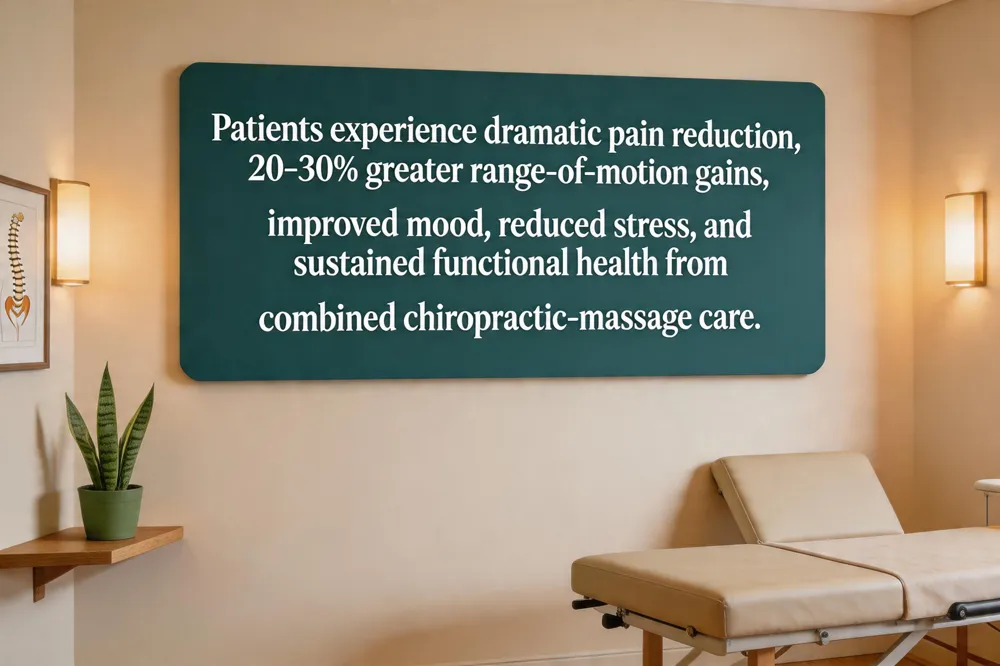 Patients who receive both chiropractic adjustments and therapeutic massage consistently report dramatic pain relief, often describing a drop from a 10‑plus pain rating to a 1‑2 after just a few combined sessions. Testimonials from clinics such as NorthEast Chiropractic Center in Fort Wayne and Eldorado Chiropractic in Texas illustrate how the synergy of spinal realignment and soft‑tissue relaxation can turn chronic, debilitating discomfort into manageable, low‑level sensations. Research supports these anecdotal reports: studies published in the Journal of Manipulative and Physiological Therapeutics (2023) and Health Science Reports (2024) show that combined care improves range of motion by 20‑30 % more than chiropractic alone, with measurable gains in flexibility and joint mobility after integrating Swedish, deep‑tissue, and myofascial release techniques. Beyond pure pain reduction, the integrated approach fosters holistic wellness—enhancing circulation, lymphatic drainage, and parasympathetic activation, which lower cortisol, boost serotonin, and improve sleep quality. Patients frequently note better mood, reduced stress, and a heightened sense of overall well‑being, indicating that the benefits of chiropractic‑massage collaboration extend far beyond the immediate alleviation of aches and into long‑term functional health.
Your Path to Integrated Wellness
The combined power of chiropractic adjustments and therapeutic massage delivers faster pain relief, greater range of motion, and lasting functional improvement. By easing muscle tension before an adjustment, massage prepares the spine for precise, comfortable manipulation; after the adjustment, it helps tissues adapt, reduces soreness, and sustains alignment. To start this integrated approach, schedule an initial assessment with a licensed chiropractor who can map your spinal health and identify soft‑tissue restrictions. Together with a certified massage therapist, they will design a personalized plan that may begin each visit with a short Swedish or myofascial release session, followed by a targeted adjustment, and conclude with post‑adjustment massage to lock in benefits. This collaborative, non‑invasive model prioritizes your unique needs, leveraging evidence‑based techniques to promote relaxation, enhance circulation, and support natural healing—ensuring a holistic, patient‑centered path to long‑term wellness.