When Back Pain Meets Natural Relief
Back pain is among the most common health complaints in the United States. Nearly 40% of adults report experiencing it, making it one of the leading reasons people miss work and seek medical care.
At Southeast Family Chiropractic, we take a holistic approach to spinal health. In addition to targeted adjustments, we recommend lifestyle changes that support long-term recovery, including proper nutrition, stress management, and regular movement.
What you eat directly affects inflammation levels in your body, which can ease or aggravate back pain. While no single food acts as a cure, an anti-inflammatory diet rich in omega-3 fatty acids, magnesium, curcumin, and antioxidants — along with specific supplements — can powerfully complement chiropractic care by reducing inflammation and supporting natural healing.
A 2020 study from Harvard Health confirmed that one of the most effective ways to combat chronic inflammation is through diet rather than medication. This article explores evidence-based natural anti-inflammatory strategies that work alongside professional spine care to help you manage back pain today and protect your spine for years to come.
What Fuels Back Pain and Inflammation
 Back pain most often results from muscle or ligament strain, repetitive stress, poor posture, and weak core muscles that fail to support the spine. The lumbar spine bears a significant load, making it prone to injury and chronic discomfort.
Inflammation is the immune system's natural response to injury—it sends white blood cells to the affected area. When this process fails to shut off, chronic inflammation develops, increasing pain sensitivity and slowing tissue recovery. Harvard Health notes that chronic inflammation underlies many health problems, making anti-inflammatory strategies valuable.
Many cases of back pain are classified as non-specific, meaning no precise structural cause is identified. These cases are often tied to chronic inflammation, which explains why addressing inflammation through diet, lifestyle, and professional care can lead to lasting relief.
Chiropractic care at Southeast Family Chiropractic directly targets these root causes through spinal adjustments, posture correction, and rehabilitative exercises. To learn more about integrating anti-inflammatory habits into your routine, explore our guide on natural prevention strategies.
The Strongest Natural Pain Relievers and Anti-Inflammatories
 Turmeric, specifically its active compound curcumin, is widely regarded as one of the most potent natural anti-inflammatories. Research shows it can reduce arthritis pain and chronic back pain, and for effective absorption it should be consumed with fatty oils like avocado or olive oil and black pepper. Ginger offers similar anti-inflammatory benefits and can be used fresh in teas or as a supplement.
Omega‑3 fatty acids from fish oil significantly decrease joint swelling and tenderness; incorporating foods like salmon, sardines, tofu, walnuts, and flaxseeds provides better absorption. Capsaicin cream, derived from chili peppers, applied topically can reduce joint pain by 50% after regular use with minimal systemic side effects.
No single natural remedy works for everyone. Combining these strategies under professional guidance yields the best results. At Southeast Family Chiropractic, we integrate these natural approaches with chiropractic adjustments to address the root cause of pain for lasting relief.
Top Anti-Inflammatory Foods for Spinal Health
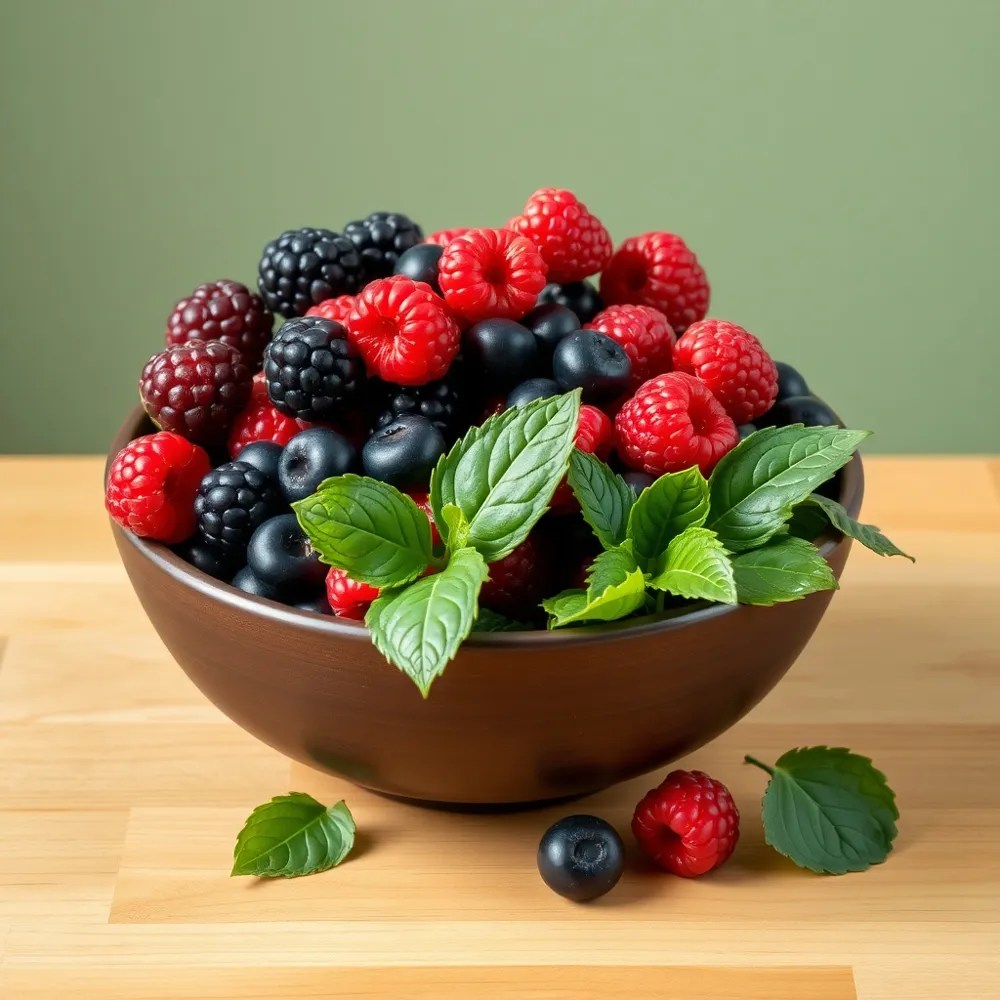
What Are the Top Anti-Inflammatory Foods for Back Pain?
Fatty fish like salmon, mackerel, and sardines provide omega-3 fatty acids that reduce inflammation around the spine and joints. Omega-3s have been shown to decrease joint swelling and tenderness. Turmeric, when paired with black pepper and a fatty oil, delivers curcumin, a potent anti-inflammatory compound. Ginger offers similar benefits. Berries, dark leafy greens, and extra virgin olive oil are rich in antioxidants and polyphenols that fight inflammation. Studies associate these foods with lower inflammatory markers. Whole grains such as quinoa and brown rice help reduce inflammatory markers, while refined grains and processed snacks trigger inflammation.
Which Foods Are Not Good for Back Pain?
- Refined carbohydrates (white bread, pastries)
- Fried foods (French fries)
- Processed meats (hot dogs, sausage)
- Added sugars and sugary drinks
- Margarine, shortening, and lard
- Alcohol
The Mediterranean diet and DASH diet exemplify anti-inflammatory eating patterns by emphasizing whole, unprocessed foods and healthy fats. At Southeast Family Chiropractic, patients can combine these dietary strategies with chiropractic care for a holistic approach to spinal health. The practice's resources on holistic health practices offer additional guidance on incorporating anti-inflammatory herbs like turmeric.
Key Nutrients and Best Supplements for Pain Relief
Certain vitamins and minerals are essential for spine health and pain management. Calcium and vitamin D work together to prevent osteoporosis. Magnesium helps relax muscles and activate vitamin D. Vitamin C is necessary for collagen production and healing of tendons, ligaments, and discs. B vitamins and iron further support bone health and immune function.
Evidence-Based Supplements
Several supplements show strong clinical results for inflammation and pain. Omega-3 fatty acids and curcumin consistently demonstrate anti-inflammatory effects. Glucosamine and chondroitin support joint health and can ease pain from degenerative disc disease. Boswellia and cherry juice extract also provide anti-inflammatory benefits.
Always consult your healthcare provider before starting any supplement, as the FDA does not regulate them as strictly as drugs. Choose name-brand, third-party tested products to ensure quality. At Southeast Family Chiropractic, we encourage patients to discuss supplements as part of a comprehensive wellness plan that includes adjustments, nutrition, and lifestyle changes.
Natural Remedies for Muscle Pain and Inflammation
Herbal remedies such as turmeric (curcumin) have anti-inflammatory properties that can ease muscle soreness. Ginger and arnica offer similar benefits, often used topically or in teas to reduce swelling and discomfort.
Magnesium supplements or magnesium-rich foods help relieve muscle cramps and spasms that support the spine. Acupuncture stimulates the central nervous system to release pain-reducing neurotransmitters, while massage therapy promotes blood flow and endorphin release. Southeast Family Chiropractic focuses on spinal alignment to reduce nervous system pressure and improve muscle function, complementing these natural methods.
Gentle movement practices like yoga, stretching, and warm pool exercise increase flexibility and reduce muscle tension, making them effective additions to a holistic pain management plan.
Quick Relief at Home and Daily Lifestyle Habits
For acute back pain flare-ups, apply a cold pack for the first 48 hours to reduce swelling, then switch to a heating pad to relax muscles. Avoid prolonged bed rest—gentle movement and simple stretches prevent stiffness and speed recovery. Over-the-counter anti-inflammatory medications can help short-term, but long-term use may cause kidney and gastrointestinal damage, as noted by UT Southwestern Medical Center.
Daily habits that reduce inflammation include at least 150 minutes of moderate aerobic activity per week plus two strengthening sessions, as recommended by the U.S. Preventive Services Task Force per UT Southwestern. Proper posture distributes weight evenly across the spine; use ergonomic chairs and take breaks from sitting every hour. Quality sleep of 7–9 hours supports tissue repair and lowers inflammatory markers. Stress management through meditation, deep breathing, or tai chi can lower muscle tension and pain intensity. For a personalized plan combining these habits with professional care, consider consulting a chiropractor at Southeast Family Chiropractic.
Supplements to Discuss With Your Chiropractor
Supplement safety is paramount. The FDA does not regulate supplements, so purchase name-brand capsule tablets from reputable sources to reduce the risk of contaminants. Before combining any supplement with other treatments, consult a healthcare professional. Your chiropractor at Southeast Chiropractic can help you evaluate which supplements are appropriate for your situation.
Turmeric. Contains curcumin, which helps decrease inflammation. For effective absorption, take it with black pepper and a fatty oil such as avocado or olive oil. Daily use for three to six months is recommended before assessing benefits. Turmeric is one of the most studied natural anti-inflammatories.
Cherry juice extract. Provides anti-inflammatory benefits from anthocyanins but is not recommended for diabetic patients due to high sugar content.
Collagen. May improve joint pain and decrease muscle soreness, though evidence for anti-inflammatory effects is mixed.
CBD oil. Research is still early, and the FDA has not approved any over-the-counter CBD products for pain.
The National Center for Complementary and Integrative Health (NCCIH) offers a free mobile app with research-based information on more than 50 herbal products. Discuss these resources with your chiropractor to make informed decisions.
Building a Comprehensive Wellness Plan
Natural anti-inflammatory strategies work best when applied consistently rather than occasionally. Combining dietary changes, targeted supplements, regular physical activity, and stress management with chiropractic adjustments creates the most sustainable relief.
Small daily habits, such as maintaining good posture, staying hydrated, and taking movement breaks, accumulate over time to support spine health. Patients at Southeast Family Chiropractic receive personalized guidance to safely integrate these approaches into their routines.
Always consult a healthcare professional before making significant changes to your diet, supplement regimen, or exercise routine.
Partner With Your Chiropractor for Lasting Relief
Natural anti-inflammatory strategies are powerful allies in spine care, but they work best under professional guidance. Southeast Family Chiropractic offers a holistic approach that combines adjustments, nutrition advice, and lifestyle coaching. By working closely with your chiropractor, you can create a personalized plan that addresses the root causes of pain and inflammation. This integrated approach supports long-term healing and sustainable wellness. Empower yourself with these evidence-based tools and take the next step toward a pain-free, active life.