Introduction
Core strength is the foundation of spinal health because the deep abdominal and back muscles—transverse abdominis, multifidus, pelvic floor, diaphragm—create a stable “powerhouse” that protects vertebrae, maintains neutral alignment, and reduces strain on joints. Pilates targets these deep stabilizers through controlled, low‑impact movements and precise breathing, while chiropractic care restores proper vertebral positioning and relieves nerve irritation. When the spine is aligned, Pilates exercises can be performed with optimal form, and the resulting muscular support helps preserve the benefits of each adjustment for longer periods. In this article you will learn why a strong core matters, how Pilates and chiropractic care complement each other, and practical ways to integrate both modalities into a personalized wellness routine.
Instant Relief and Long‑Term Strategy
 When a back‑pain flare‑up occurs, immediate relief can be achieved with gentle spinal adjustments performed by a qualified chiropractor; patients often report a reduction in discomfort within minutes as the adjustment restores proper joint motion and eases nerve irritation. Pairing the adjustment with targeted stretches—such as cat‑cow, knee‑to‑chest, and seated forward bends—helps release surrounding muscle tension, while a 15‑20‑minute hot pack relaxes tight tissue and a cold compress can numb acute inflammation.
Adjunctive home tools that support the adjustment include lumbar‑support pillows or ergonomic office chairs to maintain spinal alignment during daily activities, foam rollers and massage balls for self‑myofascial release, and a medium‑firm mattress that keeps the spine in a neutral position while sleeping. Applying a cold pack in the first 48 hours after an injury curbs inflammation, then transitioning to heat promotes blood flow and muscle relaxation.
Most patients experience only mild soreness or a gentle feeling of looseness after an adjustment, which typically resolves within a day or two. Temporary increases in pain, mild headaches, or slight nerve irritation may occur but are short‑lived and improve with gentle movement, hydration, and over‑the‑counter pain relievers if needed. Serious complications are extremely rare; any persistent or worsening symptoms should be reported to your chiropractor promptly.
Science Behind the Practice
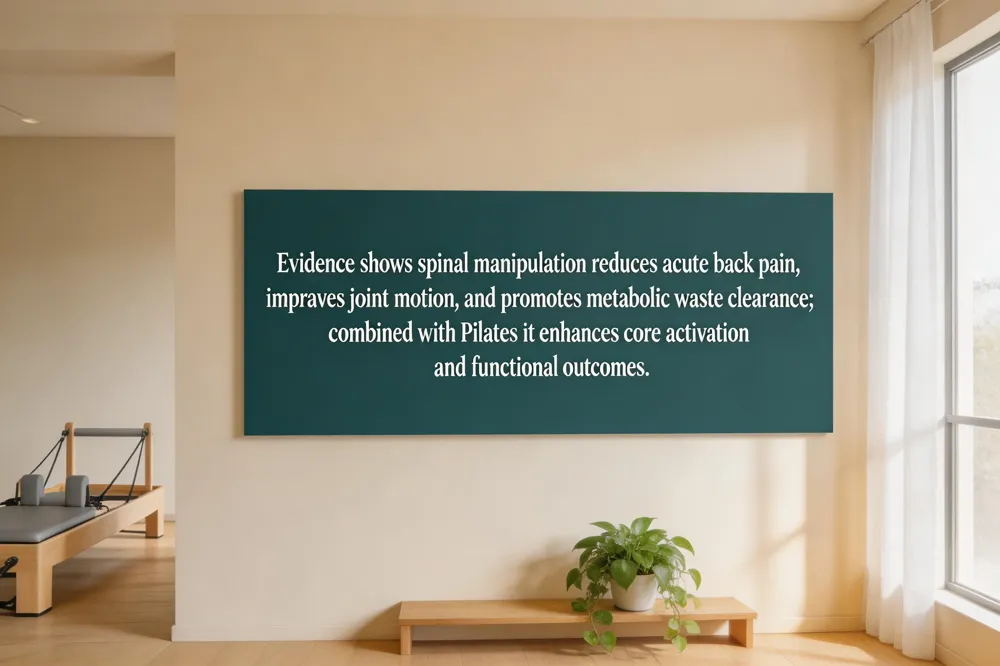 Extensive peer‑reviewed research shows that spinal manipulation reduces acute low‑back and neck pain, improves joint range of motion, and enhances neuromuscular coordination. When paired with Pilates, adjustments create a more neutral spine, allowing deep core muscles (transverse abdominis, multifidus, diaphragm) to engage effectively, which amplifies pain relief and functional gains. A common misconception is that chiropractic is pseudoscience; while some practitioners tout unproven systemic claims, the core discipline—manual spinal adjustments—is evidence‑based, regulated, and widely integrated into multidisciplinary care. Physiologically, an adjustment mobilizes joint capsules, improves lymphatic flow, and promotes the clearance of metabolic waste such as lactic acid and inflammatory cytokines, fostering a healthier biochemical environment.
Is chiropractic considered pseudoscience? No. The mainstream practice is evidence‑based, though fringe techniques lack support.
Benefits and disadvantages? Benefits include drug‑free pain relief, better posture, and rapid symptom reduction; disadvantages are temporary soreness, limited efficacy for non‑musculoskeletal conditions, and the need for ongoing maintenance.
What toxins are released? Adjustments help flush out lactic acid, cytokines, and other metabolic by‑products, supporting inflammation reduction and tissue health.
Core‑Strengthening Exercise Toolkit
 Effective lower‑back exercises
A gentle Cat‑Cow stretch, Child’s Pose, and Pelvic Tilts improve spinal mobility. Knee‑to‑Chest and Hamstring stretches lengthen tight posterior‑chain muscles. The Bird‑Dog and Glute Bridge build core stability and glute strength, supporting the lumbar spine. Perform each move slowly for 10‑15 repetitions daily, listening to your body and stopping if sharp pain occurs.
Effective lower‑back exercises
A gentle Cat‑Cow stretch, Child’s Pose, and Pelvic Tilts improve spinal mobility. Knee‑to‑Chest and Hamstring stretches lengthen tight posterior‑chain muscles. The Bird‑Dog and Glute Bridge build core stability and glute strength, supporting the lumbar spine. Perform each move slowly for 10‑15 repetitions daily, listening to your body and stopping if sharp pain occurs.
Home‑friendly routines Safe at‑home options include Cat‑Cow, Pelvic Tilt, Knee‑to‑Chest, Bird‑Dog, and a basic Wall Sit. Hold each stretch or contraction for 5‑10 seconds, repeat 8‑12 times per side, and start with 5‑10 minutes per session. Gradually increase duration as strength improves, maintaining a neutral spine and deep breathing.
The single most powerful move for lumbar health The Bird‑Dog (quadruped arm‑and‑leg raise) is widely regarded as the top exercise for lower‑back pain. It activates deep core stabilizers, glutes, and lower‑back muscles while preserving neutral alignment, minimizing compressive forces on the vertebrae. It requires no equipment, can be modified for any fitness level, and synergizes with chiropractic adjustments to accelerate healing.
Additional home relief Include a supine bridge and seated hamstring stretch for hip stability and lumbar flexibility. Performing these movements 5–10 repetitions daily reduces discomfort and promotes overall spinal health.
Pilates Integration in Chiropractic Care
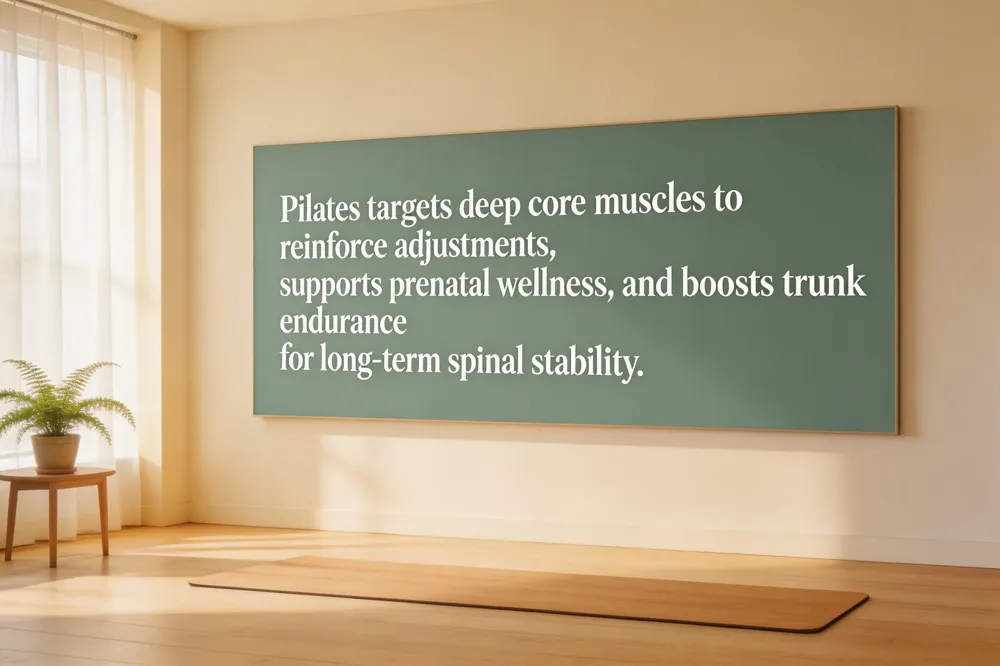 Chiropractors frequently prescribe Pilates because its low‑impact, breath‑linked movements target the deep core muscles—transverse abdominis, multifidus, pelvic floor—that stabilize the spine. By improving trunk endurance and postural alignment, Pilates reinforces the benefits of spinal adjustments and helps prevent recurrence of back pain.
Do chiropractors recommend Pilates? Yes. Most chiropractors incorporate Pilates into a comprehensive wellness plan, tailoring specific exercises to each patient’s condition to enhance spinal stability, reduce muscular tension, and support long‑term musculoskeletal health.
Can chiropractic care help with prenatal wellness? Absolutely. Gentle, low‑force adjustments alleviate common pregnancy‑related back and pelvic discomfort, improve nervous system function, and promote optimal fetal positioning. Chiropractors also guide expectant mothers on safe stretching and core‑strengthening routines that complement prenatal Pilates.
Does Pilates make your core stronger? Yes. Regular Pilates practice systematically engages the “powerhouse” muscles, increasing trunk endurance and lumbar‑pelvic stability. Research consistently shows greater improvements in core activation and reduced low‑back disability compared with general exercise programs.
Integrating Pilates with chiropractic care creates a synergistic approach that enhances alignment, supports spinal health, and delivers holistic benefits for patients of all ages, including pregnant women.
Structured Rehabilitation and Cost
 A well‑rounded back‑pain program blends targeted exercises, physiotherapy moves, and realistic budgeting. Key exercises for lasting relief include (1) the Bird‑Dog (quadruped arm‑leg raises) for core stability, (2) pelvic‑floor ball squeezes to engage deep stabilizers, (3) hip‑flexion isometrics that activate glutes and hamstrings, and (4) wall push‑ups that reinforce posture and overall spinal alignment. These low‑impact actions can be done at home daily to build muscular support and reduce pain.
Physiotherapy‑focused movements complement chiropractic care: planks, bird‑dogs, dead‑bugs, the McKenzie extension series, piriformis and hamstring stretches, cat‑cow, pelvic tilts, and bridging. Together they improve core endurance, spinal mobility, and disc‑related discomfort.
Financial considerations: In Gastonia, NC a typical spinal adjustment costs $60‑$100 per visit, often partially covered by insurance with co‑pays or deductibles. Clinics may offer multi‑visit packages or introductory discounts. Consult your insurer and ask about payment plans before starting treatment.
Patient Resources and Next Steps
 Online Video Guide
You can find a step‑by‑step back‑pain‑exercise video on Southeast Family Chiropractic’s official YouTube channel. Search for “Southeast Family Chiropractic back‑pain routine” or go directly to youtube.com/c/SoutheastFamilyChiropractic. The video is also linked from the “Resources” page of our website and embedded in the patient‑portal homepage for easy mobile viewing. All demonstrations are low‑impact, Pilates‑based movements that complement our chiropractic adjustments.
Holistic Benefits of a Combined Program
When Pilates’s core‑strengthening, breath‑focused practice is paired with spinal adjustments, patients experience more than pain relief. The synergy improves posture, enhances nervous‑system efficiency, reduces tension‑type headaches, and supports immune function. Regular chiropractic adjustments create a stable spine, allowing the deep abdominal and back muscles targeted in Pilates (transversus abdominis, multifidus, pelvic floor) to maintain alignment longer. This holistic approach also promotes better sleep, higher energy, and overall well‑being.
How to Get Started at Southeast Family Chiropractic
- Schedule a free consultation via our online portal or call (704) 555‑1234.
- During the exam, our chiropractor will assess spinal alignment and prescribe a personalized Pilates routine.
- Begin with weekly chiropractic adjustments and attend our on‑site Pilates class or follow the YouTube video at home.
- Track progress in the patient portal and adjust the plan as needed.
Where can I find a back‑pain‑exercise video?
You can find a step‑by‑step back‑pain‑exercise video on Southeast Family Chiropractic’s official YouTube channel. Simply search for “Southeast Family Chiropractic back‑pain routine” or visit the channel directly at youtube.com/c/SoutheastFamilyChiropractic. The video is also linked from the “Resources” section of our website, where you’ll see a thumbnail that opens the tutorial in a new tab. If you prefer mobile access, the same video is embedded on our patient‑portal homepage for easy viewing on smartphones or tablets. All of the exercises demonstrated are safe, low‑impact, and designed for use at home under the guidance of our chiropractors.
What are some surprising benefits of chiropractic care?
Chiropractic care can do far more than just ease back‑pain; many patients notice a marked improvement in their overall posture, which reduces strain on joints and muscles throughout the body. By optimizing spinal alignment, the nervous system functions more efficiently, often leading to a stronger immune response and quicker recovery from everyday illnesses. Regular adjustments have been shown to lessen the frequency and intensity of tension‑type headaches and migraines by relieving pressure on the cervical spine. Expectant mothers can benefit from gentle, targeted chiropractic techniques that help maintain pelvic balance, ease labor discomfort, and support a healthier pregnancy. Finally, the holistic focus on spinal health promotes better sleep, higher energy levels, and an enhanced sense of well‑being that many people describe as a boost to their overall wellness.
Conclusion
In summary, the Pilates‑chiropractic synergy creates a powerful, holistic approach to spinal health. Pilates builds deep core stability, flexibility, and body awareness, while chiropractic adjustments correct misalignments, relieve nerve pressure, and restore optimal joint mobility. Together, they enhance each other's benefits, leading to faster pain relief, improved posture, and lasting functional gains. Key take‑aways: prioritize regular core‑strengthening Pilates sessions, schedule consistent chiropractic check‑ups, and maintain mindful breathing and alignment throughout daily activities. Ready to experience the combined advantages? Contact Laird Chiropractic in Gastonia, NC, today to schedule a comprehensive evaluation and begin a personalized wellness program that integrates Pilates and chiropractic care for optimal results.