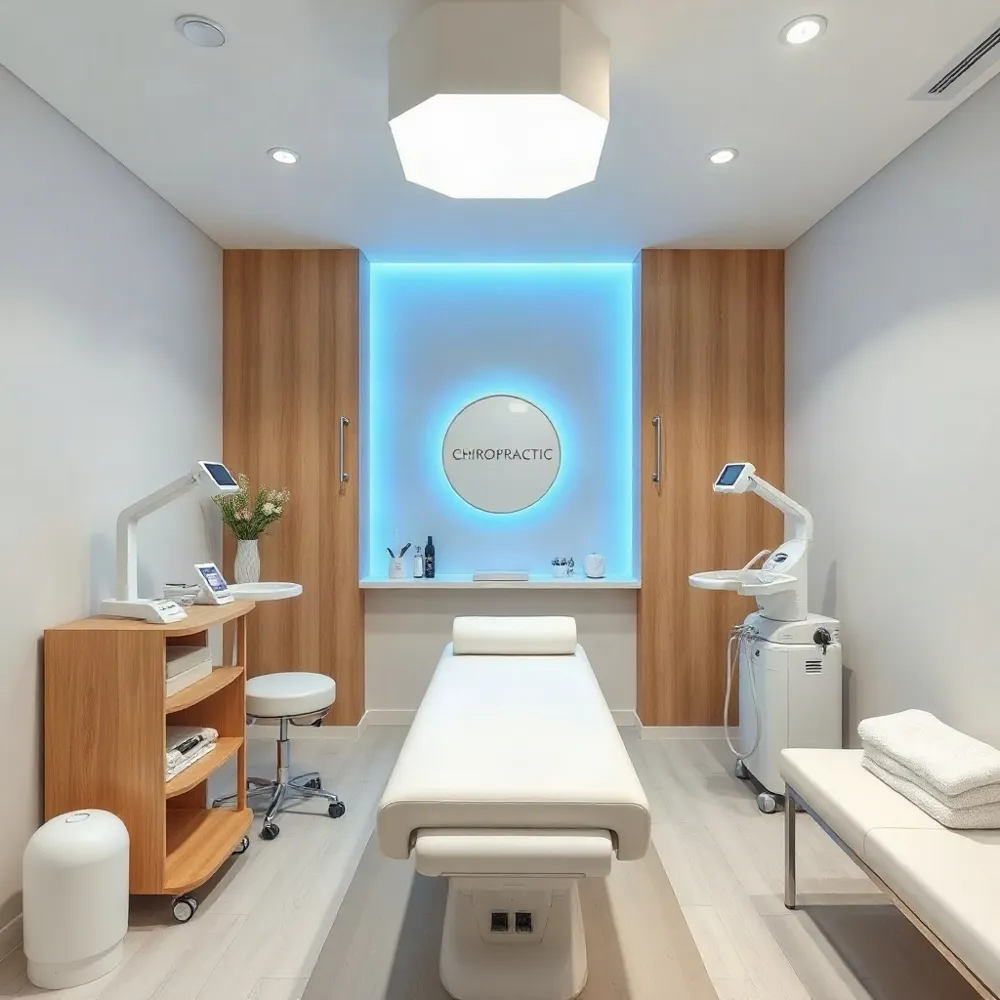
An Introduction to Modern Spinal Decompression Therapy
Herniated discs are a widespread physical ailment where the soft cushion between vertebrae pushes outward, often compressing nerves and resulting in significant pain or numbness. For many individuals suffering from such conditions, turning to conservative, non-invasive therapies can be a powerful first step in restoring function and quality of life. Spinal Decompression Therapy works by gently stretching the spine to create negative pressure, which may retract disc material and improve the movement of oxygen and nutrients into damaged spaces.
At southeastchiro.com, we prioritize a patient-focused approach to wellness that avoids the risks and recovery times often associated with surgery. By employing precision, non-surgical techniques, we help our patients address the foundational causes of back discomfort rather than just the symptoms. Unlike surgical interventions which may involve long downtime, our methods focus on natural healing and long-term stability, ensuring you have the support needed to return to your daily activities.
Mechanics of Spinal Decompression and Its Healing Potential
 Non-surgical spinal decompression therapy is a motorized, non-invasive treatment designed to relieve chronic back and neck pain by gently stretching the spine. During a session, a patient lies on a computer-controlled table that delivers precise, cyclical distraction forces. This mechanical action is designed to decompress the spinal segments, effectively altering the position of the spine.
This controlled distraction creates negative intradiscal pressure within the affected spinal discs. According to research published in the International Journal of Clinical Practice, this negative pressure environment can encourage the retraction of herniated discs. By shifting pressure away from the disc's center, the space created promotes the influx of water, oxygen, and vital nutrients, which helps facilitate natural tissue repair and regeneration.
Traditional traction methods often trigger an involuntary muscle-guarding response, causing surrounding muscles to spasm and resist the stretch. Modern equipment used at southeastchiro.com utilizes advanced load sensors to detect this tension in real time. These sensors automatically adjust the pull force, ensuring the spine reaches the necessary decompression depth without overstimulating the paraspinal muscles.
Beyond addressing disc volume, these movements increase the diameter of the intervertebral foramen, which helps alleviate the pressure on nearby nerves. Clinical studies indicate that this targeted mechanical relief is significantly more effective than static traction at reducing hypertonus in the erector spinae muscles. By decreasing nerve root irritation, the therapy assists in restoring functional mobility, allowing patients to return to daily activities with less discomfort.
Targeted Relief for Herniated Discs
 Can spinal decompression effectively treat a herniated disc? Yes, spinal decompression therapy is a proven non-surgical approach designed to address the mechanical root causes of disc pain. By using computer-controlled motor systems, the therapy gently stretches the spine to alleviate pressure on the affected intervertebral discs and the nerves they compress. This distraction creates a negative pressure environment that encourages herniated material to retract, potentially decreasing the disc herniation index and reducing overall pain.
Unlike traditional traction, which can trigger involuntary muscle guarding, modern decompression equipment uses integrated sensors to detect and mitigate resistance. Research measuring the effect of nonsurgical spinal decompression on lumbar herniations observed significant reductions in herniation volume. This process also stimulates the influx of water, oxygen, and nutrient-rich fluids into the disc space. By enhancing disc hydration, the therapy promotes the restoration of the nucleus pulposus, aiding cellular repair rather than simply masking symptoms.
Can you recover 100% from a herniated disc?
Most patients experience substantial resolution of symptoms, with research indicating that upwards of 80% to 90% of cases improve significantly over the long term. While the fibrous outer annulus of a disc may not fully close, the disc volume often shrinks, allowing for a return to normal, pain-free daily activities. At southeastchiro.com, we emphasize that recovery is an active process. True stability requires combining passive decompression with consistent movement patterns. To maintain long-term spinal health, our rehabilitation programs prioritize core stabilization exercises, which recondition the postural muscles responsible for supporting your spine after initial healing occurs.
Identifying Your Need for Professional Spinal Care
 Understanding when to transition from simple home remedies to professional clinical evaluation is a critical step in managing spinal health. While minor aches often resolve with rest or ice, patients frequently seek spinal decompression therapy when persistent neck or back pain fails to improve through conservative measures alone. You may need this approach if you experience symptoms indicative of nerve compression, such as shooting pain, numbness, or tingling that radiates down your extremities.
How do I know if I need spinal decompression therapy?
You may need to consider spinal decompression therapy if you are suffering from chronic back or neck pain that hasn't responded to conservative home treatments, rest, or over-the-counter medications. It is often recommended for individuals diagnosed with specific spinal conditions, including herniated or bulging discs, degenerative disc disease, and spinal stenosis. You should also look for signs of nerve involvement, such as tingling, numbness, or shooting pain radiating down your arms or legs, which are common symptoms of sciatica or pinched nerves. Because persistent pain can indicate underlying structural issues with your spinal discs, seeking a professional evaluation is the best way to determine if this non-invasive, non-surgical approach is right for you. At Southeast Family Chiropractic, we can perform a thorough assessment to identify the root cause of your discomfort and discuss whether spinal decompression therapy fits your personalized wellness plan.
Clinical diagnosis of the specific cause and severity of nerve compression often requires imaging techniques such as MRI or CT scans. These diagnostic tools allow doctors to visualize structural integrity and confirm if a disc protrusion is actively pressing on neural elements. Unlike generic self-care recommendations, a provider at southeastchiro.com conducts this formal screening to rule out contraindications, such as fractures or tumors, ensuring that treatment is both safe and targeted to your exact clinical needs.
Evaluating Candidates and Safety Contraindications
Evaluating whether spinal decompression therapy is appropriate for your specific condition requires a thorough clinical assessment. At southeastchiro.com, our doctors evaluate your medical history and imaging, such as MRIs or X-rays, to confirm that this non-invasive approach aligns with your spinal integrity. While highly effective, the treatment is not universal, and safety protocols ensure we identify those who might be better served by alternative care models.
Who is not a candidate for spinal decompression treatment?
Spinal decompression is not considered safe or appropriate for everyone. You should not undergo this treatment if you are pregnant, have experienced recent spinal fractures, or possess spinal hardware such as metallic implants, screws, or plates from previous surgical fusion. Those with serious underlying conditions, including active spinal infections, tumors, advanced osteoporosis, or certain forms of spondylolisthesis, must also avoid this therapy. Furthermore, individuals with histories of failed back surgery or conditions that require the use of blood-thinning medications are generally not candidates. Patients who experience increased pain during or after the procedure should discontinue treatment immediately, as it may not be appropriate for their specific spinal health.
Is it safe and effective to perform spinal decompression at home or on a daily basis?
It is not recommended to attempt spinal decompression at home, as the therapy requires the precision of specialized, motorized equipment operated by trained professionals. Professional-grade tables at southeastchiro.com provide targeted, sensor-driven traction that prevents the muscle-guarding response often triggered by manual or generic traction devices. Performing intense spinal stretching daily without professional oversight can aggravate existing disc or nerve conditions, whereas customized chiropractic care ensures safety through monitored pressure and appropriate intensity. Temporary soreness or mild muscle spasms can occasionally occur following a session, but these are managed effectively within a professional setting rather than through unguided, arbitrary home use.
Setting Expectations: Treatment Protocols, Success Rates, and Costs
Achieving lasting relief through spinal decompression therapy requires a commitment to a structured care plan. Most protocols involve a series of sessions rather than a single visit, typically ranging from 15 to 30 treatments spread across 4 to 6 weeks. At southeastchiro.com, we focus on individualized recovery, ensuring each session effectively targets the damaged vertebral levels through precise, computer-modulated mechanical stretching.
What is the success rate of spinal decompression therapy?
Clinical results vary, though research suggests significant functional improvement in patients with lumbar herniated discs, with some studies noting up to a 27.6% reduction in herniation volume per 2022 PMC data. While success is often reported as high for those with nerve compression, scientific literature cautions that these outcomes depend on individual diagnosis. Unlike surgical interventions that may carry risks of infection, non-invasive decompression offers a pathway to restore mobility without the lengthy recovery periods associated with microdiscectomy.
What are the common side effects and drawbacks of spinal decompression?
Most patients tolerate treatment well, reporting only mild, temporary soreness or muscle achiness as the body adjusts to the distraction force. While rare cases of increased pain have been documented, a thorough clinical evaluation helps minimize risks. We integrate trunk stabilization exercises alongside these sessions to ensure your core muscles are conditioned to maintain the spinal alignment gained through therapy.
What should I expect regarding the cost and insurance coverage for spinal decompression?
Costs typically range from $50 to $250 per session, with a full course potentially totaling $750 to $7,500 depending on the complexity of your condition. Because insurance policies often categorize this as an experimental or specialized procedure, coverage varies by carrier. We emphasize financial transparency at our practice; please contact our office to verify your benefits and discuss how our accessible care models can fit your budget requirements.
Integrating Holistic Wellness for Lasting Stability
Achieving lasting spine health requires moving beyond individual sessions to adopt a comprehensive, long-term wellness strategy. While spinal decompression therapy effectively relieves pressure on nerves and disc structures, it represents only the restorative phase of a much broader recovery plan.
Is spinal decompression a permanent solution for back pain?
Spinal decompression provides significant symptomatic relief, but it is not a permanent cure for the natural aging process or underlying degenerative changes. Results are most durable when treatments are paired with active physical maintenance. At southeastchiro.com, we prioritize this integrated model. Patients who pair decompression with targeted trunk stabilization exercises often see superior long-term stability in their core muscles, such as the transverse abdominis, compared to those relying on passive therapies alone.
Building habits like consistent posture correction and proper daily ergonomics serves as the foundation for preventing recurring pain. By viewing these sessions as part of a stepped approach to care, patients gain the functional strength necessary to support the spine against future strain.
Starting Your Journey Toward Spinal Health at Southeast Family Chiropractic
Choosing a non-surgical path for spinal care offers a reliable way to address the root causes of back pain, such as herniated or degenerative discs. Unlike invasive surgery, spinal decompression therapy promotes healing by relieving pressure on neural elements and stimulating the flow of essential nutrients back into damaged discs.
At Southeast Family Chiropractic, we utilize evidence-based protocols to help you regain comfort and physical function. Our team conducts a thorough evaluation to ensure treatment is tailored to your unique spinal health needs, contrasting with one-size-fits-all approaches. We invite you to visit southeastchiro.com to learn how these advanced, non-invasive methods can help you return to your favorite daily activities.