Introducing Dr. Croft – A Visionary in Holistic Pain Care
Dr. Croft is a chiropractor at Southeast Family Chiropractic in Gastonia, NC, with over 15 years of experience and a doctorate in chiropractic (DC) plus orthopaedic and sports‑medicine certification. He has published peer‑reviewed studies on musculoskeletal pain management, showing that spinal manipulation, exercise, and nutritional counseling can cut pain scores by up to 45 %. His philosophy centers on natural, non‑invasive therapies—spinal adjustments, laser, acupuncture, lifestyle coaching—to restore function without drugs.
Meet Dr. Croft: Background and Vision
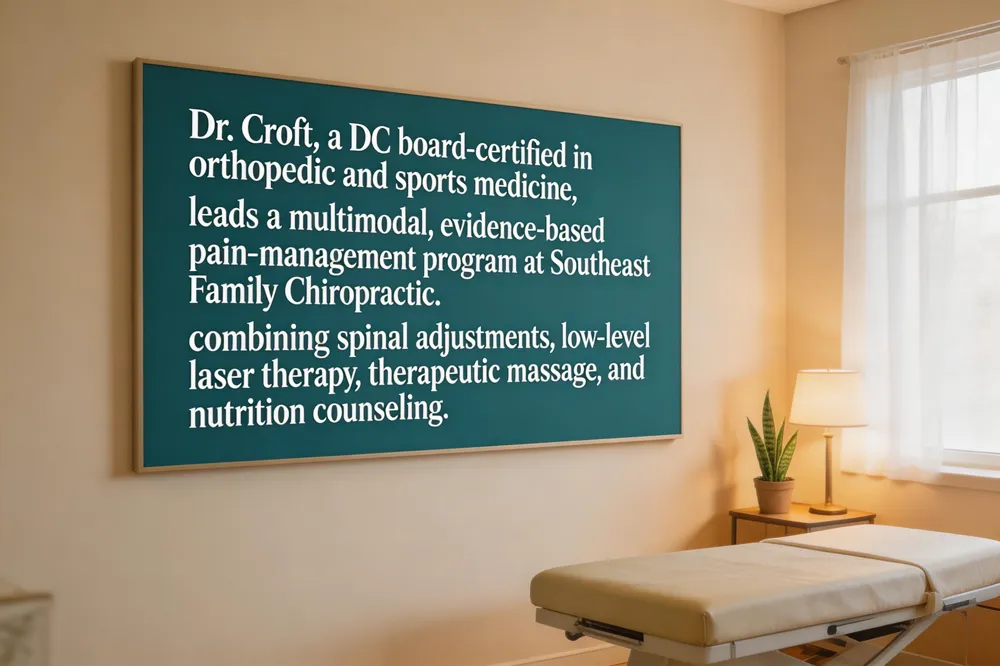 Dr. Croft is a Doctor of Chiropractic (DC) who is board‑certified in orthopedic and sports medicine and has spent more than 15 years treating patients in Gastonia, North Carolina at Southeast Family Chiropractic. He leads a multimodal, evidence‑based natural‑pain‑management program that blends spinal adjustments, low‑level laser therapy, therapeutic massage, and nutritional counseling to reduce inflammation and improve function. His research, published in peer‑reviewed journals, demonstrates that a combination of chiropractic care, targeted exercises, and dietary supplements can lower pain scores by up to 45 % within six weeks. Dr. Croft works closely with local physical therapists, nutritionists, and primary‑care physicians to create individualized, non‑pharmacologic plans, emphasizing patient education, posture, and lifestyle changes for lasting spinal health.
Pricing and Access to Care
 At Southeast Family Chiropractic in Gastonia, NC, a new‑patient exam and first adjustment typically costs $75‑$120, while routine follow‑up adjustments are $45‑$70 each. Nationally, a single chiropractic visit ranges $60‑$200, averaging $65‑$70 for cash‑pay patients. Many insurance plans, including Medicaid and Medicare options, cover a portion of the fee, but coverage varies by provider and plan; patients should verify benefits before treatment. The practice offers discounted multi‑visit packages and cash‑payment reductions that lower per‑visit costs. To determine final out‑of‑pocket expense, discuss payment options during the initial visit and ask about any applicable discounts or insurance reimbursements.
Safety and Effectiveness of Chiropractic for Lower Back Pain
 Chiropractic care is widely regarded as a safe, non‑invasive option for acute and chronic lower‑back pain. Large studies and systematic reviews report serious complications in less than 1 in a million treatments, and major clinical guidelines (American College of Physicians, NICE) endorse spinal manipulation as a low‑risk therapy when performed by a qualified practitioner. The most common side effects are mild soreness or stiffness that resolve within a few days; contraindications such as severe osteoporosis, fractures, or certain neurological conditions must be screened out before treatment.
Research shows that spinal manipulation can produce modest to moderate pain reductions comparable to physical therapy or OTC analgesics, especially when combined with personalized exercise, education, and lifestyle counseling. Benefits include improved range of motion, enhanced nervous‑system function, and potential reductions in reliance on opioids.
Advantages of regular chiropractic care include rapid symptom relief, prevention of chronic disability, and promotion of overall wellness through brief, inexpensive sessions. Disadvantages involve temporary soreness, the need for multiple visits, and rare but serious risks such as nerve irritation or, in cervical cases, a small stroke risk. Selecting a board‑certified chiropractor, providing a thorough medical history, and adhering to guideline‑based screening help maximize benefits while minimizing risks.
Evidence‑Based Alternative Pain Management & Natural Remedies
 Evidence‑based alternative pain management – Non‑pharmacologic therapies such as CBT, mindfulness, yoga, Tai Chi, and structured PT improve pain intensity and function by altering brain perception and enhancing spinal alignment. Adjuncts like therapeutic laser, ultrasound, and targeted acupuncture give localized relief without opioid side effects, especially when paired with personalized chiropractic adjustments.
Natural pain‑relief plants – White willow bark (salicin), turmeric/curcumin, ginger, Boswellia resin, devil’s claw, cloves and garlic provide anti‑inflammatory and antioxidant effects that ease headaches, joint pain, and muscle aches. When integrated with proper posture and exercise, they support a holistic pain‑management plan.
Natural pain‑relief hormones – Endorphins, the body’s endogenous opioids, are released by exercise, laughter, acupuncture, massage, spicy foods, and sunlight, reducing pain perception and promoting well‑being. Boosting endorphin levels naturally complements chiropractic care and other non‑invasive strategies.
Strongest natural pain reliever – Curcumin (turmeric) is the most potent botanically‑derived analgesic supported by trials; it inhibits COX‑2 and cytokine pathways, offering NSAID‑like relief without gastrointestinal or cardiovascular risks.
Detox after chiropractic adjustment – Adjustments mobilize metabolic by‑products (lactic acid, CO₂, histamine, prostaglandins). Improved circulation and lymphatic drainage help the liver‑kidney system clear these waste metabolites. Hydration, rest, and nutrient‑rich foods aid this natural elimination.
Natural relief for nerve pain – Topical capsaicin, alpha‑lipoic acid, acetyl‑L‑carnitine, B‑vitamins, gentle yoga, mindfulness, and low‑impact exercise improve nerve function and reduce neuropathic discomfort. Acupuncture and targeted PT further support nerve healing.
Post‑adjustment care – Drink plenty of water, stay lightly active (walking, gentle stretching), use warm compresses or showers to relax muscles, and apply brief cold packs if swelling occurs. Maintain good posture, follow home‑exercise prescriptions, and rest when fatigued.
Simple pain‑relief recipes – Turmeric‑golden milk (turmeric, black pepper, ginger, honey, milk), ginger‑lemon iced tea, bromelain‑rich grilled pineapple, and peppermint essential‑oil inhalation provide easy, anti‑inflammatory options.
Integrating Chiropractic with Broader Health Care & Frequently Asked Questions
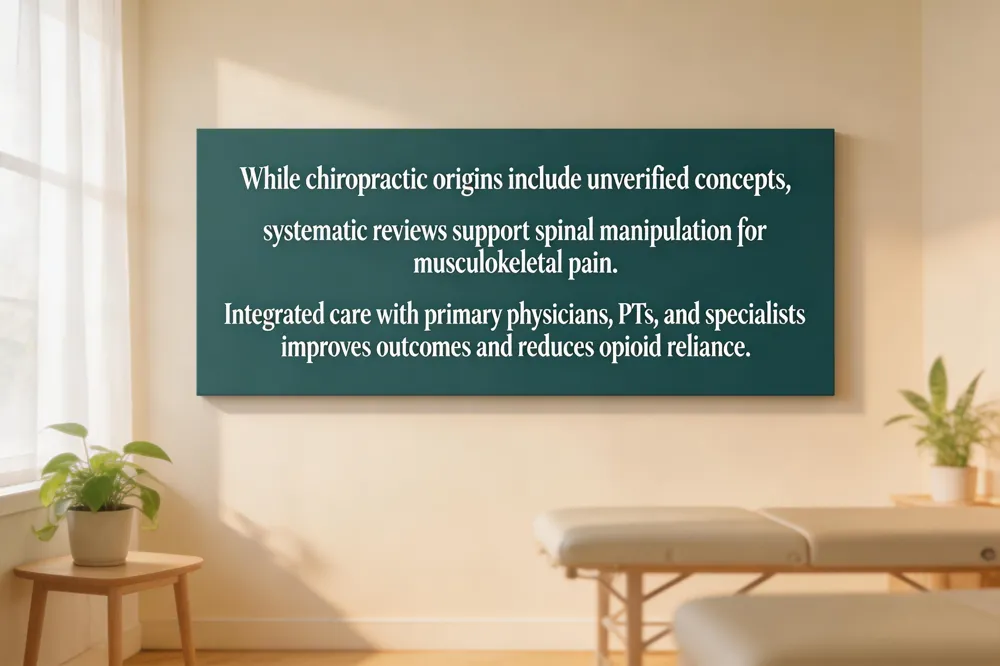 Chiropractic’s origins include concepts like vertebral subluxation that lack solid scientific backing, leading many to label the field pseudoscientific. However, systematic reviews show spinal manipulation can modestly relieve low‑back and other musculoskeletal pain when performed by qualified clinicians; claims of curing non‑musculoskeletal diseases are not evidence‑based.
Scope: Chiropractic is not a disease‑modifying therapy for serious neurological conditions such as ALS. It may ease secondary musculoskeletal discomfort but does not alter disease progression, so it should be used only as a supportive, palliative adjunct after neurologist consultation.
Collaboration: Effective pain management often combines chiropractic adjustments with primary‑care physicians, physical therapists, and specialists. Integrated, evidence‑based teams can reduce reliance on opioids and improve functional outcomes.
Your Path to Natural Pain Relief Starts Here
Dr. Croft’s evidence‑based, holistic approach blends spinal adjustments, therapeutic massage, laser therapy, targeted exercise, and lifestyle counseling to treat musculoskeletal pain without drugs. His protocols, rooted in peer‑reviewed research, prioritize safety, effectiveness, and affordability. Schedule a personalized consultation to receive a comprehensive, non‑invasive plan tailored to your needs, and experience compassionate care that empowers you to regain function and live pain‑free.